Last updated on 28 November 2026
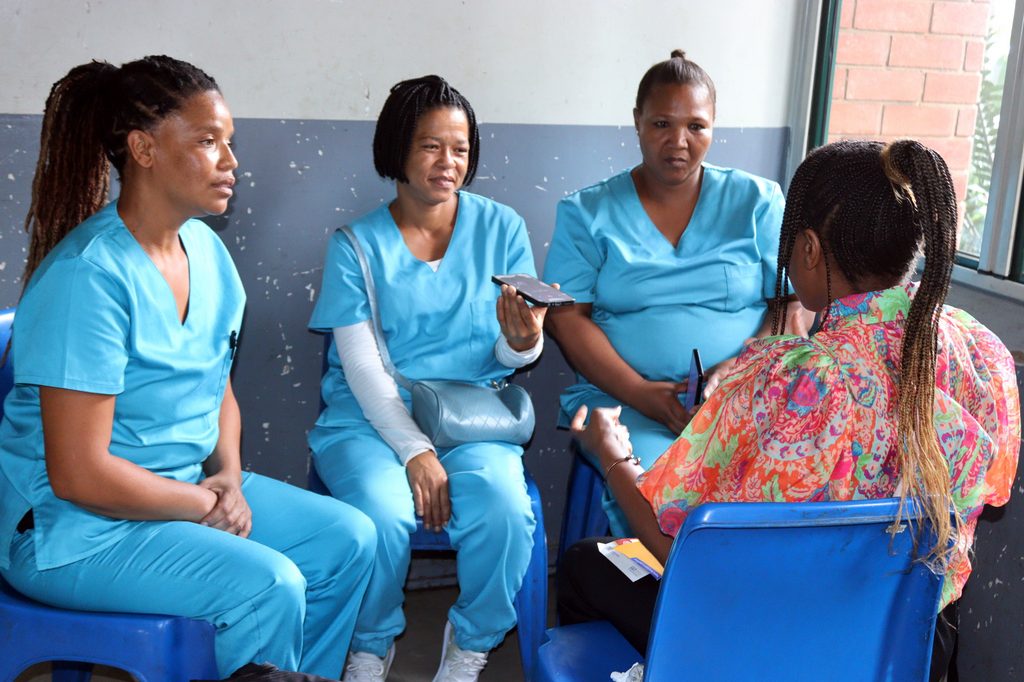
Across Eersterust, East Lynne and Mamelodi east of Pretoria, 60 women walk door to door daily carrying plastic bags containing medication, clean bandages and home-care supplies.
They are I-Langa caregivers, trained through the I-Langa caregiver and skills development programme, funded by Lotto in partnership with Built Africa, a non-profit youth development centre that provides free skills training, health services and community support to empower unemployed youth and women.
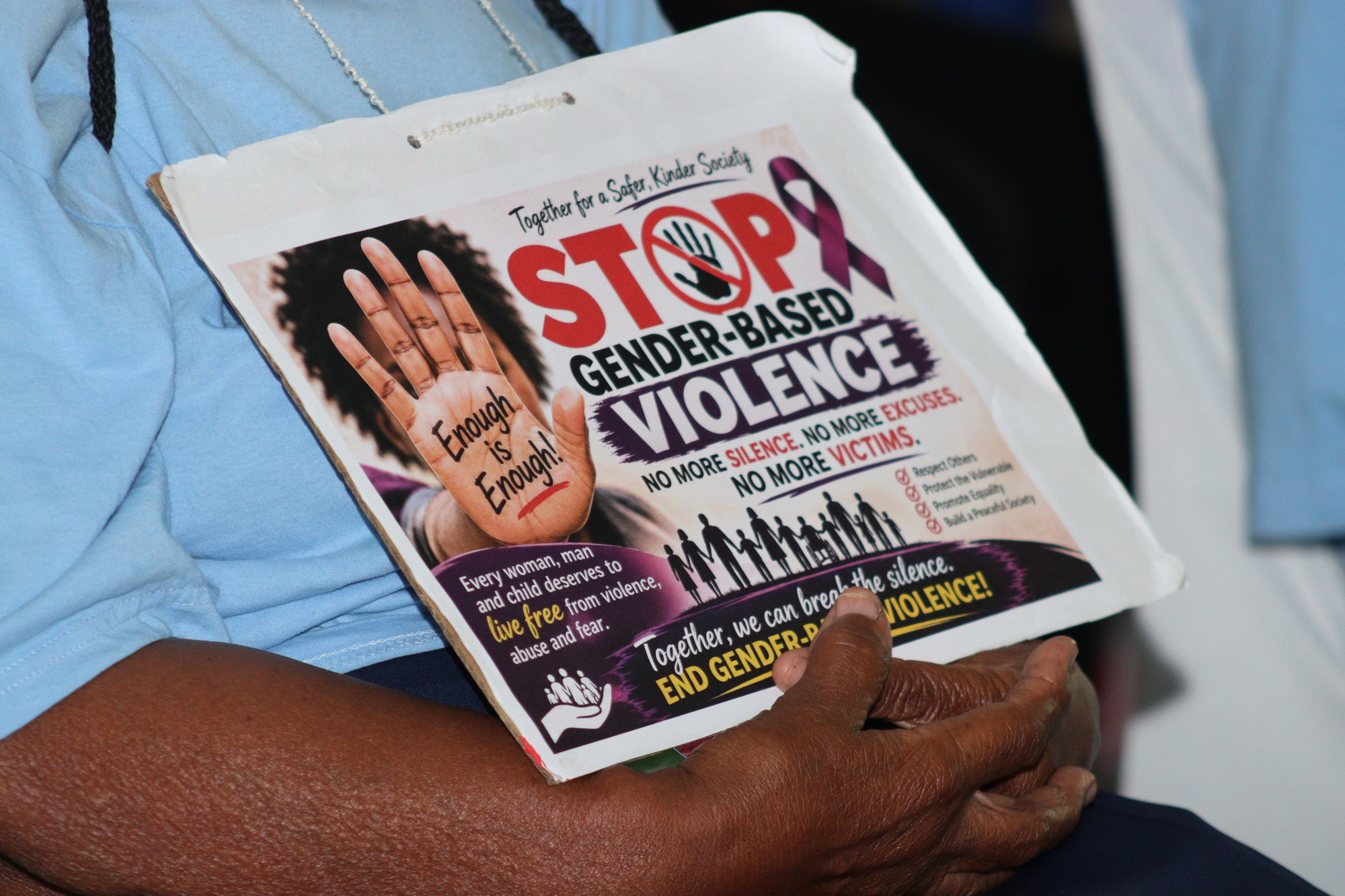
“Built Africa is our mother – it is like they gave birth to us,” explains Kaylene Dolph, an I-Langa caregiver, during the 16 Days of Activism campaign event held in Eersterust on 25 November, hosted by Built Africa and its partners.
Under I-Langa co-founder Sister Gerda Jacobs, the caregivers have bathed bedridden elders, collected prescriptions and assessed households for almost a year.
Yet their experiences highlight the central contradiction in South Africa’s GBVF campaign. As the state launches its 2026 16 Days campaign under the theme, Letsema: Men, Women, Boys and Girls working together to end Gender-Based Violence and Femicide (GBVF), commitments continue to collide with failures in implementation.
When I-Langa’s community care workers enter Eersterust homes to care for elderly residents, they are rarely dealing with isolated health needs. Instead, they encounter households affected by intergenerational neglect, substance abuse and the diversion of social grants.
According to the care workers, many older residents are left raising their grandchildren on an already stretched old age grant while their adult children, some battling drug and alcohol dependency, control or feel entitled to those funds.
“Remember, a lot of elderly people look after their children and grandchildren, and if you look at the cost of living these days… that is why a lot of old-age people cry about the grant,” care worker Frankolene Ruiters explained.
For frontline workers, stepping inside these homes reveals how economic abuse and substance dependency intersect behind closed doors, leaving grandparents to shoulder the daily responsibility of caring for children with dwindling resources.
“When you dig deeper into the households, you find children who are on substances and alcohol abuse, and the older person has to take care of the grandchildren – while the older kids of these grandparents fail to take care of these innocent children,” care worker Claire Cripps added.
She pointed to household dynamics where caregiving responsibilities routinely collide with financial exploitation and family breakdown.
The women emphasise that their services are currently offered free of charge. They are not paid for their work and volunteer while waiting for funding that would enable them to earn an income through the organisation.
Their unpaid labour in Eersterust homes, supporting vulnerable households and identifying problems before they escalate, reflects a wider national challenge of funding and implementing grassroots prevention programmes.
Official data points to gaps in implementation. The five-year review of the National Strategic Plan (NSP) on Gender-Based Violence and Femicide shows that only 65 of 191 indicators were achieved. Under Pillar 2 (Prevention), the government met just six of 42 targets.
With police recording 50,511 GBVF cases in 2025/26 and 9,908 rapes from July to September 2026, non-profit organisations are left filling gaps in state support.
The governance and funding disconnect
The gap between policy announcements and township realities is felt daily by community organisations.
Eldery Gertze, Executive Director of Built Africa, stresses that state interventions remain reactive.
“Policy fails when reaction is done during or after a crisis,” Gertze emphasised, noting that Built Africa runs daily school sessions, support groups and dialogues to identify early signs of abuse.
While President Cyril Ramaphosa announced emergency interventions in September 2026, including municipal safety audits and tavern crackdowns, local implementation remains unclear in Eersterust.
Ramaphosa stated that the National Council on Gender-Based Violence and Femicide is now operational and tasked with coordinating and driving the country’s response.
He noted that funding has already been directed toward strengthening police Family Violence, Child Protection and Sexual Offences Units, with additional resources pledged by the Finance Minister in the upcoming Medium-Term Budget Policy Statement.
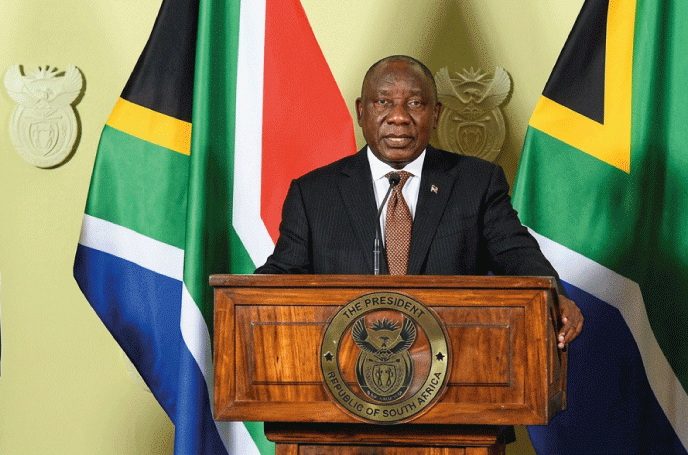
Ramaphosa also highlighted ongoing efforts to expand Sexual Offences Courts and shelter services, alongside improvements to DNA and forensic evidence processing. He said Thuthuzela Care Centres continue to provide survivors with integrated medical, forensic, counselling, and legal support.
On the other hand, Built Africa is still awaiting updates from the City of Tshwane and local police on whether safety audits were completed or unlicensed taverns were closed.
Operationally, non-profit organisations face chronic resource shortages. Although the Gauteng Department of Social Development funds Built Africa’s Victim Empowerment Programme (VEP), its core funding remains fragile while the organisation awaits approval of its 2027–2030 grants.
The organisation also relies on BackaBuddy crowdfunding campaigns to keep basic services running.
“Reliable transport is one of our most urgent operational gaps,” Gertze explained.
Built Africa operates with only one vehicle shared across all its programmes. Gertze said that when a survivor needs urgent transport to a clinic or police station, the vehicle is often being used elsewhere.
Referral pathways also break down without dedicated contact points, while state systems overlook young boys, LGBTQI+ individuals, persons with disabilities and young people facing cyberbullying.
Economic empowerment as core prevention
The breakdown in state support reinforces a critical lesson: GBVF prevention cannot be separated from economic survival.
Under NSP Pillar 5 (Economic Empowerment), restoring financial independence is an essential part of prevention.
“We see every day how nearly impossible it is for someone to leave an unsafe home when they depend on an abuser for food, housing, or transport,” Gertze observed.
Built Africa’s Skills to Work programme connects beneficiaries to learnerships and employment opportunities. However, policy interventions do not always bridge the gap between training and earning an income.
Without transport stipends and counselling, vulnerability can force survivors back into abusive homes.
This also reflects parliamentary debates in which opposition MPs have argued that GBVF is rooted in economic failure.
ActionSA MP Dr Tebogo Letlape pointed out that GBVF is driven by gender inequality, while institutions such as the Commission for Gender Equality remain underfunded, leaving prevention mandates without adequate resources.
Stakeholder dynamics and institutional limits
The Eersterust gathering brought together SAPS, Correctional Services, Community Safety, Thuthuzela Care Centre, SANCA, Home Affairs, SASSA and local churches.
However, testimonies at the event exposed tensions between legal frameworks and people’s lived experiences.
Ward Councillor Navina Pillay urged residents to break the silence, highlighting that abuse also affects men and boys.
Citing an incident shared by Pastor Danie Matthys, in which a 16-year-old boy slapped his girlfriend, Pillay warned:
“Some men think that abusing a woman by slapping them, they will be respected… Pride kills. If we don’t talk about our abuse, nobody’s going to know.”
Addressing court procedures, advocate Anne-Marie Bandeman of the National Prosecuting Authority (NPA) outlined tightened bail conditions, requiring accused persons in domestic violence cases to prove that their release is in the interests of justice.
Speaking about long clinic queues in Mamelodi, Bandeman advised victims to photograph their injuries as evidence.
However, Bandeman also reflected on the limitations of state support, stating: “Government cannot sort out everyone’s problems. They just can’t… You must take control in your own home.”
Grassroots advocates argue that placing the burden back on traumatised mothers ignores the gaps in state protection.
Demanding measurable accountability
As Minister Sindisiwe Chikunga acknowledged, South Africa has laws, but the real test remains implementation.
Although National Treasury allocated R3.8 billion for 3,552 social workers and R5.1 billion for court expansion, Eersterust’s frontline workers say they have yet to feel the benefits.
“My urgent demand is that government departments work together consistently, not only when there is a crisis or during the 16 Days of Activism, but every single day of the year,” Gertze demanded.
Her call reflects the government’s broader position that efforts to end GBVF must continue throughout the year, under initiatives described as 365 Days of Activism, 365 Days of Action or 365 Days of Safety.
When the 16 Days banners come down after 10 December, real accountability will not be measured by speeches.
It will be measured by whether the City of Tshwane fixes broken street lights, whether SAPS assigns dedicated referral officers, whether social workers receive permanent contracts and whether care workers such as the I-Langa volunteers are finally paid.
As Deputy President Paul Mashatile admitted, progress must be judged not by what government announces, but by what actually changes in women’s daily safety. -news@mukurukuru.co.za

Be First to Comment