Last updated on 23 November 2026
The local government elections are over. Campaign posters will eventually come down, political rallies will quieten, and newly elected councillors will settle into their offices. But in some Limpopo communities, residents will still wake up wondering where they are going to get water.
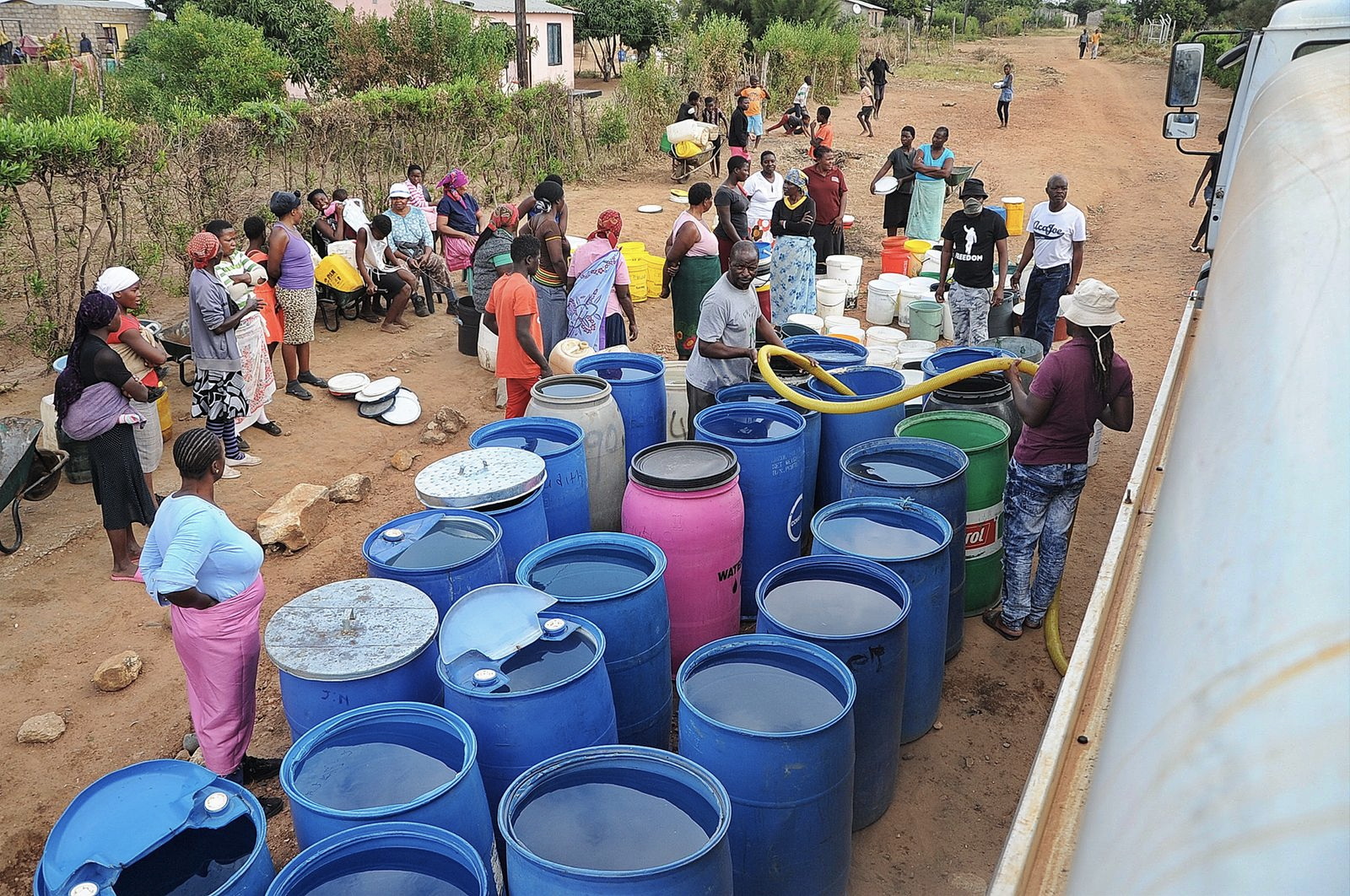
Families continue to rely on water tankers, boreholes and other sources, while some households are forced to buy water to meet their daily needs or walk with containers to find it.
In villages where taps run dry, water shortages affect more than household chores. They determine whether people can cook, wash, keep their children clean, run small businesses, care for livestock or work their land.
This is the reality that makes this week’s arrest of former Lepelle Northern Water board chairperson and senior traditional leader Kennedy Tshivhase over alleged corruption linked to the Giyani Water Project particularly painful.
The project was meant to bring water to 55 villages. Instead, it has been associated with years of delays, escalating costs and allegations of corruption, while communities continue raising concerns about water supply.
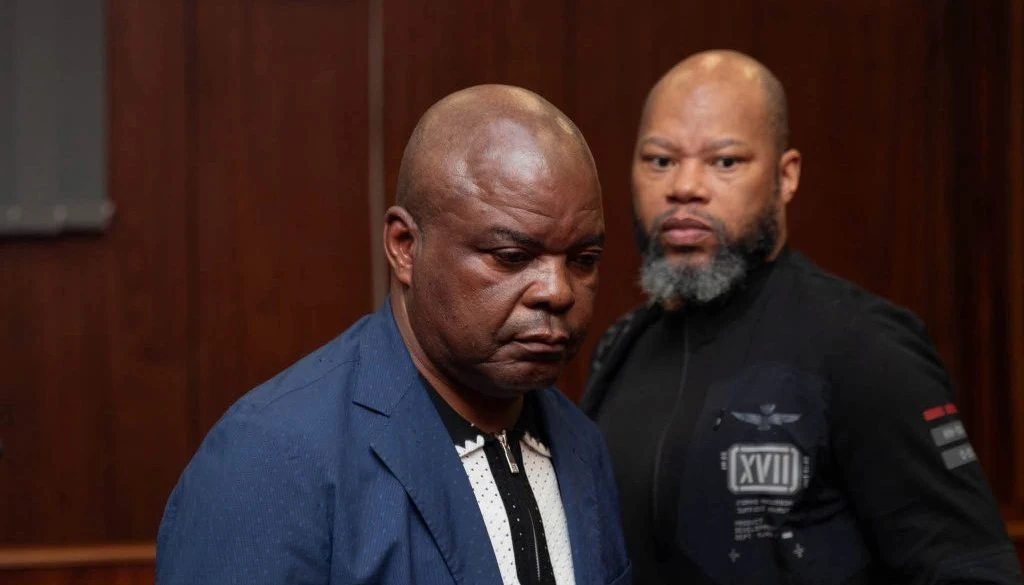
Tshivhase and 51-year-old company director Thulani Makhosi Majola were arrested by the Hawks on 19 November 2026 in connection with alleged corruption and money laundering linked to the project. The arrests came just weeks after Limpopo residents went to the polls in the 4 November local government elections.
The SIU’s spokesperson advocate Selby Makgotho said the arrests stem directly from its ongoing investigation under Proclamation No R22 of 2016, which mandates the Unit to investigate LNW’s awarding of contracts to LTE Consulting, including the R4.1 billion Giyani Water and Wastewater Emergency Intervention project.
“The SIU’s investigation has uncovered evidence that Majola allegedly paid bribes to Tshivhase in connection with awarding the R4.1 billion contract. These bribes allegedly took the form of a Mercedes-Benz G63 luxury vehicle and R2.7 million, reportedly transferred to the Tshivhase Royal Trust. Tshivhase is a senior traditional leader of the Tshivhase Dynasty (Ha-Tshivhase) in Venda and a long-serving Member of the Limpopo Provincial Legislature,” Makgotho said.
The Directorate for Priority Crime Investigation (the Hawks) carried out the arrests after the SIU referred evidence of criminal conduct to the National Prosecuting Authority (NPA).
Lepelle Northern Water (LNW) issued a statement on 20 November, saying it noted the court appearance of its former board chairperson and respected the independence of the judicial process.
The entity said it would not comment on the merits of the allegations while the legal process continued. It reaffirmed its commitment to accountability, transparency and good governance, adding that it did not condone corruption or misconduct that could undermine public trust or the delivery of essential water services.
LNW also said it would cooperate with law enforcement and investigative authorities should its assistance be required.
“The SIU’s investigation revealed an estimated loss of R7,048,712.35 due to inflated costs on sampled boreholes, alongside wasteful expenditure of approximately R2,503,300.00 on non-functional water purification plants. In exercising its powers, the SIU has issued summons in the High Court of South Africa, Limpopo Division, Polokwane, to review and set aside the R4.1 billion contract awarded to LTE Consulting, which the Unit has established was awarded unlawfully and irregularly,” Makgotho noted.
The Tshivhase Royal Family and Traditional Council issued a separate statement on 22 November, saying it respected the rule of law and the independence of the courts.
The family emphasised that Tshivhase was presumed innocent until proven guilty and said the matter should be decided through the legal process. It also announced that it would make no further public comment while the court proceedings continued, appealing to its members and communities to remain united and calm.
Water supply was one of the key issues political parties centred their campaigns, promising communities better service delivery, functioning municipalities and improvements to their daily lives.
Now, the arrests raise uncomfortable questions about public money, political accountability and whether the promises made during election campaigns will translate into real improvements for residents.
Billions meant to bring water
The Giyani Water Project was launched to improve water supply to 55 villages in the Greater Giyani area.
It was intended to provide bulk water infrastructure, upgrade existing systems and extend supply to communities that had struggled with access to water.
The project was initially valued at about R90 million, but the contract awarded to LTE Consulting was later increased to R2.2 billion and then R4.1 billion, according to findings by the Special Investigating Unit.
The SIU identified procurement irregularities, inflated costs and alleged corruption linked to the project.
The latest arrests relate to allegations that the project escalated to approximately R4.4 billion without the necessary authorisation.
The accused have not been convicted, and the allegations must still be tested in court.
The Democratic Alliance (DA) in Limpopo has welcomed the arrests but says the investigation must now move faster to establish who else may have been involved in the alleged corruption and what happened to the money allocated to the project.
In a statement issued on 23 November, the party said the arrests followed years of investigations and delays. It called on investigators to trace the money, identify everyone implicated and take steps to recover public funds where wrongdoing is established.
The DA also raised concerns about the continued lack of water in communities that were meant to benefit from the project. It said residents in Giyani and surrounding villages were still forced to walk long distances to access water, with some relying on potentially contaminated sources.
The party wants authorities to account for how much has been spent, what infrastructure has actually been completed and when residents can expect a reliable water supply. It said the investigation should not only result in arrests but should also help establish what went wrong with the project and who should be held accountable.
But the scale of the project and the allegations surrounding it raise questions about how money intended to improve water access was managed, who was responsible for oversight and why the project has taken so long.
When billions of rand are allocated to infrastructure, communities should be able to see and experience the results.
A pipeline is not enough if water does not reach households. A borehole is not enough if it stops working. A completed project cannot be measured only by the money spent or the structures built, but by whether people can actually use the service.
The funding allocated to water infrastructure is another important part of the discussion.
Under the 2026/27 Division of Revenue allocations, Greater Giyani Municipality is set to receive R170.416 million through the Water Services Infrastructure Grant (WSIG).
The municipality is also allocated R136.829 million through the Municipal Infrastructure Grant (MIG), which supports broader municipal infrastructure needs and should not be treated as water funding alone.
At national level, the Department of Water and Sanitation’s main account has been allocated R21.957 billion for 2026/27. This forms part of a broader three-year budget that includes R39.232 billion in conditional infrastructure grants for municipal water services.
These allocations are intended to support infrastructure development and improve water services. However, the figures do not mean that all the money is going to Giyani or that the allocated amounts have already been spent.
The question is how much of the funding reaches projects, whether the infrastructure is completed on time and whether communities actually benefit.
In an area where the Giyani project has been under investigation for years, the allocation also raises questions about how authorities will ensure that new funding is properly managed and does not become another promise without results.
Residents need more than budget announcements. They need to know which projects are being funded, when construction will be completed, how many households will benefit and who will be held responsible when delivery falls behind.
The cost of living without water
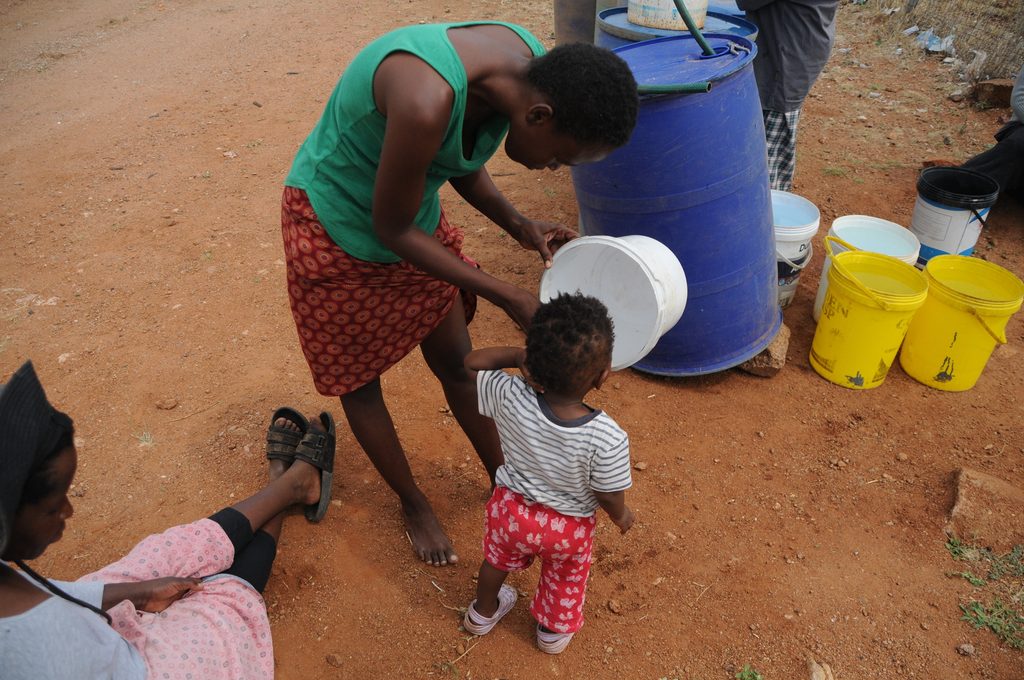
In Nhlaneki village in Giyani, residents have previously described walking long distances with wheelbarrows and containers to collect water from communal taps.
Daisy Tshipfhango described being exhausted after walking to collect water and pushing a wheelbarrow carrying containers back home.
The struggle was not simply about the distance. Residents had to wait for water to become available, often without knowing when communal taps would start flowing.
Catherine Rikhotso, who had a family of seven, also had to transport dirty clothes to a communal tap to wash them because there was not enough water at home.
The situation shows how water shortages turn ordinary household chores into physically demanding tasks that consume hours of people’s day.
The crisis is not confined to Giyani.
In Marulaneng, residents have previously described waiting for hours to fill containers, while communities in other parts of Limpopo have raised concerns about unreliable water supplies, sewage problems and continued dependence on tankers.
In Makhuva village near Giyani, residents have also reported having to buy water or collect it from unsafe sources after a communal borehole stopped working.
Christine Mashel said her family had been paying for safe drinking water after the borehole stopped working, while residents feared the health risks of using unsafe water.
When water is unavailable, families are forced to make choices they should not have to make: spend money they may not have, travel to find water, or use sources that may put their health at risk.
Water shortages are costing people their livelihoods
The water crisis also affects people trying to earn a living.
Ephraim Hlungwani, an 86-year-old farmer from Thomo village outside Giyani, has struggled to maintain his farming operation because of inadequate irrigation water.
His farm has been reduced, affecting production and the income he could earn from growing crops.
When farmers cannot irrigate their land, they lose crops, income and opportunities to employ people. Small businesses that depend on water also struggle to operate.
Water shortages can affect hair salons, food businesses, households selling vegetables and people raising livestock.
A family that has to buy water is spending money that could have gone towards food, transport, school necessities or electricity.
In communities already dealing with unemployment and poverty, unreliable water supply places another burden on people who have limited options.
The Giyani Water Project also raises questions about the different levels of government responsible for water infrastructure. Water projects involve municipalities, water boards, provincial and national departments, meaning residents need to know who is responsible when projects fail, who must intervene and who must account for the money spent.
The arrest of Tshivhase and the co-accused may be an important step in investigating alleged wrongdoing, but it does not resolve the water crisis.
Residents still need answers about unfinished infrastructure, broken systems, water tanker arrangements and when reliable supply will reach their homes.
The matter is expected to return to the Polokwane Magistrates’ Court on Thursday, 26 November 2026, when Tshivhase and his co-accused are expected to apply for bail. The proceedings will be closely watched as the investigation into the Giyani Water Project continues.- news@mukurukuru.co.za

Nice story, homeboy, keep up the good work.