
There is only one massive problem with Kruger National Park—one that no one else seems able to resolve. But I will get to that later.
A group of friends and I recently made our annual trek to Kruger over the Women’s Day long weekend. We have been making this trip for over a decade: men only, about a dozen of us, though only six could make it this time. We spent four blissful days in the deep south of the park.

It is a time for us—friends and colleagues—to unwind, recharge, discuss deep life issues, offer advice on challenges and opportunities, and share laughs in the serenity of the bush. We plan to continue our Kruger pilgrimage for as long as the zebra has stripes (or until someone finally answers whether the wild horse is black with white stripes or white with black stripes).
Growing up in Soshanguve, a township 40 kilometres northwest of Pretoria during the 1980s, wildlife and nature conservation were foreign concepts. The closest we came to the Big Five was through pictures in magazines or annual calendars hanging on the walls of our homes. The only zebra we knew was the crossing painted on the tar road near the local TOTAL garage.

Back then, long before smartphones and social media, calendars were essential household possessions. They were where our elders marked burial society meetings, school holidays, church conferences, wedding invitations, and Soweto derby days. At the end of each year, businesses printed them in abundance as gifts for loyal customers.
One calendar always stood out. My father filled up his Nissan E20 Kombi at the local TOTAL garage, where they handed out A3 calendars featuring striking wildlife images above each month. Those pictures were unbelievable: impalas, zebras, herds of buffalo, a Nile crocodile basking with its mouth agape, or a massive elephant cooling off at a waterhole. At the end of the year, when the calendar came down, I finally got to examine the images up close. In some, the animals seemed alive, looking back at you as if to ask, “Hey, mfanakithi from the township, what are you looking at?”
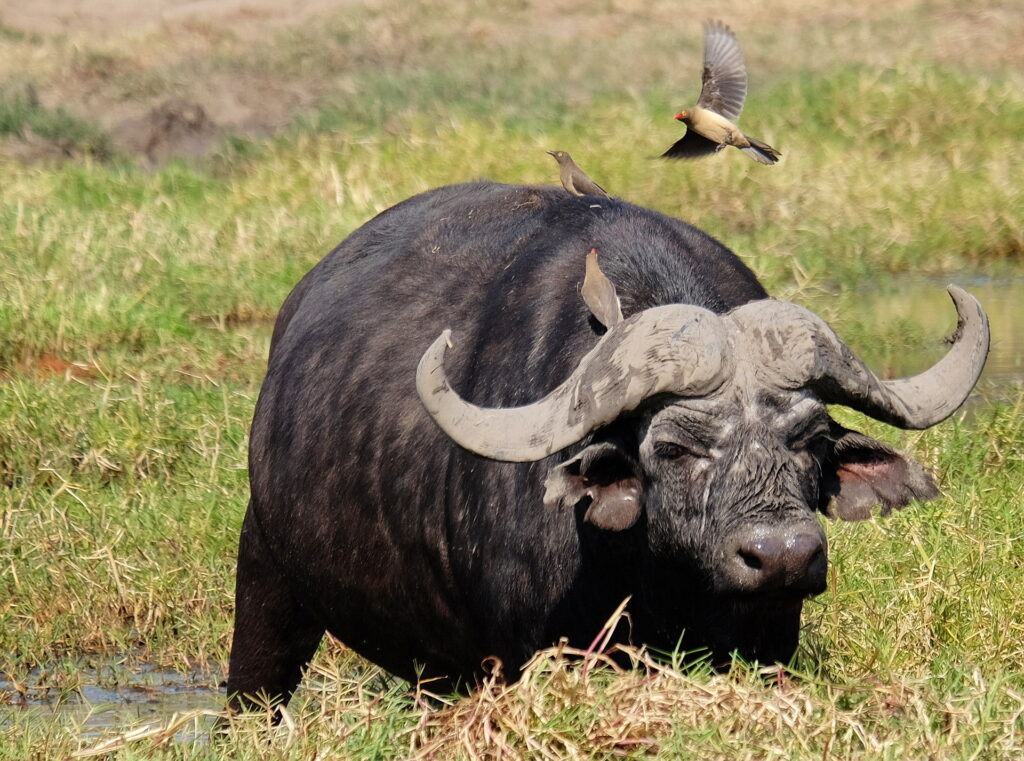
It was through those calendar photos that I first learned the name Kruger National Park. They transported me to a distant, almost unimaginable universe—a sharp contrast to Soshanguve, with its rows of small, asbestos-roofed houses, stray dogs, minibus taxis, and children playing in the streets.
It was also a volatile era in South Africa under apartheid. We studied in the shadow of armoured military vehicles, police patrols, tear gas, and nights marked by gunfire and fleeing footsteps. Yet, those photographs brought a quiet sense of peace—an escape I couldn’t fully explain at the time. I could hardly fathom that a place existed where elephants, lions, and leopards roamed free, or that people actually travelled there just to look at and photograph them.

The closest we came to seeing wild animals was on school or family trips to the Pretoria Zoo, watching an old elephant look bored out of its mind. But I kept returning to the photos in magazines and Reader’s Digest yearbooks, vowing that one day I would visit Kruger myself.
I guess even our parents didn’t know about Kruger then, or if they did, were indifferent to its existence because the discriminatory laws of those times only allowed black people there as servants and service providers, not as visitors. But those ugly days are behind us. In its 2024\25 annual report, Sanparks recorded that a total of 544 031 black tourists visited the park between April 2024 and March last year.

My first trip finally happened in 1997 as a reporter for the Sunday Times. Photographer Raymond Preston and I drove hours to Shingwedzi to cover anti-poaching units, only to find a mix-up: communications had set us up to cover a story on man-eating lions that had preyed on migrants crossing from Mozambique. However, a competing newspaper had already broken the story, so our piece never ran. Even so, being in Kruger was a thrill. The static images from those childhood calendars were finally alive around me.
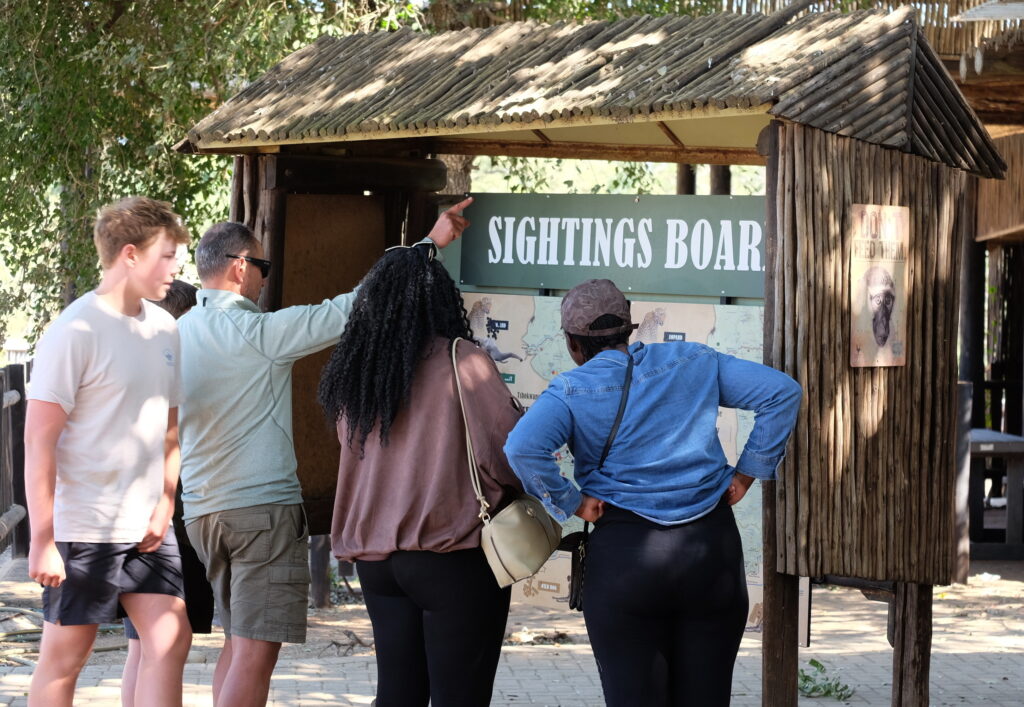
As the world marks World Photography Day, an annual, worldwide celebration of the art, craft, science and history of photography, I reflect on the immense influence those wildlife photographs had on my young mind.
Photographs transported us to many places and events around the world, from thrilling football cup finals in big cities to roaring music festivals and the amazing Kruger National Park
Long before I set foot in the park, photography expanded my horizon. It gave a young boy in a township a window into a world of wonder. Today, I am grateful for the chance to visit Kruger with my own camera. Hopefully, my photos will inspire someone out there just as those calendars once inspired me.
And as for that massive problem with Kruger? It is errrr, well, deeply addictive. It holds a quiet, powerful pull that keeps you coming back for more—and the more you return, the more you realise there is no other place like it. -news@mukurukuru.co.za


Great memories. I guess everyone has their own form of nyaope.
Super !!!
Well captured and narrated – inspirational !
I so wish there could be Young Styles.. but like they say, If wishes were horses, beggars would ride…!
Thank you as always for sharing these experiences.indeed the Kruger is addictive.
The peace that comes with being one with nature, priceless