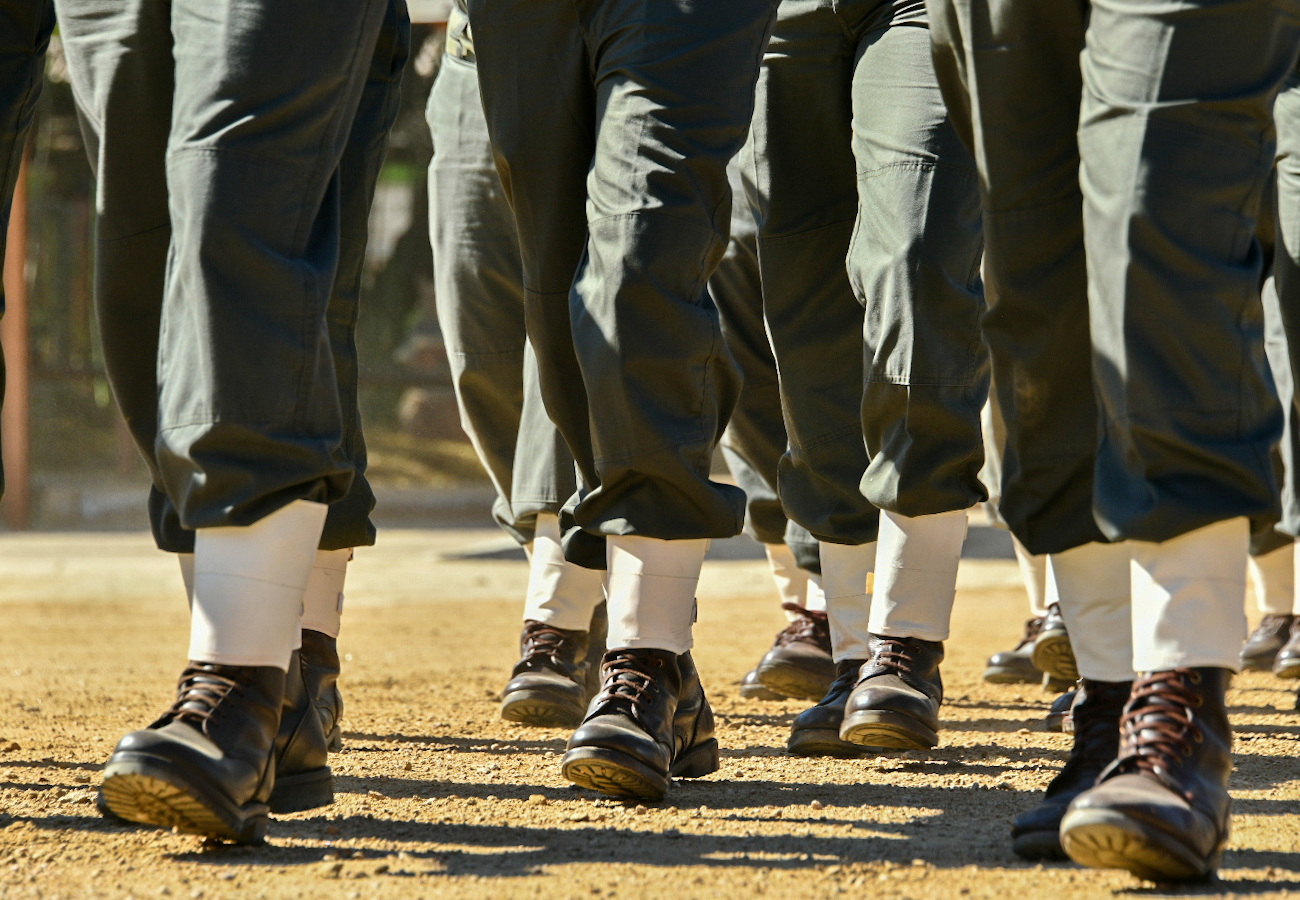
The desert wind carried the smell of dust and water on Friday as hundreds of rangers stood beneath the red rock cliffs of Augrabies. One after the other, candles were lit and placed at the base of a memorial scroll as names were read aloud. They were not the names of celebrities, but those of fathers, mothers, daughters and sons, rangers who left for work as usual one day and never came back home, for good, writes Kenneth Ramunyeiwa
It was World Ranger Day 2026, and for the first time South Africa hosted the national commemoration in the arid region. Augrabies, turning 60 this year, shared the spotlight with Kgalagadi Transfrontier Park, which marks 95 years.
Under the theme, Rangers: Guardians of a Changing Planet – A Legacy of Courage, Service and Stewardship, felt less like a slogan and more like a job description. The numbers behind it are stark. Globally, 78 rangers died in the line of duty in the past year. In South Africa, five were lost. Inside SANParks, one death was recorded: a field ranger from Marakele National Park killed in a car accident. Between January and June 2026 alone, SANParks logged 23 injured on duty cases.
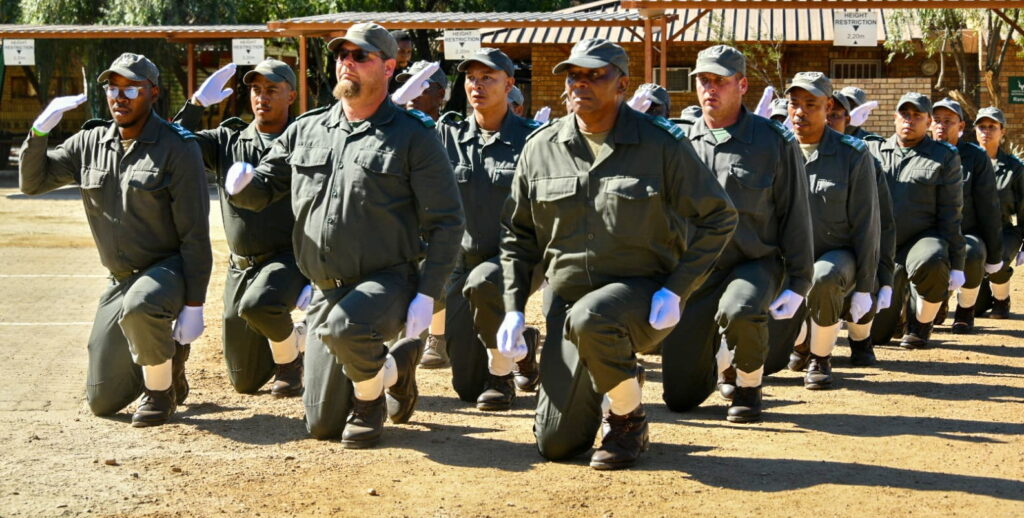
“One death is too many,” said SANParks spokesperson JP Louw, his voice trembling with emotion, as the last candle was lit.
“Even if you have 78, which is across the world by the way, it is not ok. We wouldn’t want to report a death of a ranger in the past year. But what it also tells you is that there is a level of sacrifice that goes with this responsibility… a particular kind of love for nature and conservation. This is a signal of dedication and drive, resilience and determination from our Rangers.”
That pain of the loss from the sacrifice was visible in the faces of those in the crowd. People in green and khaki who spend their days tracking spoor, counting rhino and other game, putting out veld fires, and pulling tourists out of flash floods.
‘You have to fight and work hard’
Lehlogonolo Mokopelo, 34, has been doing it for 10 to 11 years. She is a field ranger at Augrabies Falls National Park, where the Orange River carves a 56-metre gorge through ancient granite.
On Friday she stood high up in the front row, one of the few women in uniform.
“It’s an honour to be part of this day since we have lost a lot of rangers in the line of duty,” she said. “As a woman, it’s a great honour because this industry is known as a men’s industry so for me to be part of it now it’s really an honour to celebrate.”
The honour, she said, does not make the job easier.
“Because I’m a woman, people become soft on me. And that is a challenge I normally face. And because I’m a woman, I come prepared to work extra hard. It’s not easy in this industry. You just have to fight and work hard. It doesn’t matter where you start. You have to start somewhere.”
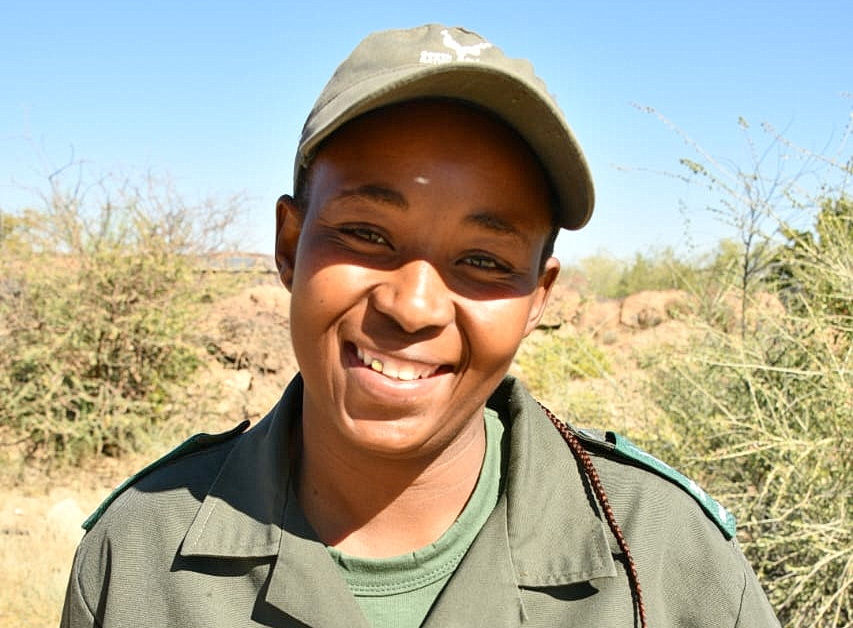
Mokopelo’s days start before sunrise. She checks on camera traps and monitors illegal entry points along a park that shares a porous border with Namibia. But the physical patrol is only part of it now.
Rangers today are first responders when the river floods. They are the ones who evacuate camps during heatwaves that push past 45 degrees.
They collect data for scientists, teach school groups about conservation, and sit in community meetings where the park’s success is measured not just in animals, but in jobs.
“The job changed,” Mokopelo said. “It’s not only about animals anymore. It’s about people too.”
15 years of floods, fire and poachers
Solomon Lefoka, 40, a section ranger at Mokala National Park in the Northern Cape, who has been in the field for 15 long years, nodded in agreement when Mokopelo spoke.
“It’s a day we celebrate every year to remember rangers that have lost their lives in the line of duty, so it means a lot to us,” he said. “What is important about this day is that we remember the work that our rangers have done in protecting our biodiversity across the world.”
For Lefoka, the list of challenges grows every season.
“The harsh conditions. As you know, we have this climate change. Floods in the parks and the harsh sun. So we have to work under those environmental conditions and adapt. We also have to make sure that we have the technology that will assist us in doing our day-to-day duties,” he said.
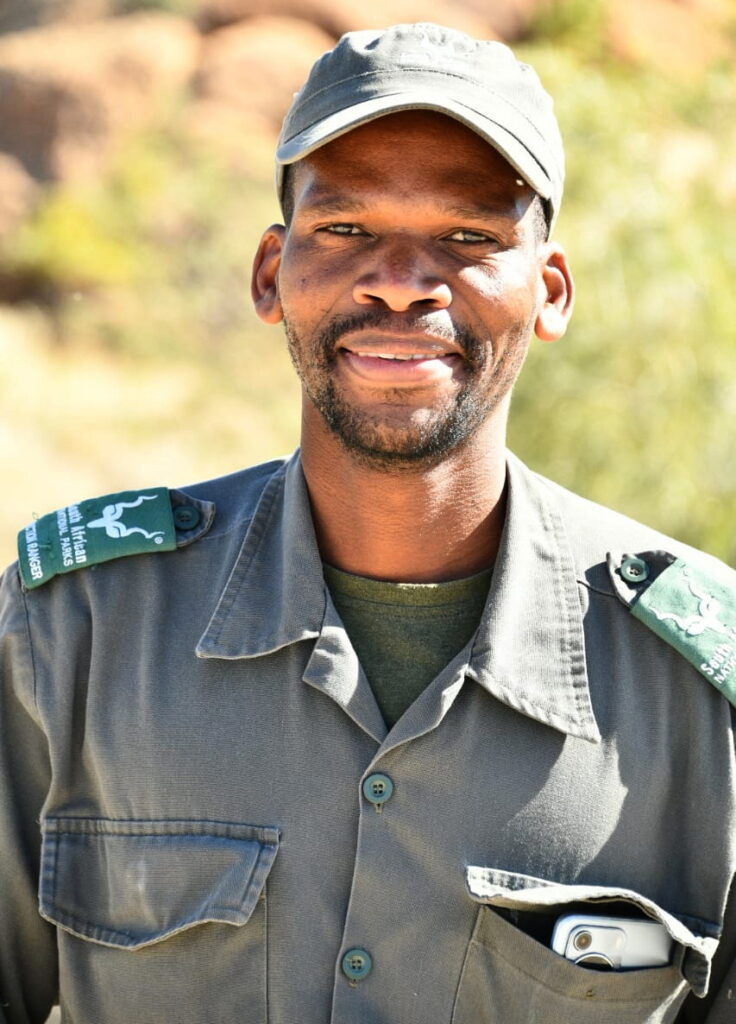
Mokala has seen dry riverbeds turn into torrents in a matter of hours. It has seen drought push wildlife closer to fences, and fences closer to communities. The technology Lefoka talks about — drones, body cameras, real-time monitoring systems — is arriving, but slowly, and often without the training to use it well.
Then there is the other war. Rhino poaching remains a national crisis. Abalone poaching continues to bleed the coastline. Syndicates are better armed and better funded than a decade ago.
But the hardest part, Lefoka said, is not in the bush. It’s at home.
“Another challenge is that as a ranger you are a community member,” he said. “So at the end of the day you have to go back home to face the same criminals that poach in the parks.”
It means living with the knowledge that the person you arrested on Tuesday might be your neighbour on Wednesday. It means your children going to school with the children of people involved in wildlife crime. It means being both protector and target.
“You carry the park with you,” Lefoka said. “Even when you take off the uniform.”
That is why the ceremony on Friday felt different.
This year marked 20 years since the International Ranger Federation established World Ranger Day.
The pledge read aloud included a line that has become central to how rangers see themselves:
“I will show the world that, as a Ranger, I am a specially selected, disciplined and well-trained Soldier for Conservation.”
It is a title that now carries more than anti-poaching. Rangers are ecosystem managers, data analysts, tour guides, mediators, and emergency workers. They are the most visible face of conservation on the ground, and often the first point of contact between the state and communities living next to protected areas.
That was the message delivered by the new Minister of Forestry, Fisheries and the Environment, David Maynier, who addressed the gathering as the sun dropped behind the falls.
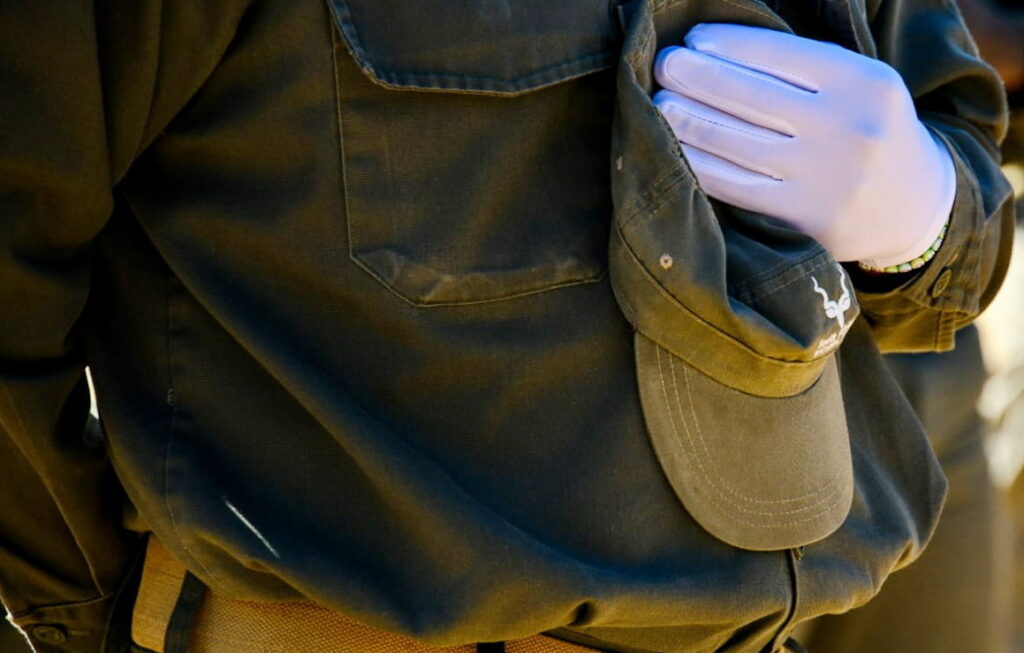
“I have been particularly struck by the pivotal role that our rangers play in safeguarding our environment. A modern ranger is a conservation professional. A ranger is a steward of complex ecosystems. A ranger is often a first responder. A ranger is a teacher. A ranger is a partner to communities. And increasingly, a ranger serves as a bridge between people and nature,” Maynier said.
He quoted the pledge back to the crowd.
“We are in a fight to protect our environmental assets, and rangers are our soldiers, defending our natural heritage,” Maynier said. “To protect our children’s future, our country, our land, our home.”
But he was clear that words must be followed by action.
Maynier said the department must move beyond ceremonial appreciation. That means better training, clear leadership pathways, proper equipment, and support for the physical and psychological toll of the job.
He also spoke directly to young people who came to watch.
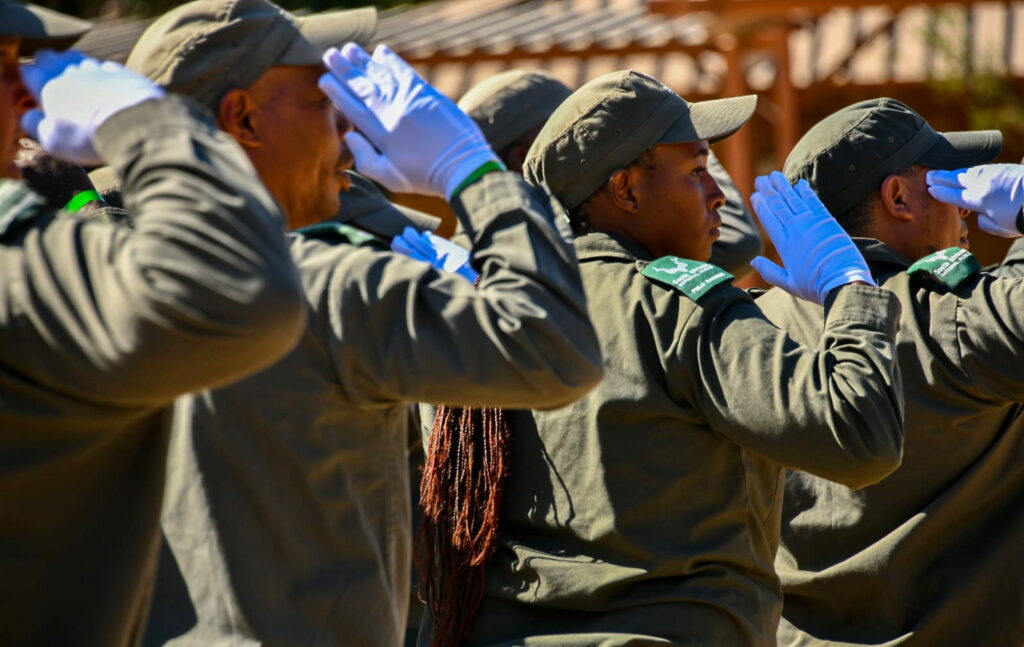
“South Africa needs a new generation of rangers, scientists, environmental managers, educators and community leaders who are committed to managing and sustaining our natural heritage for future generations,” he said. “Conservation is not simply a career. It is a form of public service and stewardship.”
As the ceremony came to a close, the 78 names from around the world were read again.
Among them, the Marakele ranger. The candle flames flickered and went out, but the rangers remained standing.
For Mokopelo, Lefoka and the others, Monday will mean another patrol, another community meeting, another night listening out for gunshots.
They call it service. The rest of the country, Maynier suggested, should start calling it what it is: defence.

Be First to Comment