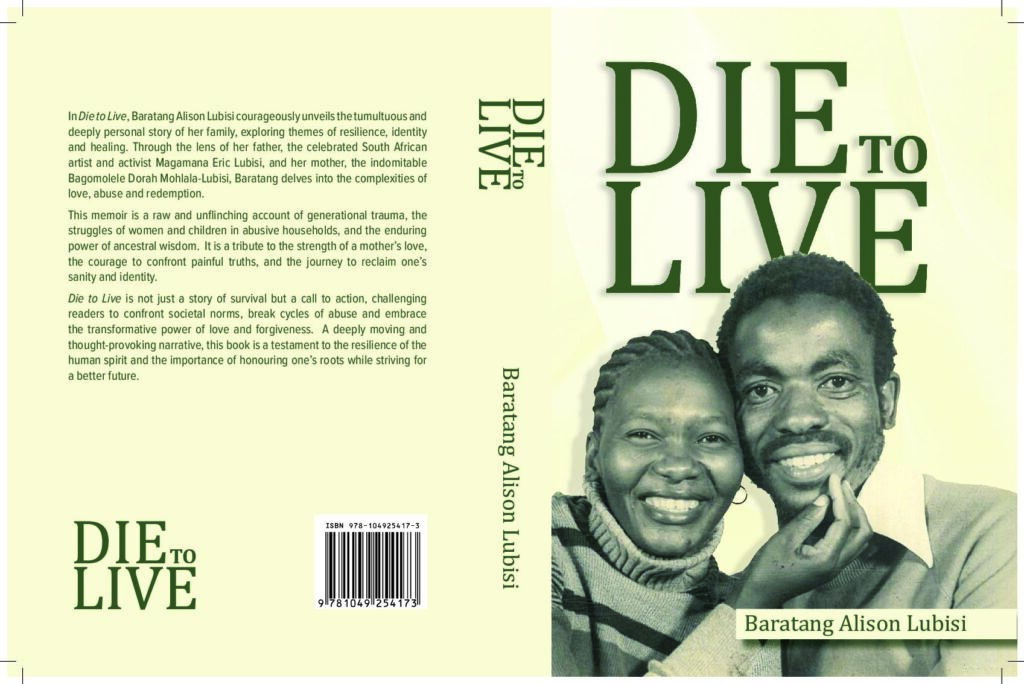
Apart from political activists, seasoned and aspiring artists seeking company and moral support were another group that brought their creative eccentricities to the house
Posts published in “Books”
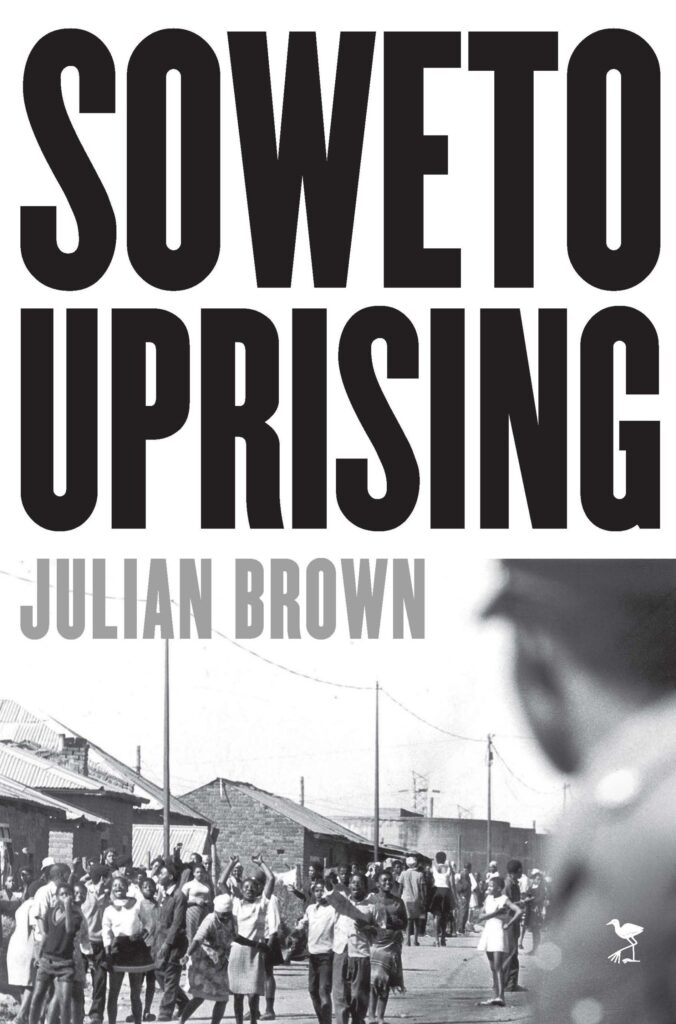
Sometimes it is easier to remember a single moment of protest – a day, an action, a single dead soul – than it is to remember the ways in which that protest continued, changed, mutated, and developed into something new
Our leaders are operating in a country shaped by inequality, institutional fragility, and complex social realities

As South Africa marks Human Rights Day on March 21 and commemorates Human Rights Month, we turn to a chapter from the historical fiction novel…

The girls were carrying Fela’s records and singing in the minibuses while hanging head and shoulders out of the vehicles’ windows, banging on the side panels. In Frank Karefa-Smart’s Mercedes, following the convoy, we were shaking our heads in utter bafflement.

This week marked eight years since the passing of Hugh Masekela – a towering figure in Jazz music and a global symbol of artistic resistance.…

The lobolo tradition has existed since time immemorial and is viewed as a form of cultural heritage that does not seem likely to ever disappear from Indigenous African culture, since even the most high-profile members of society such as the former President of South Africa, Nelson Mandela, practised the custom in his old age

"None of us was naturally living in a township. Townships were set up as labour reservoirs and we had nowhere else to go. We ended up in townships, but that's not where we belong. We did not even create them. We are kept in pockets of land, and the bigger portion was taken away."

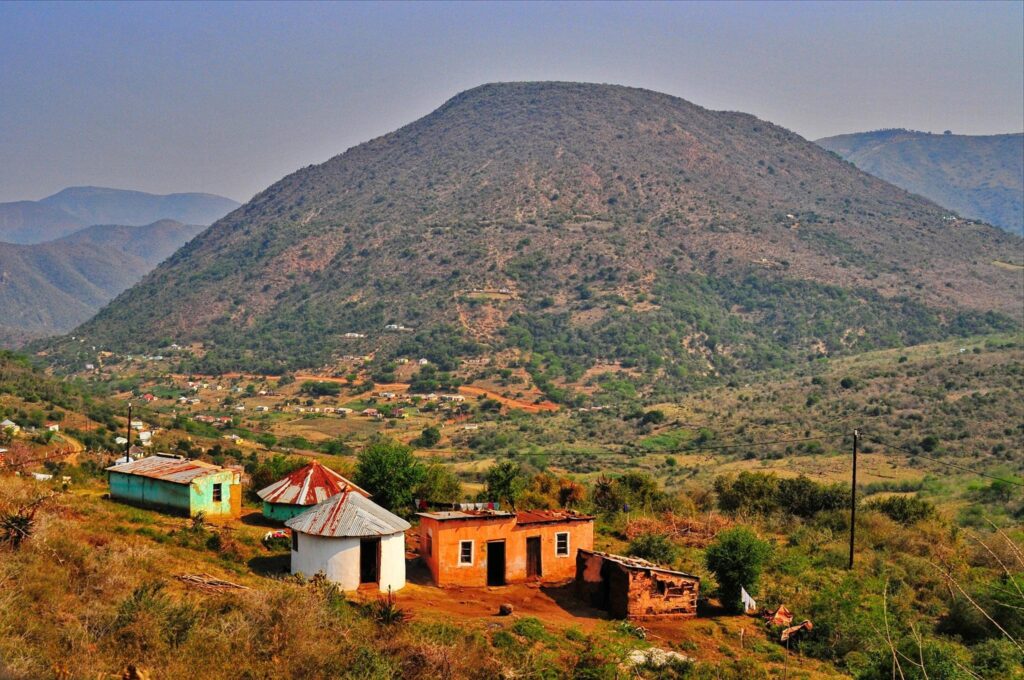
“He went through the koma, and that’s it.” No explanation, no closure; just silence. Those boys who didn’t come back, the ones who died during the ordeal? Instead of being buried at home, these poor boys were dumped in the bush, far from their mothers, far from their families. No goodbye; just… gone. We were supposed to accept that.

Writers continue to be essential in the fight for social justice. We resist through words and stories. We write to build bridges in a fractured
society. We make our way through the dark. We find light. We have the opportunity to rewrite our prejudices, and when structures of oppression persist against us, we collectively have the power to change the narrative.