Last updated on 28 November 2026
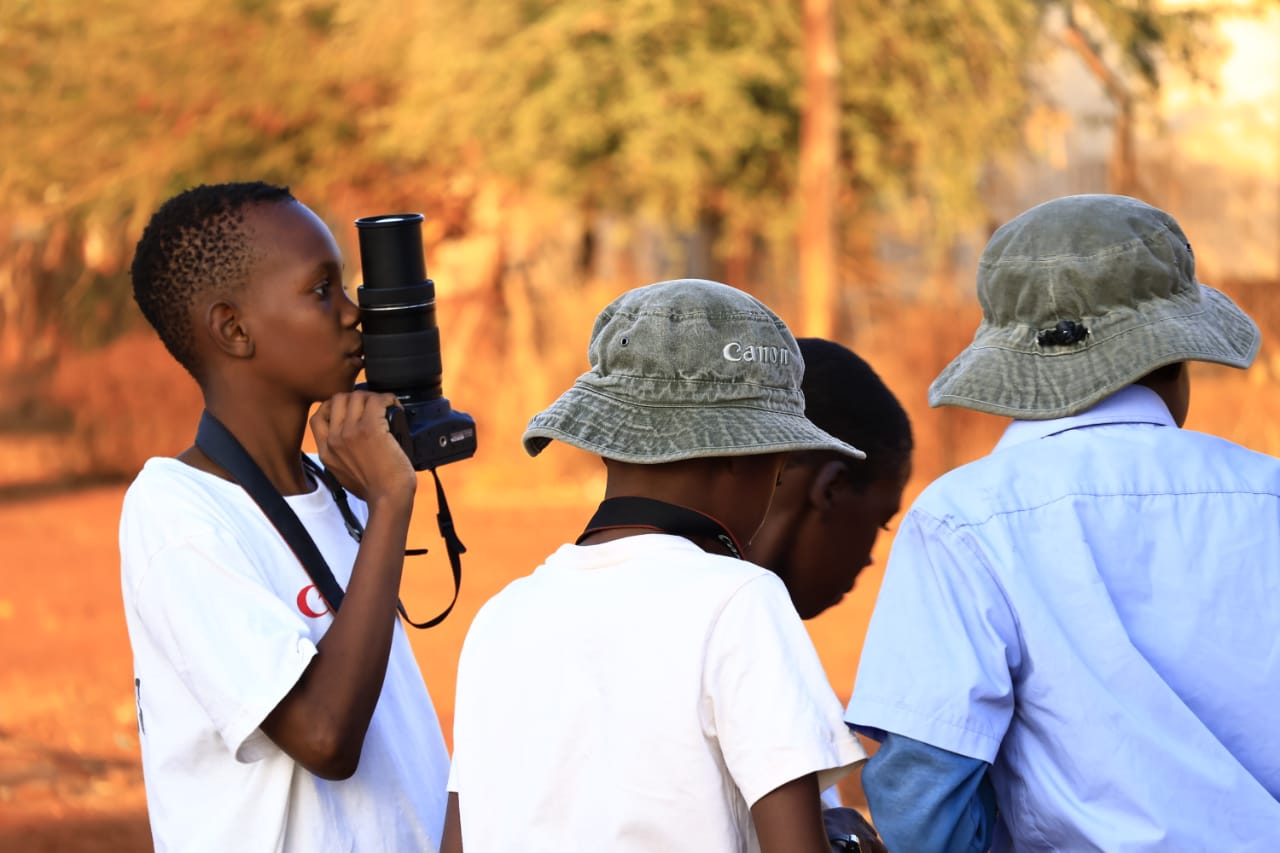
A photography initiative that began with a love for wildlife has grown into a platform for youth in Makuleke to discover their creative potential, document their natural heritage and explore new possibilities through conservation.
On 11 December 2026, Makuleke village in Limpopo will host an exhibition and launch Birds of Pafuri: A Makuleke Youth Collection, a book featuring more than 80 photographs captured by local young people.
Hosted by the Beat of Africa Foundation and supported by Canon, the event marks a milestone in the 365 Birds in 365 Days campaign, which introduced youth to surrounding birdlife while fostering conservation awareness.
When discussions began in September 2024, the goal was to spark curiosity and help young people see their natural environment differently. For Siwela Mutileni, a researcher at the Beat of Africa Foundation, a personal love of wildlife grew into a deeper commitment to conservation.
Looking back, Mutileni feels the project surpassed early expectations.
“I think we achieved more than we expected. I’m not sure if the learners always view it that way or if they may have expected to see a fully grown tree bearing fruit right away, but our aim was to plant a seed of curiosity,” she says.
The programme started with two groups: unemployed young adults in their early to mid-20s trained to share knowledge with others, followed by 12 primary school learners who became the core photography cohort.
Learning to see differently
Facilitator Alweet Hlungwani, a wildlife photography enthusiast, saw the role as a chance to combine photography with youth development. When Mtileni approached him, it felt like a dream come true.
Hlungwani designed lessons introducing camera parts, safe equipment handling, composition and exposure, keeping technical ideas relatable. He compared the human eye to a camera and used objects at varying distances to demonstrate depth of field and focus.
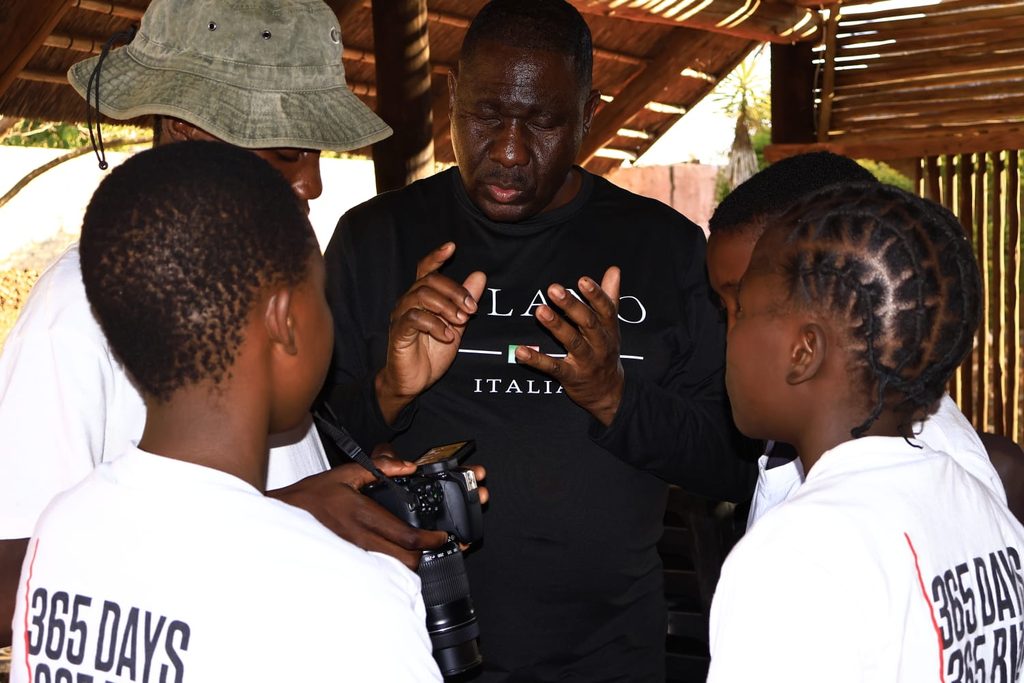
Initial hesitation and anxiety over unfamiliar gear soon gave way to excitement as learners waited eagerly for their turns.
“Learning by doing was our modus operandi,” he explains.
Beyond the classroom, learners photographed people and encountered wildlife through the lens, revealing varied strengths from artistic composition and near-abstract shots to portraiture. Still, he avoids singling out individuals, viewing photography as a lifelong journey.
Conservation through a different lens
Conservation remained central throughout. Observing birds closely helped learners notice subtle differences in colour, shape and size, as well as how birds interact with living and non-living elements of their environment—including basic habits like not littering.
The project also wove in indigenous knowledge, sharing how ancestors viewed birds and used them to convey life lessons. Linking photography, environmental care and traditional wisdom framed conservation around preserving heritage, identity and community memory alongside wildlife.
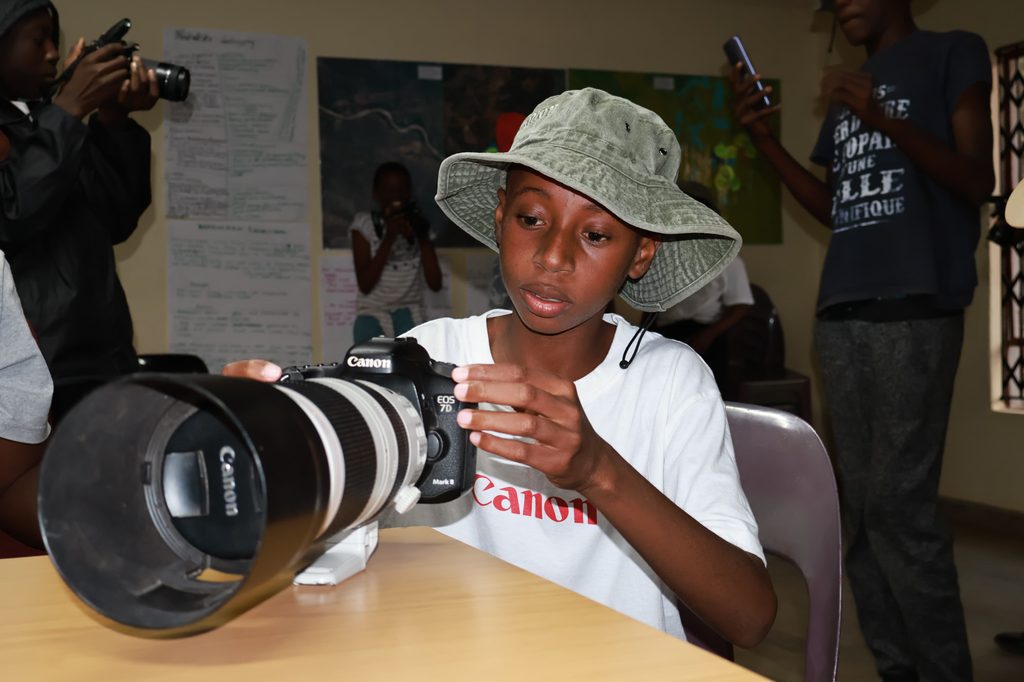
Hlungwani says watching learners overcome camera nerves stood out, alongside gains in teamwork, communication and public speaking when presenting their work. Drawing on his own background in a community nature conservation and business management project, he urges organisations not to dismiss small beginnings.
“The big baobab was once a seed that could fit inconspicuously under a thumb,” he says, stressing that investments in youth development are never wasted.
A community’s natural heritage, a generation’s opportunity
Aubrey Maluleke, Makuleke Contractual Park Manager, views the initiative alongside the community’s priorities to protect and benefit from its natural heritage. It gives rural youth access to wildlife photography opportunities often out of reach and aligns with the Makuleke Community Property Association’s focus on conservation, youth development and economic empowerment.
In a biodiverse landscape, nurturing young conservation ambassadors can open paths in ecotourism, birdwatching, wildlife photography and related livelihoods. The exhibition and book also raise Makuleke’s profile as a conservation and tourism destination while letting local youth tell their own stories rather than leaving interpretation solely to outsiders.
More than a collection of photographs
For Mutileni, publishing Birds of Pafuri: A Makuleke Youth Collection—spanning more than 90 pages with over 80 selected photographs—is a major achievement. Images were chosen for quality, potential and storytelling value, even when technical execution was imperfect, paired only with verified bird information rather than invented stories.
Beyond showcasing talent, Mutileni hopes book sales will build a sustainable funding model for lessons, gear and mentorship in Makuleke. Early word-of-mouth sales include several copies bought by The Lodge at Return Africa in Pafuri, aiming for a cycle where one cohort’s work helps fund the next.
A different way of seeing the future
Ahead of the 11 December 2026 launch, organisers hope visitors see what becomes possible when young people gain skills and creative space. Mtileni hopes the exhibition shifts perspectives—turning a bird once seen mainly as something to hunt into something photographed, valued, protected and potentially monetised.
Hlungwani believes seeing their work exhibited and valued by role models will build lasting confidence that carries into other parts of life. Through 365 Birds in 365 Days and Birds of Pafuri: A Makuleke Youth Collection, young photographers have documented their surroundings in a lasting record of what community investment in youth can achieve. – news@mukurukuru.co.za

Be First to Comment