Last updated on 28 November 2026
Mapula Rapholo started farming in 2016, growing vegetables and supplying businesses and local customers. But after years of planting the same crops on the same land, her farm began facing disease infestation and soil-quality problems.
The setbacks forced her to stop production for several months, leaving her without the regular income she had become used to earning from farming.
Instead of waiting for conditions to improve, Rapholo began looking at other ways to keep the business going. She diversified into processing fruit, producing dried pineapple, mango and mixed-fruit snacks, as well as citrus garnishes for cocktails, mocktails and tea infusions.
She returned to farming in April, growing butternut, potatoes, spinach, beans, peppers and tomatoes.
The experience taught her that running a business also means knowing when to change direction and how to keep it going when one part of the operation is struggling.
“You’re not only just running a business for the sake of running a business. You also need to think about the longevity of the business and how to move from one phase to another and how to diversify your product,” she said.
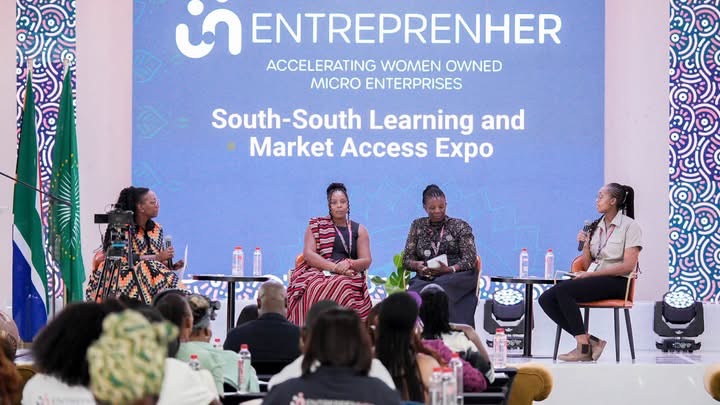
Rapholo was speaking at the EntreprenHER South-South Learning and Market Access Expo in Polokwane, where business owners from South Africa, Botswana and Namibia shared their experiences and looked for ways to take their businesses further. She said access to markets and suitable food-processing facilities remained major challenges for her business.
“The fact is that we do not have access to markets, number one. Number two, the facilities in which we process are not really up to standard with the regulations for food safety,” she said.
She said support to improve the facilities would help the business meet food-safety requirements, comply with regulations and eventually become ready to export.
Her experience reflects a challenge shared by many women running businesses across the Southern African Development Community (SADC) region. Having a product and the skills to make it does not automatically give an entrepreneur access to customers, finance, suitable facilities or larger contracts.
The three-day expo included business exhibitions, matchmaking sessions and discussions on how women entrepreneurs can access finance, find markets and grow their businesses. It also gave participants an opportunity to connect with potential buyers, funders and business partners.
Having a business is not the same as having a market
Otsile Mabeo, De Beers Botswana’s vice-president for Social Impact and Sustainability, spoke about procurement requirements that can prevent smaller businesses from supplying established companies.
He used an example of a small order for branded clothing for a Botswana delegation. The sourcing process required three quotations and suppliers to be registered on the company’s procurement system.
He questioned how entrepreneurs taking part in empowerment programmes could benefit from such opportunities when many were not registered suppliers.
“Why do you need to go and do quotes? When you do quotes now you are asked to look at companies that are registered in the system. So that means you’ve already excluded majority of people out of the system,” he said.
Nomvula Sophy Makgotlho, the Department of Small Business Development’s chief director for Gender, Youth and Persons with Disabilities, also questioned whether the opportunities offered to women were helping them build sustainable businesses.
She said women were often given small projects rather than opportunities to secure substantial contracts.
“We say we empower women whereas we give them projects, like catering for small meetings, for stationery and so on,” she said.
She also raised the need to include persons with disabilities in conversations about economic participation, saying empowerment required an entire business ecosystem, with resources reaching entrepreneurs rather than remaining commitments on paper.
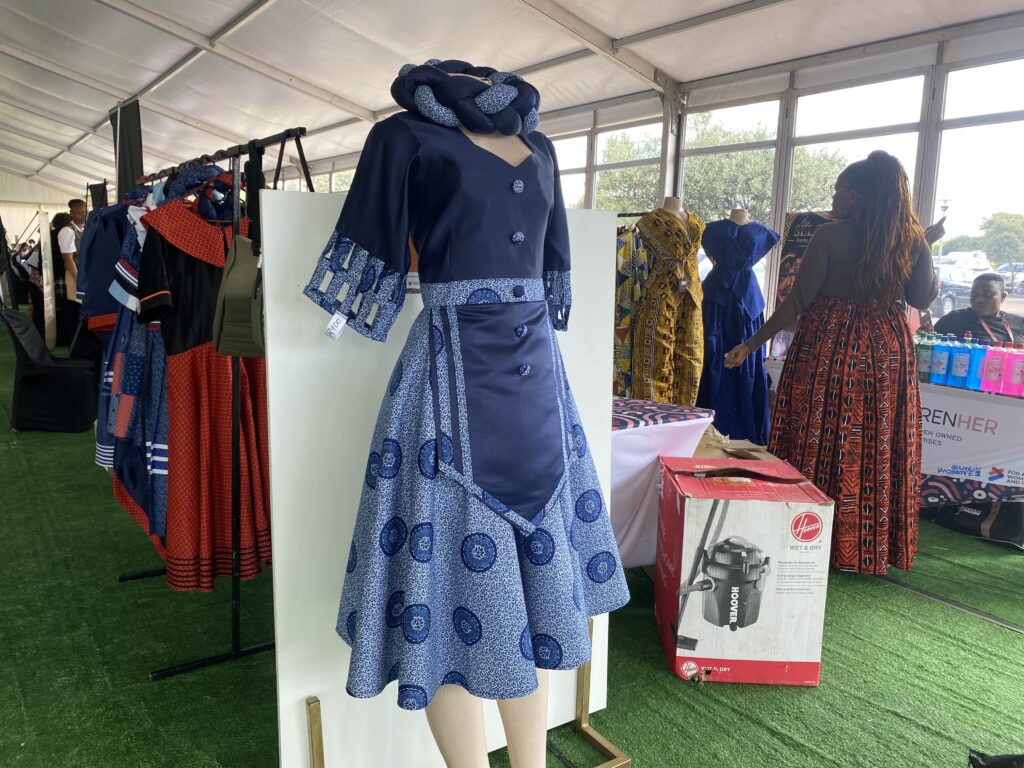
Limpopo Premier Dr Phophi Ramathuba said government should become a customer of the businesses it supports. She pointed to women who grow vegetables but struggle to supply school nutrition programmes and hospitals, as well as women who manufacture clothing but cannot access institutional buyers.
She encouraged women entrepreneurs to work together to meet larger supply volumes. She also criticised people who secure contracts without producing the goods or delivering the services themselves.
Ramathuba said the provincial government had supported 1,037 start-up entrepreneurs through the Limpopo Township and Rural Development Business Programme during the current financial year. The beneficiaries include women, young people and persons with disabilities.
She also mentioned 83 supported agribusinesses, including Lemabaka Poultry, Kachi Malala Farming and Sekhale Trading, and said she would work through the Limpopo Department of Economic Development, Environment and Tourism to seek an additional budget allocation for the next financial year.
Support must continue after training
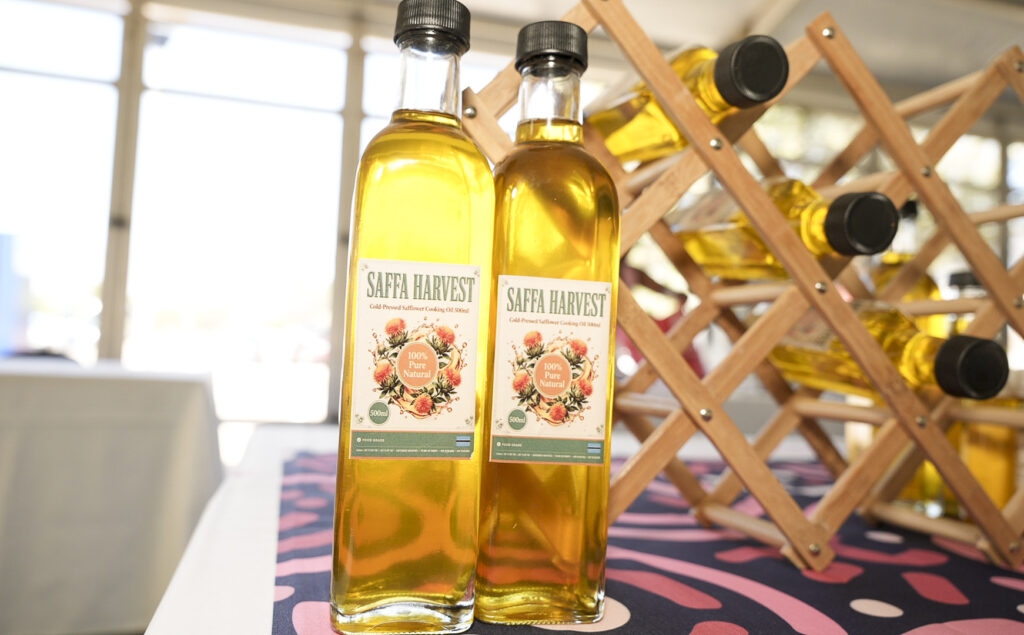
Nnyaladzi Madzikigwa from Botswana runs Saffenergy Initiative, which uses safflower to produce cooking oil, animal feed and products such as massage oil and body cream.
She said the crop’s resilience reflected the determination of the women behind the business.
“We found this crop that matches our resilience. Because if you’re a resilient crop, we are also resilient women,” she said.
In Namibia, Nerina September started her business in her living room in 2021. She makes laser art, beadwork, earrings and other handmade products. After receiving support through the programme, she moved from working at home to opening a shop.
The training helped her with bookkeeping, record-keeping and pricing, but she said customers did not always understand the time involved in making handmade products.
“Sometimes it takes a very long time to make one product. And then your clients don’t want to pay the price for your time that went in there,” she said.
Tabita Nashiko, who runs Great Guide Investment in Namibia, makes handbags and sandals from discarded leather offcuts. She taught herself how to work with the material and turned it into products for her business.
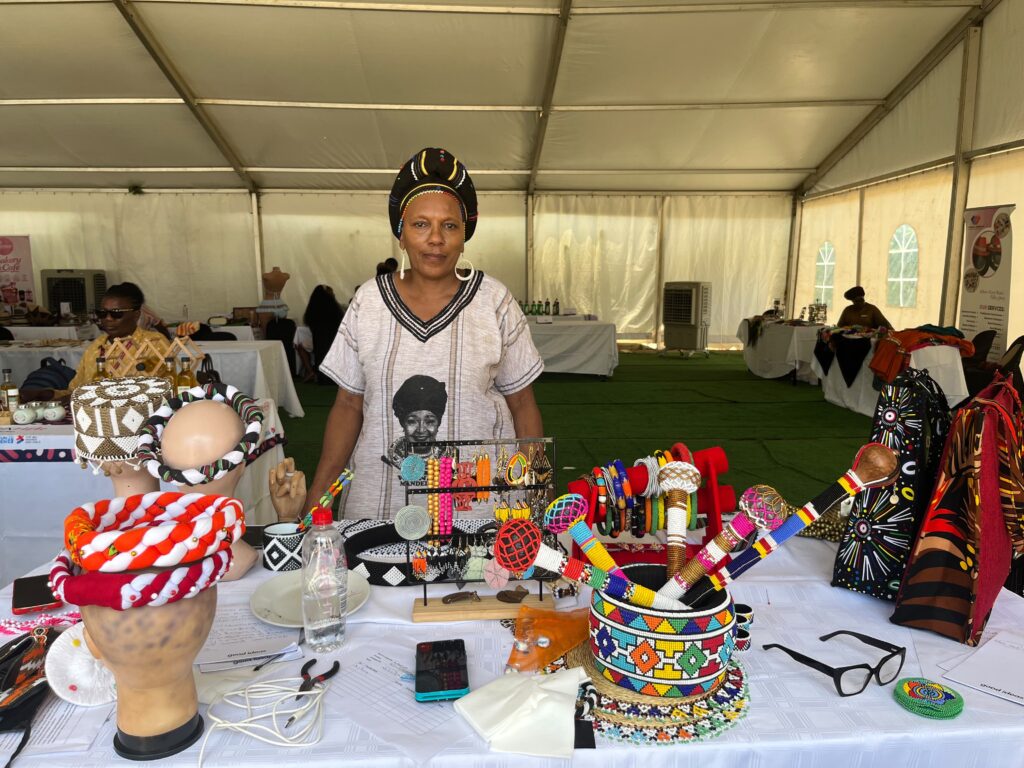
South African entrepreneur Surprise, who runs Imvelo, makes beaded necklaces, bags, traditional accessories and clothing drawing on different cultural influences. Her work also uses designs inspired by African icons, including Steve Biko and Winnie Madikizela-Mandela, to share South African history and culture with people from other countries.
Lydia Selepe runs Mohau le Molebogeng Farming and The Aaah Chillie Sauce, combining agriculture and food production.
Their businesses operate in different sectors, but their experiences point to the need for support that continues beyond training and helps entrepreneurs reach customers.
Agness Phiri, programme manager for the EntreprenHER programme at UN Women South Africa, said women-owned microbusinesses faced barriers in accessing markets and opportunities beyond the areas where they operated.
The programme provides business training, mentorship and grants, while engaging banks and other institutions to help women access finance. It also monitors businesses through a management information system that tracks income, challenges, markets and product diversification.
The programme’s alumni shared examples of how support had helped them develop their businesses.
Makgabo Moremi from South Africa said the training helped her with business planning, market research and financial management. She moved her business from a garage to a store, expanded from one product to six and secured funding twice.
Lydia Kamho from Namibia said she opened a school after receiving training. The number of children grew from 20 to 59, and she later opened a second branch.
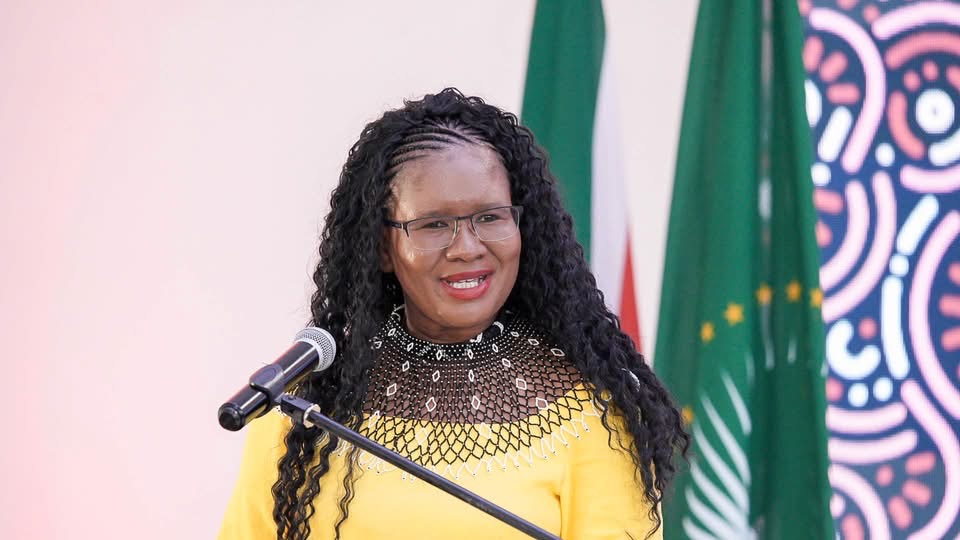
Dr Vathiswa Papu-Zamxaka, Tshwane University of Technology’s deputy vice-chancellor for Research, Innovation and Engagement, said universities had a responsibility to help address societal challenges, including the exclusion of women from economic participation.
“Universities are not monuments of elites. Universities exist to solve societal challenges,” she said.
She said universities had three equally important responsibilities: teaching and learning, research and innovation, and community engagement.
Through their centres for entrepreneurship development, universities can help women business owners develop business acumen, understand their finances and manage their businesses, rather than relying only on their technical skills.
But she said support should also extend to finance, digital transformation, markets and connections with potential investors.
She explained that TUT works with other sectors to make these opportunities possible, including industry, government and organisations such as UN Women.
The university also has an artificial intelligence hub and a research chair in AI and machine learning, which she said could assist small businesses with emerging technologies and digital platforms to improve their production and marketing competitiveness.
Papu-Zamxaka encouraged women who had attended previous programmes but were still struggling to see results to use the networks they had built.
She said entrepreneurs should reach out to people they met, including government and private sector representatives, but also work among themselves.
UN Women South Africa representative Aleta Miller said women started businesses at rates comparable to men but faced greater barriers as they tried to grow them.
She called on corporate buyers to consider women-owned businesses when sourcing suppliers and said market access, finance, policy support and regional cooperation were necessary to strengthen women’s participation in the economy.
The EntreprenHER programme was launched in 2018 by UN Women and De Beers Group. It supports women-owned businesses in Botswana, Namibia and South Africa through training, mentorship and market links.
The expo was convened by UN Women South Africa and Tshwane University of Technology’s Centre for Entrepreneurship Development, with support from De Beers Group and in partnership with Park Inn by Radisson.-news@mukurukuru.co.za

Be First to Comment