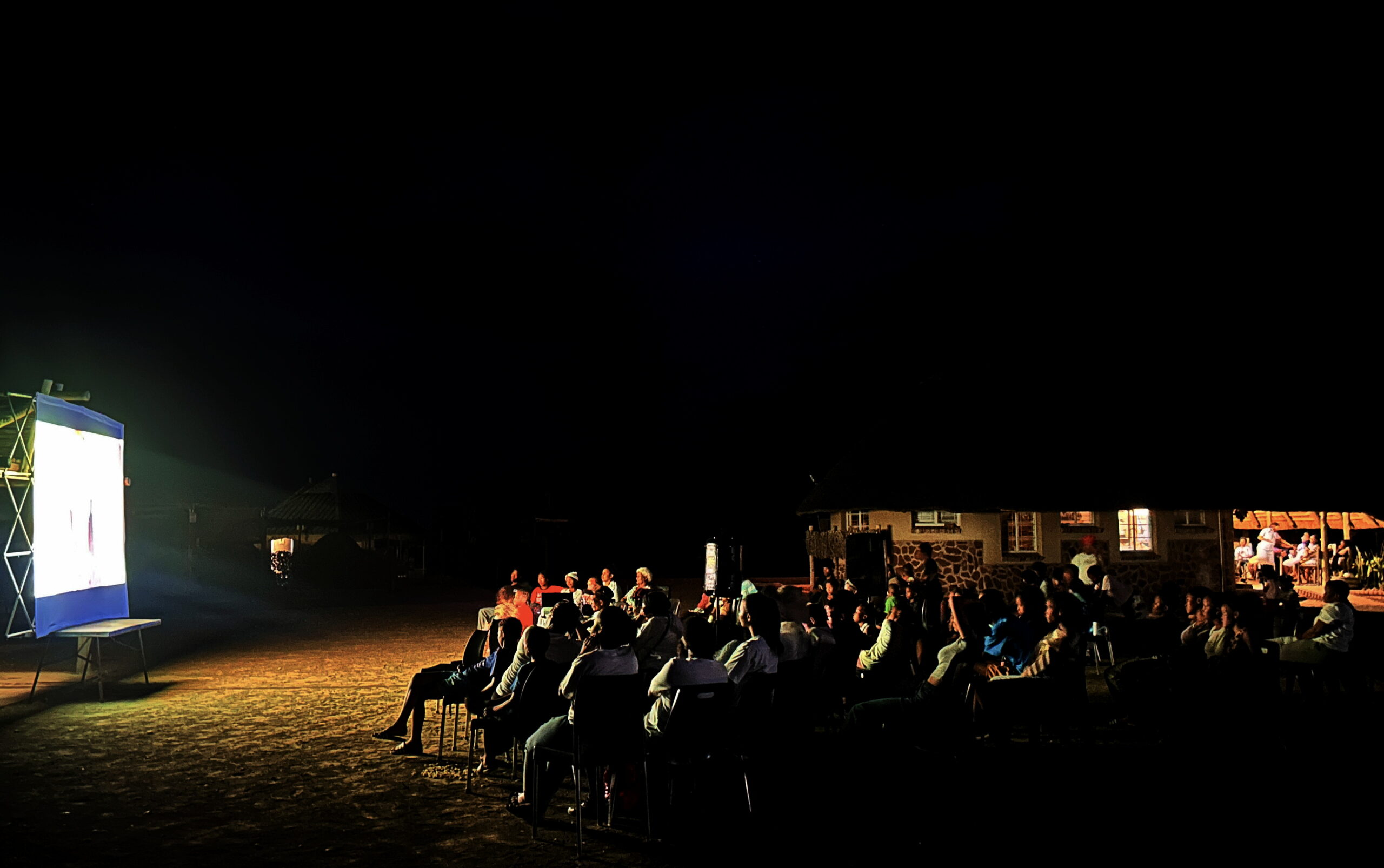
From screening films beneath the vast Kalahari skies to training a new generation of filmmakers, the Africa Human Rights Film Festival is turning a region often defined by its remoteness into a space for storytelling, critical dialogue and creative opportunity.
The Kalahari is often portrayed as an archetype of marginilisation. A vast, arid landscape where economic opportunities are limited, communities are geographically isolated, and residents must travel considerable distances to access cultural and creative experiences.
But for one week in October, the familiar narrative gave way to a different story. Against a backdrop of red sand dunes and expansive skies, Rietfontein became a meeting place for filmmakers, audiences, industry professionals and emerging storytellers as the ninth edition of the Africa Human Rights Film Festival (AHRFF) brought cinema and critical debate to the heart of the Kalahari. A satellite screening in Andriesvale extended the festival’s reach into neighbouring communities.
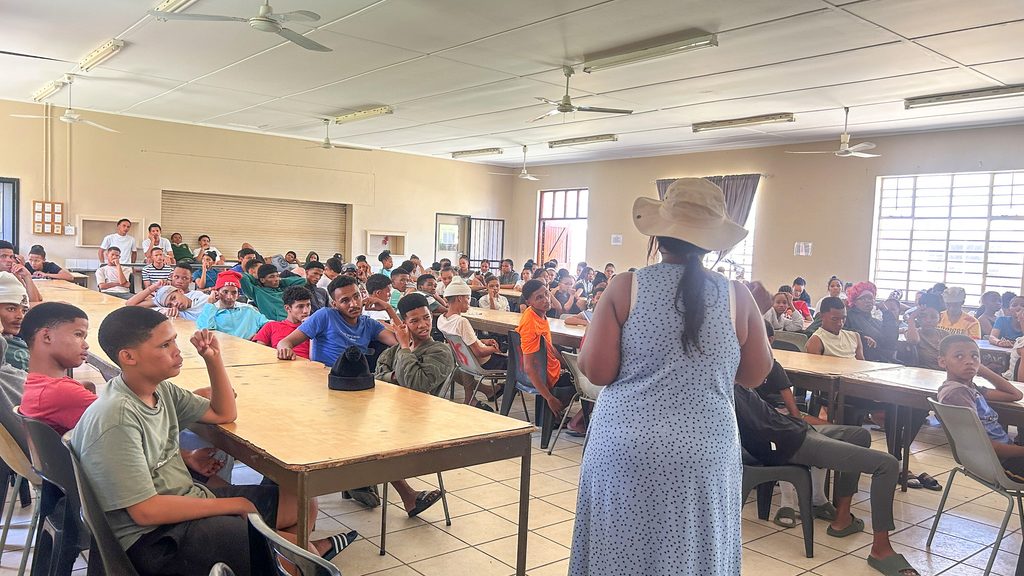
Held from 12 to 18 October 2026, the festival attracted at least 600 residents, demonstrating the appetite for cultural experiences in rural communities often overlooked by mainstream entertainment and the traditional film festival circuit.
For Festival Director Davison Mudzingwa, the turnout reflects years of deliberate work to cultivate a culture of film appreciation in a region where access to cinema and film education remains limited.
“This is one of the reasons why we have been cultivating the culture of film consumption in a place that few would think of. The audience is genuine and appreciates interventions like these, as they break the routine,” says Mudzingwa.
Situated approximately 200 kilometres from Upington, near the borders of Namibia and Botswana, the communities that hosted the festival experience the realities of geographic isolation and a constrained local economy. Temperatures can soar above 40 degrees Celsius, while opportunities for sustained economic activity remain limited.
Yet, during the festival, the movement of visitors and the activity surrounding the programme offered a glimpse of what cultural events can mean for local economies.
Retailers, tourism operators and service providers benefited from the increased activity, reinforcing the festival’s role as more than a platform for film exhibition.
“It is more than entertainment. The festival brings a multiplier effect to the region. It creates jobs and increases turnover for the local businesses,” Mudzingwa adds.
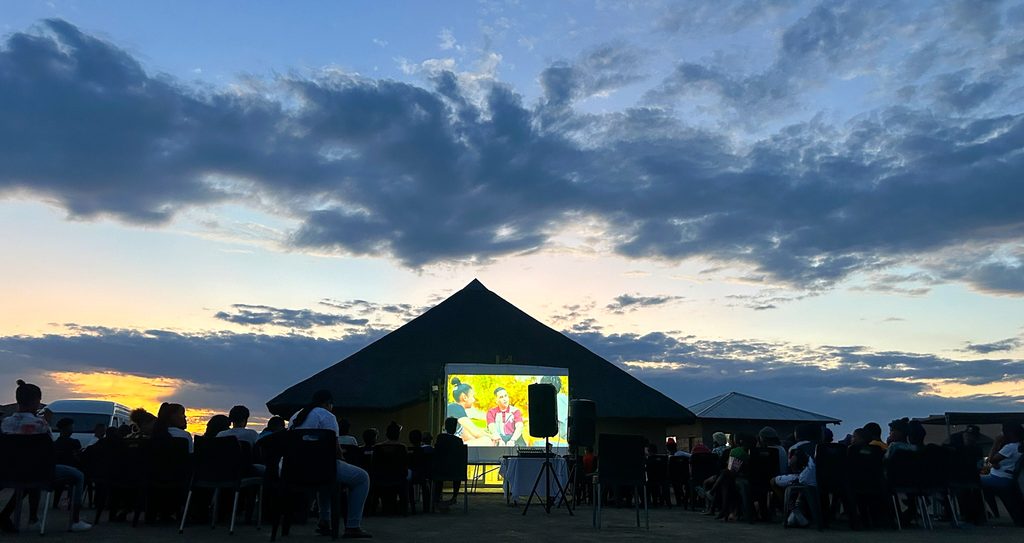
When cinema becomes a catalyst for change
At the heart of the 2026 festival was the theme Setting the Discourse, a call to restore the culture of questioning, debating and critically engaging with the issues shaping society. The programme brought together films exploring memory, land, food sovereignty, migration, identity, ageing, apartheid history and the experiences of communities confronting injustice.
Through screenings, panel discussions, masterclasses and networking sessions, audiences were invited to engage with stories that challenged assumptions and opened up conversations about the past and present. Among the featured productions was Dear Sikhonkwane, directed by Sihle Hlope, an intimate portrait of one of the first SiSwati authors.
Having written, co-written and edited more than 40 books in less than two decades, Sikhonkwane’s story highlights the power of indigenous languages and the enduring significance of literary heritage. The feature-length documentary Hearts Remember explored dementia and ageing in contemporary South Africa through the experiences of five families, including the previously untold story of iconic football coach Clive Barker.
The film brought together the perspectives of people living with dementia, their families, community leaders and experts. Food sovereignty and the rights of smallholder farmers came into focus through SEED IS LIFE, directed by Deidre May.
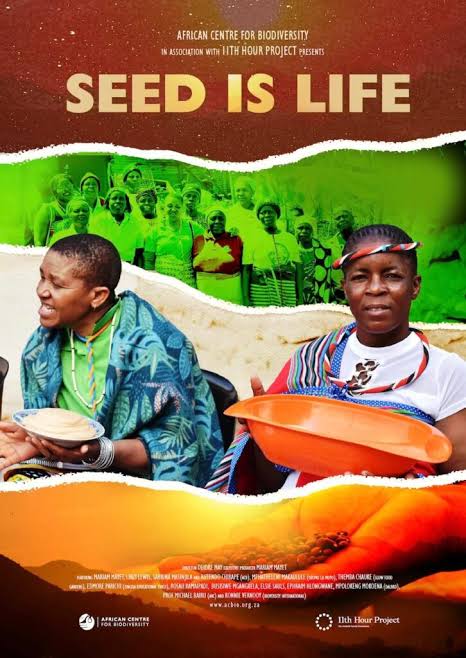
The film examined mounting pressures on farmer-managed seed systems and followed communities in South Africa and Zimbabwe working to protect and revive indigenous seeds. As South Africa approaches the 50th anniversary of the 1976 Soweto uprising, Christopher Truter, A Child of 1976, directed by Deidré Jantjies, revisited the story of Christopher Truter, a young Cape Town resident killed by police in August 1976.
The film followed his niece, Carmelita Truter, in her quest to secure recognition for an unsung victim of the apartheid era. Questions of land, dispossession and property rights also featured prominently. A Piece of Ground, directed by Sesihle Manzini, examined the country’s history of land dispossession, slavery and forced removals, while Stolen Ground: The Tygerberg Raceway Story, directed by Joe Emilio, investigated the occupation of the historic Tygerberg Raceway and the tensions surrounding land invasions and property rights.
Together, these films demonstrated the capacity of cinema to bring complex social questions into community spaces, encouraging audiences to reflect on issues that shape their own lives and the broader South African experience.
From audiences to storytellers
For AHRFF, however, success is not measured by attendance alone. An equally important objective is ensuring that communities historically excluded from the film industry have the skills and opportunities to tell their own stories.
15 young people from the region participated in a three week filmmaking training led by experienced industry practitioners, including Hein Ungerer and filmmaker Newton Basson. The programme combined practical instruction with hands-on production, culminating in the creation of four short documentaries.
For Jayzean Cloete, one of the participating trainees, the experience offered something beyond technical filmmaking skills: the confidence to recognise his own potential.
“I have gained confidence in my capabilities as an emerging filmmaker through this training, and I realise that I am capable,” says Cloete.
His reflection captures an important dimension of rural creative development. Access to training does not simply equip young people with technical competencies; it can also help them recognise that their voices, experiences and perspectives have a place in an industry where opportunities are often concentrated in major urban centres.
The festival also created opportunities for emerging filmmakers to engage directly with industry institutions. National Film and Video Foundation (NFVF) officials Leron Adonis and Tsietsi Themane led two panel discussions focused on funding opportunities available to emerging filmmakers.
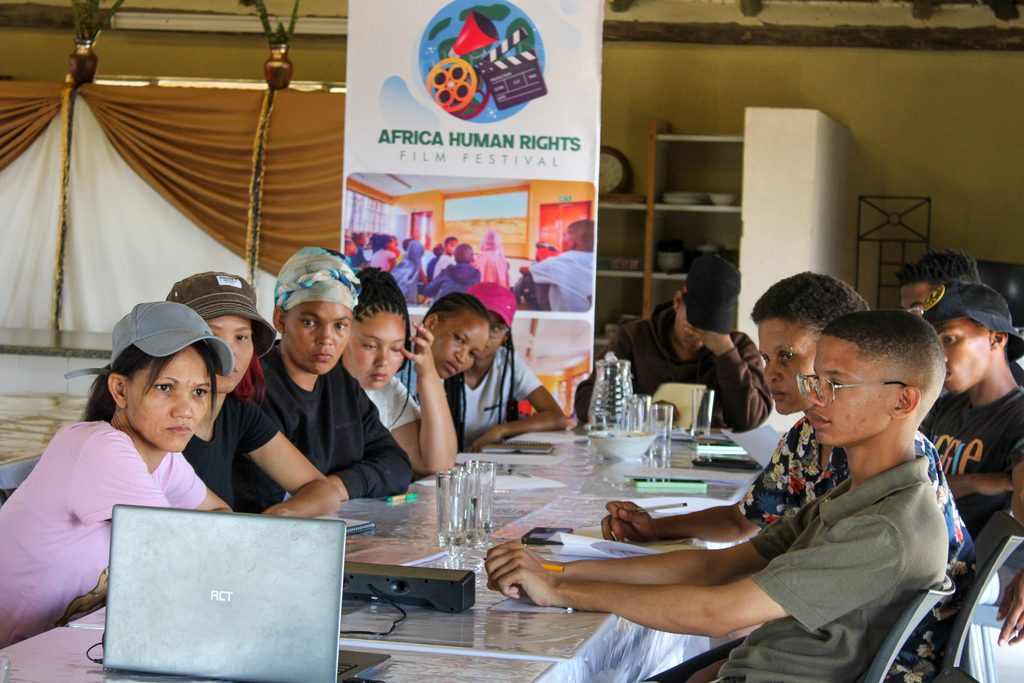
These engagements connected aspiring practitioners with information about industry support mechanisms, helping to bridge the gap between local talent and the structures needed to build sustainable filmmaking careers.
The screening programme further reinforced this commitment by featuring four films made by young people from the Kalahari.
Exploring themes including identity and gender-based violence, the films reflected the realities of the communities from which their creators emerged. Among them was a courageous, personal coming-of-age documentary by Joy Baardman.
Their inclusion in the festival was more than a showcase of emerging talent. It represented a deliberate effort to create pathways through which local filmmakers can move from training and experimentation towards wider industry participation.
Building a film ecosystem in the Kalahari
Launched in 2018, the Africa Human Rights Film Festival has pursued a vision that extends beyond hosting an annual cultural event. Its work combines film exhibition, education, practical training and industry engagement to help establish the foundations of a sustainable film ecosystem in the Kalahari.
The approach recognises that meaningful participation in the creative economy requires more than occasional access to screenings. It demands opportunities to acquire skills, develop original work, connect with industry professionals and access the resources needed to bring stories to audiences.
For communities whose histories and experiences are frequently told by outsiders, developing local filmmaking capacity also presents an opportunity to reclaim narrative agency.
“A lot has been said about the marginalisation of the Kalahari. We believe the film ecosystem is beginning to show signs of growth following years of skills development and film exhibition. There is evidence that, with proper support and resourcing, marginalised communities can compete equally with peers elsewhere in the world, and their unique stories are the currency,” says Mudzingwa.
This vision positions the Kalahari not merely as a destination for cultural programming, but as a potential source of original African stories, creative talent and locally rooted knowledge. By exposing audiences to films from South Africa and beyond while supporting emerging filmmakers to produce their own work, AHRFF is seeking to build a relationship between film consumption and film production.
The intention is to nurture an environment in which communities are not simply audiences for stories made elsewhere, but active contributors to the country’s creative industries. The 2026 edition continued this approach by bringing screenings together with practical training, masterclasses, dialogue and networking. In doing so, the festival created space for cinema to function simultaneously as entertainment, education and a platform for civic engagement.
A different future for rural cinema
The significance of the festival lies in the possibility it represents: that geography need not determine access to culture, that rural young people can develop the skills to participate in professional creative industries, and that cultural events can contribute to local economic activity while strengthening community identity.
The 600 residents who attended the festival, the 15 young people who received filmmaking training and the four short documentaries produced during the programme are tangible indicators of what sustained investment in rural cultural infrastructure can begin to achieve.
Challenges remain. Building a lasting film ecosystem will require continued investment in skills development, equipment, production opportunities, distribution networks and partnerships with industry institutions. A week of screenings cannot, on its own, resolve the structural barriers facing rural communities.
But the festival offers a compelling starting point: a model that brings audiences, filmmakers, institutions and communities together around the power of storytelling.
In the Kalahari, where the landscape is often associated with distance and isolation, cinema is creating new connections between generations, between local experiences and national conversations, and between emerging talent and an industry that has historically been difficult to access.
For a region too often defined by what it lacks, the Africa Human Rights Film Festival is helping foreground what it has to offer: stories worth telling, young people worth investing in, and a cultural heritage capable of speaking to audiences far beyond the sand dunes.
*The Africa Human Rights Film Festival – Kalahari 2026 was supported by the National Film and Video Foundation (NFVF) and the Presidential Employment Stimulus Programme (PESP).
Watch the festival trailer: https://youtu.be/g–zBMmgNr4

Be First to Comment