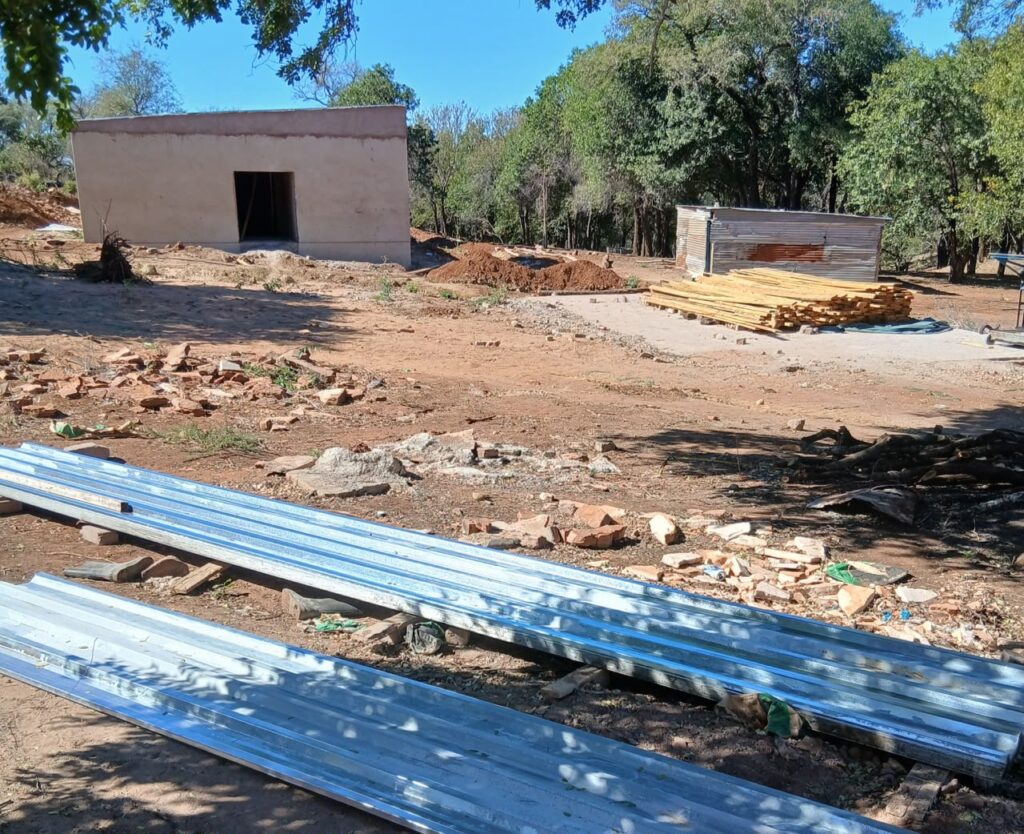
Vhalinavho Robert Mbambale, founder of Govha-Benzi Lodge & Resort, wants to establish a tourism development in Musunda Village, Ha-Makuya, in the Vhembe District. The proposed project draws on Venda heritage and the area’s natural attractions, including its proximity to Makuya Nature Reserve and the Kruger National Park.
Mbambale says the development requires R184 million in funding. He believes the area has significant tourism potential but says he has not received the assistance he sought from the premier’s office.
“We don’t lose hope that one day someone will realise the impact Govha-Benzi can make as far as job creation is concerned,” he said.
Mbambale hopes the outcomes of the recent Limpopo Investment Conference will translate into practical benefit for businesses like his.
Limpopo Premier Dr Phophi Ramathuba said this year’s conference attracted investment pledges amounting to R138.43 billion.
Ramathuba said this is a significant commitment to the economic potential of Limpopo and an increase on the pledges recorded at the previous conference, but cautioned that “the true value of investment lies in its implementation.”
“We cannot afford to celebrate pledges year after year without seeing a corresponding change in the lives of our people. Our responsibility is to ensure that the commitments made here translate into real economic activity, expanded production, new enterprises and sustainable employment,” Ramathuba said.
The Limpopo provincial government announced pledges of more than R452 billion in investment since it established the Limpopo Investment Conference in 2021.
However only R71.058 billion had translated into investment by the end of 2025, according to figures released by the Presidency.
The province’s official unemployment rate stood at 32% in the second quarter of 2026, while the expanded rate was 46.7%, highlighting the challenge of turning investment commitments into jobs and economic opportunities for residents.
The figures raise questions about who stands to benefit from the province’s investment ambitions, particularly in rural communities where access to funding, infrastructure and business opportunities remains important to economic development.
The concerns extend beyond whether investors are willing to commit money to Limpopo. They also involve whether projects can proceed, whether traditional leaders and communities are included in decisions affecting their areas, and whether local businesses can participate in the resulting economic activity.
Before the sixth Limpopo Investment Conference, Premier Phophi Ramathuba raised concerns that traditional leaders had stopped some economic projects linked to investment pledges. Her remarks brought attention to the relationship between government, investors and traditional authorities in a province where traditional leadership plays a significant role in rural communities.
At least 85% of Limpopo falls under the administration of traditional leaders. Ramathuba said the provincial government has a healthy relationship with traditional leaders, and engages them through the House of Traditional Leaders.
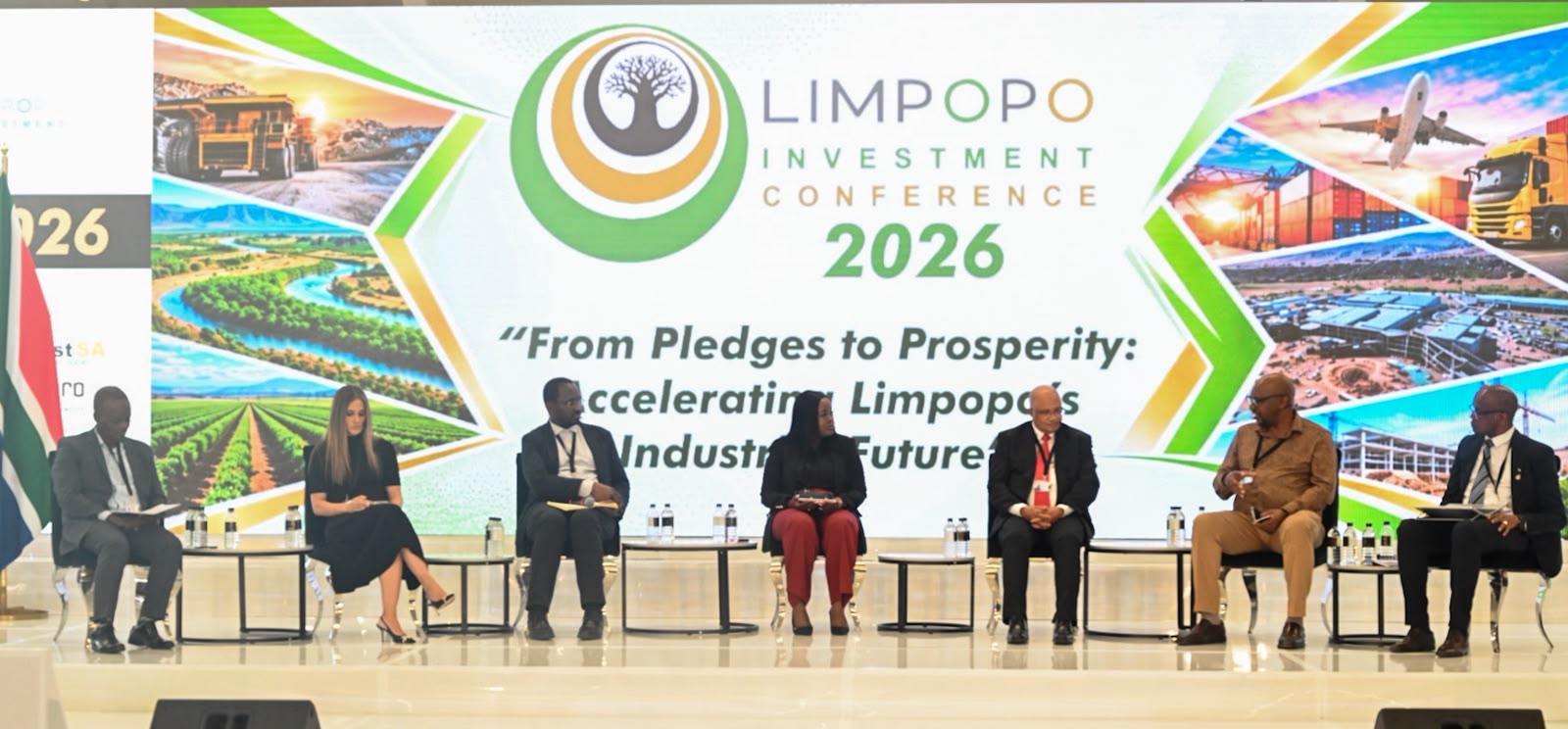
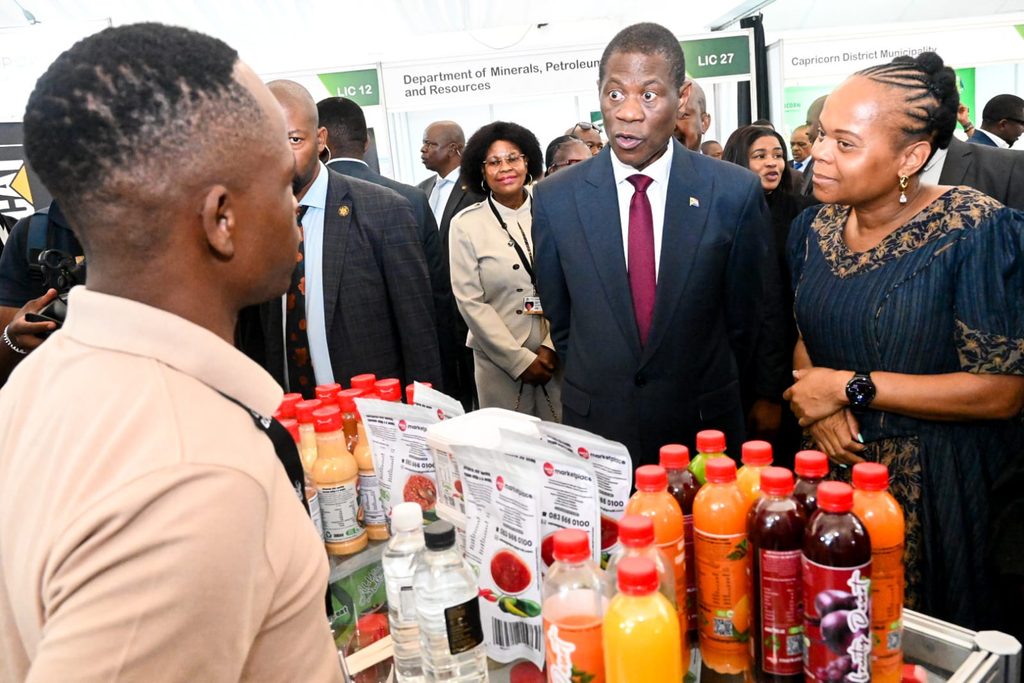
At the conference, held at The Ranch Hotel in Polokwane on Thursday, Deputy President Paul Mashatile said the success of the investment programme should be measured by what projects deliver rather than the value of announcements.
“The real measure of our success, however, will not be the value of investments announced today. It will be our ability to ensure that these investments become operational projects, thriving businesses and sustainable jobs,” he said.
Of the R452.38 billion pledged between 2021 and 2025, R71.058 billion had been realised, contributing to 23,968 jobs, according to the Presidency. Limpopo is seeking more than R120 billion in new investment commitments this year, with mining beneficiation, agriculture, agro-processing, manufacturing, renewable energy, automotive industries and digital technology among its priority sectors.
The province’s challenge is to move more projects from commitments to implementation while ensuring that their economic benefits reach beyond the companies receiving the investment.
Rural businesses need more than investment announcements
The question of who benefits from investment is also important for rural entrepreneurs who want to develop businesses but struggle to secure funding.
“The R138 billion pledge is good, but the problem is whether the right businesses will get their shares. We need R184 million. The question is, will we get it?” asked Mbambale.
Mbambale believes the proposed development could attract visitors to the area and create employment while supporting other local businesses. A functioning tourism operation can generate demand for food suppliers, transport operators, guides, maintenance services and other enterprises.
However, the project still needs the capital required to move forward. His experience illustrates the difference between identifying a business opportunity and obtaining the financial support needed to establish it.
For the province’s investment programme to benefit rural communities, smaller projects must also be considered alongside large industrial developments. This includes helping viable businesses identify suitable funding, navigate regulatory requirements and access opportunities to supply goods and services.
Smalle calls for better services and broader economic participation
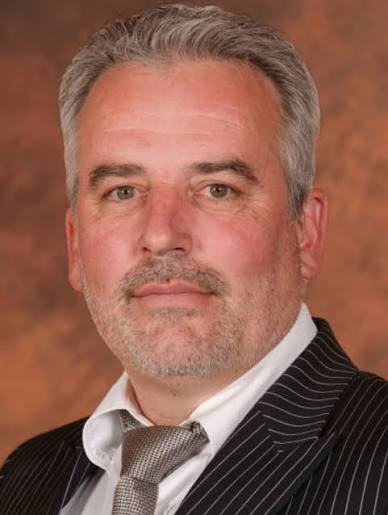
Democratic Alliance Limpopo leader Jacques Smalle welcomed investment in sectors such as agriculture, mining and tourism but argued that investment commitments alone would not resolve the province’s economic problems.
Smalle said the province needs to address weak economic growth and the conditions that make it difficult for businesses to operate, expand and employ more people.
“Investment pledges are not jobs, and announcements are not economic growth,” he said.
Smalle argued that the province’s economic performance is not creating enough opportunities for residents and linked the lack of prospects to outward migration, particularly to Gauteng, where people seek employment and better economic opportunities.
He identified deteriorating roads, unreliable water and electricity supplies, poorly managed municipal finances and excessive bureaucracy as barriers to business development. In his view, investors need functioning infrastructure and municipalities capable of delivering basic services if they are to establish operations and expand their businesses.
These concerns affect businesses of different sizes. Unreliable electricity and water can interrupt production, while poor roads increase the cost of transporting goods and reaching customers. Municipal financial and administrative problems can also affect service delivery and create uncertainty for companies considering new projects.
Smalle called for more competent government, improved basic services, maintained infrastructure, sound municipal finances and fewer bureaucratic obstacles.
Infrastructure and implementation remain central
Mashatile also identified reliable energy, water, transport, logistics and digital connectivity as essential to attracting investors and supporting economic development.
He called for more local processing of mineral resources and agricultural products instead of relying on the export of raw materials alone. Expanding beneficiation and agro-processing could create additional activity in manufacturing, packaging, storage and distribution, opening opportunities for businesses beyond the primary industries.
For these benefits to reach local communities, however, smaller suppliers need to be equipped to meet the needs of incoming projects. That means access to finance, relevant skills, procurement information and reliable infrastructure.
The InvestSA One Stop Shop Limpopo is intended to help investors navigate government services and regulatory processes. Its effectiveness will depend on whether it can help resolve delays, coordinate approvals and make it easier for projects to move from planning to operation.
Skills development is another part of the process. New industries will need workers with the appropriate training, while local enterprises need the capacity to supply goods and services. Connecting training programmes to the requirements of actual projects can help residents access employment opportunities as developments progress. – news@mukurukuru.co.za

Be First to Comment