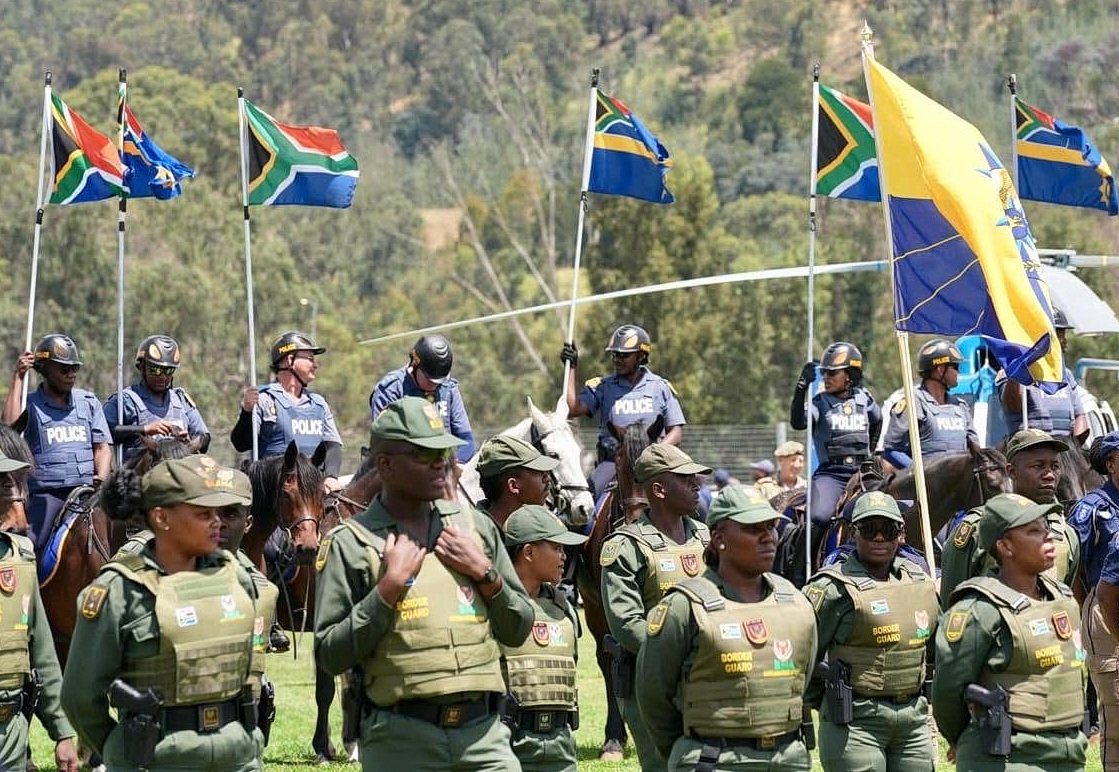
Parliament’s Home Affairs Portfolio Committee has asked the Department of Home Affairs to produce a broader operational plan to implement the Constitutional Court’s asylum ruling.
This comes after the withdrawal of directives that left refugee reception offices struggling to cope with applications.
In a media statement issued on Saturday, 10 October, the committee welcomed the withdrawal and resolved to convene an urgent, in-person meeting to examine how to implement the judgment.
The committee directed Home Affairs, led by its director-general, to evaluate and provide a broader operational plan. It also called for detailed information about the capacity of refugee reception offices and the Refugee Appeals Authority of South Africa (RAASA), including asylum and appeals caseloads, staffing constraints and other operational challenges.
The meeting is expected to include the Ministers of Home Affairs and Employment and Labour, relevant parliamentary committees, the department’s immigration branch, the Border Management Authority (BMA) and RAASA. The committee will also consider an oversight visit to refugee reception centres and allow civil society organisations to make submissions.
The new developments shift attention to how the department will manage asylum applications while it prepares a revised approach, and whether Cabinet will move faster on proposed changes to migration legislation.
Home Affairs must explain what happens next
The department withdrew its directives on Friday after the implementation of the measures exposed pressure on refugee reception offices.
Home Affairs had introduced the directives following the Constitutional Court’s July judgment in the case involving the Scalabrini Centre of Cape Town. The department subsequently acknowledged that the operational demands had become clearer only after the measures were put into practice.
Home Affairs Minister Leon Schreiber said the department had initially struggled to predict the number of people who would seek to use the process.
“I think we can all agree that we were trying to model what would happen in reality, but none of us actually understood the volume until we could actually point to the facts,” Schreiber said.
He added: “The truth of where we are now is that we now have facts which demonstrate the inability for us to fully do this right now in the way that initially was contemplated.”
The department said the directive had been an operational measure and that its withdrawal followed concerns about the pressure on officials and public safety. It also said the directive had been introduced without the knowledge of the minister or political office-bearers.
Home Affairs has indicated that it will develop a new operational approach. However, the latest parliamentary statement does not give a deadline for the plan or explain precisely what instructions refugee reception offices are following in the meantime.
The committee’s demand for information on staffing, caseloads and institutional capacity means the department will have to account for the practical challenges affecting the asylum system.
The committee also raised concerns about asylum applicants who may be sought for prosecution in their countries of origin. It reiterated a concern about an individual serving both on the immigration board that advises the minister and at the Scalabrini Centre.
Migration legislation faces renewed pressure
The committee has also called on Cabinet to accelerate work on legislation covering citizenship, immigration and refugees.
Committee chairperson Mosa Chabane said South Africans’ concerns about migration were legitimate but stressed that the government’s response must remain within the Constitution.
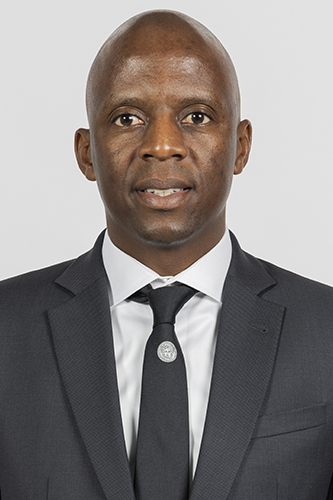
The committee said it has initiated a review of migration laws during the sixth administration, which led to recommendations being carried out by then Home Affairs Minister Aaron Motsoaledi.
“It is time that Cabinet must demonstrate urgency on their part and speed up the draft bill to allow South Africans an opportunity to contribute to determining the path the country must take,” Chabane said.
He said the committee wanted a proper account of the legislative process and clear timeframes for when the draft bill would reach Parliament.
The call comes amid public concerns about migration enforcement, access to jobs and competition in local trading spaces. However, the committee’s statement does not set out a date for the draft bill’s submission, leaving the timing of the next legislative steps unresolved.
The planned meeting is expected to provide an opportunity for government departments to explain how they intend to implement the court judgment while addressing the administrative problems identified by Home Affairs.
Court ruling does not grant automatic refugee status
The Constitutional Court judgment remains in effect despite the withdrawal of the directives.
The July ruling in the Scalabrini Centre matter addressed provisions of the Refugees Act that could prevent people from accessing the asylum process on procedural grounds before their claims had been assessed.
The committee stressed that the judgment does not mean a person automatically acquires refugee status simply by expressing an intention to seek asylum. Applicants must still go through the prescribed process to determine whether they qualify.
The distinction is important because access to the asylum process does not mean every applicant will be recognised as a refugee or automatically receive permanent residence.
The challenge facing Home Affairs is to establish an operational process that complies with the judgment while enabling officials to handle applications and appeals within the department’s available capacity.
Ramaphosa says judgment must be assessed
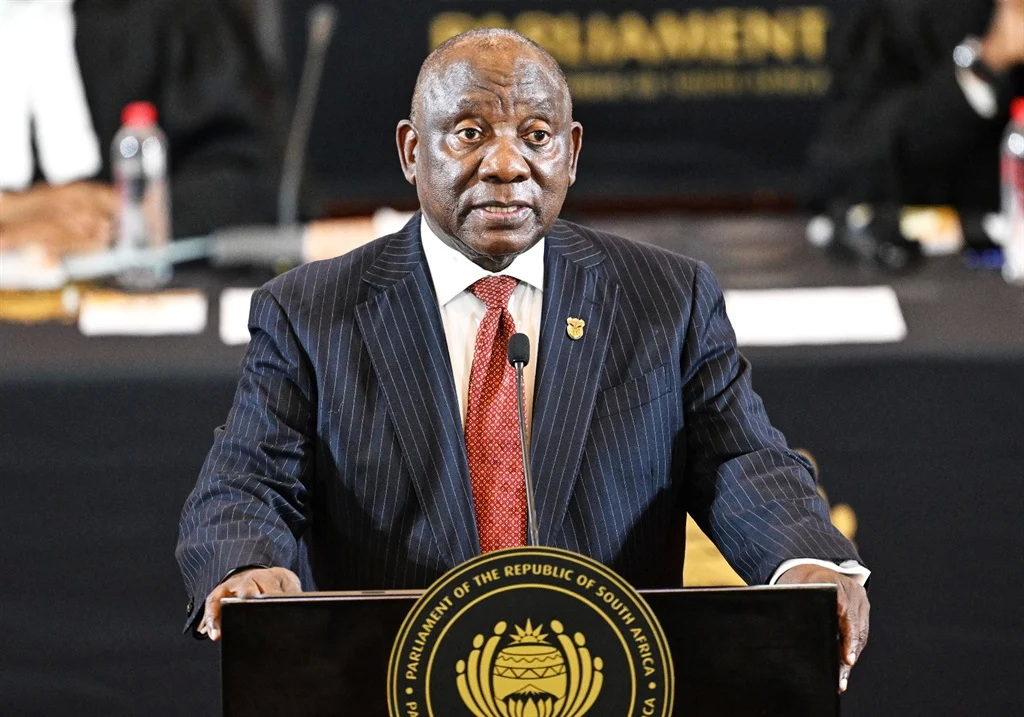
President Cyril Ramaphosa has also responded to the controversy surrounding the directive and the unrest that followed.
Ramaphosa expressed regret over the violence in Soweto and Durban and said the judgment needed to be assessed, including whether the department had moved too quickly in implementing it.
He said the withdrawal should not be interpreted as contempt of court and maintained that the rule of law had to be respected.
The withdrawal came after protests in Soweto and Durban on Thursday, 8 October, during which demonstrators raised concerns about immigration, crime, unemployment and access to economic opportunities.
In Soweto, protesters gathered in Orlando, where vehicles were burned, and foreign-owned shops were looted. At least 10 vehicles were reported burned along Khumalo Street.
In Durban, protesters torched vehicles, looted shops and damaged buildings and government infrastructure, leading to the closure of Anton Lembede Street.
The unrest resulted in damage to property and renewed scrutiny of how migration concerns are being addressed by government.
Gauteng Premier Panyaza Lesufi said authorities had recorded 13 cases linked to the unrest, including nine cases of malicious damage to property, three of common assault and one of public violence.
Lesufi welcomed the withdrawal, saying it provided an opportunity to address the problems surrounding implementation without undermining the Constitutional Court judgment.
Local businesses caught in migration tensions
The protests also highlighted tensions around foreign-owned businesses and the difficulties faced by South Africans trying to establish their own small enterprises.
During a demonstration outside the Home Affairs office in Marabastad, Pretoria, on Friday, resident Given Manganyi pointed to foreign-owned shops in his area and said he wanted an opportunity to establish his own business.
“I want to open my own spaza shop. The government is giving these alleged asylum-seekers permission to also trade,” Manganyi said.
His comments reflected concerns about access to trading opportunities, although asylum status and permission to operate a business are separate legal questions.
Johannesburg Mayor Dada Morero has previously said the city introduced a spaza shop grant programme in the previous year. Just over 150 applications had been approved, while about 40 businesses had received grants.
The programme is one of the measures aimed at supporting local traders, but the figures also raise questions about how much assistance reaches small businesses seeking to enter or remain in the market.
For township businesses, the debate extends beyond immigration policy to the cost of operating, access to finance, compliance requirements and competition for customers. The unrest itself also carries economic consequences when shops close, property is damaged, and trading is disrupted.
The concerns raised by residents need to be addressed through clear policy and support for businesses, while distinguishing between lawful traders and individuals who may have breached immigration or other laws.
Government faces questions over implementation
The Department of Home Affairs now faces two related tasks: developing a workable process for asylum applications and explaining how it will implement the Constitutional Court judgment without repeating the capacity problems that emerged under the withdrawn directives.
The parliamentary committee wants detailed information about the operational capacity of refugee reception offices and RAASA, while also pressing Cabinet to speed up migration legislation.
The government has previously discussed relocating refugee reception centres closer to border areas in phases from December 2026. The proposal is intended to process applications closer to points of entry, but officials have not yet explained how that plan will fit into the revised operational approach following the withdrawal.
Other measures discussed by the government have included strengthening processing capacity, improving identity verification and biometric screening, and speeding up decisions on asylum applications.
The timing and practical details of these measures remain important unanswered questions.
The committee’s planned meeting, the operational plan from Home Affairs and Cabinet’s response to the call for faster legislation will determine what happens next.
For now, the directive has been withdrawn, but the court judgment remains in place. The immediate test for government is how it will turn that legal obligation into a workable process for asylum applicants, reception-centre staff and the communities affected by the wider migration debate. – news@mukurukuru.co.za

Be First to Comment