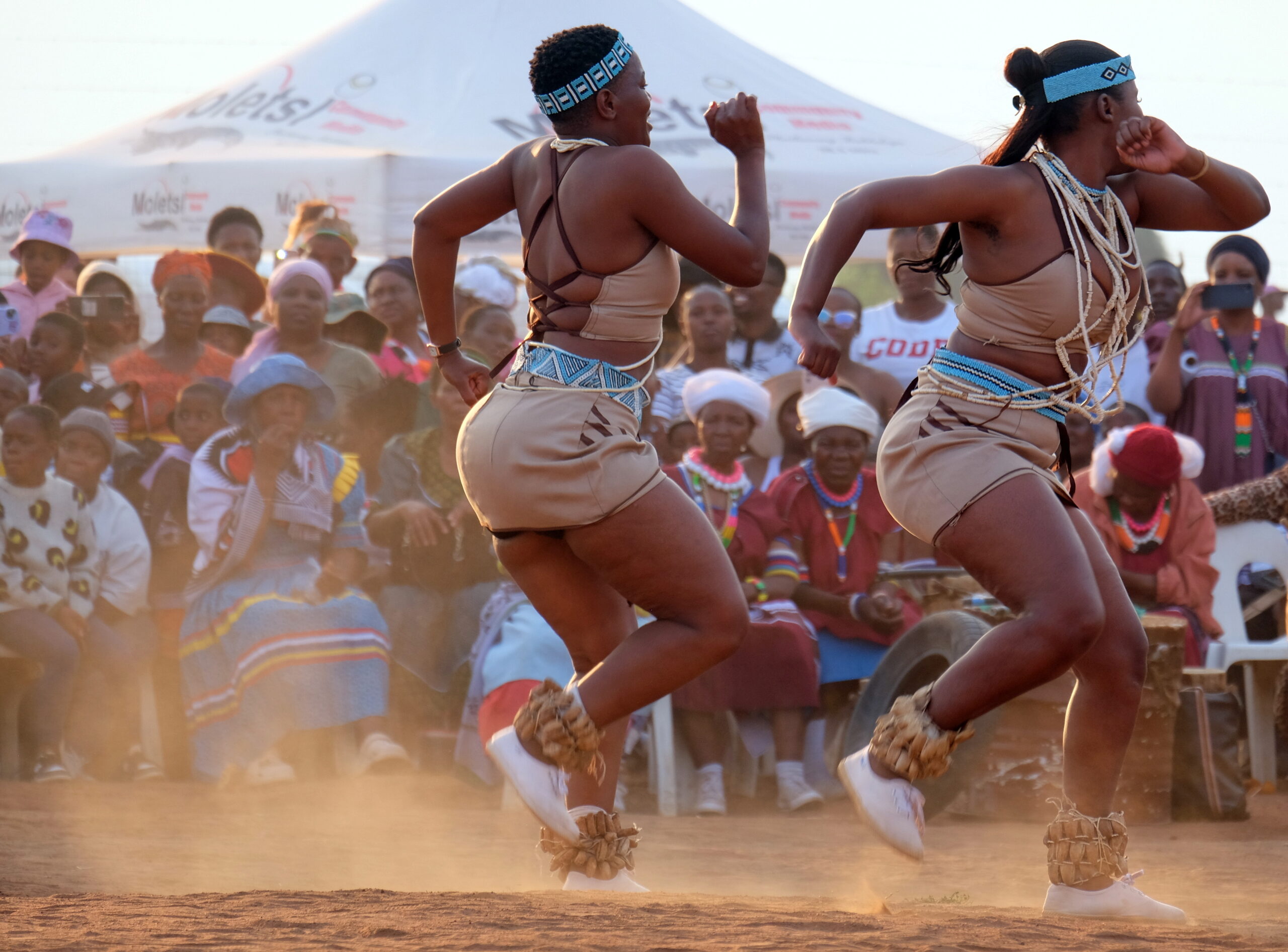
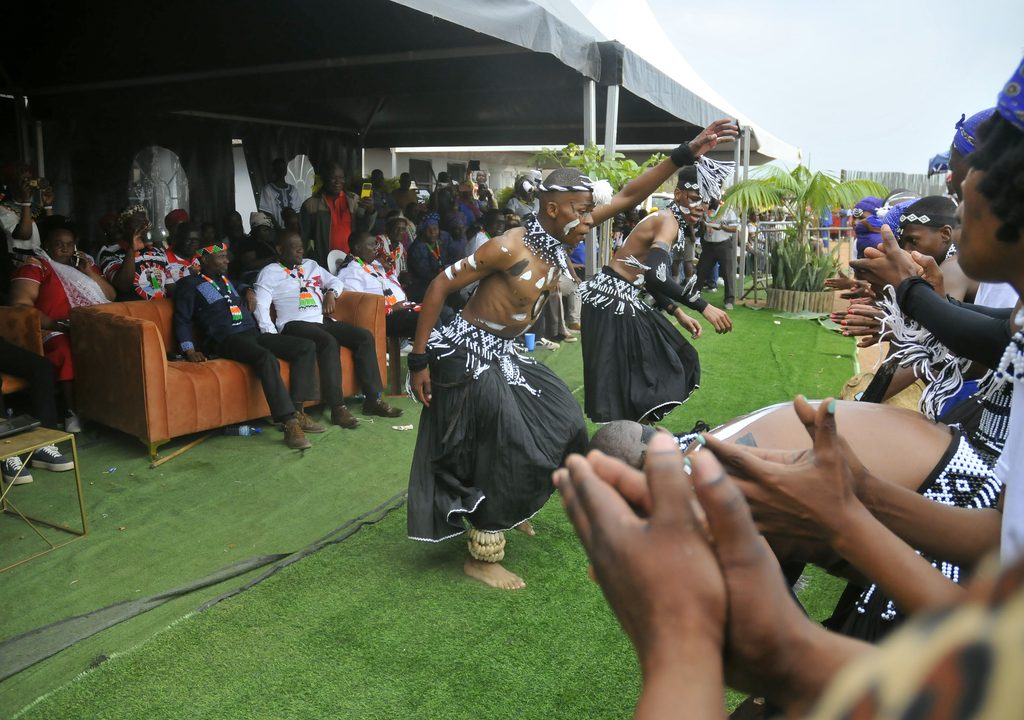
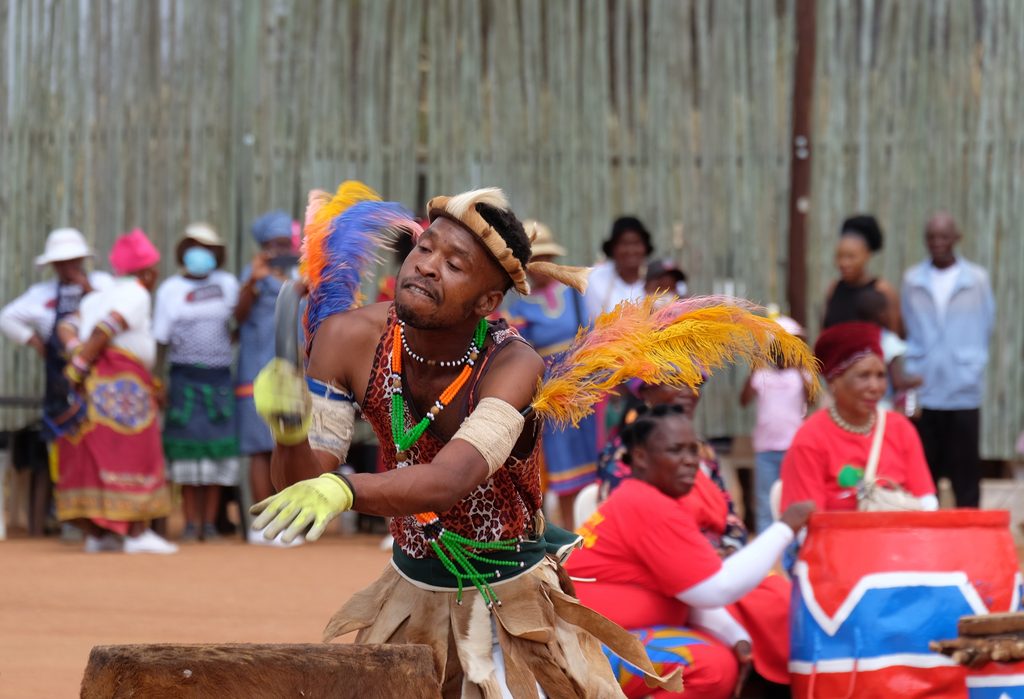
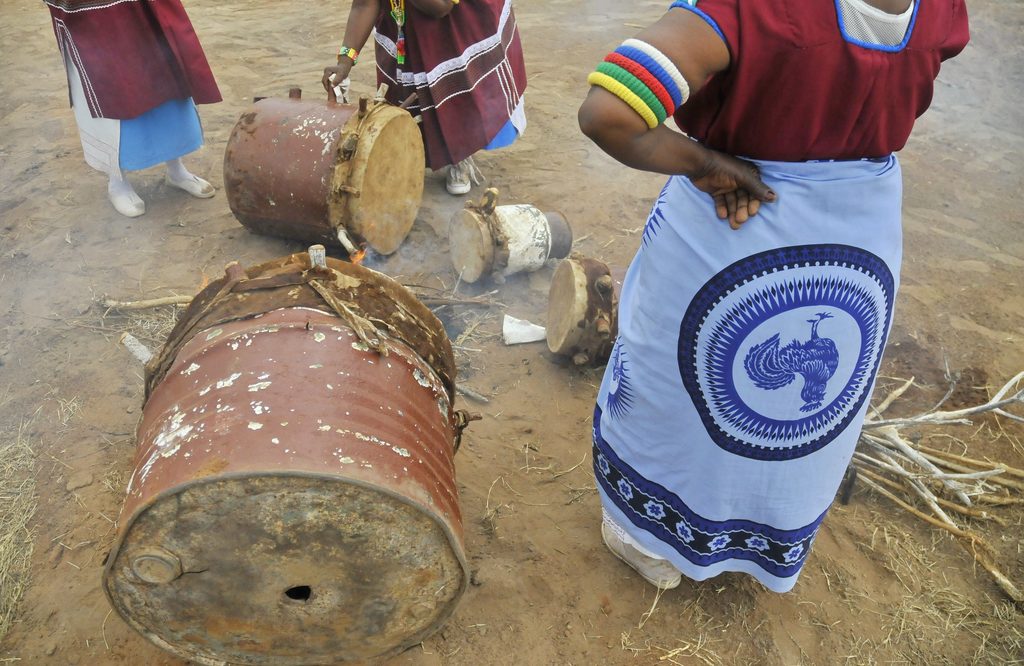
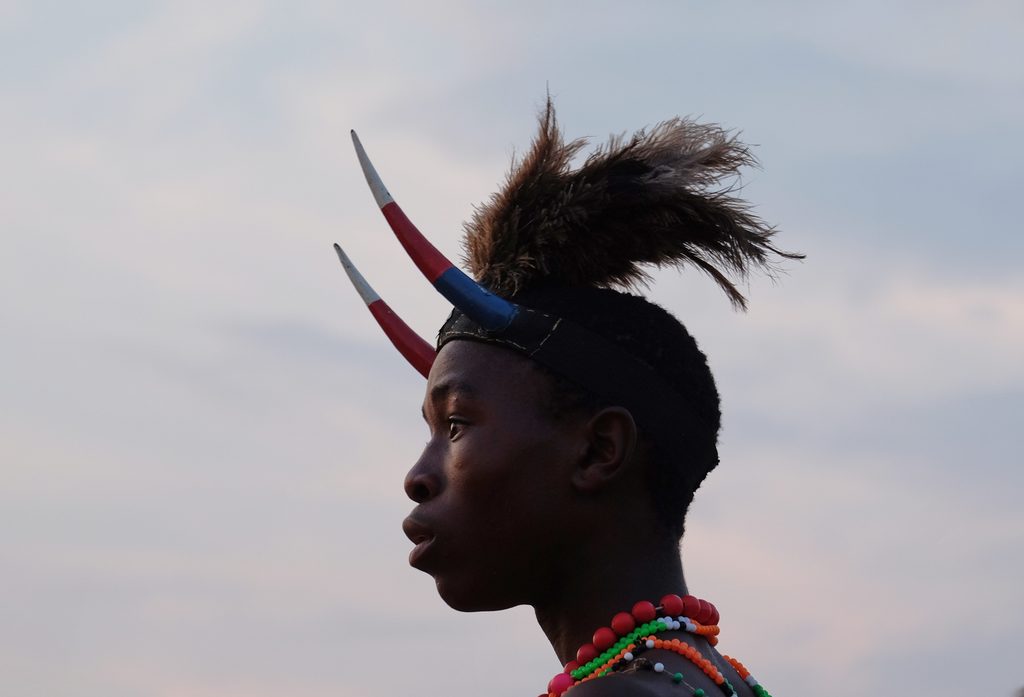
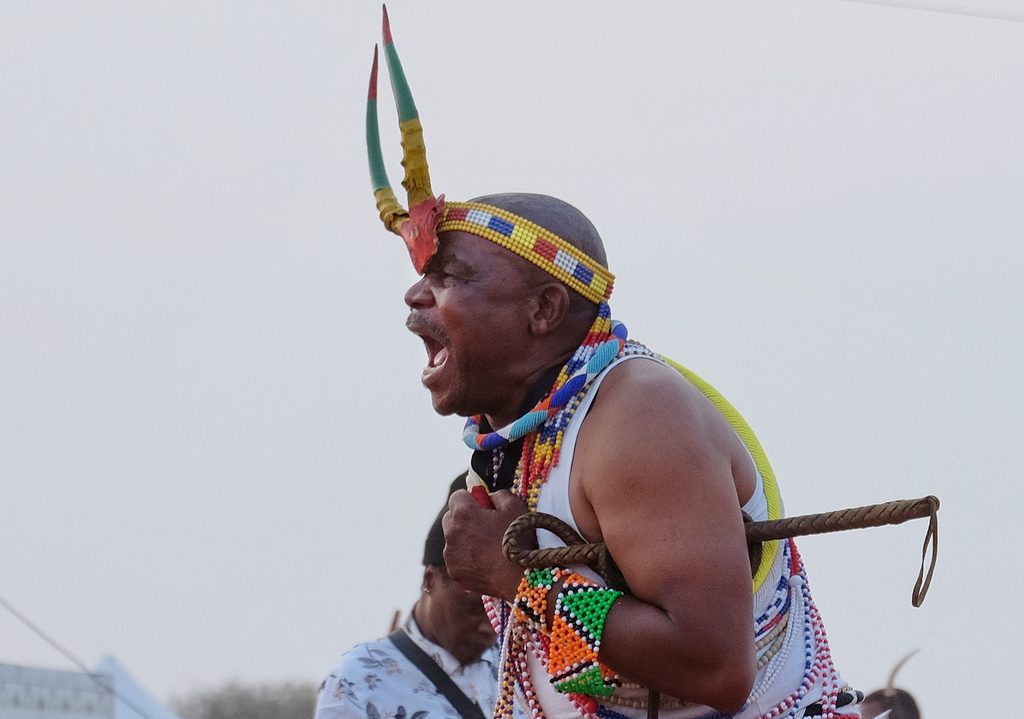
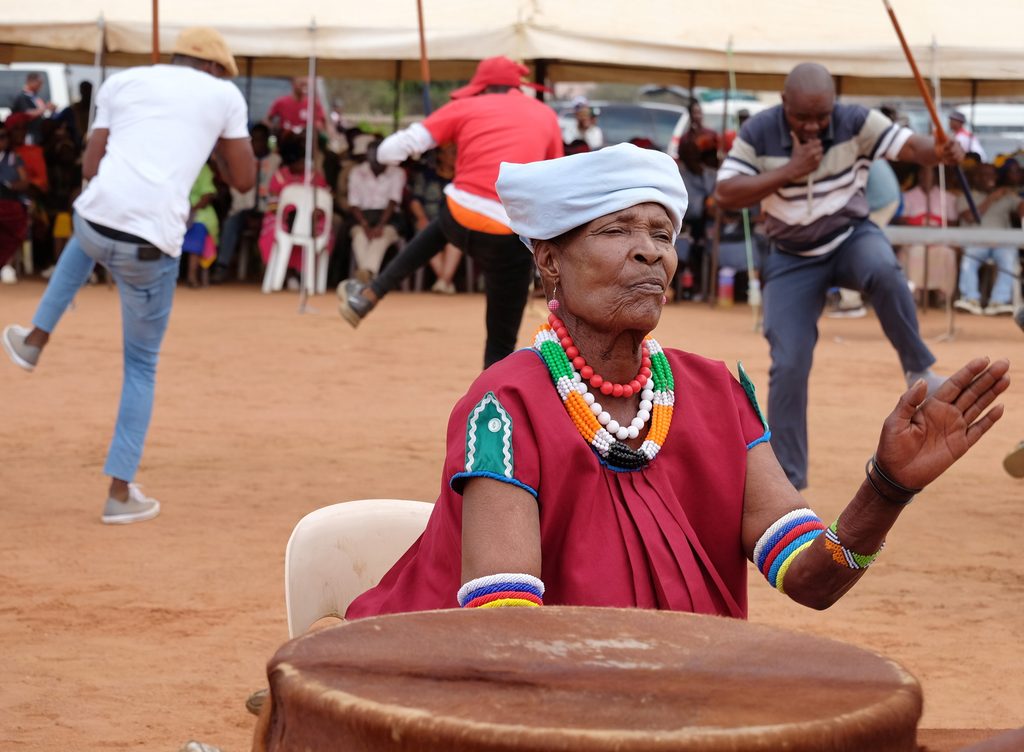
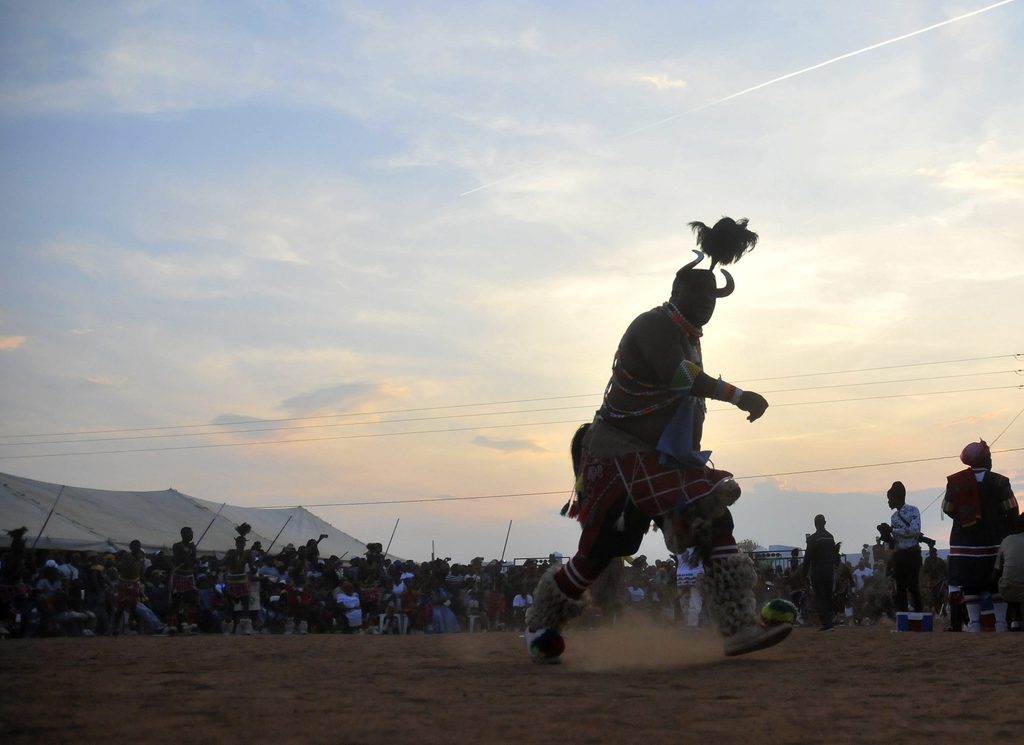
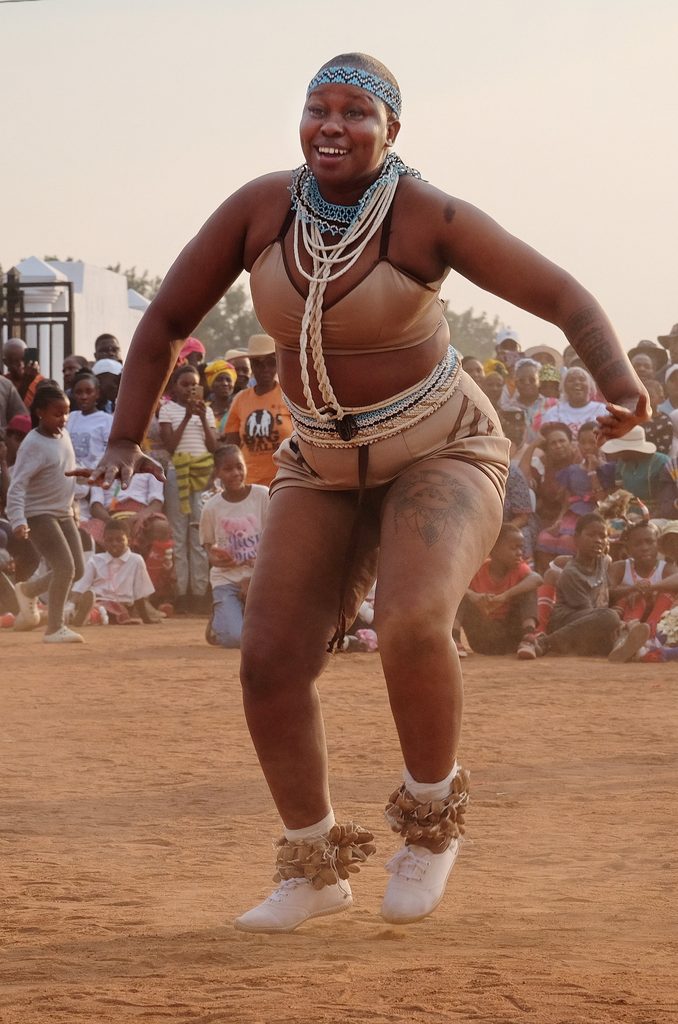
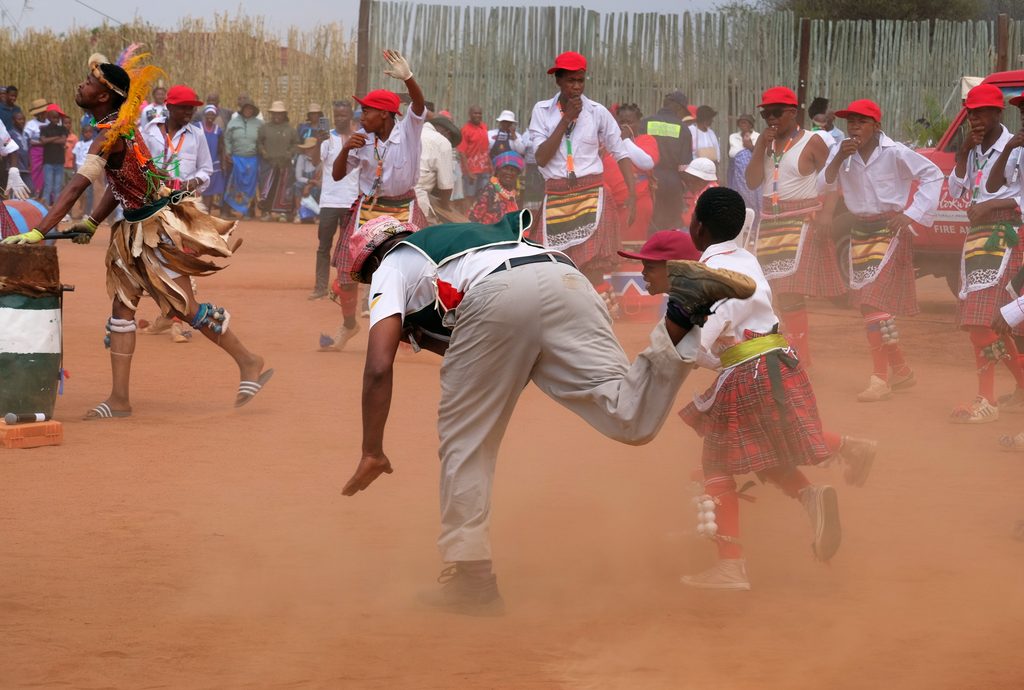
Feet stomped the earth in rhythmic gusto, the powerful windpipes of dinaka permeated the air. Young and old rose to their feet in appreciation.
Some of the elders, reminded of colourful ceremonies from decades past, shook their arthritic limbs, possessed by nostalgia, with tears in their eyes.
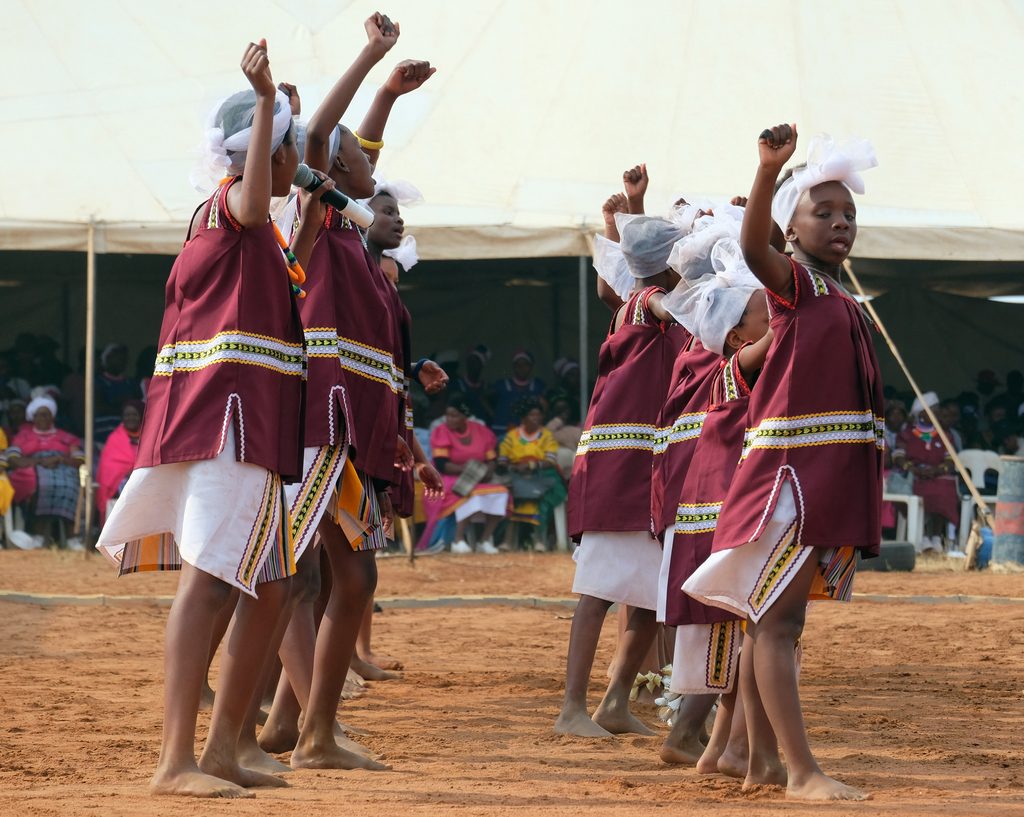
Earlier, young maidens under the supervision of elders had performed sacred rites to summon the rains. Hours later, the gods responded in a way only they know how. A light shower came down briefly, just enough to soothe the dusty earth and cool off the sweltering afternoon heat.
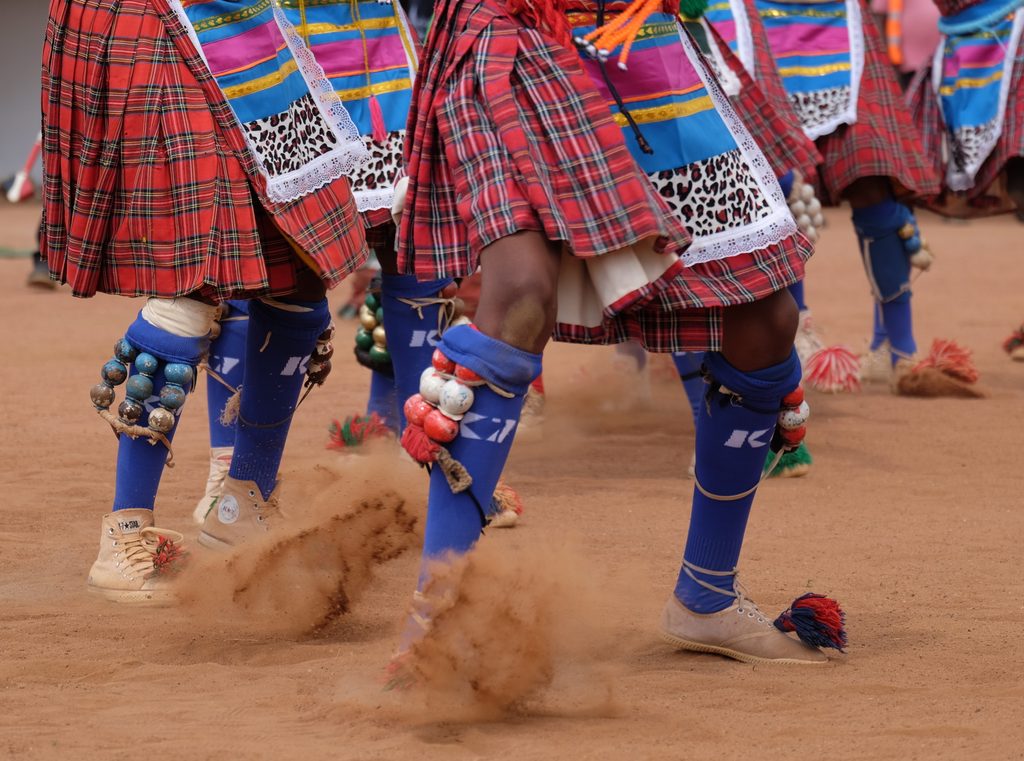
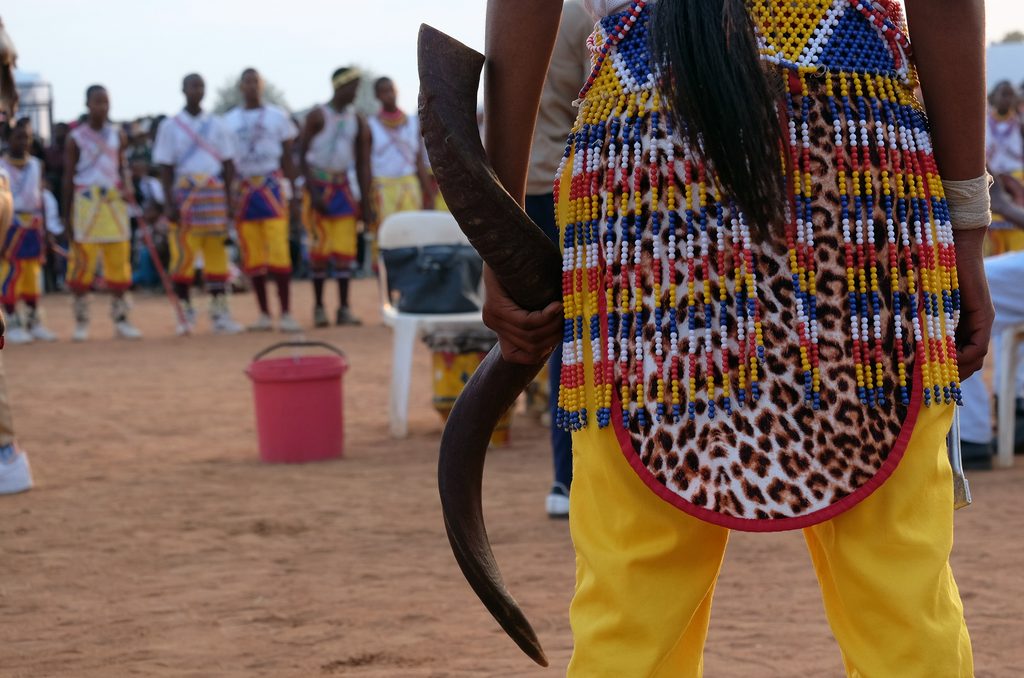
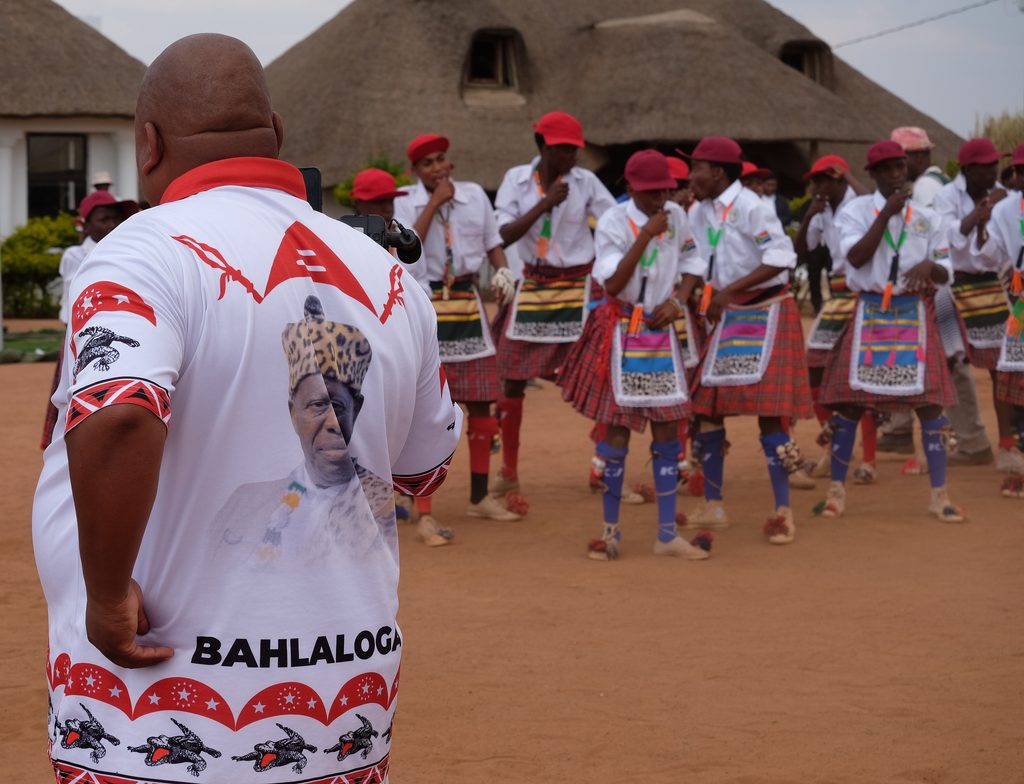
The rain seemed to reenergise the 2026 edition of the annual Moshubaba Heritage Day in Matamanyane village, Moletši, Limpopo province.
This year’s celebration coincided with the 30th anniversary of Kgosi Kgabo Moloto III’s reign as monarch of the Bahlaloga Royal Nation.
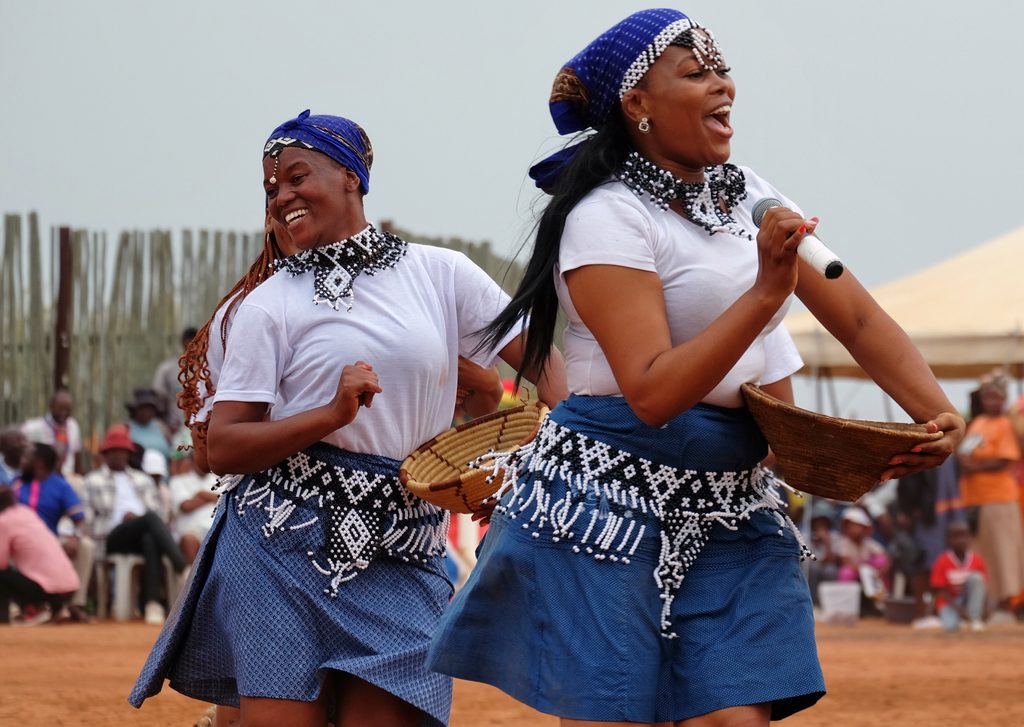
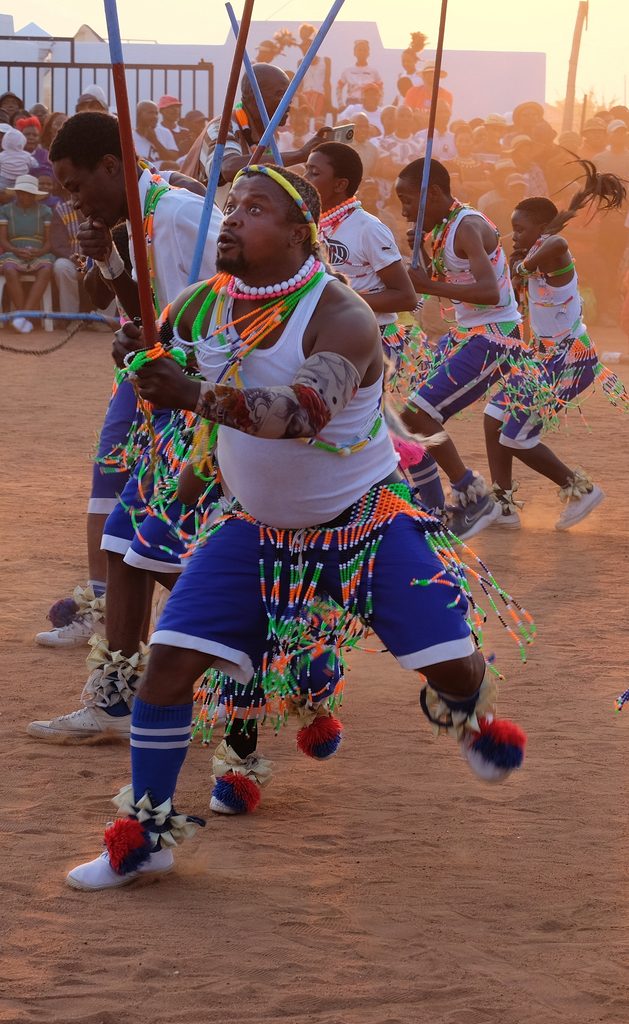
The festivities included performances by cultural dance groups and artists from Botswana, including Nare Tsa Pina Performing Arts from Botswana and that country’s celebrated traditional music artist Shumba Ratshega.
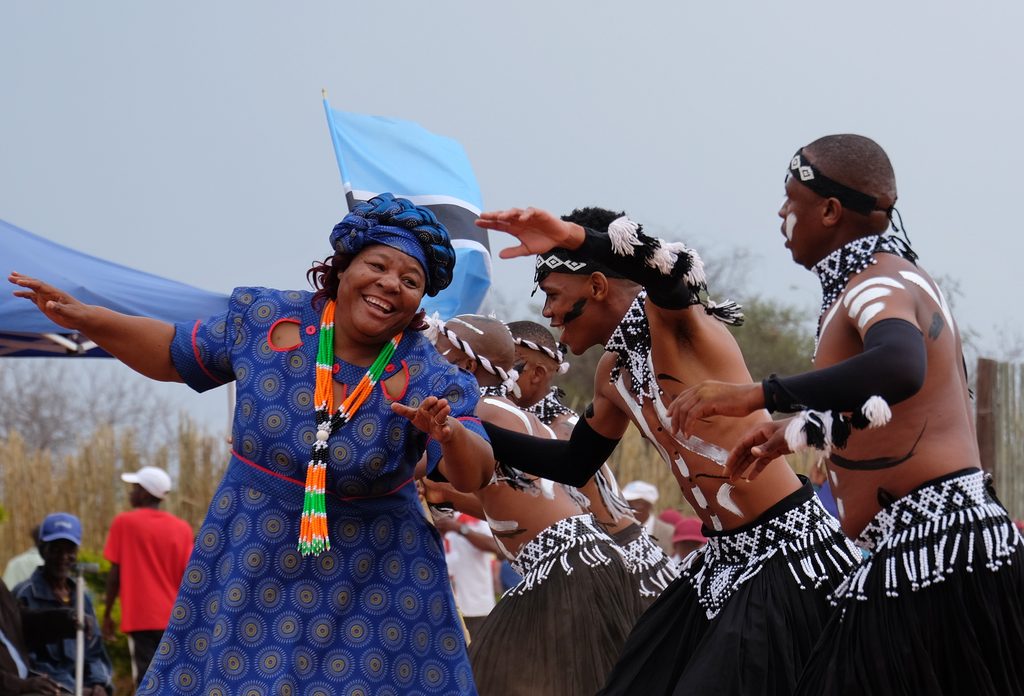
The Bahlaloga share common ancestry with some of the Batswana clans, including Babirwa, many of whom are settled in both countries.
Local dance ensembles from various disciplines, including dinaka and mmapadi, also thrilled the gathering with spirited displays.
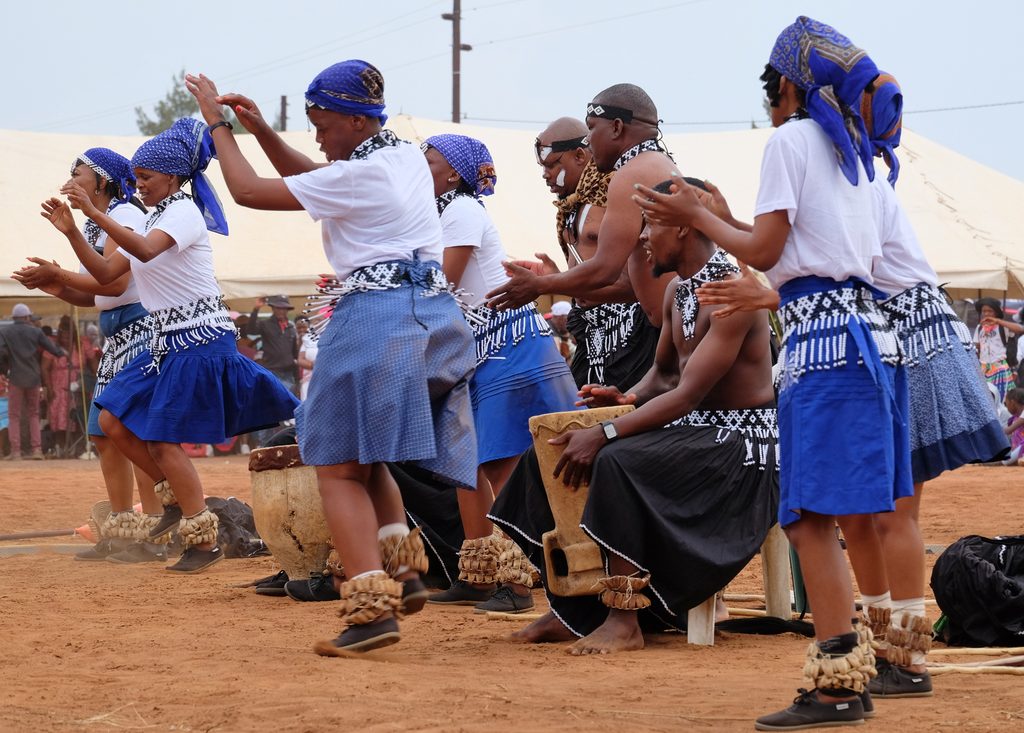
The day also marked South Africa’s celebration of Heritage Day, which is celebrated every year on 24 September.
The United Nations Educational, Scientific and Cultural Organisation (UNESCO) describes heritage as “our legacy from the past, what we live with today, and what we pass on to future generations. Our cultural and natural heritage are both irreplaceable sources of life and inspiration.”
President Cyril Ramaphosa told a gathering celebrating the National Heritage Day at the Bongolethu Stadium in Oudtshoorn, hundreds of kilometres away in the Western Cape, that the day marked a celebration “of the languages we speak, the songs we sing, the food we prepare, the clothes we wear, the stories we tell and the customs we observe.”
“We are celebrating the traditions handed down to us by our parents and grandparents. We are celebrating the knowledge of our elders and the imagination of our young people. We are celebrating the extraordinary diversity of the South African people,” Ramaphosa said.
“Our heritage is living because it resides in people. It lives in our homes and our communities. It lives in the words of a grandmother telling a story to her grandchildren. It lives in the knowledge of a traditional healer. It lives in the hands of the craftsperson.
“It lives in the songs of our musicians and the movements of our dancers. It lives in our ceremonies, our faiths, our rituals and our ways of caring for one another. It lives in the languages we speak every day. It lives in our homes and our communities,” Ramaphosa said.
It lives in the words of a grandmother telling a story to her grandchildren. It lives in the knowledge of a traditional healer. It lives in the hands of the craftsperson. It lives in the songs of our musicians and the movements of our dancers. It lives in our ceremonies, our faiths, our rituals and our ways of caring for one another. It lives in the languages we speak every day,” the President said.
In Ga-Mphahlele, about 90km from Moletsi, Limpopo Premier Dr Phophi Ramathuba told a gathering marking the provincial heritage day celebrations that cultural heritage must extend beyond mere traditional displays to become an active weapon against gender-based violence and femicide (GBVF).
Ramathuba urged South Africans to reflect deeply on the values being passed down to future generations, warning that no society can truly celebrate its culture while women and girls live in constant fear.
She said true heritage encompasses the moral fabric, principles, and dignity defining how human beings treat one another and stressed that the ongoing violence against women is a profound societal crisis requiring urgent, collective intervention across all sectors.
“Our heritage must become part of the solution,” calling on traditional institutions, faith organisations, families, and schools to revive African values of respect, communal responsibility, and the protection of the vulnerable.
She highlighted the power of creative arts—including music, theatre, and storytelling—as essential tools to break the silence and dismantle harmful gender stereotypes.
“Let our heritage teach our boys and men that strength is not demonstrated through violence, but through responsibility, respect and protection,” Ramathuba said.
She further noted that Limpopo’s strength lies in its harmonious unity across diverse communities, including the Bapedi, Vhavenda, Vatsonga, AmaNdebele, Batswana, emaSwati, Afrikaners, Indians, and Coloureds.
Ramathuba encouraged residents to explore and preserve the province’s iconic heritage landscapes, such as Mapungubwe National Park, Makapan’s Valley, Tjate Heritage Site, and the Muti wa Vatsonga Museum.
She urged all Limpopians to live out their heritage daily by practising traditional customs that build peace, eradicate poverty, and foster lifelong heritage education. – news@mukurukuru.co.za

Be First to Comment