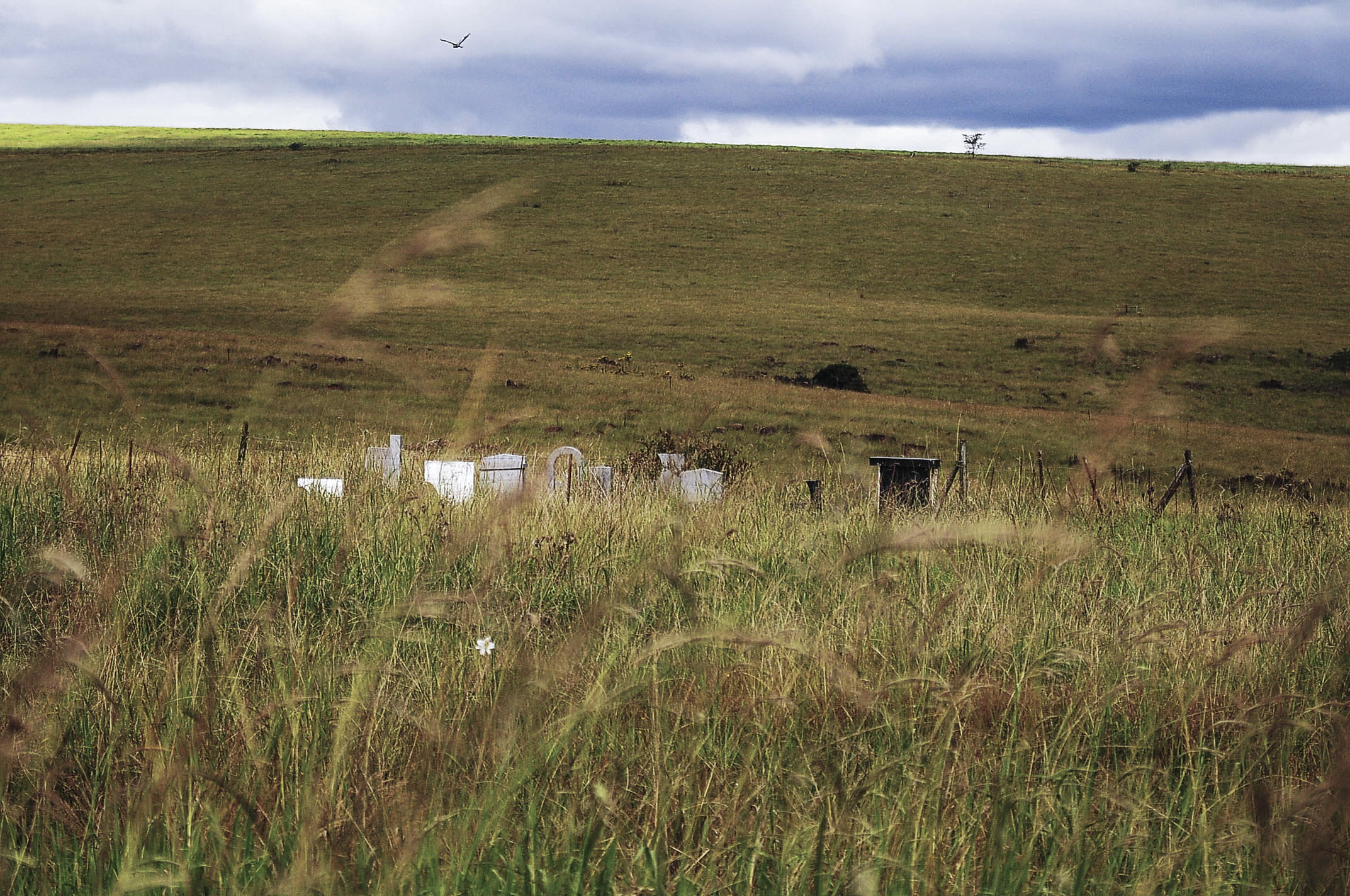
Families in Mpumalanga are still waiting for answers over a land claim that has stretched across generations, as Parliament raises fresh concerns about thousands of unresolved land reform cases across the country.
At Goedgeloof, community members say their parents began approaching the land claims authorities after being removed from the land, but some of those who started the process have since died without seeing their claims resolved.
Boxy Manareng, a representative of the Goedgeloof community, said families are now seeking compensation while also pressing the authorities for clearer communication on the way forward.
“My parents were removed from the land, and they are the ones who started going to the commission asking for help, and they have passed on now. And the families want compensation,” Manareng said.
The community’s concerns come as Parliament’s Portfolio Committee on Land Reform and Rural Development calls for urgent action to address a much wider backlog of 8,913 outstanding labour tenant claims.
The claims have remained unresolved for almost three decades, with most concentrated in KwaZulu-Natal and Mpumalanga.
While the Goedgeloof claim has not been identified as one of the 8,913 outstanding labour tenant claims, the community’s experience highlights the difficulties that can arise when land matters remain unresolved for years.
Years of waiting have added to the Goedgeloof community’s frustration, but members say the lack of clear communication has made the situation even harder.
Families say they are still waiting
Community representatives said members had made several visits to the regional office but had yet to receive the progress update they were expecting. The commission had previously told the community that it was negotiating with the current users of the land and would return with an update, but the representative said that feedback had not come.
The lack of communication has left families seeking clarity on the progress of their claim, the settlement options available to them and what happens next. Their concerns come as Parliament examines broader challenges affecting the land reform process.
The Portfolio Committee on Land Reform and Rural Development received progress reports from the Department of Land Reform and Rural Development, Legal Aid South Africa and the Office of the Special Master of Labour Tenants. The Special Master reported that 8,913 labour tenant claims remain outstanding nationally, almost three decades after the enactment of the Labour Tenants Act.
Progress is being made but delays remain
The Department of Land Reform and Rural Development told the committee that 302 labour tenant cases have been referred to the Land Court, while another 178 draft referrals are being prepared during the current financial year.
Of the cases already referred, 199 have been allocated to judges and placed under active case management.
The department also outlined plans to revive dormant historical matters, including 70 pilot cases to be reactivated under the supervision of the Deputy Judge President of the Land Court.
Legal Aid South Africa said it has handled 647 labour tenant matters since taking responsibility for land rights matters in 2022.
Of these, 360 have been finalised, while 287 remain pending. Of the pending matters, 139 are currently before the courts and 148 are awaiting referral by the department.
The organisation said delays in referrals, incomplete documentation, the need for expert reports and cases involving deceased claimants continue to complicate the process.
Funding has also emerged as a concern, with limited resources affecting legal representation, expert witnesses and travel costs.
The committee has welcomed measures aimed at improving case management, including a Labour Tenant Claims Resolution System, expanded mediation and legal support, improved digital case-management systems and greater use of geospatial mapping.
Commission plans meeting with families
The Mpumalanga Regional Land Claims Commission has acknowledged the Goedgeloof families’ concerns and said discussions are underway on how the claim can be settled.
Acting chief director Lucas Mufamadi said the commission had considered different settlement options, including compensation for the families.
“We have noted their issues, and we have discussed the different options and alternatives towards the settlement of their claim,” Mufamadi said.
He said the commission would first hold a settlement options workshop, followed by a verification process to confirm the community involved in the claim. Community resolutions would then be taken on the preferred settlement option.
The commission has scheduled a meeting with the families for 3 October, when they are expected to discuss the claim and the options being considered.
The meeting comes after years of engagement between the community and the commission, with families still waiting for clarity on how the matter will be resolved.

Comments are closed.