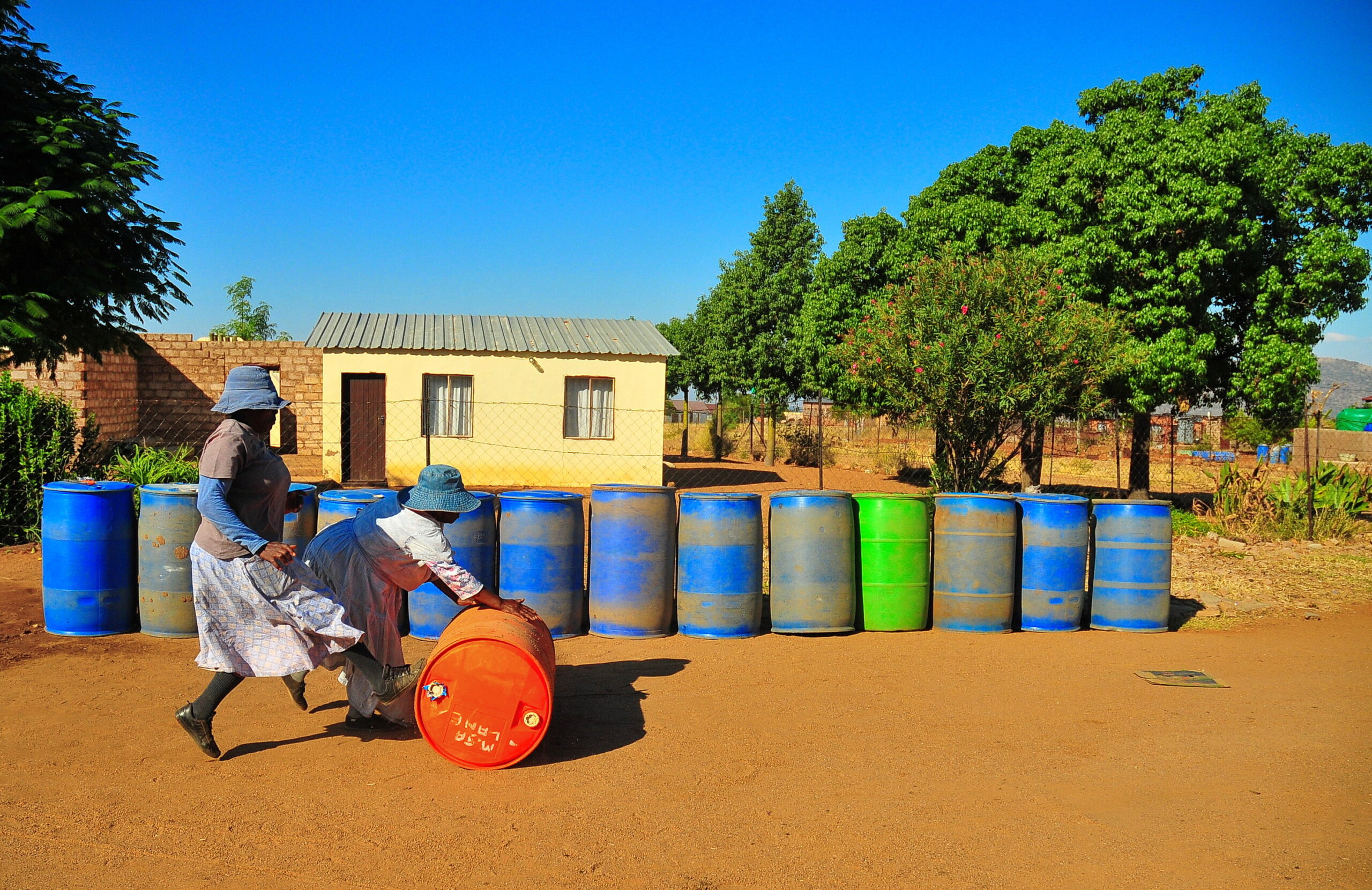
Communities across Limpopo have called for stronger action to improve water and sanitation services, saying proposed changes to the law must address the problems they continue to experience in their daily lives.
Residents in Greater Mopani and Waterberg raised concerns about unreliable water supplies, sewage spillages, limited municipal capacity and the continued use of water tankers during Parliament’s public hearings on the Water Services Amendment Bill.
In Waterberg, farm workers, farm dwellers and rural communities highlighted the difficulties faced by people living in rural areas and on farms, including communities that have gone years without running water.
The communities largely supported the Bill but warned that stronger enforcement and accountability would be needed to ensure that water service providers meet their responsibilities. Acting chairperson of the Portfolio Committee on Water and Sanitation, Sello Dithebe, said residents had also raised concerns about the difference between the quality of services provided in rural areas and those available in urban and semi-urban communities.
Dithebe said participants argued that these differences undermine the constitutional right to sufficient and quality water and sanitation services.
“In supporting the Bill, participants said it represented an important opportunity to address these inequalities and improve access to clean, reliable and quality water services. However, residents cautioned that stronger enforcement mechanisms must be incorporated to ensure that the Bill is effectively implemented,” Dithebe said.
Rural communities raise concerns
The concerns were particularly strong in Waterberg, where the final Limpopo public hearing was held on Monday.
Residents urged the committee to ensure that the Bill adequately protects people living in rural communities and on farms, where access to water and sanitation remains a persistent challenge.
Dithebe said residents wanted stronger monitoring of designated water service providers to ensure that they comply with the conditions of their licences.
“They argued that legislation without meaningful enforcement measures would do little to address the challenges experienced by communities. Participants also called for strengthened monitoring of designated water services providers to ensure compliance with the conditions of their licences,” he said.
Residents also called for a clear and accessible way to report poor performance so that authorities can take enforcement and consequence-management action.
Although the Bill received overwhelming support, some participants opposed it based on the conditions communities continue to face.
“They highlighted communities that have gone for years without running water, while sewage spillages have become a daily reality. Those opposed to the Bill argued that municipalities are either unwilling or unable to provide quality services and questioned whether the proposed amendments would be sufficient to address these longstanding challenges,” Dithebe said.
Those participants also called for wider and more meaningful consultation with communities and stakeholders involved in water services.
Mopani residents want stronger accountability
Similar concerns were raised during the Mopani hearing at Lenyenye Community Hall on Friday.
Residents said the success of the Bill would depend on the ability of the Department of Water and Sanitation, municipalities and water service providers to implement and enforce its provisions.
They called on the department to strengthen its institutional capacity so that when water service providers fail, interventions can happen quickly and result in improvements in affected communities.
Residents also proposed a public compliance register that would provide communities with information about licensing conditions, service performance, directives, remedial action and complaints.
They said greater access to this information would allow residents to raise concerns and hold water service providers accountable.
Another concern was the failure of some district municipalities, acting as Water Services Authorities, to enter into Service Level Agreements with water service providers.
Residents called for these agreements to become compulsory, with clear responsibilities, obligations and performance standards.
They also raised concerns about the financial and technical capacity of some municipalities to operate and maintain complex water treatment infrastructure.
Participants warned that these challenges can result in local and district municipalities blaming each other while communities continue to suffer poor services.
Dithebe said Parliament would consider the concerns raised during the hearings.
“The concerns raised by communities are critical to our consideration of this Bill. Parliament must ensure that legislation is responsive to the lived experiences of South Africans, particularly communities that continue to experience challenges in accessing reliable and quality water services. We welcome the constructive participation of the people of Mopani and will carefully consider their recommendations as we process the Bill,” he said.
Communities want an end to tanker dependence
The continued use of water tankers was another major concern raised in Mopani. Residents said tankers should be used as a temporary response during water outages rather than becoming a long-term solution.
They called on municipalities to invest in permanent water infrastructure that can provide communities with reliable services.
The Water Services Amendment Bill seeks to address several challenges in the water sector, including unreliable water and sanitation services, poor management and maintenance of infrastructure, declining water quality, weak accountability and limited enforcement.
The proposed changes include mandatory licensing of water service providers, minimum competency standards for water services professionals, clearer responsibilities between Water Services Authorities and Water Services Providers, stronger penalties and greater enforcement powers when persistent service failures occur.
In Waterberg, participants also called for affected groups, particularly women, to be meaningfully consulted throughout the lifecycle of water services licences.
The Limpopo hearings have now been completed, with the committee having also conducted public hearings in Mpumalanga and North West.
The committee said dates and venues for hearings in the remaining six provinces would be communicated in due course.
The submissions from Mopani and Waterberg have given Parliament a clear picture of the challenges communities face and the changes they want to see if the Bill becomes law. – news@mukurukuru.co.za

Be First to Comment