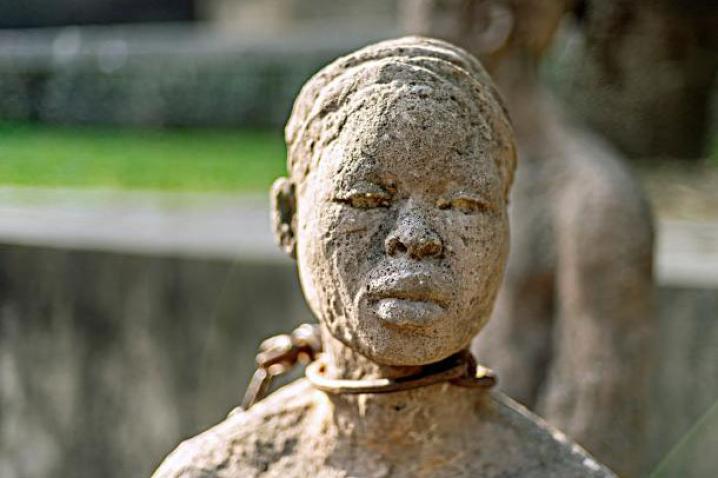
Millions of people were captured, forcibly removed from their homes, separated from their families and subjected to violence, exploitation and slavery across continents.
On 23 August, the world observed the International Day for the Remembrance of the Slave Trade and its Abolition, remembering the victims and survivors of the transatlantic slave trade and those who resisted the system.
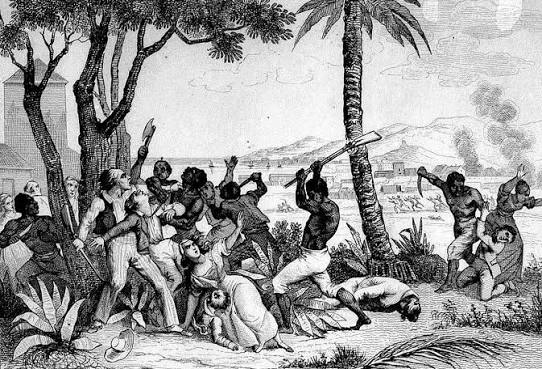
The date is connected to the night of 22 to 23 August 1791, when an uprising began in Saint-Domingue, now Haiti. The revolt became an important turning point in the struggle against slavery and played a role in the events that eventually led to the abolition of the transatlantic slave trade. The day was established by UNESCO in 1997, with the first commemorations taking place in Haiti in 1998 and on Gorée Island in Senegal in 1999.
UNESCO Director-General Audrey Azoulay has called for the history of slavery to remain part of the collective memory of future generations.
“It is time to abolish human exploitation once and for all, and to recognise the equal and unconditional dignity of each and every individual. Today, let us remember the victims and freedom fighters of the past so that they may inspire future generations to build just societies.”
Azoulay’s message highlights the wider purpose of the day: remembering the people affected by slavery while recognising the resistance that challenged a system built on human exploitation.
https://www.unesco.org/en/days/slave-trade-remembrance
Remembering the people behind the numbers
The transatlantic slave trade is often discussed through large numbers, trade routes and historical events, but behind those figures were individuals who were taken from their homes and families.
The International Day provides an opportunity to examine the causes, methods and consequences of the slave trade and the relationships it created between Africa, Europe, the Americas and the Caribbean.
The United Nations says the day is intended to place the tragedy of the slave trade in the collective memory of people around the world and encourage reflection on how it shaped societies.
The scale of the trade was enormous. Millions of Africans were forcibly transported across the Atlantic and sold into slavery, where they were made to work on plantations, in mines, in households, in ports, and in other parts of the colonial economy.
The human impact went beyond forced labour. Families were separated, communities were disrupted, and people were stripped of their freedom, identities, and livelihoods.
Remembering individual experiences is therefore an important part of understanding the history. The statistics show the scale of the trade, but personal stories reveal the human cost.
The history also includes the resistance of enslaved people. Rebellions, escapes, and other forms of resistance challenged slavery across different territories.
The uprising that began in Saint-Domingue in 1791 is one of the most significant examples. The revolution eventually resulted in Haiti becoming independent in 1804 and remains an important part of the history of resistance to slavery.
The United Nations notes that the Haitian uprising is central to the significance of 23 August because it helped create a major turning point in the struggle against the slave trade and slavery.
https://www.unesco.org/en/routes-enslaved-peoples
Preserving history through education
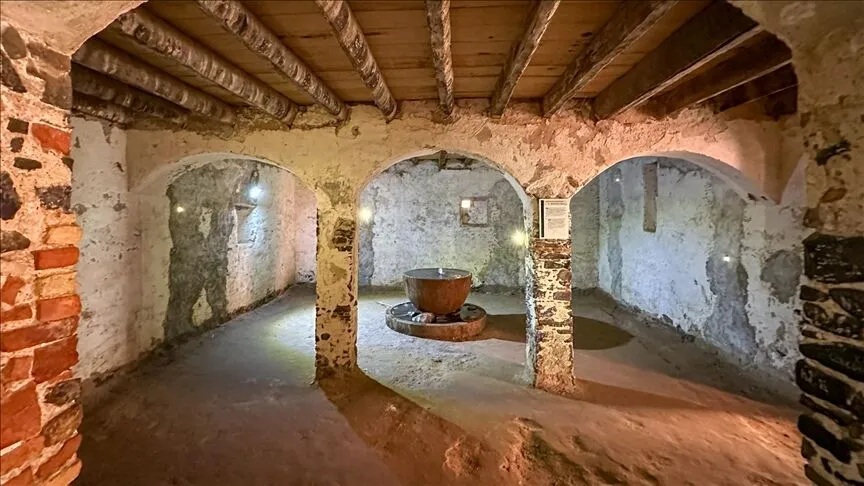
Remembering the slave trade is also about making sure that its history is not lost or reduced to a distant event.
UNESCO’s Routes of Enslaved Peoples project has played an important role in research, education and preserving memories connected to slavery, abolition and resistance.
The project was launched in 1994 and has supported the development of research networks and memory initiatives while encouraging countries to examine the history from different perspectives.
Its work includes looking at the relationships created between Africa, Europe, the Americas and the Caribbean and helping communities understand how slavery contributed to the development of the modern world.
UNESCO has also established a network of places connected to the history and memory of slavery. In 2024, the organisation announced the first 22 places joining the network, with sites in countries including Brazil, Canada, Colombia, Ghana, Haiti, Mauritius, Mexico, Nigeria and the United States. The network aims to support conservation, education and the sharing of good practices around places connected to enslavement and the slave trade.
Education is an important part of this work.
UNESCO has encouraged countries to involve young people, educators, artists and intellectuals in activities around 23 August. Events have included exhibitions, public discussions, cultural performances, memorial ceremonies and educational programmes.
In Ghana, for example, a 2021 commemoration at Ussher Fort in Accra used poetry, music, dance and discussion to explore the history of the slave trade. History teachers also raised concerns about a lack of educational material on African history and the transatlantic slave trade.
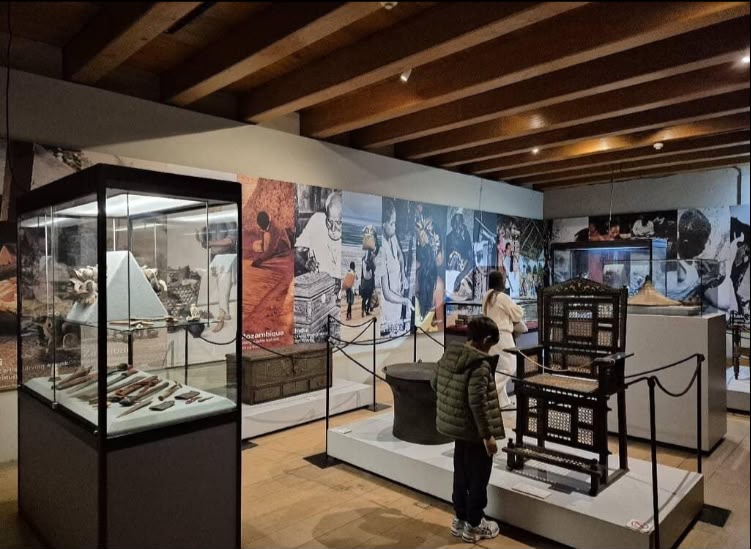
Museums and heritage sites also play a role in keeping these stories alive. UNESCO has supported efforts to preserve places connected to slavery and create spaces where communities can learn about the people and events behind the history.
https://www.un.org/en/observances/transatlantic-slave-trade
The legacy is still visible today
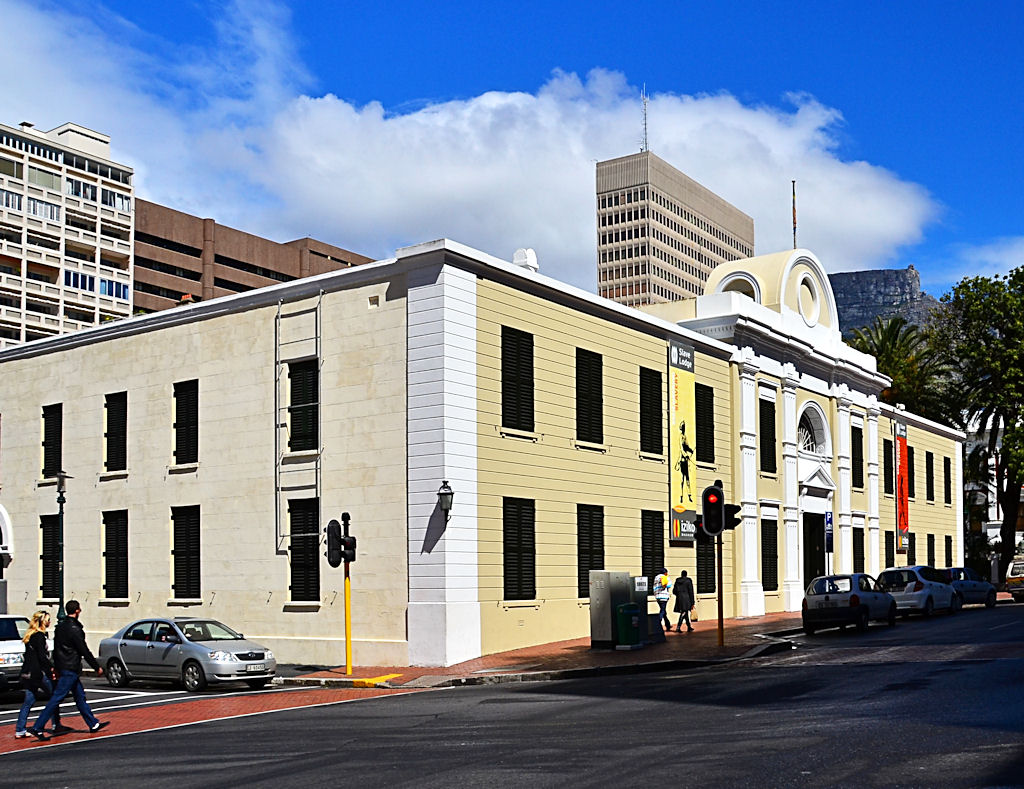
The Iziko Slave Lodge in Cape Town preserves the history of slavery in South Africa, where slavery shaped the economy and society at the Cape for almost two centuries. The end of slavery did not erase its consequences.
The United Nations has highlighted links between the history of slavery and continuing racism, discrimination and prejudice against people of African descent. Its effects can also be seen in social and economic inequalities that developed over generations.
In South Africa, the legacy can be seen in aspects of culture, language, heritage and the communities shaped by people who were brought to the Cape from across Africa and the Indian Ocean world. In the Caribbean and the Americas, African traditions also blended with European and Indigenous influences, creating new cultures, languages, religions and identities.
Resistance to slavery left its own legacy. Communities formed by people who escaped slavery, often known as maroons, became symbols of resistance and independence in parts of the Caribbean and elsewhere.
The history also raises questions about exploitation today. Although the transatlantic slave trade has ended, human trafficking, forced labour and other forms of exploitation continue to affect people around the world.
Migrants travelling in search of safety and better economic opportunities can become vulnerable to trafficking and exploitation. Their experiences show why remembering the history of slavery remains relevant to conversations about human dignity and exploitation today.
Remembering to understand
The International Day is therefore more than a commemoration of a historical event.
It provides an opportunity to remember people whose lives were disrupted by slavery, recognise the resistance that challenged it and examine the ways its legacy continues to influence societies.
It also creates space for discussions about education, equality, racism, human rights and the protection of people from exploitation.
The United Nations’ Outreach Programme on the Transatlantic Slave Trade and Slavery, established in 2007, works to raise awareness of the history of the slave trade, its impact on the modern world and its legacies, including racism and prejudice.
UNESCO said preserving this history helps future generations understand what happened and why it still matters.
Audrey Azoulay said remembering the victims and freedom fighters of the past can help inspire future generations to build societies based on dignity and justice.
The 23 August observance keeps these stories in public memory and creates space to confront the painful history of slavery. Behind the statistics were millions of individual lives, while the courage of those who resisted remains an important part of that history. – news@mukurukuru.co.za

Be First to Comment