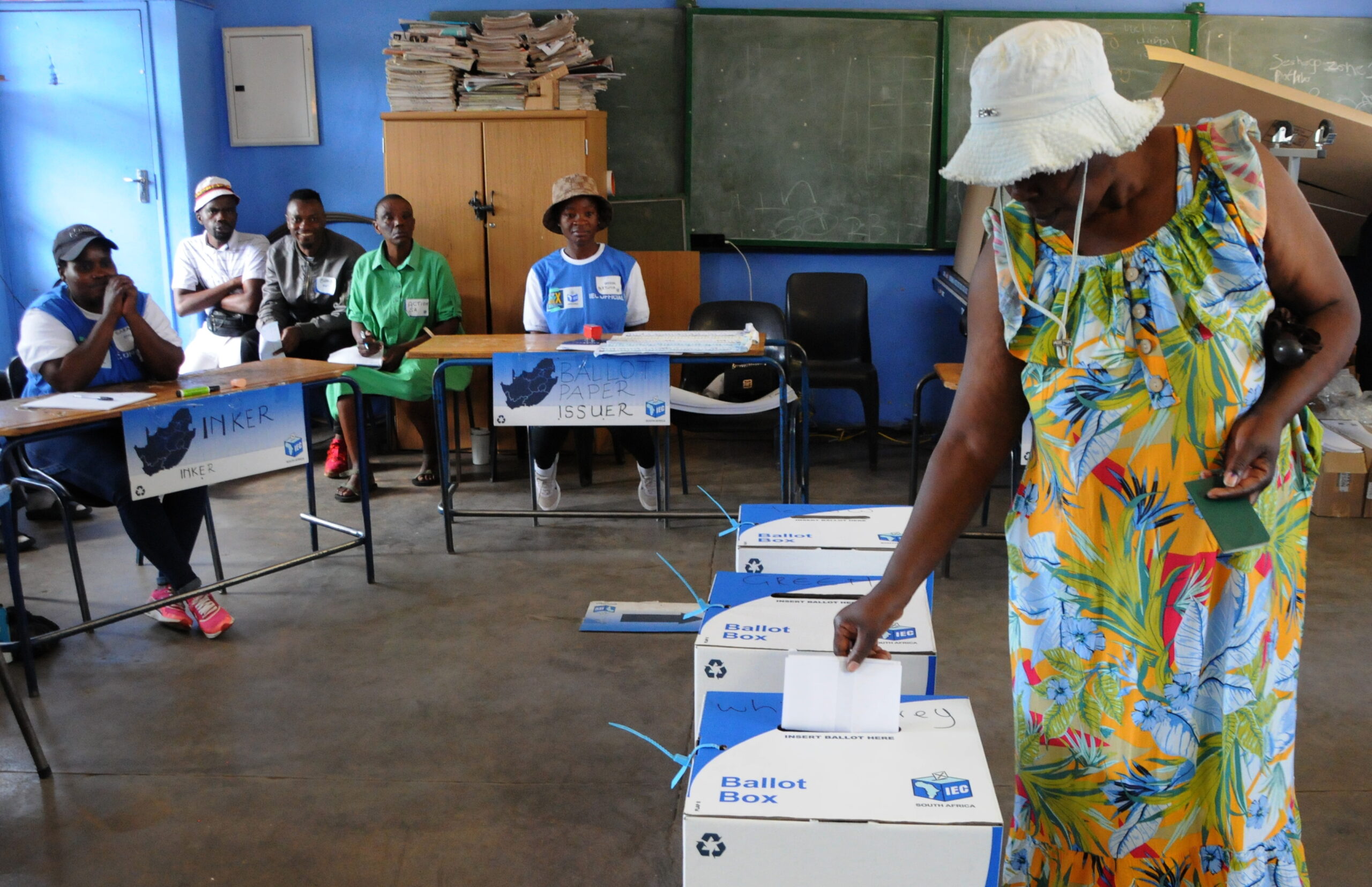
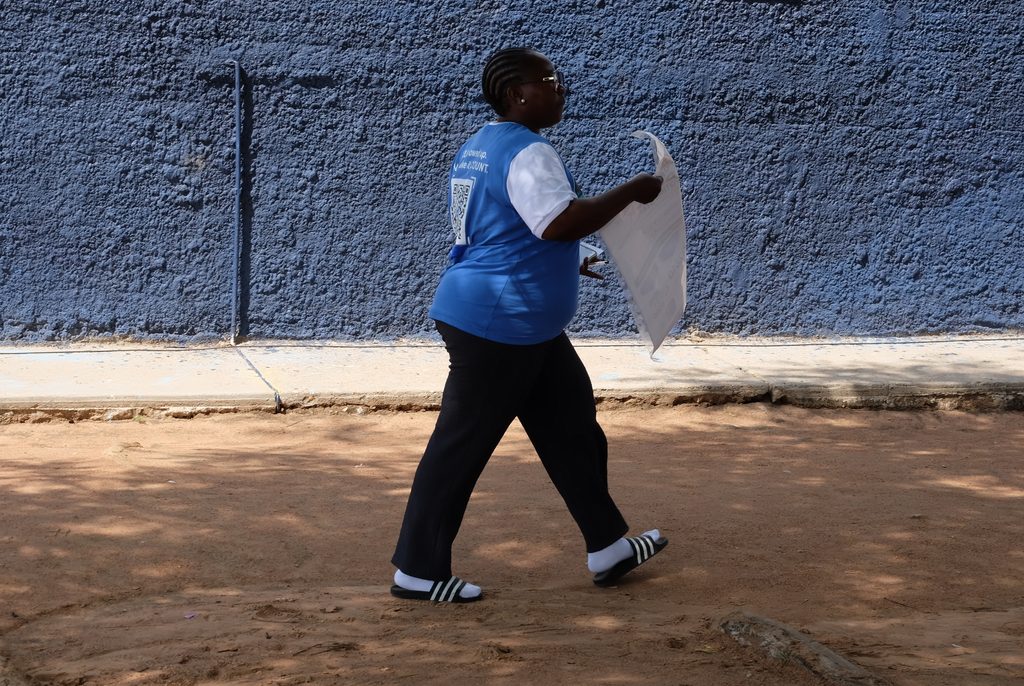
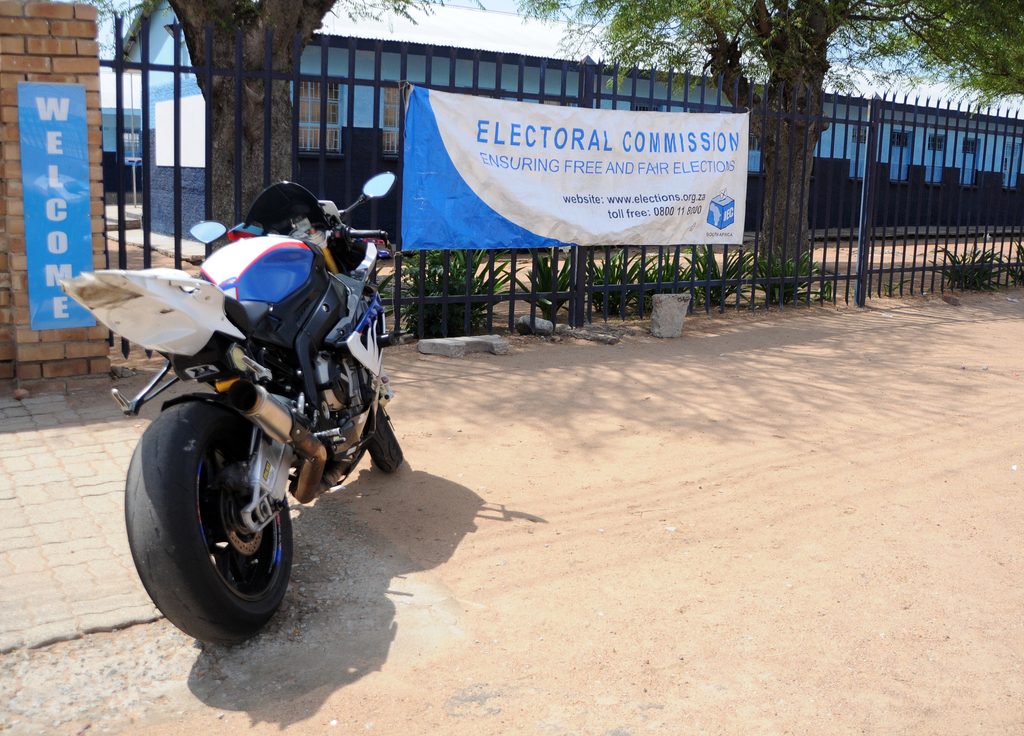
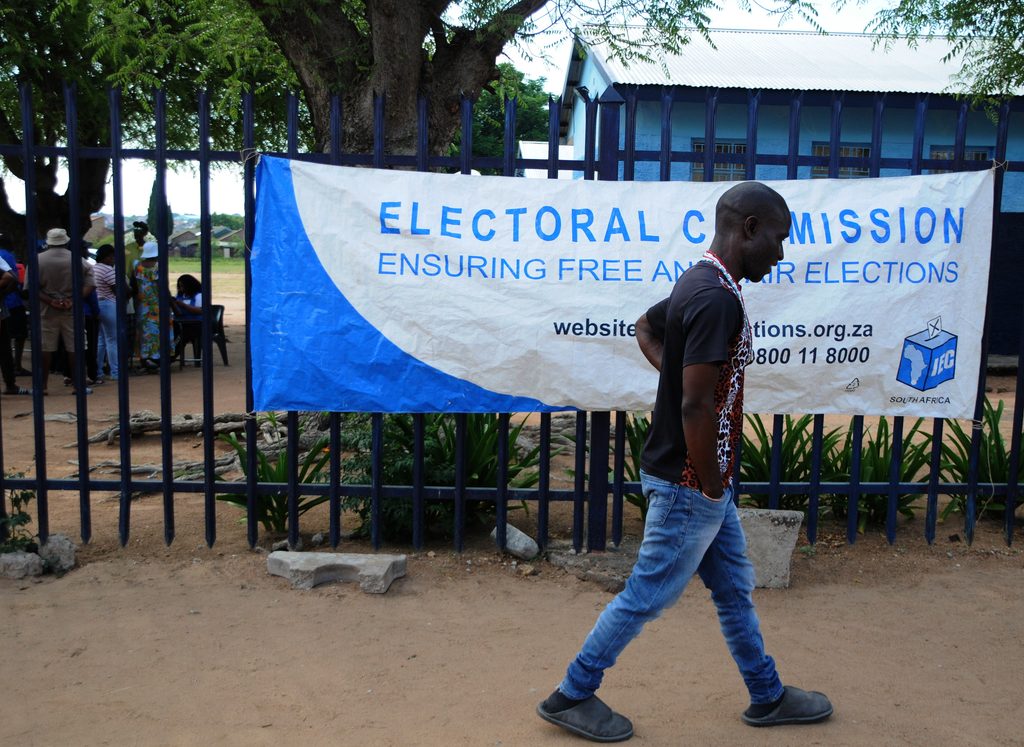
Scores of South Africans headed to the polls for the 2026 Local Government Elections on Wednesday. In townships, suburbs, and rural wards alike, the atmosphere was charged with a mix of fervent civic duty and deep-seated frustration over service delivery, water security, and economic opportunity. Young and old arrived on foot, bicycle, motorbike and by car to cast their votes.
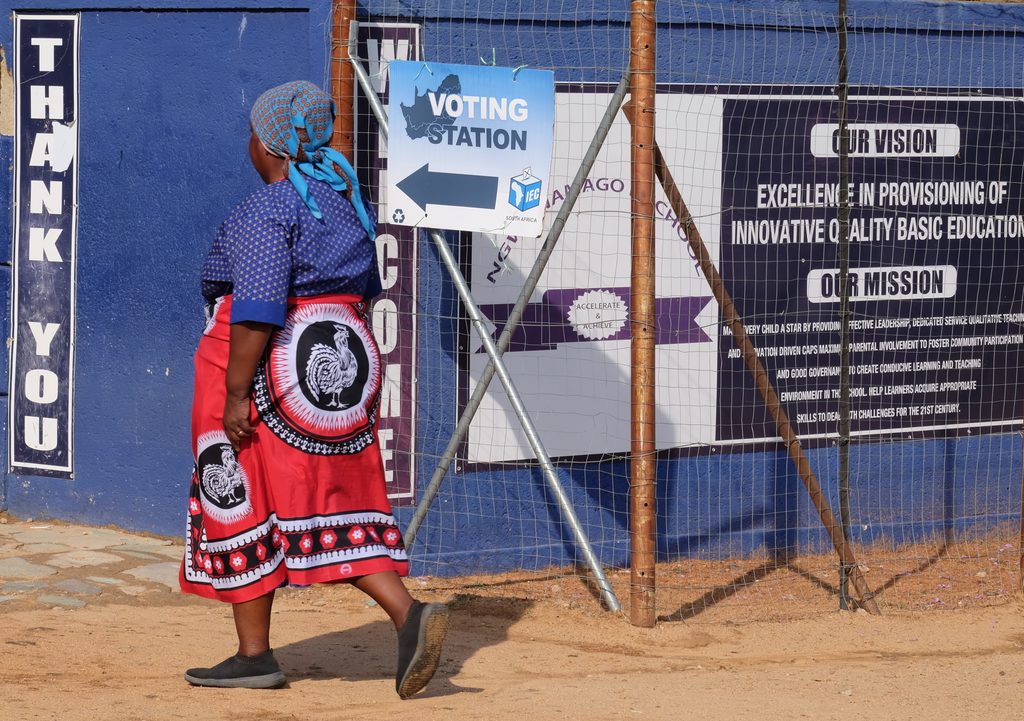
The morning was marked by the quiet patience of elderly residents standing in queues to the vibrant, persuasive energy of street-corner campaigning by party agents and enthusiastic residents rushing to go cast their votes.
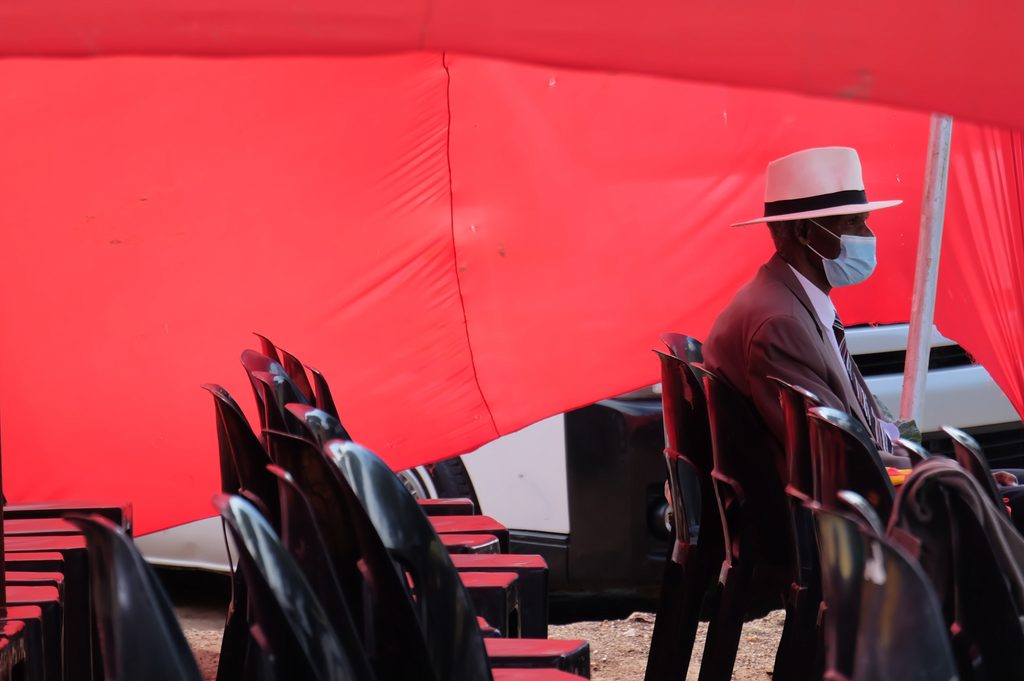
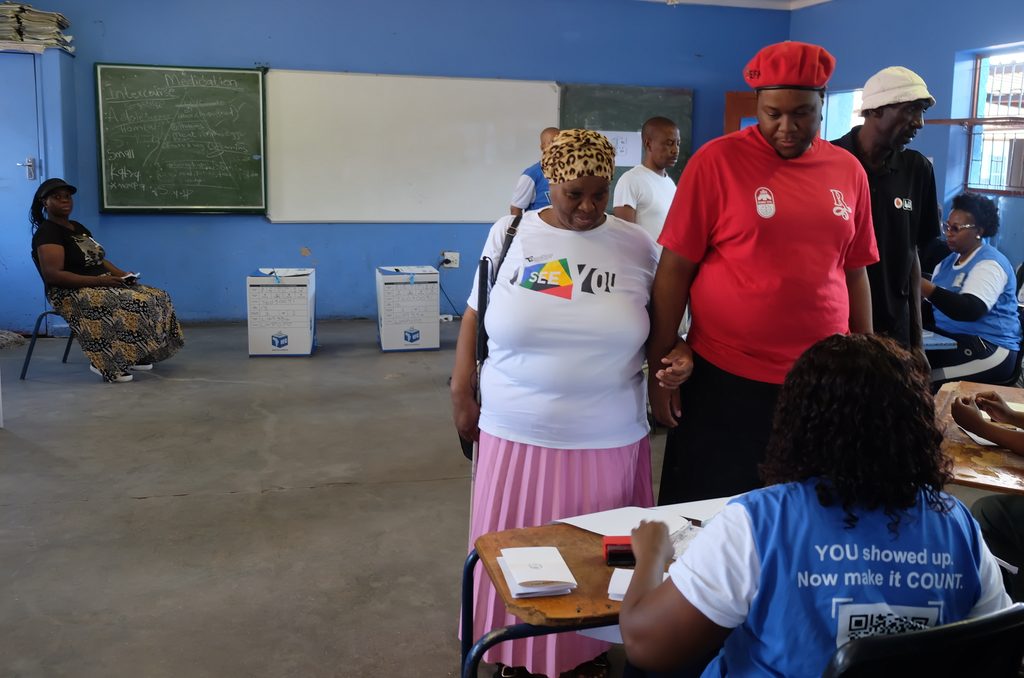
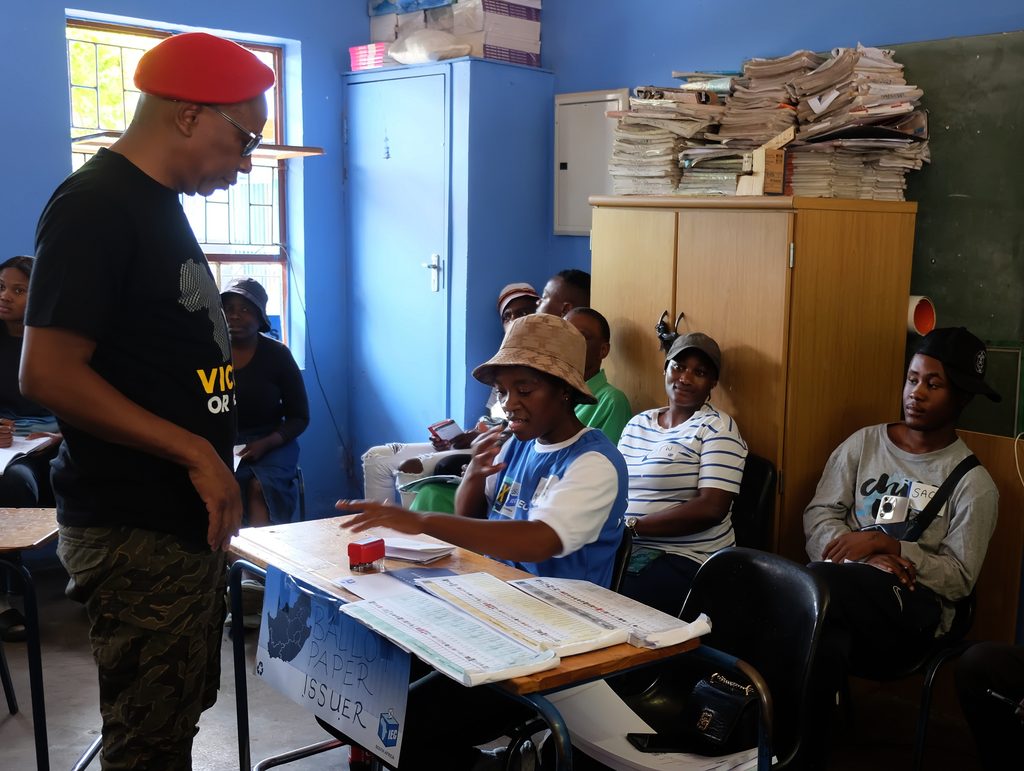
Mukurukuru Media captured voters arriving to cast their ballots in Ga-Mothiba and EFF leader Julius Malema casting his ballot in Ward 9 of the Polokwane Local Municipality at Mponegele Lower Primary School in Seshego, Limpopo.
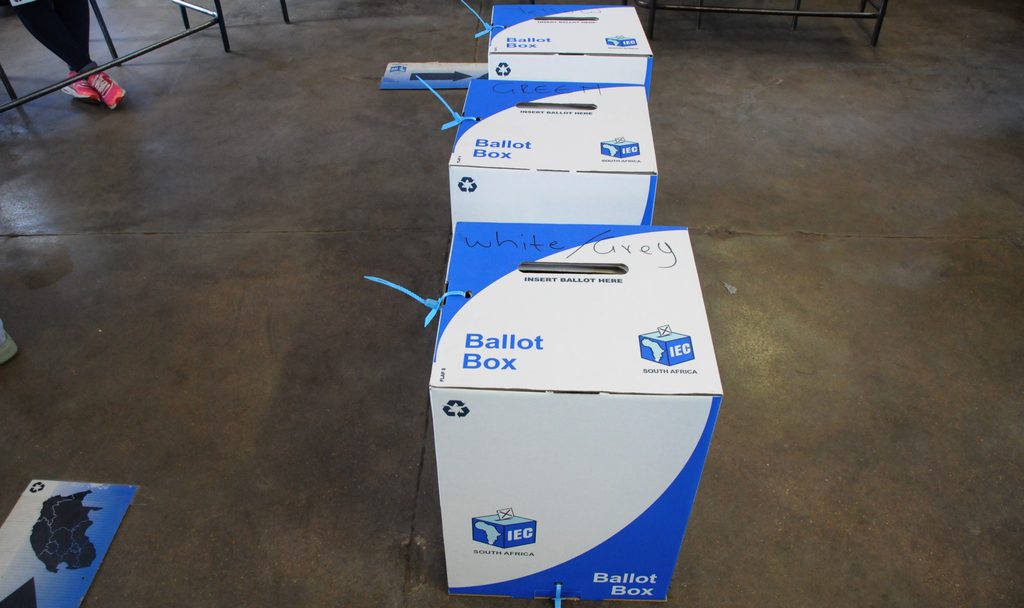
Malema arrived in the company of his security entourage and his son Ratanang. They were joined by EFF mayoral candidate Lawrence Mapoulo and other party leaders.
Malema cast his ballot alongside his son and later went on a short walkabout to engage with his party’s supporters who were dressed in the party’s trademark red t-shirts.
By early evening on Thursday Independent Electoral Commission (IEC) showed the ANC was in the lead nationally with a 31,75%, followed by the DA with 26,33% and MKParty at 7,86% with 49% of the national votes counted. The EFF stood at 5,81% nationally and 10,5% in Limpopo with 28% of the provincial votes counted.
The IEC reported that 15.9 million South Africans participated in the 2026 Local Government Elections. This included special votes.
IEC Deputy Chief Electoral Officer Masego Sheburi said the Commission would only be able to provide a breakdown of voter participation, including the number of young and first-time voters, once the counting process has been concluded.
Sheburi said the Commission received over 800 complaints by Wednesday night. These related to voting station staff allegedly preventing party agents from observing the voting and counting processes. He said the majority of the complaints had been resolved, with approximately 106 remaining open.
Sheburi said the complaints received by the IEC were distinct from objections dealt with by presiding officers at voting stations.
Political parties have an opportunity to lodge objections by 5pm on Friday, 6 November.

Be First to Comment