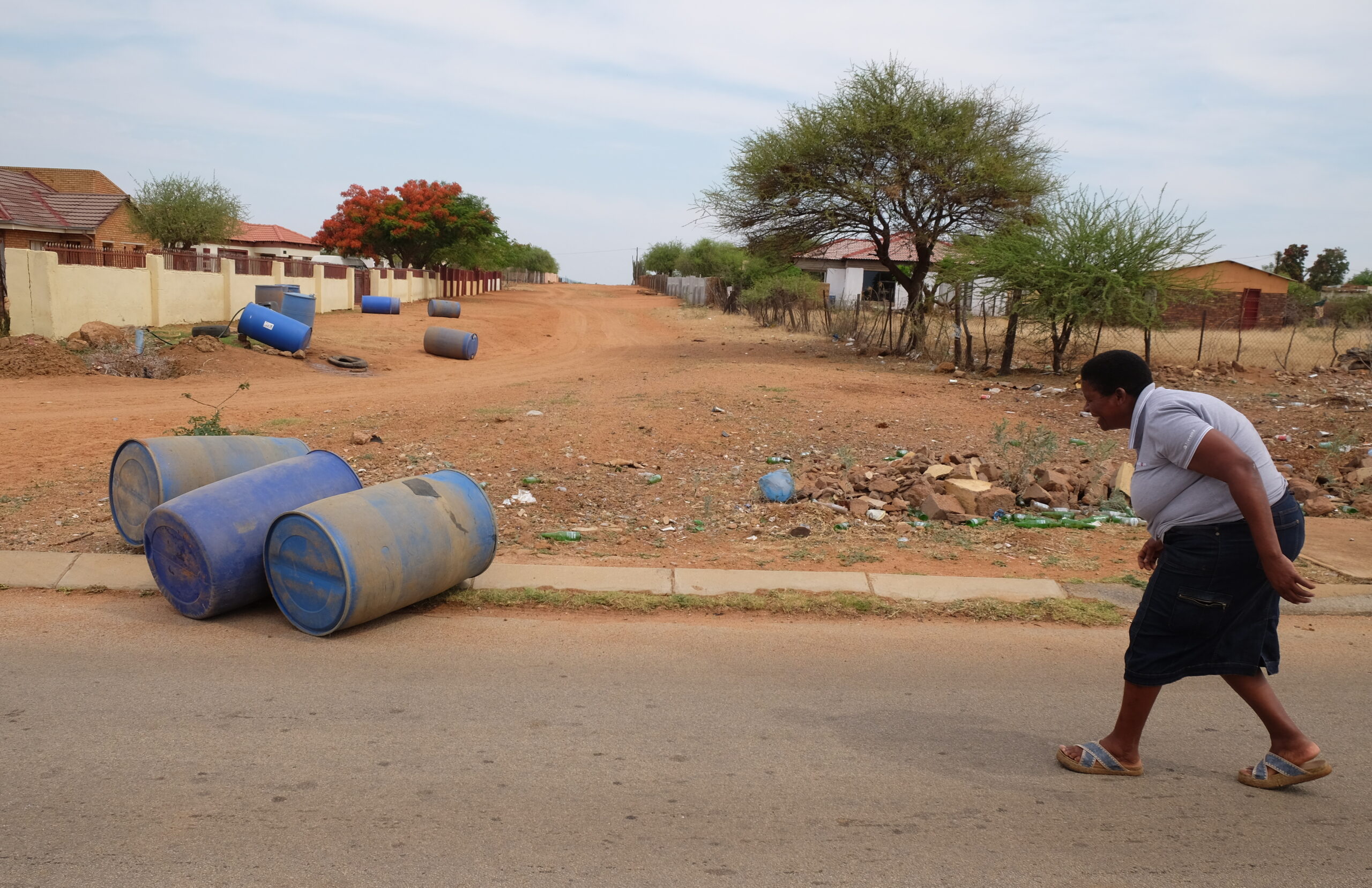
Bent almost ninety degrees forward by a physical deformity, Ramasela Mphafudi walks with great difficulty.
But like many residents of Marulaneng, a rural village located in the Lepelle-Nkumpi municipality in Limpopo province, she rolls several 200litre drums from her home to a communal tap some 150m away from her home.
Once the drums are full, usually after a long wait that could last well into the night, she then painstakingly rolls the drums back into her homestead.
“It’s very hard work. But what can I do?” she says as she carefully arranges the drums at the communal tap which is running at a trickle.
It is Monday, November 2. South Africa is officially in election mode with special votes having opened across the country that morning. Party agents are sitting under their respective organisations’ gazebos across a voting station not far from the communal tap.
Across the village scores of residents are gathered around communal taps, awaiting their turn to fill up. They have also lined up their drums awaiting their turn. This is the daily struggle faced by residents of this village and millions of other rural based residents across the province and South Africa.
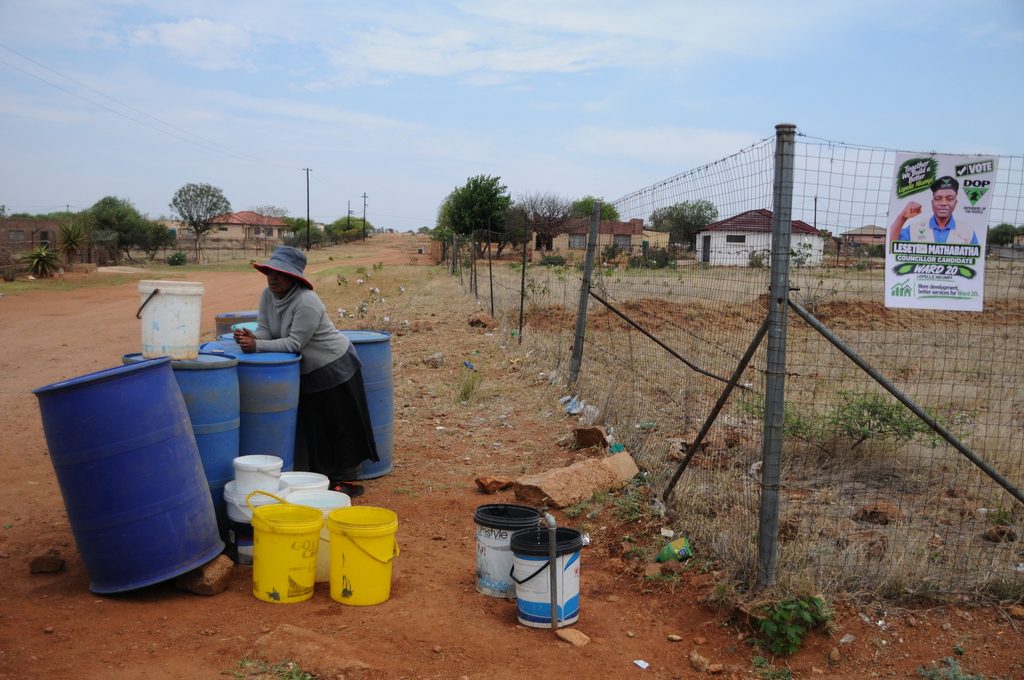
The Lepelle Nkumpi municipality is predominantly rural and has an estimated population of 234,000, and about 95% of its land falls under traditional authorities.
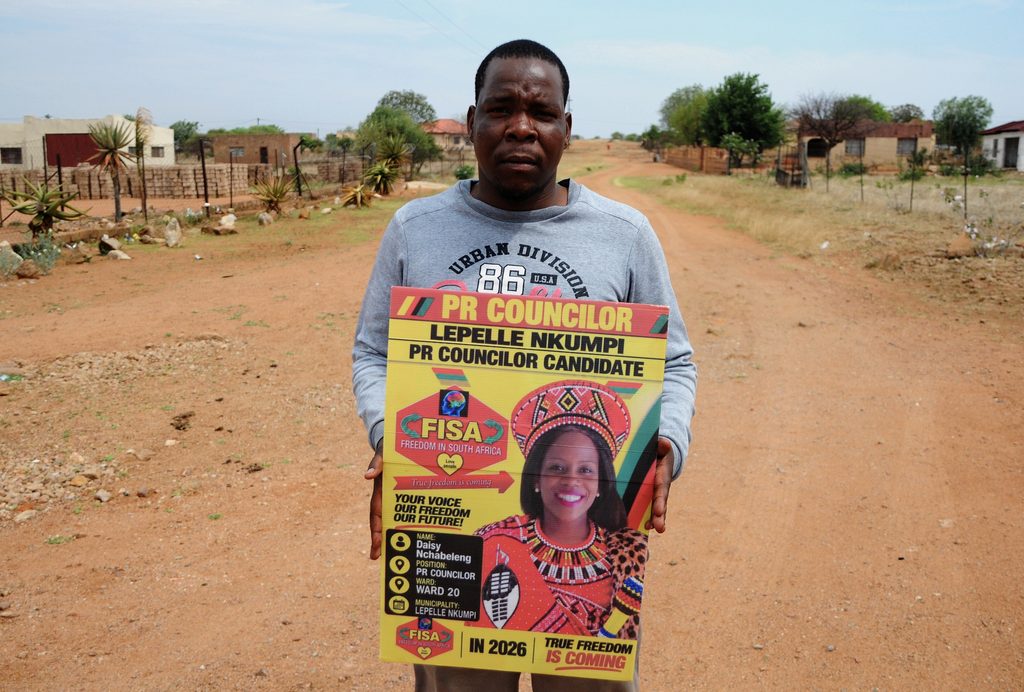
Tebogo Mello, a resident who has lived in Marulaneng for over 50 years, says he does not recall a time when village residents had access to regular clean drinking water. He has lost hope in politicians and their promises. He believes that since Limpopo is a predominantly rural area under the rule of traditional leaders, perhaps they could make a difference going forward. He is campaigning for a new party Freedom In South Africa (FISA).
“Maybe the royals can do better because when there is a project in the village, they are the ones who facilitate it working with the municipality. They know how to run things,” Mello argues.
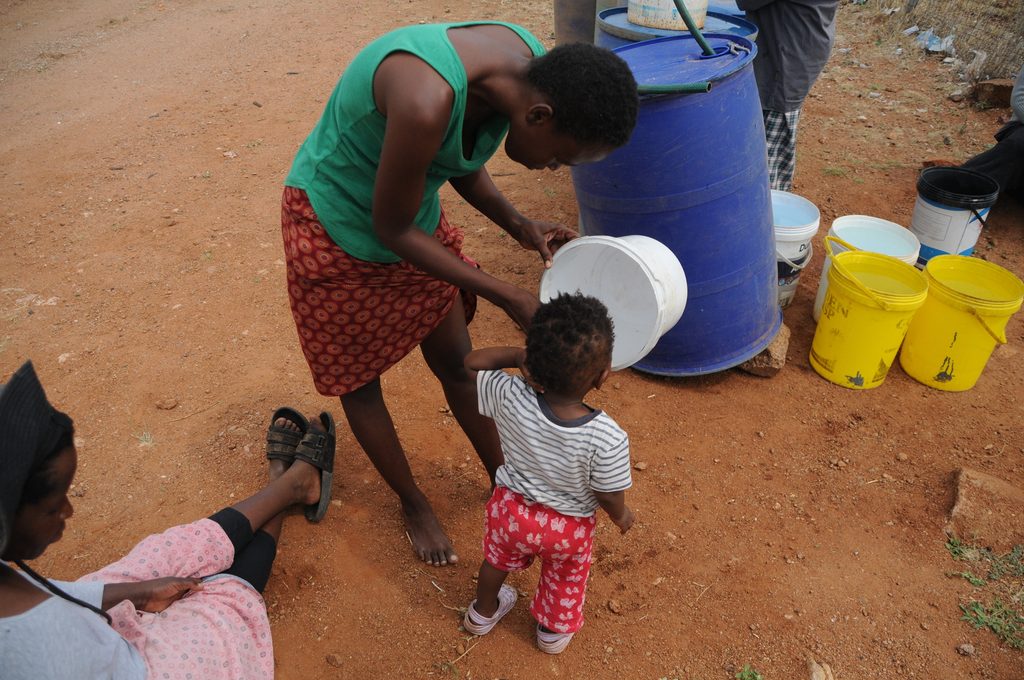
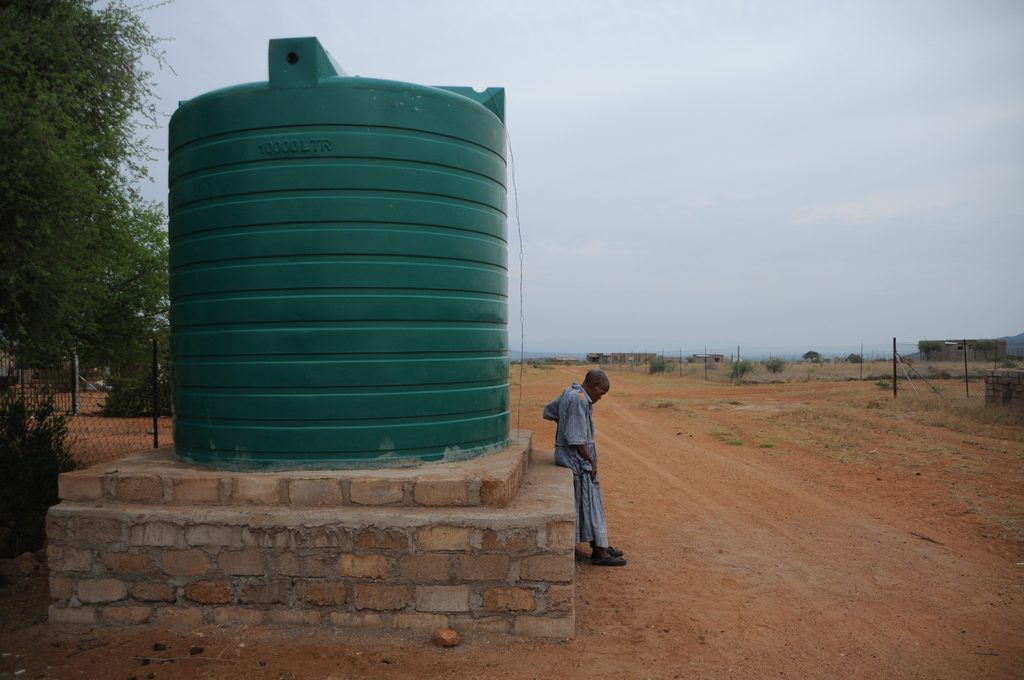
In a furtherst corner of the village, elder Ramadimetja Selema rests in her home. She is 84 years old. She no longer has the energy to collect water. In September the Lepelle Nkumpi Municipality delivered a 10 000 litre Jojo tank near her home.
Selema has lived in the villag all her life and has never experienced what it’s like to have running water in her home. She didn’t register for a special vote and was uncertain if she would vote.
“I have travelled a long, long way in this life. I’m exhausted now,” she says wearily.
Her daughter, Raesibe Selema, who forms part of the water committee in the village has arranged transport to take her to a polling station about 800m away to cast her vote on November 4.
Last year, Raesibe approached the municipality requesting the tank on behalf of her mother and immediate neighbours. The tank was finally delivered a year later. Neighbours put money together to buy bricks and cement to erect a stand for the tank. It is now serviced by the municipality’s water tanker.
In May 2024, Raesibe stood up at a ministerial imbizo and asked then Minister of Water and Sanitation Senzo Mchunu and his delegation to donate all the bottled water they had on the table in front of them to her, so that she could take it home to use for cooking because she had no water.
She expressed frustration at the daily struggle of residents who sometimes spend nights filling up water from communal taps. At least for now, the water tank is at her doorstep. But the community’s struggle is far from over.
“People want water. They are always asking when this problem will be resolved. But I don’t have the answers,” she says.
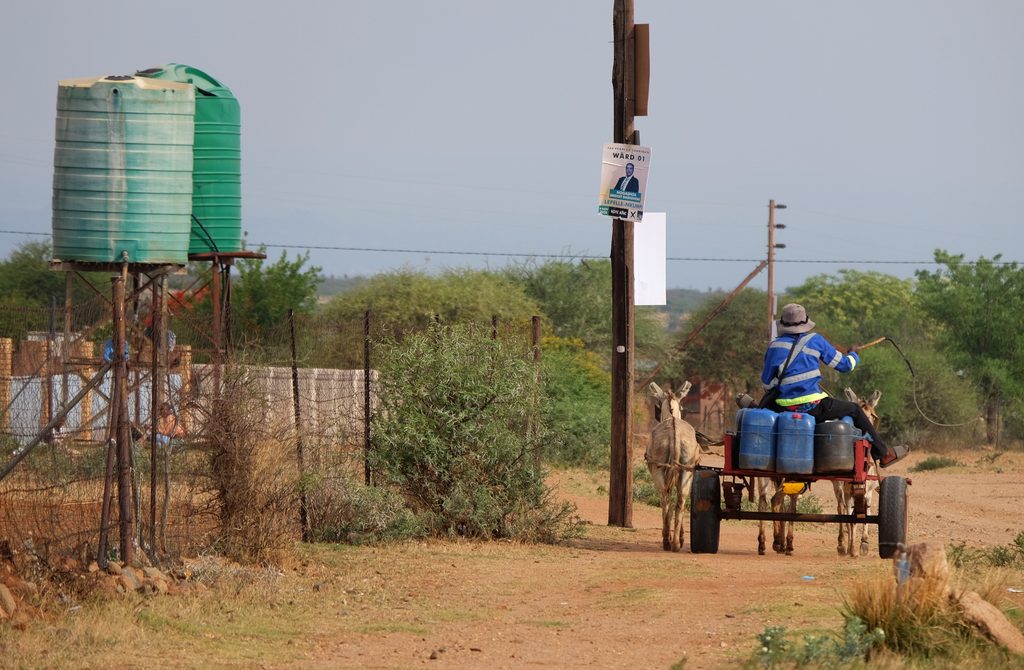
In Matikiring village, Tshepang Maswanganye spends his days delivering water to local residents using his donkey cart. He travels more than 10km daily filling up 25 litre containers from a municipal water treatment works, which he then delivers to households.
“I’m not sure if I will vote. People have been voting all these years, but we don’t see any difference. It’s like we are just wasting our time and making others rich,” he says.
Provision of clean drinking water remains the biggest challenge facing residents of the province ahead of the election. Though political parties are using this problem as a strategy to woo voters, they are not explaining how they will do that exactly.
The Auditor-General of South Africa, under Auditor-General Tsakani Maluleke, found that Limpopo’s municipalities continued to face challenges with financial management, compliance and service delivery in the 2024/25 financial year.
Of the province’s 27 municipalities, two received clean audits, 18 received unqualified opinions with findings and seven received qualified opinions. The report also found that 25 municipalities had findings relating to compliance with legislation.
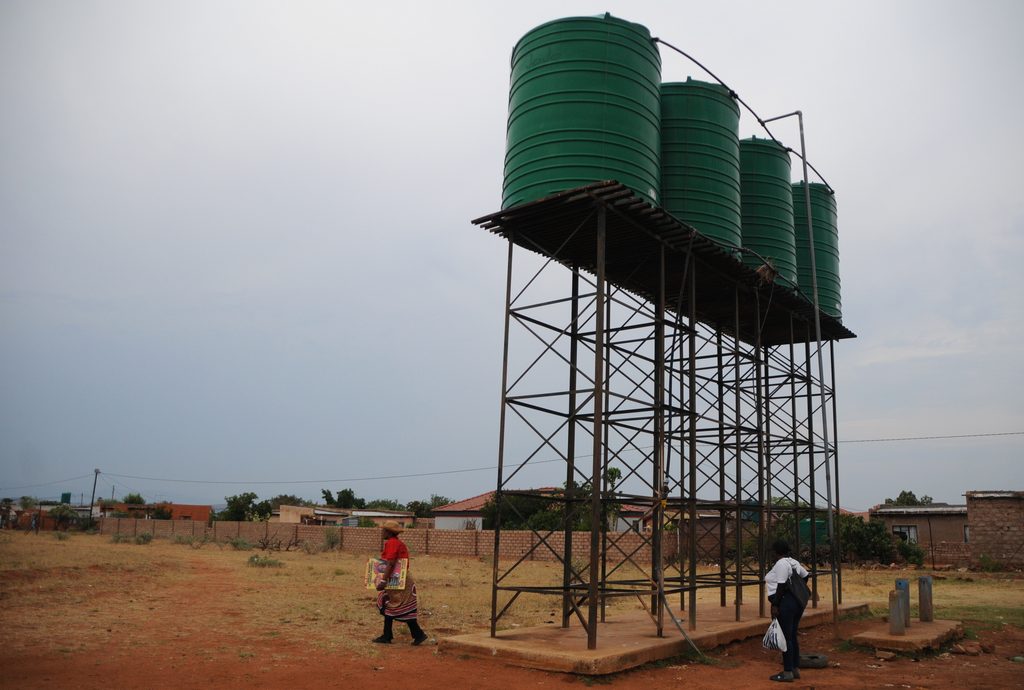
Water infrastructure remains a major concern. Ten municipalities reported water losses worth R1.29 billion, while 25 municipalities spent below the National Treasury’s recommended level on repairs and maintenance.
Professor Metji Makgoba, political commentator and lecturer at the University of Limpopo says the issue of water scarcity has become normalised, to a point “where it is common just to know that even if you are living in a city, you are likely to experience water shortages.”
He argues that political parties have no understanding of the technical issues behind service eliery failures, including water supply. He argues furthermore that they have no expertise required to fix the situation.
“And politically, the ANC has gotten used to putting people under both cultural, economic and social suffering,” he says, citing a community that has resorted to drawing water from a mountain fountain because they have lost faith in the state’s ability to provide water.
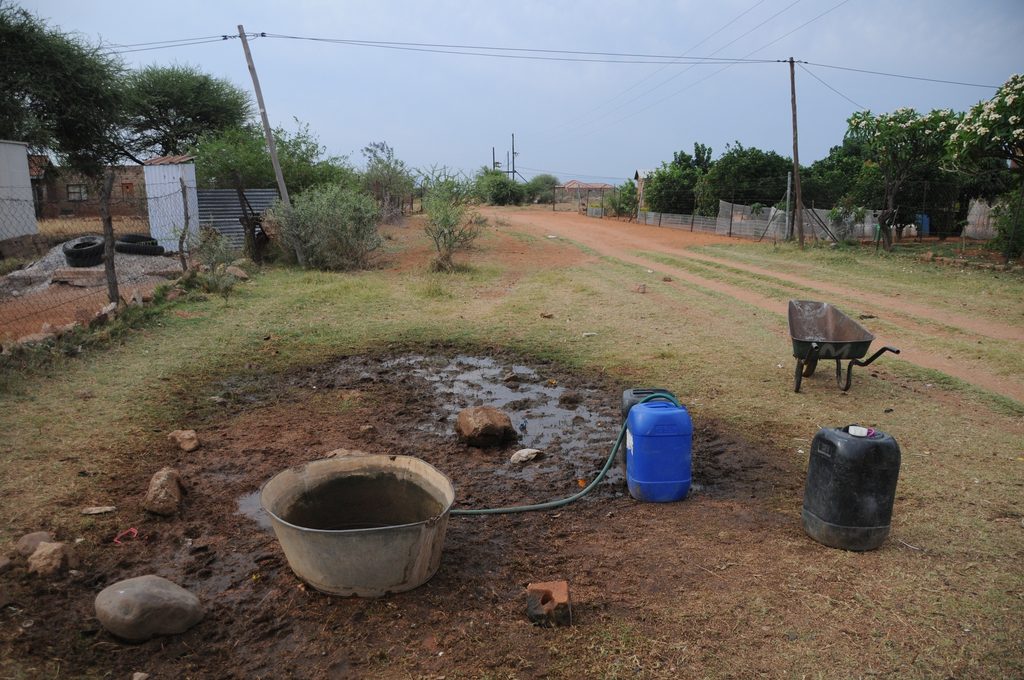
“They rely on water from the mountain because they’ve seen that if they wait on government to provide water, it’s not going to happen,” he says.
He cites inadequacy of the current water infrastructure, lack of maintenance and issues pertaining to water supply licensing.
“…the mismanagement of the borehole system where people can just dig a hole, do a borehole without proper coordination from the state and are pragmatically, I think it’s because there’s no proper system of managing water quality and decision making.” – news@mukurukuru.co.za

Be First to Comment