Last updated on 17 October 2026
On October 2, I stood on the grounds of Dr MJ Madiba Secondary School in Ga-Madiba, a village within the Ga-Mashashane area in the Limpopo province.
On that sweltering spring day, during the momentous Golden Jubilee Celebration, I witnessed the emphatic debunking of the age-old pessimistic phrase that says a prophet is not without honour except in his hometown.
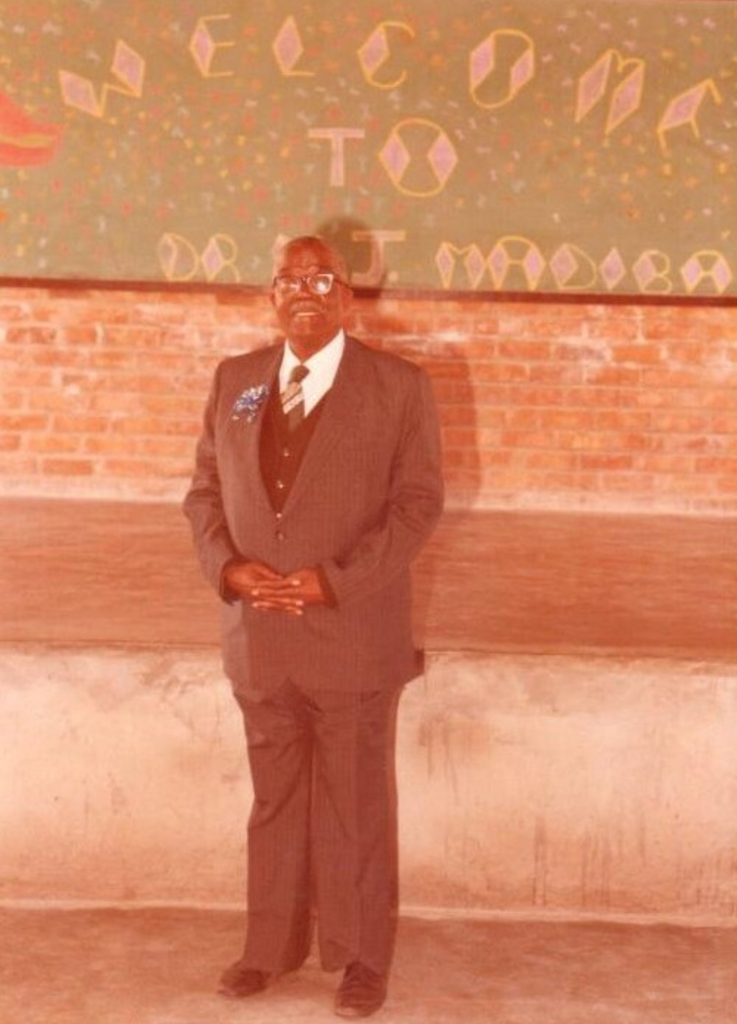
My alma mater’s golden jubilee was a fitting, long-overdue tribute to the continuing legacy of Dr Moses Josiah Madiba (Honoris Causa), an exceptional educationist, linguist, prolific author, and visionary community leader. Dr Madiba earned his stripes through decades of tireless dedication to the education sector. Among his many prestigious accolades is the 1973 conferral of an honorary Doctor of Education by the Faculty of Education of the University of South Africa (Unisa).
Madiba, who was born in Mashashane passed away on January 2, 1985. November 19 this year marks what would have been his 117th birthday. As the class of 2026 sits for their final national senior certificate examinations, this year also marks exactly 30 years since I matriculated from the public school.
Consequently, being part of the golden jubilee celebration under the resonant theme, 50 Years of Excellence to Victory, filled me with an overwhelming sense of pride, making me feel akin to a captain of the victorious Bafana Bafana 1996 African Cup of Nations squad lifting a continental trophy.
It was profoundly gratifying to witness diverse stakeholders, most notably former learners, retired educators, and community elders returning to the school grounds to share nostalgic memories and recount experiences from different eras of its rich history.
Their collective pledge to partner intimately with the school management in enhancing teaching and learning standards, spearheading infrastructure revitalisation, and supporting holistic extra-mural activities is both commendable and inspiring.
Considering Dr Madiba’s deep historical ties with institutions such as the University of Limpopo (UL), Unisa, the Pan South African Language Board (PanSALB), and Thobela FM, it was equally significant that these esteemed organisations were formally represented at the 50-year celebration. Furthermore, the Khaiso Foundation NPC cemented its evolving role as a steadfast friend of Dr MJ Madiba Secondary School, signaling a collaborative community-first approach to rural education development.
A journey of resilience
The public school was officially established in 1976 on the premises of the defunct Madenathaga Primary School, then known as Monotwane Higher Primary School located in Mohlonong village, Ga-Mashashane.
The original naming of the primary school, much like my alma mater, paid respectful homage to Nduna Sema (Madena) and Nduna Ledwaba (Thaga), who historically oversaw the Mapeding and Mohlonong villages, respectively.
In 1977, as enrollment grew, the school’s learners were temporarily accommodated on the grounds of the nearby Napo Primary School. Several dedicated teachers were seconded from Madenathaga to sustain operations, including Peter Manamela, who served as a pioneer pillar during the 1978–1979 transition years when the first two formal classroom blocks were constructed at the current location.
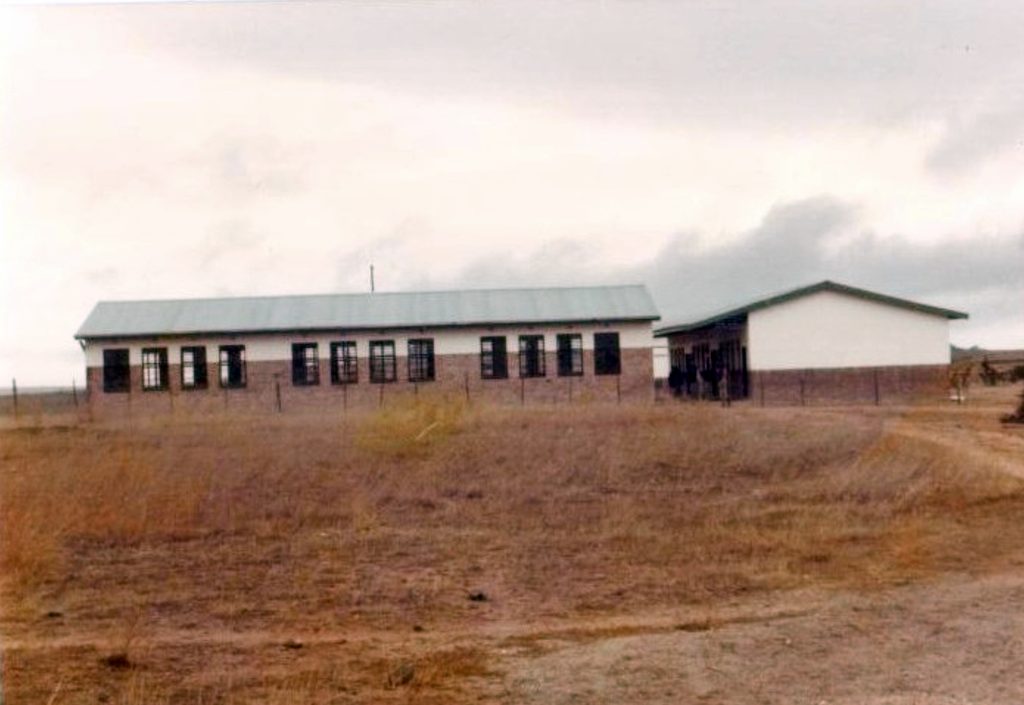
Shortly thereafter, AECI Modderfontein stepped in as a vital corporate partner, sponsoring the construction of additional blocks and generously donating essential science laboratory equipment in 1980–1981.
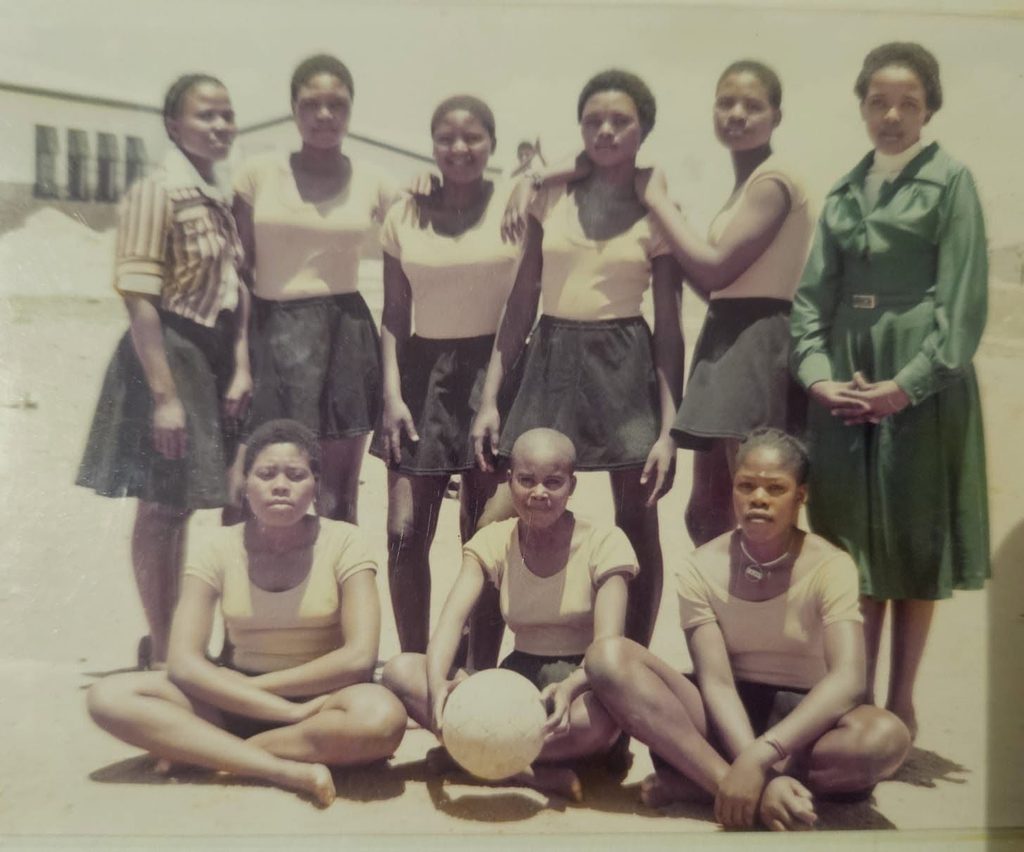
Beyond the classroom, the school fostered a vibrant culture of extramural excellence. It established its very first netball team around 1977, while the soccer team soared to prominence by emerging as the Lebowa Schools Sports Association (LSSA) champions in 1985.
The institution also boasted a star-studded softball team throughout the 1980s and 1990s, alongside a dynamic, award-winning school choir that brought immense prestige to the community over the decades.
The late James Legodi, the school’s long-serving teacher and at one point its visionary choirmaster and head of culture, deserves profound credit for conceptualising the school’s distinctive emblem around 1983—a visual symbol of unity and academic pursuit that still endures.
Leadership has been central to this journey. Seripa Adelaide Raesetja Monyamane (née Galane) was appointed as the first official principal around 1977, holding the helm with distinction until 1992. She was succeeded by a line of dedicated leaders including Lesetja Emmanuel Nyoffu (1992–2003); Stanford Ledwaba (2003–2008); Frank Moratamotho, who served in an acting capacity (2009–2011); Malose Chokoe (2012–2020); and Leseka Solomon Sepuru, who acted during 2021.
A towering educationist
Notably, Dr Johannah Rapetsoa, an exemplary female leader, has served as principal since 2022. She stands firmly at the helm as the school celebrates 50 glorious years of academic excellence and community upliftment, all while aggressively embarking on a much-needed structural and academic revitalisation journey. The public school’s stellar 100% achievement in its recent matric results serves as an encouraging beacon of what is possible when leadership, learners, and community align.
Dr Madiba played a foundational role in shaping teacher education in South Africa, holding key leadership positions at institutions such as the Pretoria Bantu Normal College, Mokopane College of Education, and Setotolwane College of Education.
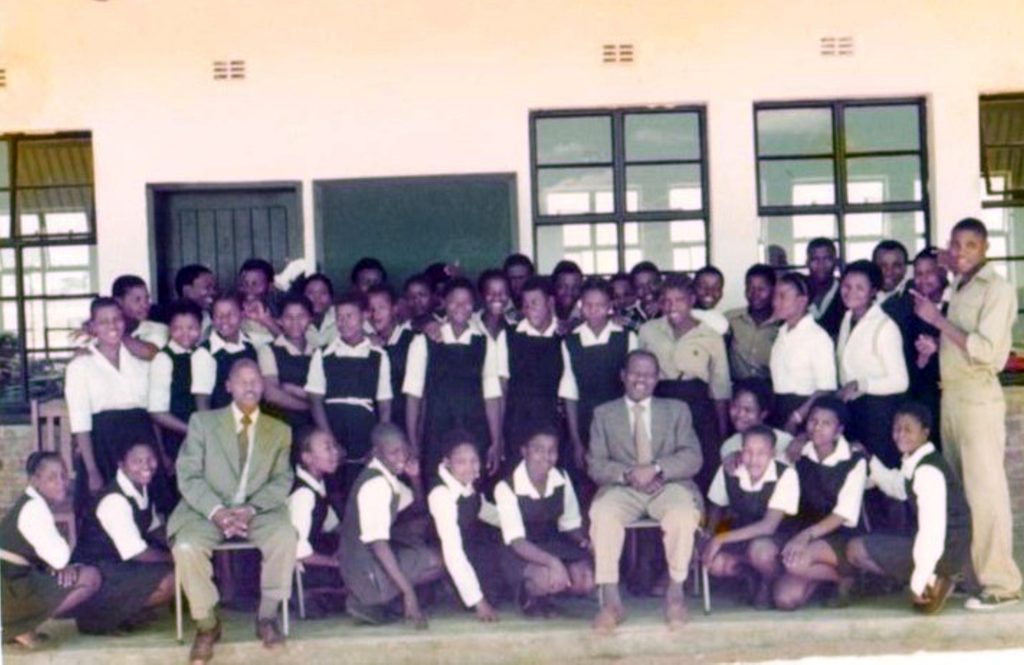
Dr Jeffrey Mabelebele, Vice-Chancellor and Principal of the University of Limpopo, formally acknowledged Dr Madiba’s instrumental role in the development of higher education in the country, expressing immense pride in the historical ties binding the university to this pioneer. We can all enthusiastically agree that UL’s continued relationship with Dr Madiba’s namesake institution is a vital bond that must be actively nurtured and expanded.
With specific reference to Dr Madiba’s role in the university’s early governance structures, history records that in 1960 he was appointed as the inaugural chairperson of the advisory council at the newly established University College of the North. He served steadfastly in this demanding position until 1973, concurrently chairing the university’s educational committee. This stellar academic stewardship culminated on May 13, 1978, in his historic installation as the university’s first African Chancellor. There is no shadow of a doubt that Dr Madiba’s history, philosophy, and institutional heritage are permanently intertwined with the University of Limpopo.
The linguistic vanguard
PanSALB’s progressive decision to transition from Northern Sotho to Sepedi nomenclature should never inadvertently erase or diminish Dr Madiba’s pioneering scholarly work in standardising and developing Sesotho sa Leboa orthography.
His immense contribution as a linguist included chairing the first Northern Sotho Language Board prior to its eventual amalgamation into PanSALB. Fittingly, the board’s deputy chairperson for the Sesotho sa Leboa language, Mr Tlakudi Moloantoa, publicly recognised Dr Madiba’s foundational role in shaping the written form of the language and preserving its linguistic heritage.
Dr Madiba was a fierce advocate for mother-tongue teaching and learning, particularly in primary foundational phases. With the United Nations General Assembly proclaiming 2022–2032 as the International Decade of Indigenous Languages (IDIL), the relevance of his philosophy is sharper than ever.
It was thus a deeply deliberate and inspired choice to invite Dr Diphete Bopape—a distinguished clinical psychologist, founder and editor of Seipone newspaper, accomplished author, and former lecturer and teacher—to deliver the key reflection during the golden jubilee celebration. Dr Bopape is a passionate protagonist of mother-tongue usage who proudly studied under Dr Madiba at Setotolwane around 1978.
A literary inspiration
The IDIL is spearheaded by UNESCO “to draw global attention to the critical situation of many indigenous languages and to mobilise stakeholders and resources for their preservation, revitalisation, and promotion.” Dr Bopape stands as an accomplished Sepedi language author in his own right, having penned celebrated works including Makgale (1978), Lenong la gauta (1982), Bogobe bja tswitswii (1985), and Rena Magomotša (1987).
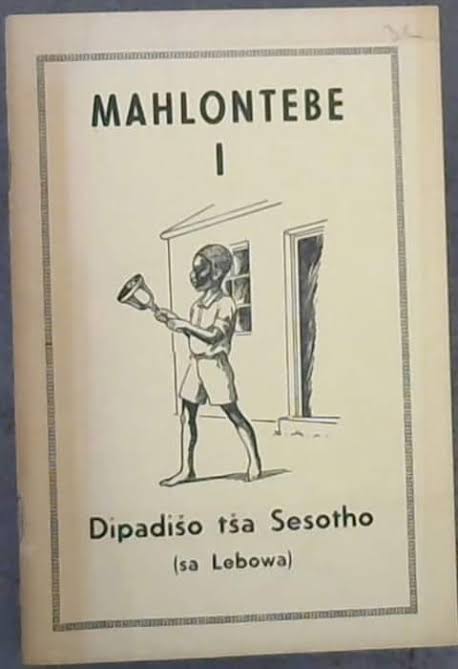
Dr Madiba’s contribution to Sesotho sa Leboa literature, spanning timeless texts such as Thuto ya Polelo (1941), Tsiri (1942), the beloved Mahlontebe series (1952), and Nkotsana (1955) continues to inspire successive generations of readers, writers, and scholars.
Attendees at the celebration fondly reminisced, quoting passages from stories they had read from his books during their school days. A particularly poignant highlight was an impromptu, moving rendition of his classic poems, Mafakudu and Sello sa mogologolo, performed by his daughters, Mme Dikeledi Maloba and Mme Dineo Leso, which transported the entire audience down a powerful lane of historical memory.
Community leader and nation builder
Beyond education and literature, Dr Madiba’s civic footprint was immense. He served as the deputy chairperson of the Lebowa Territorial Assembly and as a trusted advisor to Nkrosi Joel Sibasa II, father to the current traditional leader of the MaNdebele (Ledwaba/Maune) clan of Mashashane, Nkrosi Magadangele II. The presence of representatives from the Mashashane Tribal Council, accompanied by a resounding message of support, was a fitting testament to this deep civic lineage.
Furthermore, Dr Madiba was a devoted lay preacher and elder in the Lutheran Church, eventually rising to serve as president of the Evangelical Lutheran Church Synod, Transvaal. He also chaired the crucial constitutional committee during the historic merger of the Northern and Southern Transvaal synods, serving from 1963 as the first president of the newly unified synod.
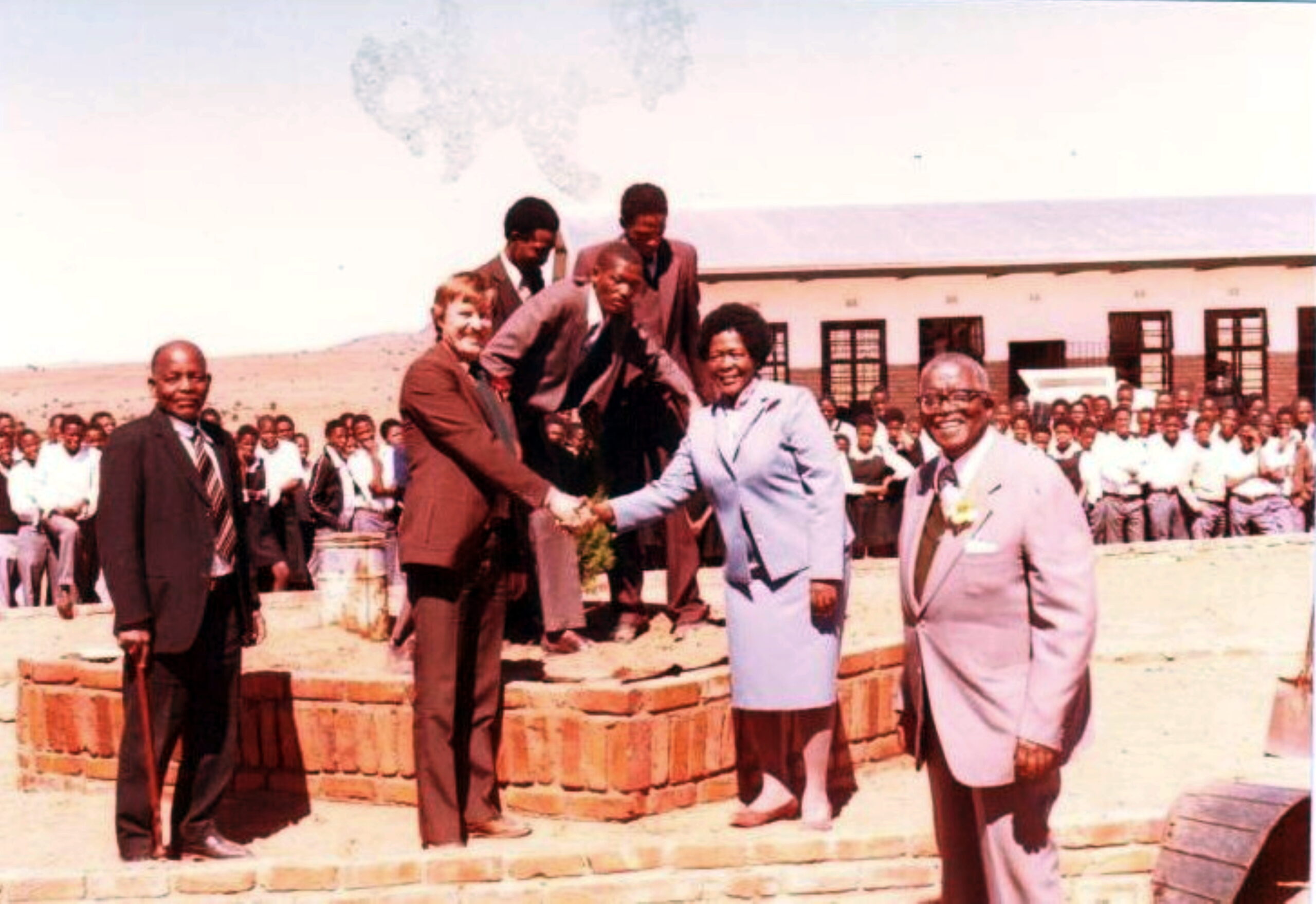
Because my alma mater is presently on a purposeful revitalisation trajectory, symbolic actions mattered deeply on the day. The ceremonial planting of 15 trees generously donated by the Polokwane Municipality not only supported the nationwide Ten Million Trees environmental campaign but also beautifully highlighted Dr Madiba’s lifelong spirit of environmental stewardship and community service.
Dr MJ Madiba Secondary School is more than just a rural educational facility; it is a true legacy institution. It is profoundly encouraging to witness diverse stakeholders, including an active and committed alumni network, pledging to work hand-in-hand to restore the school to its absolute glory days. This revitalization will be achieved, first and foremost, by actively increasing learner enrollment, enhancing infrastructural capacity, and memorialising the towering intellectual giant after whom the institution is proudly named.
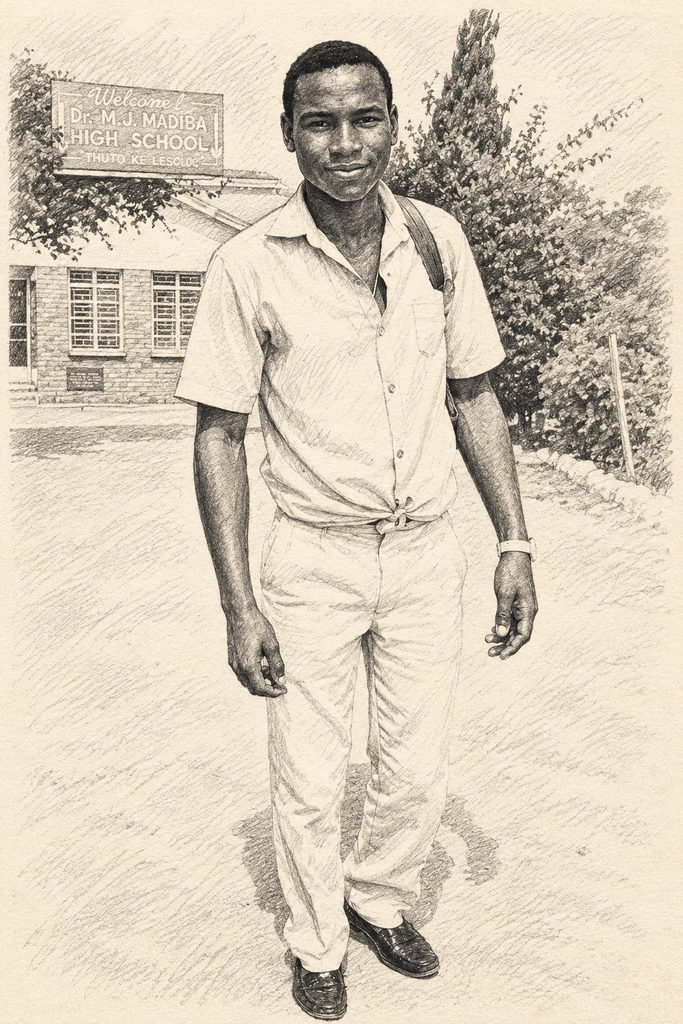
Celebration Organising Committee 2026 and
is a proud alumnus of both Dr MJ Madiba
Secondary School and Unisa.

What a vibrant story of my former School as a student from 1984-1988 this story take me back to my years as as a high school learner.Extra Mural activities was a second priority at the school with many sporting and cultural like athletics,football,netball, softball,teniquate, volleyball, monopoly,chess,table tennis,karate,dance, boxing, music,debate, gumboots dance,jazz dance,mapantsula,Accapella music, Student Christian Movement.The school use to travel the whole province in sports and make friends with other schools like Malebo(Steillop) NokoNkweTlou,Masalanabo,Kgaragara,Gaseitsiwe and many more.The farewell Functions were so vibrant with AECI sponsoring the events.As a Provincial Softball Coach and Administrator I personally would love to revive the sport at the school and produce more Provincial, national and international players from the school.Aluta Continua
Superbly researched and narrated article.
Re a leboga Nare