
Music, dance and colour filled the Meropa Hotel in Polokwane as people from across the continent gathered to celebrate what Africa has to offer. Tourism destinations, cultural products and businesses filled the venue alongside discussions about the future of tourism on the continent.
But behind the celebration was a question that has followed African tourism for years: why is it still so difficult for Africans to travel to other parts of Africa?
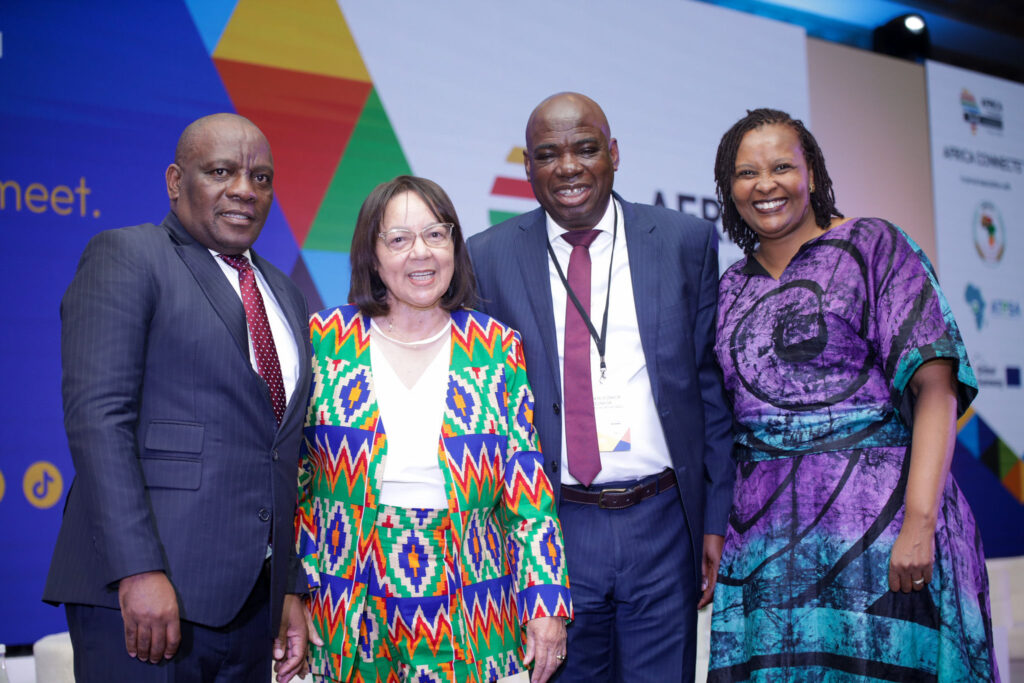
That question took centre stage at the 2026 Africa Tourism Leadership Forum (ATLF), held in Polokwane under the theme Africa Connects. Tourism ministers, industry leaders, investors and policymakers used the forum to discuss how Africa can make better use of its tourism resources and build a more connected tourism economy.
The irony was difficult to miss. The continent had gathered in one place to talk about connection, while many of the barriers that make movement between African countries difficult were being discussed inside the same room.
South Africa’s Tourism Minister Patricia de Lille called on governments, airlines, airports and private-sector players to establish viable regional routes, increase flight frequencies and bring down airfares.
“Africa must visit Africa. Africa must invest in Africa. And Africa must explore Africa,” De Lille said.
It is a simple idea, but one that remains difficult to achieve.
https://www.tourismleadershipforum.africa/2026-programme/
A continent close to itself, yet difficult to reach
African countries are neighbours, and people across the continent have traded, migrated, married and built communities across borders long before the borders of modern states were drawn. Yet travelling between those countries can still be expensive, complicated and time-consuming.
Limited flights, high airfares, visa restrictions and border challenges continue to affect movement. The issue is not only about tourists looking for holidays. Someone travelling to another African country may be visiting family, attending a cultural festival, meeting a business partner, selling products or attending a conference.
South Africa is also an attractive destination to many people from other African countries, whether they are visiting, working, studying or trading. South Africans, however, may be less familiar with tourism destinations elsewhere on the continent. Cost, limited direct routes and a lack of information can make travelling in the other direction less straightforward.
That makes intra-African tourism more complicated than simply encouraging people to cross borders. Africa needs easier travel while building greater familiarity between its destinations.
Research into intra-African tourism points to distance, cultural and geographical proximity, transport infrastructure and visa restrictions as important factors influencing travel between African countries.
https://rightforeducation.org/2026/05/25/intra-african-tourism/
This makes Limpopo an interesting place to have the conversation.
The province sits at South Africa’s northern edge and shares borders with Botswana, Zimbabwe and Mozambique. Its position places it close to three countries, but those borders do not automatically make movement between neighbouring communities easy.
De Lille said South Africa’s efforts to manage irregular migration and strengthen border security should not be understood as a move towards isolation. Countries can secure their borders while making lawful travel and trade easier.
That balance matters as African countries push towards greater regional integration. Easier travel does not mean immigration and border requirements should disappear. People entering South Africa must comply with the country’s laws and requirements, just as South Africans travelling elsewhere on the continent are expected to comply with the laws of those countries.
South Africa also faces the practical challenge of managing irregular migration, particularly along its land borders. Stronger border controls and efficient systems can help ensure that movement takes place within the law, while legitimate travellers, tourists and businesses need clear and accessible processes.
The Southern African Development Community has also linked regional connectivity with tourism development, economic growth, investment, employment and regional integration.
A cheaper flight between neighbouring countries can mean more than another tourism route. It can allow a small business owner to attend a regional market, make it easier for a musician to perform across borders or allow a family to visit relatives.
Connectivity can become a bridge between economies. When routes are limited and fares remain high, that bridge becomes difficult to cross.
Tourism is bigger than hotels and game reserves
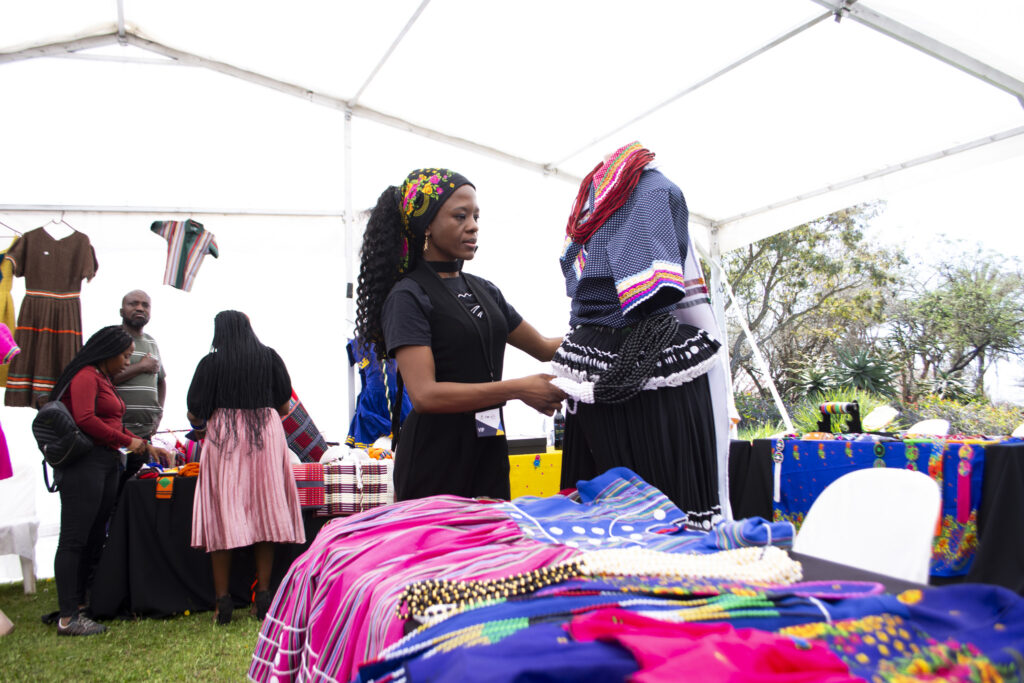
The discussions in Polokwane also highlighted the businesses that sit around the tourism economy.
Seventy-four entrepreneurs showcased their businesses during the forum’s entrepreneurship boot camp, with businesses spanning food, agriculture, beauty, manufacturing and fashion.
Lia’s Ultimate Go Away Beauty Bar was among them, alongside businesses presenting African clothing, custom designs, fresh vegetables, traditional attire, baked products and ginger-based beverages.
These businesses may sit outside the traditional image of tourism, but they form part of the experience visitors encounter when they arrive somewhere. A visitor eats local food, buys clothes, purchases a locally made product, uses local transport or attends a cultural performance.
Money spent through these activities can move through communities, making the question of who benefits from tourism important.
Emily Mburu-Ndoria, director of Trade in Services, Investment, Intellectual Property Rights and Digital Trade at the AfCFTA Secretariat, urged delegates to look beyond discussions and consider how African tourism can build stronger businesses and value chains within the continent.
The aim includes enabling more Africans to travel within Africa while making destinations more connected and competitive.
That places tourism within the wider African integration project, with partnerships linking tourism businesses to agriculture, manufacturing, transport, fashion and entertainment.
Hosting ATLF in Polokwane also allowed Limpopo to present itself as more than a province known mainly for wildlife.
Premier Dr Phophi Ramathuba described tourism as the backbone of the provincial economy and said Limpopo wanted to position itself as a gateway to trade, investment and cross-border partnerships.
“We want investors to see the opportunity. We want businesses to find new markets. We want entrepreneurs to establish meaningful partnerships and communities to benefit from inclusive economic growth,” Ramathuba said.

About 70% of the Kruger National Park’s land area is located in Limpopo. The province also has cultural and historical sites, landscapes, wildlife and communities whose livelihoods are connected to agriculture, tourism and other economic activities.
Its location gives it another advantage. Limpopo can potentially form part of tourism routes connecting South Africa with Botswana, Zimbabwe and Mozambique.
Limpopo MEC Tshitereke Matibe said the province had not been marketed enough to global tourists despite its potential. He also highlighted air access and road infrastructure as important to future growth.
Without reliable transport, even a destination with strong attractions can remain difficult to reach.
Guy Stehlik, founder and CEO of BON Hotels, pointed to access, infrastructure, demand, government and local communities as factors that influence whether tourism projects succeed.
Tourism happens in communities. A local farmer may supply vegetables to a lodge, a driver may transport visitors, a young person may work at a hotel and a designer may sell clothing to tourists.
The success of tourism should therefore not only be measured by arrivals or hotel occupancy. It should also be measured by what happens to the people living around the destinations.
UNESCO Director-General Khaled El-Enany highlighted the importance of creative industries and transport infrastructure in diversifying tourism and spreading its benefits more widely.
That approach is particularly relevant to African tourism, where culture is not simply something presented to visitors. Music, dance, food, clothing, language, storytelling and heritage form part of the identity of communities across the continent.
The challenge is building a tourism economy that allows communities to benefit from sharing that identity without reducing culture to a product.
Polokwane puts the spotlight on the next step

Kwakye Donkor, CEO of Africa Tourism Partners, said bringing ATLF to Polokwane gave the city international visibility that would otherwise take considerable time and resources to build.
Secondary cities such as Polokwane often sit outside the global tourism spotlight despite being gateways to surrounding destinations. Hosting a continental forum can change that visibility, but the real test begins after the delegates leave.
A successful tourism forum cannot be measured only by the number of people who attended, the deals discussed or the photographs taken. It must eventually be seen in better connections, more visitors, stronger businesses and greater opportunities within communities.
Mburu-Ndoria stressed that the real measure of the discussions would be the progress made after the forum. That includes making it easier for Africans to travel within Africa, strengthening tourism businesses, improving connections between destinations and creating stronger regional value chains.
The connection must also recognise the realities facing individual countries. South Africa can welcome tourists, investors and businesspeople from across Africa while maintaining clear immigration rules and stronger border management. Easier lawful movement should not be confused with unrestricted movement.
The same principle applies across the continent. African countries need to make legitimate travel easier while ensuring that visitors comply with the laws of the countries they enter. – news@mukurukuru.co.za

Be First to Comment