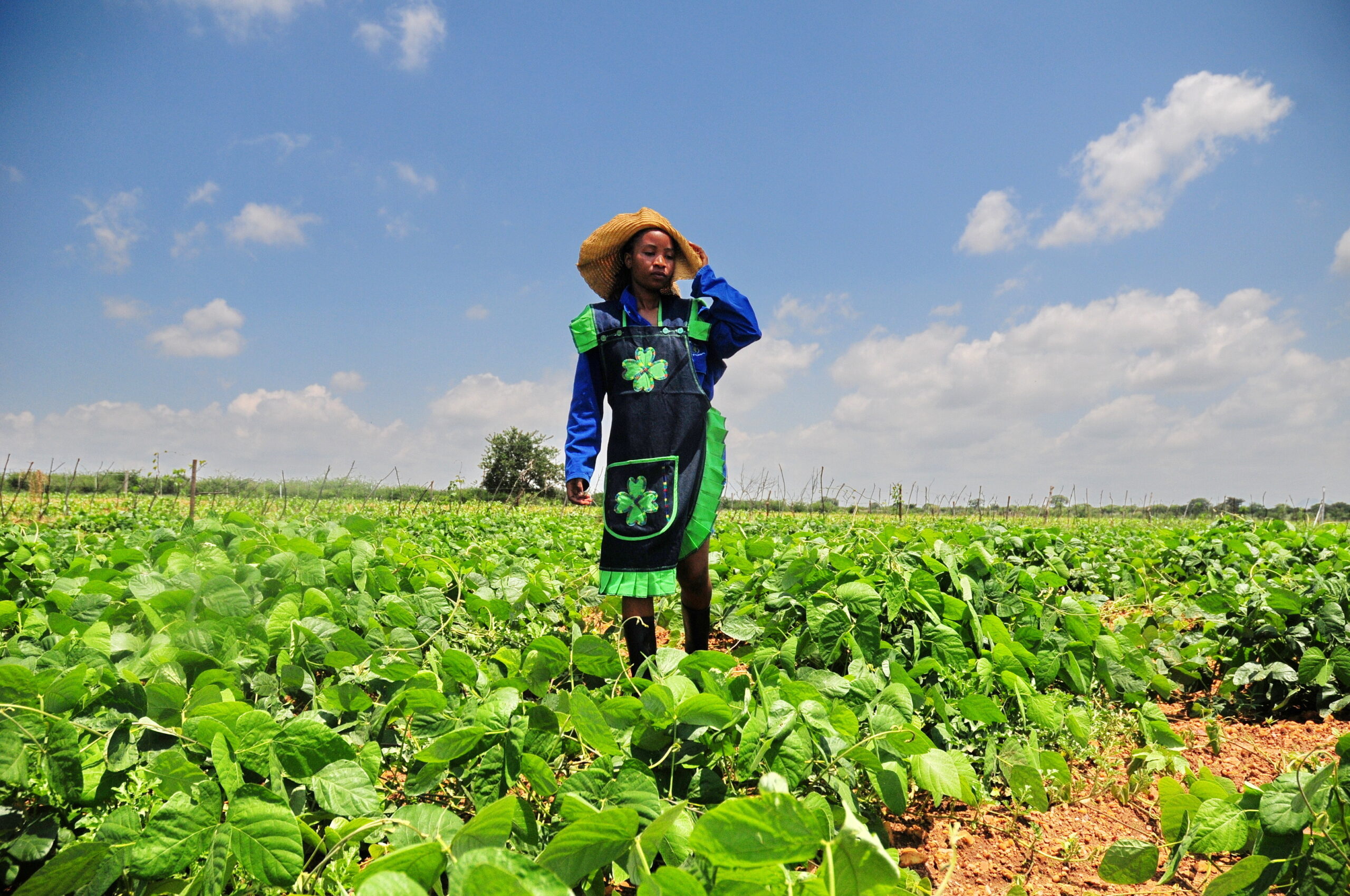
IN a village where farming in livestock and maize has been a norm for decades Liza Legodi is taking a different route.
The 24-year-old human resources management graduate and her pensioner father Lesiba Office Legodi farm coffee beans in Bellingsgate, a rural village under the Ga-Mashashane traditional authority in Limpopo province.
The father and daughter team ventured into this unusual crop a year ago on the family’s 1-hectare plot of land located in the village’s communal agricultural land where maize is the popular crop of choice.
“This bean is nothing short of a beautiful miracle bean. Since we started planting it, it has never posed any challenges that are usually experienced with other crops such as diseases or being eaten by pests and livestock. It’s a beautiful bean and it produces great portions each year,” said Legodi.
They have already enjoyed a good harvest, producing more than a dozen bags full of beans.
Legodi grew up in this community where families produced their own food in their yards and on the standard 1-hectare allocated by the traditional authority. But the old hand who retired after a life of migrant work in Gauteng a few years ago, had no experience growing coffee beans when they first planted in November 2022.
The initial bean seeds were given to Liza by her great-aunt who revealed they used to farm these “loooong ago.”
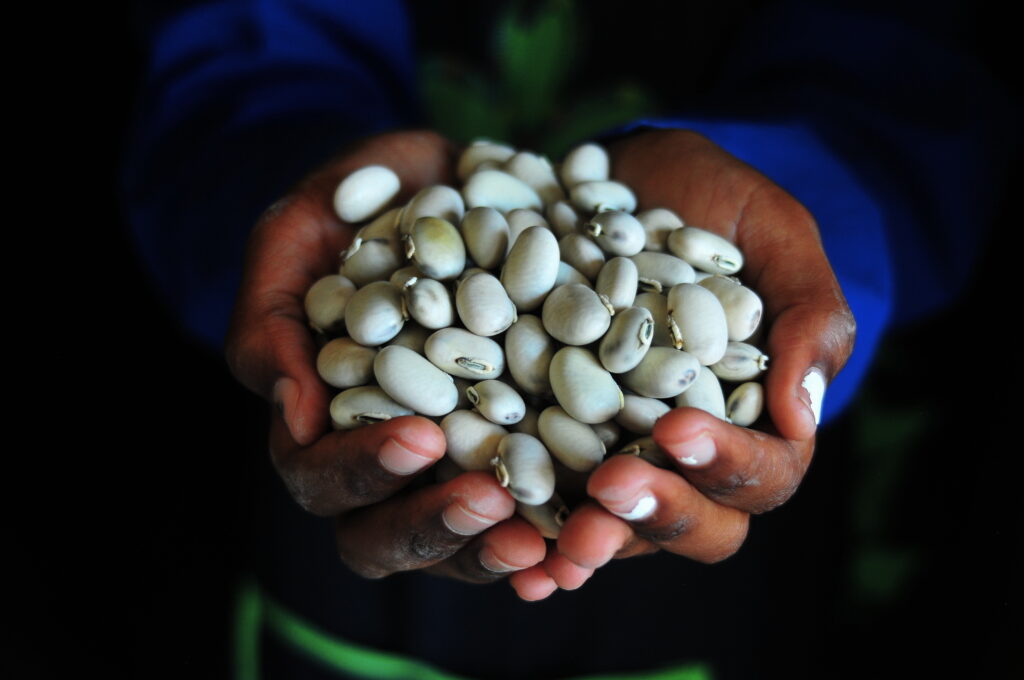
The father and daughter team devoted their time to farming the bean, using their bare hands to clear the land. Legodi also saved up money from his state’s old age pension to pay for a tractor to till the land before planting.
“I did not know how coffee beans are grown until we planted it and learned about it along the seasons until we harvested it. The harvest takes place in June and this will be our third harvest since we started farming the beans in 2022,” said Liza, pointing her hands over the green crop spread out in the red sand.
For Liza this project has ignited her passion for farming and she is now trying to break into the commercial coffee market. Liza is learning all about farming and is confident that their coffee beans have a fighting chance in the coffee market.
“We harvest the coffee after nine months from planting it in November. We do everything ourselves from harvesting the beans, to frying, crushing and grinding them,” she said.

The final product is ground into different textures and then measured on a scale before being packaged into plastic bottles. At the moment the coffee is sold to the local community and at events such as markets and pension paypoints.
Last year Liza harvested 11 bags of white beans which they haven’t processed yet due to the labour intensity of the process.
“It’s very challenging to do everything by hand because it’s only me and my dad in this farming thing, and these types of beans are hard to peel so getting them to the final product is hard and takes time,” she said.
One of the challenges presented by working from communal land is the lack of access to resources such as boreholes.
“The challenge we have is that we struggle with water so we depend on the rainy season which is when we grow our coffee in October and plant the beans by hand,” said Legodi.
Liza uses social media to let people know of the coffee beans that she and her family sell from their homestead farm.
“Growing up I always had a love for agriculture but I never thought I would be a coffee farmer,” she quipped. “Our coffee has no preservatives, it’s just pure coffee that one can enjoy without worrying about allergies and added spices in it,” said the young farmer.

While South Africans love their coffee the country is however is not among the top producers of the crop. Ethiopia is among the biggest producers of coffee in Africa and fifth in the world.
Ethiopia accounts for nearly 40% of Africa’s coffee where the main coffee species are organically grown.
However in recent years South Africa has gained popularity as the largest coffee market in sub-Saharan Africa and mainly imports commodity-grade coffees, more farmers are growing it across provinces such as KZN, Eastern Cape, Mpumalanga and Limpopo due to their unique microclimates.
According to Statista in terms of per capita figures, South Africa will generate a revenue of US$6.82 per person in 2024. Moving on to the volume aspect of the coffee market, it is expected to reach a volume of 28.8m kg units by 2028. Additionally, the market is projected to show a volume growth of 7.5% units in 2025.
Lastly, the average volume per person in the Coffee market in South Africa is expected to be 0.37kg units in 2024. South Africa’s coffee market is witnessing a growing demand for specialty and ethically sourced beans. Besides farming coffee Liza said she dreams of becoming an agricultural instructor. Their final product is named Liza’s Classic Coffee, which is preservative-free, emphasizing purity and natural flavour.
“We package our product ourselves and sell it to the community. For now, we are still at the initial stages of everything with our coffee business and we can see its potential,” she said.
Liza is currently seeking ways to raise funds to help improve her operations.
“If we find the right support, we will be able to plant on much bigger land. That way we can also create job opportunities for many young people who are unemployed in our village and surrounding areas. That is my greatest wish, to see that our work helps to empower our community,” she said. – news@mukurukuru.co.za

Be First to Comment