Mokgadi Mogy Mashako
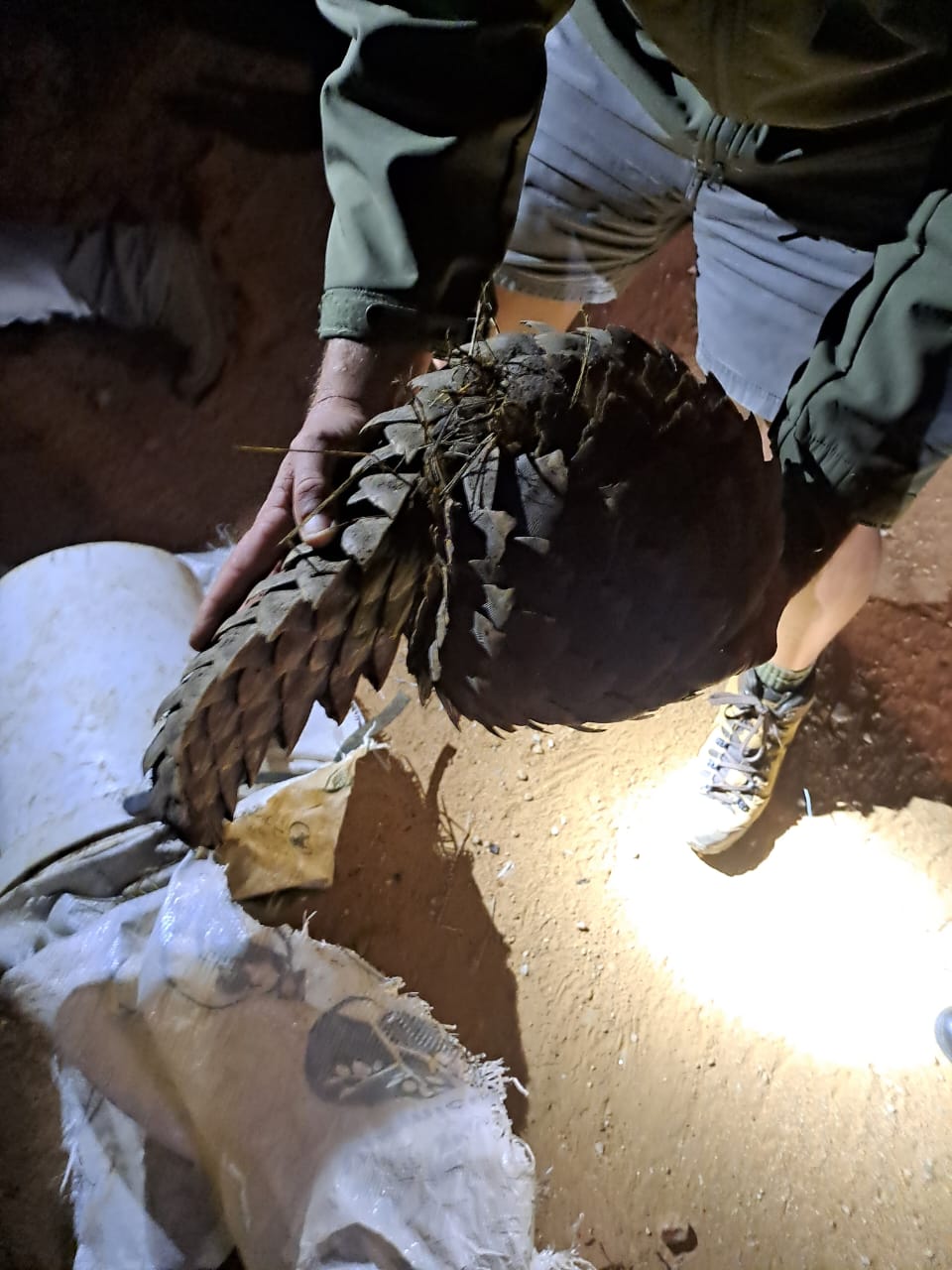
In a bitter turn of events, a pangolin rescue mission orchestrated by South African National Parks (SANParks) has unearthed a harsh truth that underscores the challenges faced in combating wildlife crime.
In a bittersweet moment for South African National Parks (SANParks), a pangolin rescue mission has shed light on the deep-rooted challenges in the fight against wildlife crime.
As the operation unfolded, earlier this month, SANParks uncovered a disturbing truth that exposes the cracks in the system. The joint effort involving SAPS, Care for Wild Rhino Sanctuary, Focused Conservation Solutions, and Farm Watch Forums in Hoedspruit led to the arrest of four suspects, including a field ranger.
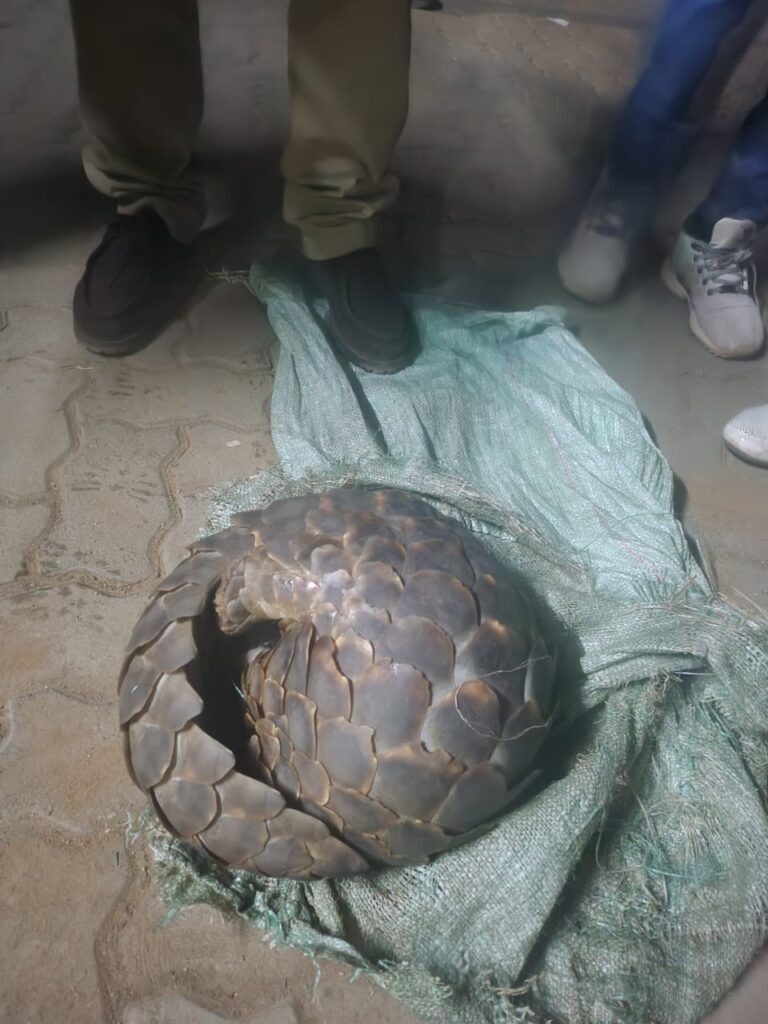
This alarming revelation serves as a stark reminder of the ongoing battle to protect endangered species and calls for renewed efforts to address the infiltration of illegal dealing within wildlife conservation.
“In a sense we have lost a colleague and we feel betrayed. The second thing is that we are happy at the same time that he is out of the system, obviously we are cognisant of the fact that he is deemed innocent until proven otherwise,” said SANparks spokesperson Isaac Phaahla.
In the last decade, approximately one million pangolins are believed to have been poached, but the actual number remains unverified due to the interception of only about 10% of the illegal pangolin trade, leaving the majority undetected.
“We are battling with the problem of infiltration, and we are happy if one [ranger] is taken out and further investigations are going to see if he didn’t get any assistance from his colleagues, if he implicates anyone else.
“We always speak to our colleagues about the short-term gains that they think they can make through criminal work. And we tell them about the long-term damage that’ll affect their legacy,” Phaahla said.
Pangolin scales contain keratin, a protein also found in rhino horn and human fingernails, which makes the animal the most trafficked mammal on Earth. The International Union for Conservation of Nature has noted the dire conservation status of pangolin species, which range from vulnerable to critically endangered on its Red list.
Tabling her department’s budget vote this month, Forestry, Fisheries and Environment Minister Barbara Creecy highlighted the development of SANParks Vision 2040 which urges all citizens to participate in “co-creating a new future for conservation in and through national protected areas.”
“In additional to initiatives to address visitor safety and combat marine and terrestrial wildlife crime in all our national parks, SANParks has deployed the Sea-Air-Mountain team in Table Mountain National Park to address safety concerns, wildlife crime and search and rescue,” she said.
Creecy added that SANParks is set to donate 2448 plains game and 12 high value species to emerging game farmers in aims of contributing to the expansion of the wildlife economy.
Despite a policy in 2016, which prohibits international commercial trade in all pangolin species, pharmaceutical companies and hospitals in Mainland China are still permitted to trade in traditional Chinese medicine (TCM) containing pangolin scales.
Research by the Environmental Investigation Agency into the online availability of TCM products containing pangolin scales in 2022, identified a minimum of 57 such products, manufactured by 47 Chinese companies. This finding is concerning as the demand for pangolin scales in TCM is one of the key drivers of pangolin poaching and illegal trade.
Pangolin poaching is regarded as an offense in terms of Section 101 (a) of the National Environmental Management: Biodiversity Act (Act no. 10 of 2004) (NEMBA). If convicted, a poacher is subject to a penalty in terms of Section 102 of NEMBA. Depending on the possession of pangolins, convictions can result in sentences ranging from 10 years of imprisonment to substantial fines.
“If they [rangers] have problems or if they are being coerced or intimidated they know that we have a wellness office that will take care of them. We speak to them all the time about criminality, about being able to resist.
“So we don’t want to be dealing with colleagues who are being arrested because that taints the hard work of other colleagues who are working the ranks,” Phaahla added.
Countries such as Cameroon, Lao PDR, Malaysia, Nigeria, Thailand, and Vietnam have been identified as other significant source, transit, and consumer countries with potential domestic markets for pangolin parts and derivatives.
The 19th Conference of the Parties to the Convention on the International Trade in Endangered Species of Wild Fauna and Flora (CITES) noted that at least 350 tonnes of pangolin scales have been trafficked internationally between 2010 and 2011.
The parties involved were strongly encouraged to support COP13 Doc 71.2, a proposal aimed at reinforcing resolutions on the conservation and trade of pangolins.
Some recommendations included the improvement of “enforcement action by conducting intelligence-led and post incident investigations, strengthening efforts in key border regions and ensuring effective support for enforcement personnel.”
Tags: #WildlifeTrafficking #Pangolin #COP19 #EndangeredSpecies #SANparks

Be First to Comment