Limpopo Premier Dr Phophi Ramathuba highlighted economic gains the province has made in her Freedom Day speech but some residents said the realities on the ground remain difficult, with basic services and employment still major challenges.
“We are not free when people go to bed hungry, share water with animals, and still face unemployment in our communities,” said Thabelo Nengovhela from Tshimbupfe in the Vhembe District.
He said many communities are still struggling with water shortages, poor roads and limited opportunities for young people.
“What is freedom without water, roads and jobs? For us on the ground, these challenges are still part of our daily lives,” he said.
From the Sekhukhune District, Colbert Kekana said unemployment remains high despite economic activity in mining areas.
“Unemployment is still very high here even though we have mines operating in the area,” Kekana said. “Many young people are sitting at home without jobs, and they are not benefiting from the resources that are supposed to create employment in our communities. It feels like economic opportunities are not reaching ordinary people, and that is very frustrating for residents.”
Ramathuba said the province is intensifying efforts to grow its economy, create jobs, and expand key sectors despite ongoing challenges such as unemployment, infrastructure backlogs, and flood-related damage.
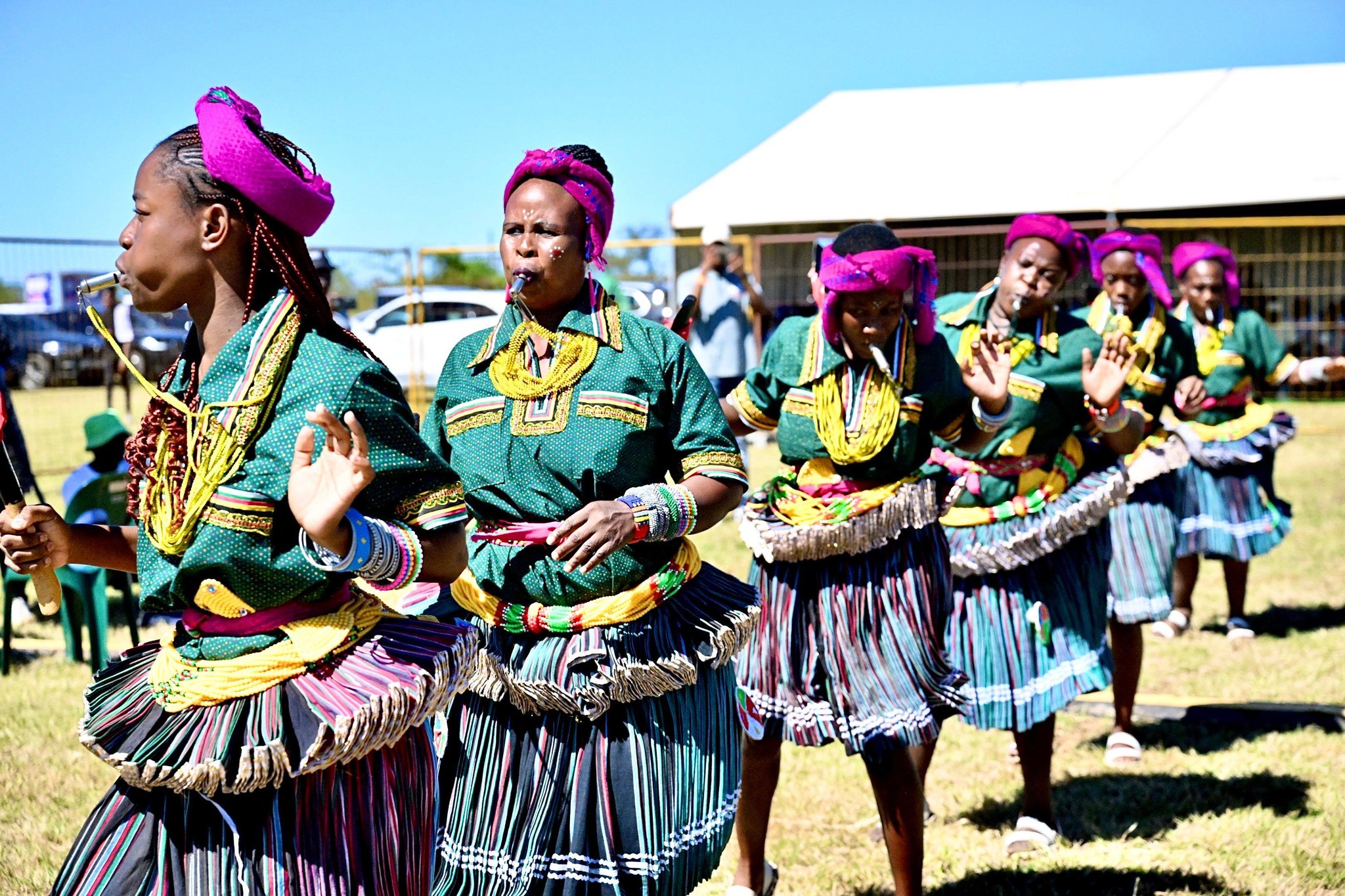
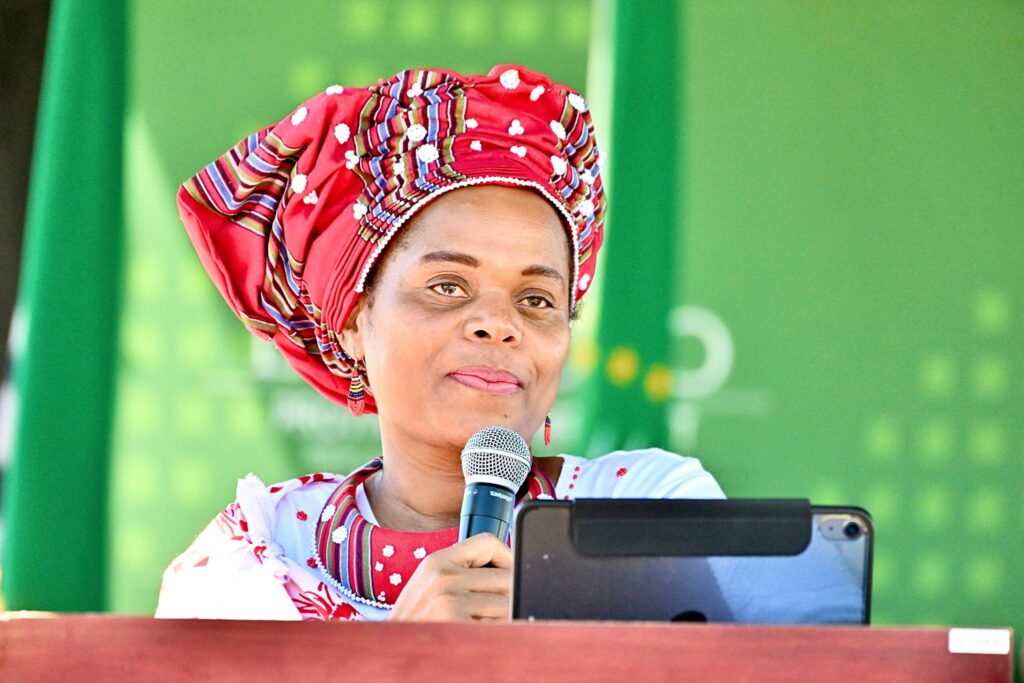
Speaking at the Freedom Day commemoration in Collins Chabane Local Municipality, Ramathuba said the province is positioning itself as a growing contributor to South Africa’s economy through targeted investment and sector development.
She said Limpopo continues to show progress in key economic indicators.
“We are increasing our contribution to the gross domestic product and we are among the top two provinces in reducing unemployment,” Ramathuba said.
Government outlines economic strategy and investment drive
Ramathuba said the province is prioritising sectors with strong job creation potential, including mining and beneficiation, agriculture and agro-processing, tourism, manufacturing and skills development.
She said these sectors are central to transforming the provincial economy and ensuring broader participation, especially among young people.
“We are changing economic fortunes by investing in sectors that matter, mining and beneficiation, agriculture and agro-processing, tourism, manufacturing and skills development,” she said.
She added that government is also strengthening infrastructure and education to support long-term growth.
Projects include the reopening of Lemana College, the operational Tshwane University of Technology campus in Giyani, and progress on the Sekhukhune Mining Beneficiation Academy.
Ramathuba said health infrastructure is also being expanded through the Central Academic Hospital project, which is expected to reduce pressure on referrals to other provinces.
“These are not empty promises. These are investments in a future where our young people are not spectators in the economy, but active participants in it,” she said.
Recovery efforts and inclusive growth outlook
The Premier acknowledged that recent floods have disrupted parts of the province, damaging infrastructure and affecting livelihoods.
She said government has prioritised rebuilding roads, restoring access to communities, and supporting affected households.
“We have not abandoned them. We have not forgotten them. We have stood with them and we will continue to stand with them,” she said.
Ramathuba added that democracy must deliver tangible improvements in people’s daily lives, including jobs, services and infrastructure.
“Freedom is not a once-off event, it is a living responsibility,” she said.
She said Limpopo’s long-term strategy remains focused on inclusive economic growth, job creation, and strengthening the province’s role in the national economy. – news@mukurukuru.co.za

Be First to Comment