Last updated on 5 June 2026
At 24, Mzimasi Jalisa, now 31, was at an age when the pull of South Africa’s cities was at its strongest.
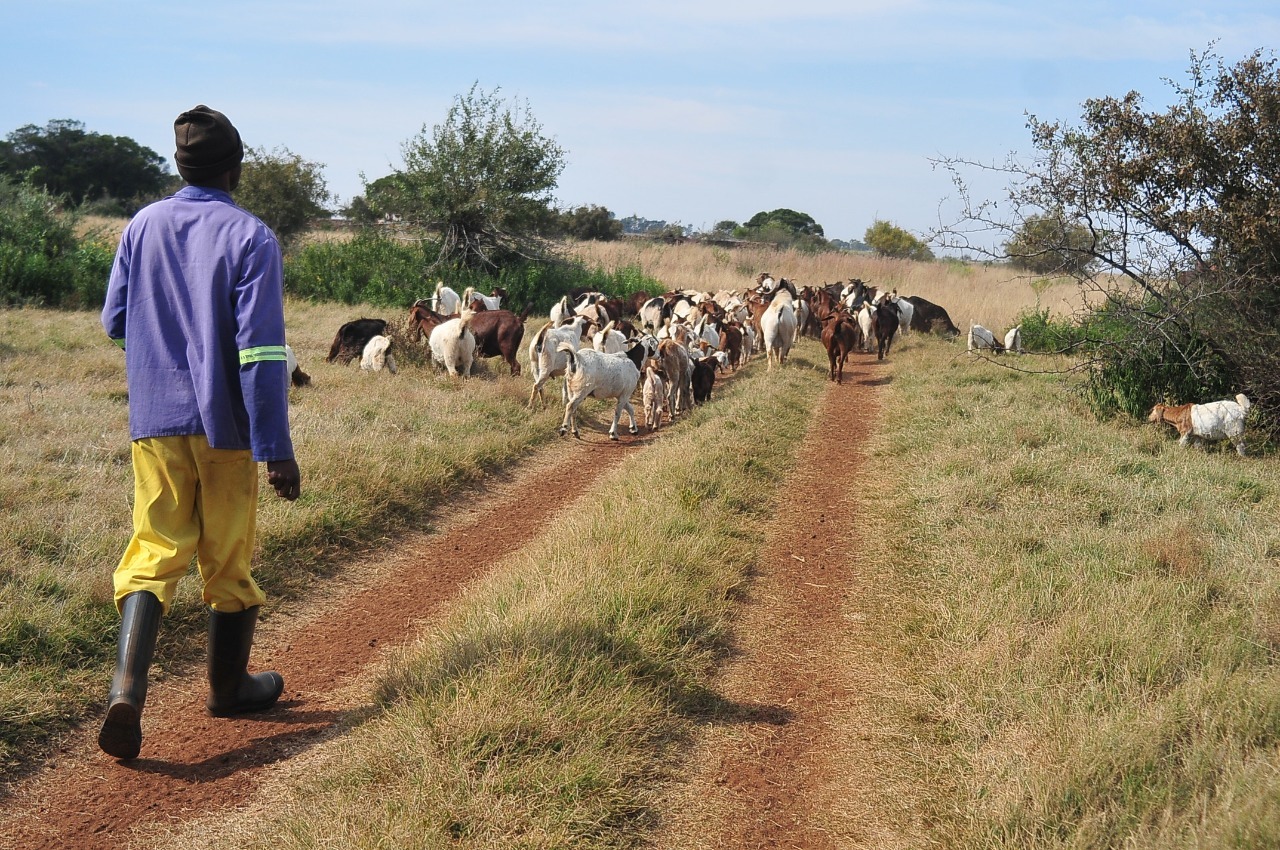
But after completing his honours degree, Jalisa went back home to Mputhi in the Eastern Cape, drawn to the land his peers had left behind.
Returning home to no inherited land, machinery, or generational wealth, Jalisa began building a legacy on communal ground without a title deed to offer as security — navigating an industry that he notes has historically found it “very difficult to trust a black-owned business.”
“It is easy when you inherit a farm from your parents,” he explains. “But it’s very difficult to start a farming business when you are first generation… You are starting from scratch every day. It’s challenging. It’s going to challenge you. It’s going to make you think. It’s going to cost you money. It’s going to take your time,” he said.
In Jalisa’s world, every furrow ploughed and every ton of maize harvested is a revolutionary act of starting from nothing, proving that the land is not just a place of struggle but a site for a new kind of economic liberation.
The individual struggle of farmers like Jalisa is mirrored by a systemic shift in how development capital is managed.
Chairperson of the Kgodiso Development Fund (KDF), Setlakalane Molepo argues that in a nation defined by deep-seated inequality and poverty, integrity is a moral obligation and a foundational requirement, not an optional extra.
He identifies a profound trust deficit currently hampering South African growth, asserting that “public trust is amongst the most valuable forms of capital any institution can possess”.
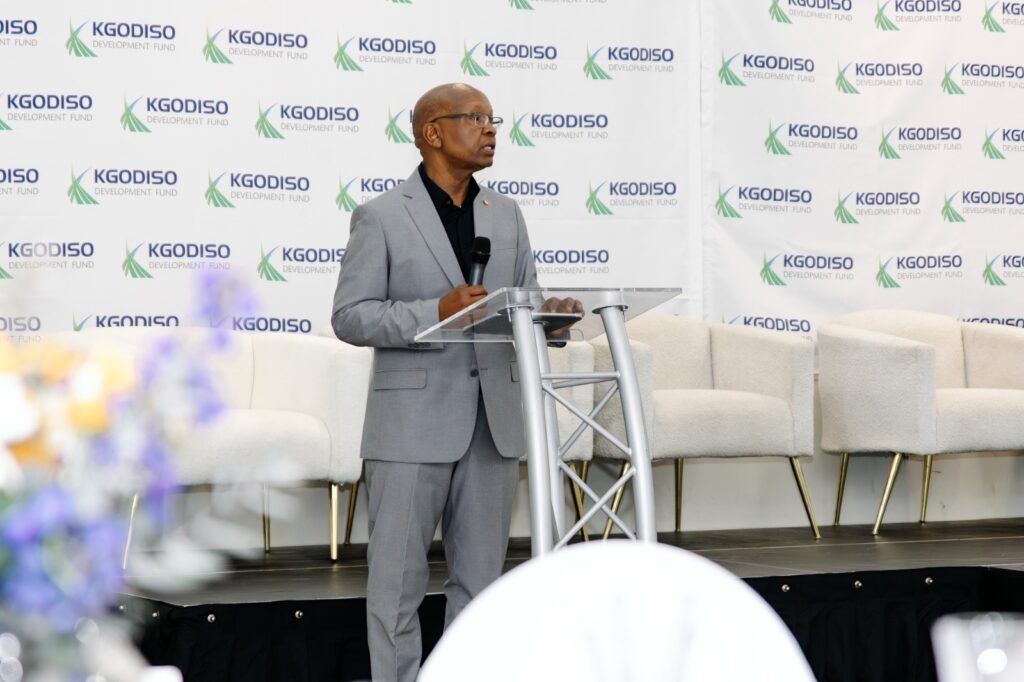
By ensuring that development is pursued as an act of patriotism rather than mere corporate policy, the KDF fund seeks to demonstrate what becomes possible when “capital is guided by conscience” to deliver meaningful, lasting developmental value.
This approach moves beyond traditional finance, positioning the fund as a catalytic partner in the country’s broader mission of socioeconomic justice.
Weaving a tapestry of local resilience
In KwaZulu-Natal, Zovuyo Ngejane employs 12 staff at Lucknow Farm, turning practical diversification into commercial scale. In Mpumalanga, 31-year-old Simphiwe Mabuza manages a 553-hectare grain operation, embodying the youth-led shift toward “self-liberation” and trust in the sector.
The North-West’s Botlhale Tshabalala demonstrates collective strength; his maize project created 60 temporary jobs this harvest, securing food for communal landowners through a resilient cluster model.
Finally, in the Northern Cape, third-generation farmer Petrus Johannes Coetzee has upgraded his 23-hectare vineyard to support 50 seasonal families.
“It’s about dignity,” Coetzee asserts, reflecting a shared truth: black farmers are no longer waiting for permission to succeed – they are anchoring the nation’s food security through grit and targeted, patient support.
Barriers to reaching commercial scale
The barrier to reaching a commercial scale is rarely a lack of agricultural skill, but rather a rigid collateral trap for farmers like Jalisa and Ngejane. Despite managing hundreds of hectares, many black producers operate on communal land governed by Permission to Occupy (PTO) status or short-term lease agreements—documents that traditional commercial banks often dismiss as insufficient.
Without land title deeds to offer as security, the gates to private capital remain locked, reinforcing a trust deficit that has historically excluded emerging black-owned enterprises from the financial mainstream.
This structural exclusion is underscored by a stark reality: black South Africans own a mere 4% of agricultural land in the country. This disparity leaves producers vulnerable to more than just financial shifts; they are, as Northern Cape farmers poignantly described during the 25 May KDF report launch, farming outside without a roof.
Unlike established commercial dynasties, these first-generation producers face increasing climate shocks—from devastating floods to recurring droughts—without the roof of flexible insurance or the 10-to-12-year loan tenures that allow a business to survive the cycles of the earth. In this unforgiving environment, a single bad season is not just a loss of profit; it is a direct threat to the rural dignity and family legacies they are struggling to cultivate.
How Kgodiso Development Fund is planning to level the farming fields
The Kgodiso Development Fund (KDF) was born from PepsiCo’s R26-billion acquisition of Pioneer Foods in 2020. The fund represents a R600-million public-interest commitment specifically designed to plug the gaps where traditional finance fails.
Of this total, R300 million is laser-focused on upscaling emerging farmers—moving them from potential to progress by offering preferential loans priced at Prime less 2%.
For the producers in Mputhi or Kokstad, the fund is more than a balance sheet; it is a partner that recognises Permission to Occupy (PTO) status as a valid qualifying requirement for a commercial dream.
By combining capital with technical mentorship and direct access to PepsiCo’s value chain, the KDF aims to replace the “trust deficit” with a sustainable model of shared value, proving that the land can be a site of inclusive prosperity.
KDF chairperson Molepo explains that the KDF board made a landmark decision to insulate development capital from corporate dilution. Of the R600 million total commitment, the board designated R400 million specifically for farmer and SME development, ensuring that 100% of this capital reaches the producers.
Unlike traditional models where funding is often diluted by staff salaries or director fees, the KDF covers its operational costs strictly through the returns generated by its investments.
Molepo asserts that in a country struggling with a profound trust deficit, institutional integrity is the most valuable form of capital an organisation can possess. By protecting every cent of development money for those on the ground, the fund seeks to demonstrate that development finance can be disciplined, transparent, and—most importantly—an act of patriotism that prioritises people over bureaucracy. -news@mukurukuru.co.za

Be First to Comment