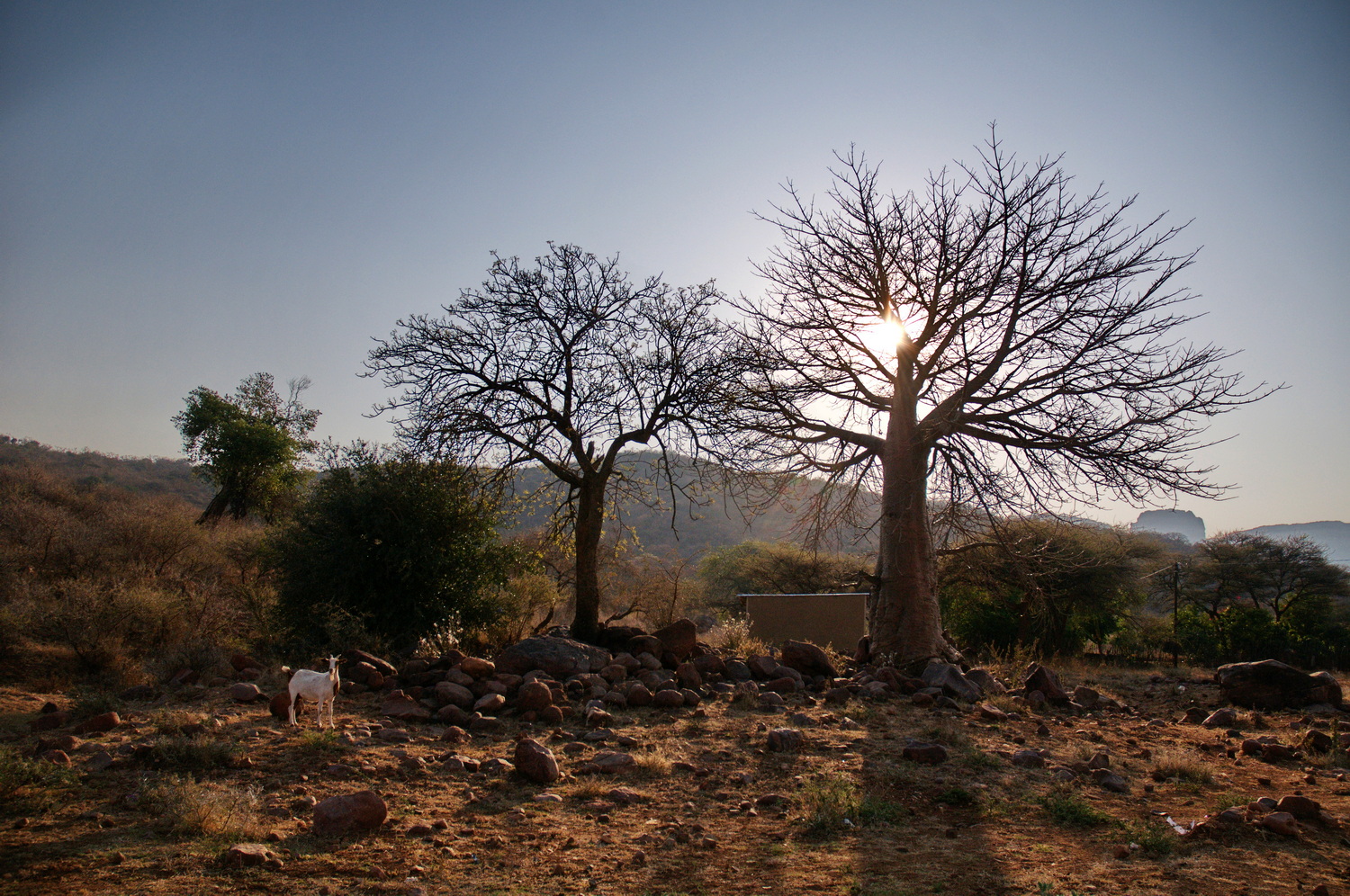
Living heritage is the foundation of all communities and an essential source of identity and continuity – the SA government notes on its website. On a sweltering hot day in the foothills of the great Hananwa mountains in north western Limpopo a clan met to celebrate their heritage.
THE beating of drums and ululation of women resonated in the sweltering heat under the imposing Blouberg mountains.
In another time long before the arrival of European settlers in the area in the mid 1800s, the local people called these great hills Thaba ya Hananwa.

But after the forced removals of the indigenous people by armed bands of the settlers, the mountains, rivers and animals that roam these vast lands underwent name changes imposed by the new lords of the land.
The Hananwa and Maleboho people lost not only their lands, but part of their heritage as well.
On Heritage Day as communities around the country gathered to celebrate, the Molele and Madibana clans also met at the foot of these mountains to pay homage to their ancestors.
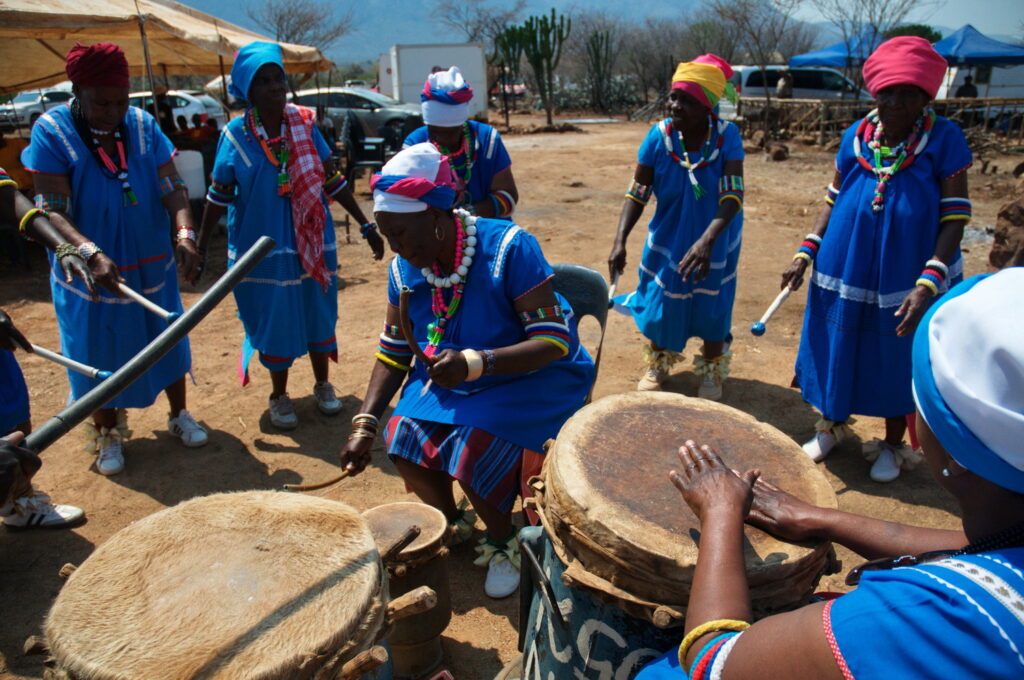
The gathering was a continuation of their quest to preserve their heritage and pass on their history of resistance, knowledge of astronomy, indigenous medicine, agriculture and culture to the next generation.
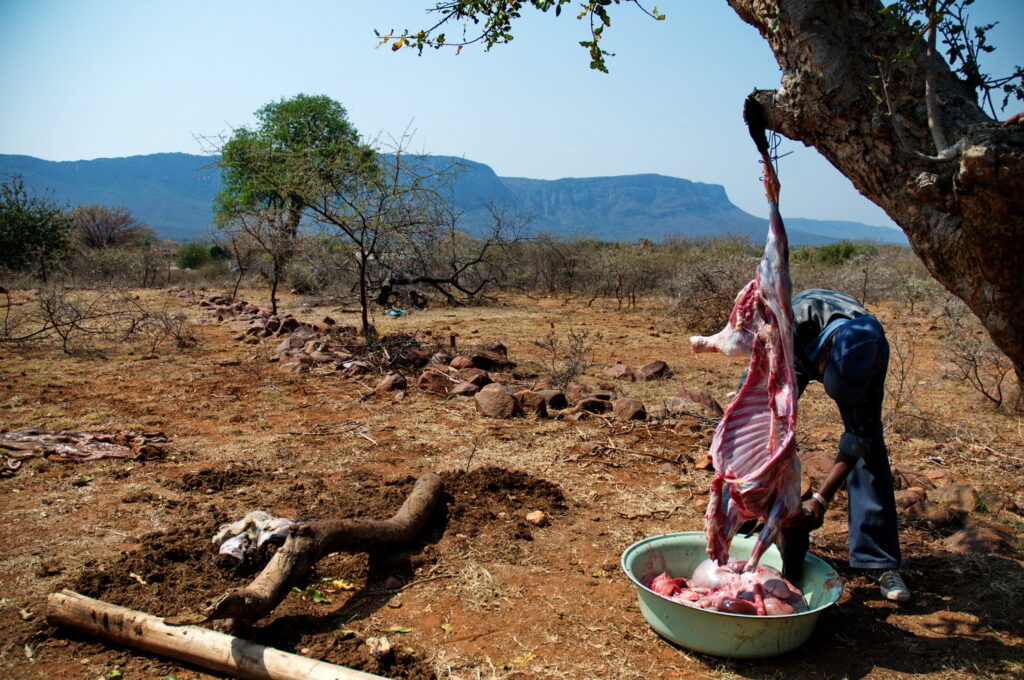
Young and old gathered in marquees erected to listen to the elders passing down lessons about their roots, the Maleboho Wars of resistance and new opportunities now available to rural communities under the current government.

“Living heritage is the foundation of all communities and an essential source of identity and continuity. Aspects of living heritage include: cultural tradition, oral history, performance, ritual, popular memory, skills and techniques, indigenous knowledge system and the holistic approach to nature, society and social relationships,” the government says in its official website explaining the purpose for the day.

“In South Africa the term “intangible cultural heritage” is used interchangeably with the term “living heritage”.
It continues: “Living heritage plays an important role in promoting cultural diversity, social cohesion, reconciliation, peace and economic development. In every community there are living human treasures who possess a high degree of knowledge, skills and history pertaining to different aspects of diverse living heritage.”

“It is therefore important for South Africans to reclaim, restore and preserve these various aspects of living heritage to accelerate the use of living heritage to address challenges communities are facing today.”


Be First to Comment