
The monochrome head of a goat in the grey scale dominates the lower right-hand corner of the canvas, adding a layer of mystery and intrigue. Generally, goats in most African cultures invoke an awareness of ancestral mediation, productiveness and personal well-being.
Posts published in “Books”

As the leader of the most ‘successful’ ethnic homeland of the apartheid era, Bophuthatswana, Lucas Mangope was a controversial figure. His legacy still divides opinion…

On 19 June 1913 the Native Land Act passed by the minority white Union of South Africa regime became law. The Act limited African land…

The anguish of dispossession also manifested itself in the treatment we received at Mohlabaneng. Stripped off our land rights and bereft of both home and hope, residents of Ga-Monwana had to fend off the depredations of stigma, discrimination, and salacious gossip. We were shunned and loathed with such persistence that you would swear the settlement was cursed.

While in his youth Cedric Mboyisa used to save up enough money to get a copy of the newspaper South Coast Herald. The pages of…

ON a sunny Saturday afternoon, a group of about a dozen teenagers sit in a circle in the shade of a tree at the Paradise…

In a village set up like here, we need people really to be empowered and to be inspired. Most people were just coming to witness what a book launch looks like because it's a very rare occasion in rural areas.

In this country, because writing is slowly becoming unfashionable, books are becoming unfashionable, and we are trying to make sure that literacy keeps transcending and these people actually are now only understanding that there's a book fair and what does this book fair entail, and its impact in helping communities.

“I remember in another staff meeting I had to ask Bhodloza (Nzimande, the late uKhozi FM station manager) and I said ‘Indabaine-andanomaiphenti yini Mphephethwa?’ (Is the matter about underpants and panties?), because what he was saying didn’t make sense.”
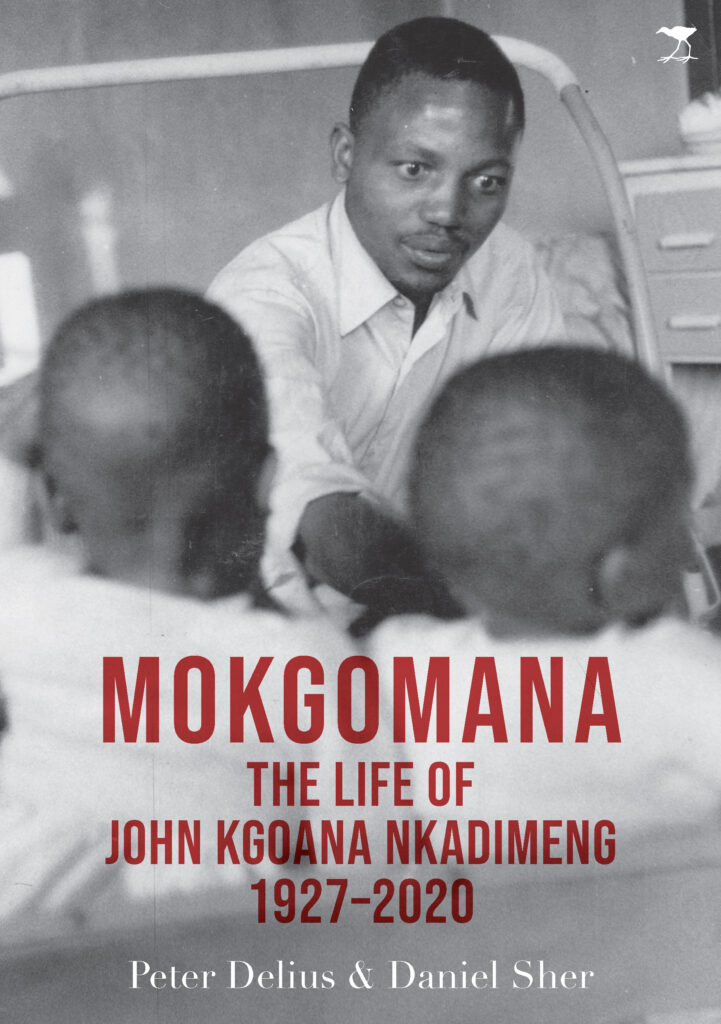
JK saw very little of him and his most vivid memories of his father date from 1936 when he was nine years old. Many mine workers were afflicted by a fatal dust-induced lung disease – silicosis or miners’ phthisis. Those who developed the illness were often sent home so that the mines did not have to pay the costs of treatment or provide compensation. Mahudu was diagnosed with the disease in 1936 and sent home.