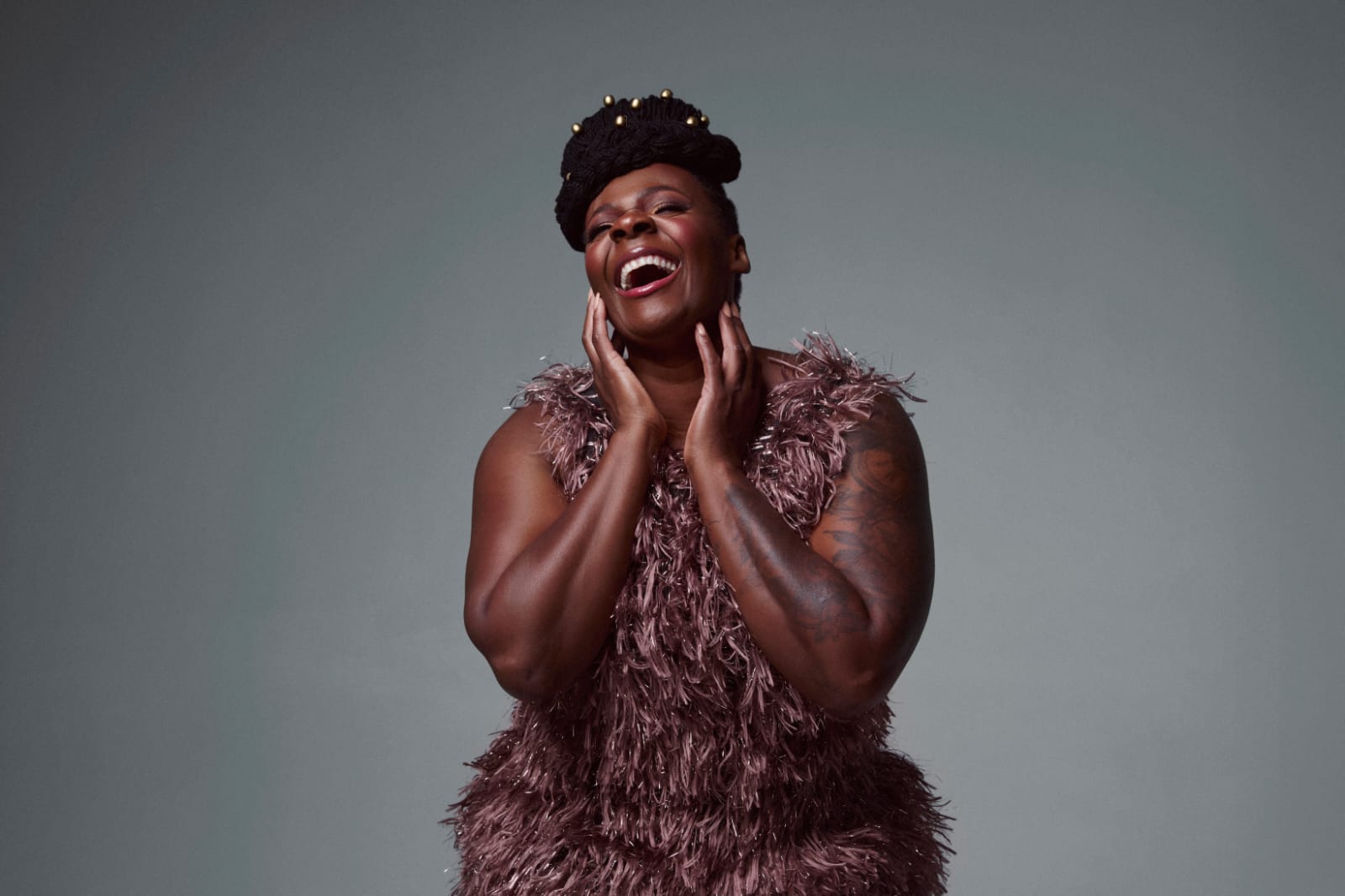
There is a difference between singing the right notes and striking them at the right time. Talent can carry a voice, timing, instinct and judgment carry a career. For more than two decades, Judith Sephuma has relied on all three.
One of South Africa’s most celebrated vocalists, Sephuma has moved effortlessly between jazz, Afro-soul and gospel, building a career defined not only by talent but also by resilience, adaptability and a willingness to embrace change. As she prepares for her performance at the Theatre of Marcellus at the Emperor’s Palace on 4 July 2026, Sephuma admits that experience has not eliminated uncertainty.
“Sometimes you think you’ve got it together, and then you realise you don’t,” she said. “These concerts can be exciting, but they can also be nerve-wracking.”
Part of that nervousness stems from her decision to introduce new material from an upcoming gospel project.
“I want to do something different and really special for the fans,” she said. “I’m hoping to introduce a few songs from the new project. It’s not easy writing new music and performing it for people for the first time.”
The uncertainty is familiar territory for an artist whose career has been built on stepping beyond expectations.
Her breakthrough album, A Cry, A Smile, A Dance, introduced audiences to a voice capable of expressing both vulnerability and strength. The project resonated deeply with listeners and established her as one of the country’s most distinctive artists.

What followed was not a series of dramatic reinventions, but a steady evolution. Albums such as New Beginnings, My Worship and One Word reflected different chapters in her artistic journey, revealing an artist comfortable exploring new creative spaces while remaining true to her identity.
Her latest offering, When Winter Fades, continues that journey. The album reflects a more introspective stage in her life and includes a tribute to the late Miriam Makeba, one of Africa’s most influential cultural icons.
But Sephuma’s story extends beyond albums and performances. It is also shaped by personal experiences that have influenced how she understands purpose, responsibility and resilience.
The loss of her mother remains one of the most significant experiences of her life. It reshaped her understanding of family and grounding, adding a deeper emotional dimension to the way she approaches both life and music.
At the same time, she has long balanced the demands of motherhood with a demanding music career. Recording schedules, rehearsals, performances and travel all unfolded alongside her responsibilities as a parent.
“I believed in my craft and my voice from a young age,” she said.
That belief became an anchor through both personal and professional transitions.
One of the most significant milestones in her career was the establishment of Lalomba Music and Publishers. Through the company, Sephuma gained greater ownership of her work and strengthened her creative independence in an industry where many artists continue to fight for control over their careers.
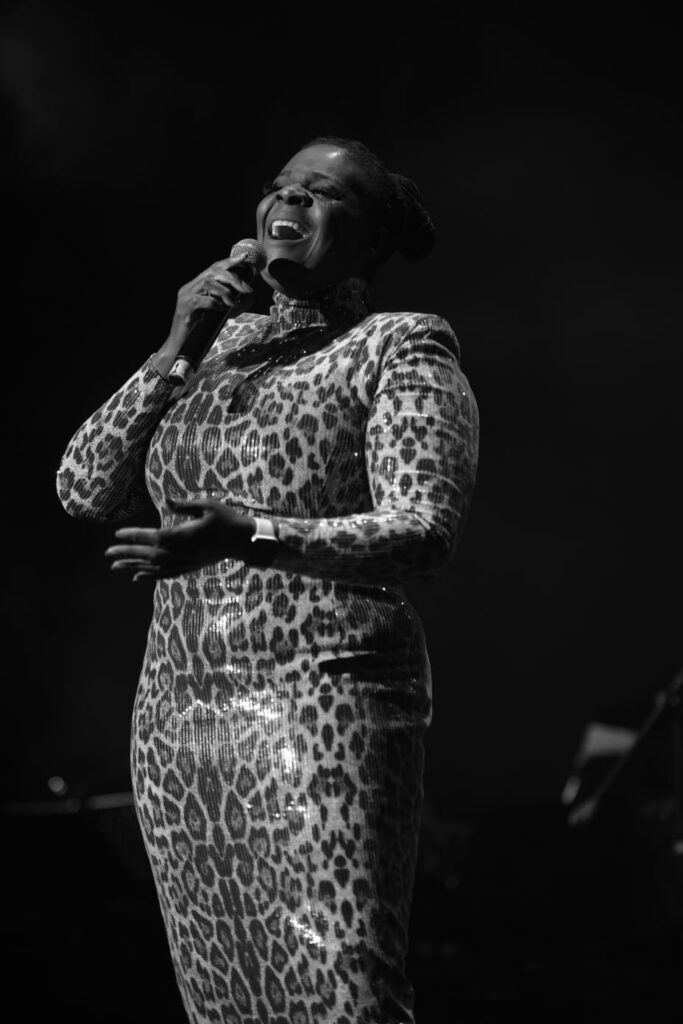
Her work has also taken her beyond South African stages.
Among the experiences she values most is her involvement in productions connected to renowned composer Hans Zimmer. The opportunity exposed her to large-scale international productions and offered insight into the discipline and preparation required behind world-class performances.
What stayed with her was not simply the prestige of the experience, but the reminder that audiences across cultures respond to authenticity, preparation and excellence.
For all the movement in her career, some things have remained remarkably constant.
One of them is her band.
“I’ve worked with the same band for over 10 years,” she said. “If it’s not broken, you don’t fix it.”
That balance between consistency and change is a recurring theme throughout her career. She embraces new opportunities without abandoning the foundations that have served her well.
Asked whether she ever imagined becoming as influential as she is today, her answer is immediate.
“No,” she said.
What she did have, however, was confidence in her ability.
“People used to tell me I was special, and I believed it,” she said.
It is a simple statement, but one that offers insight into the self-belief that has sustained her through the highs and lows of a demanding industry.
Even now, public recognition remains something she does not take for granted.
“When I walk in the streets, and people recognise me, it’s overwhelming sometimes,” she said. “After all these years, people still remember me. It’s so precious and such a blessing.”
There is a sense of gratitude in the way she speaks about that connection. While trends come and go, and audiences change, the relationship she has built with listeners has endured.
From major-label beginnings to running her own company, from local stages to international productions, Judith Sephuma’s journey has been shaped by a willingness to keep learning, adapting and exploring. Curiosity remains at the heart of that journey.
And perhaps that is why, after more than two decades in the industry, Judith Sephuma continues to strike the right notes, not only in song, but in the choices that have shaped her life, career and enduring legacy. – news@mukurukuru.co.za

Be First to Comment