Last updated on 17 October 2024
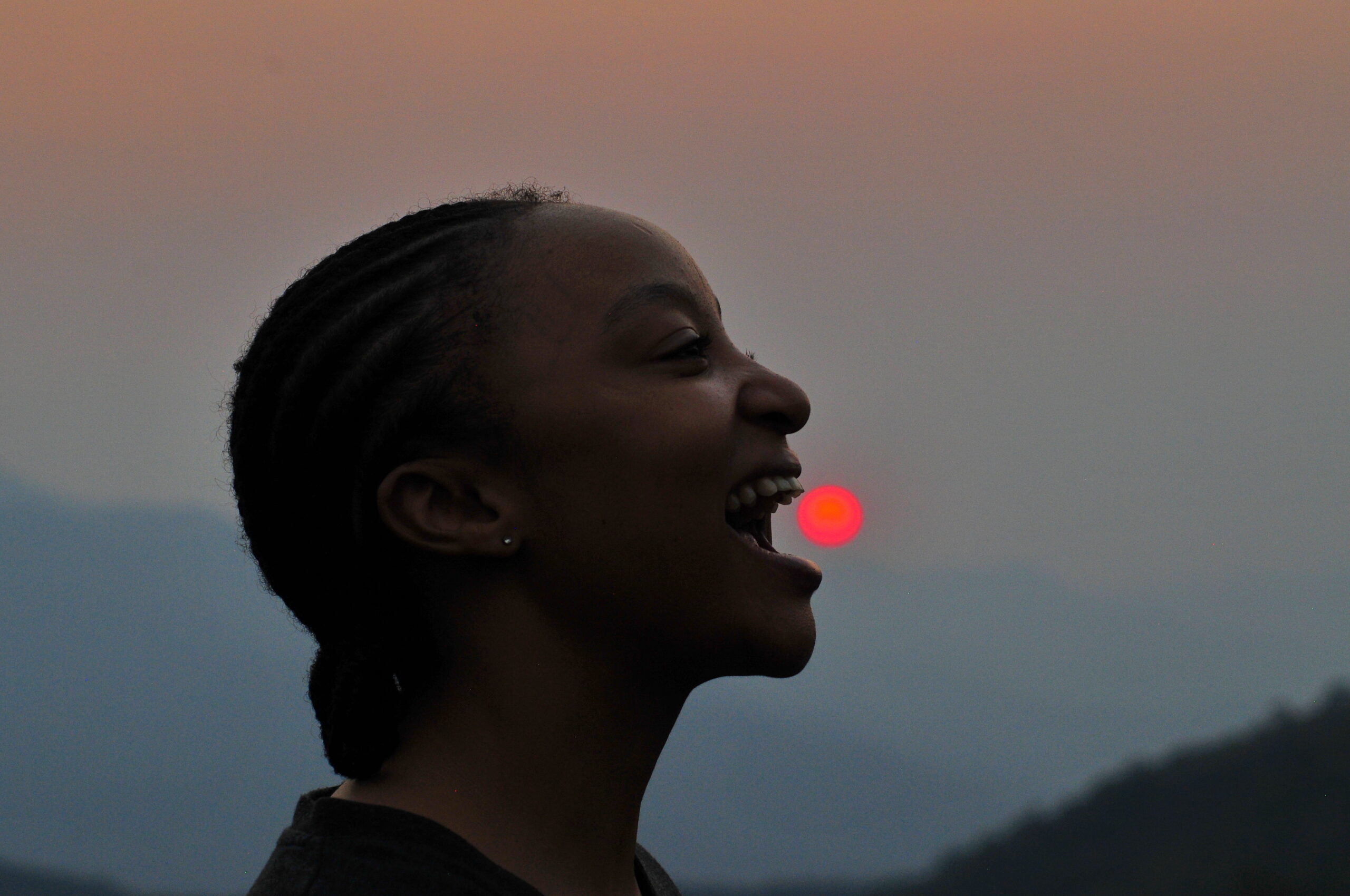
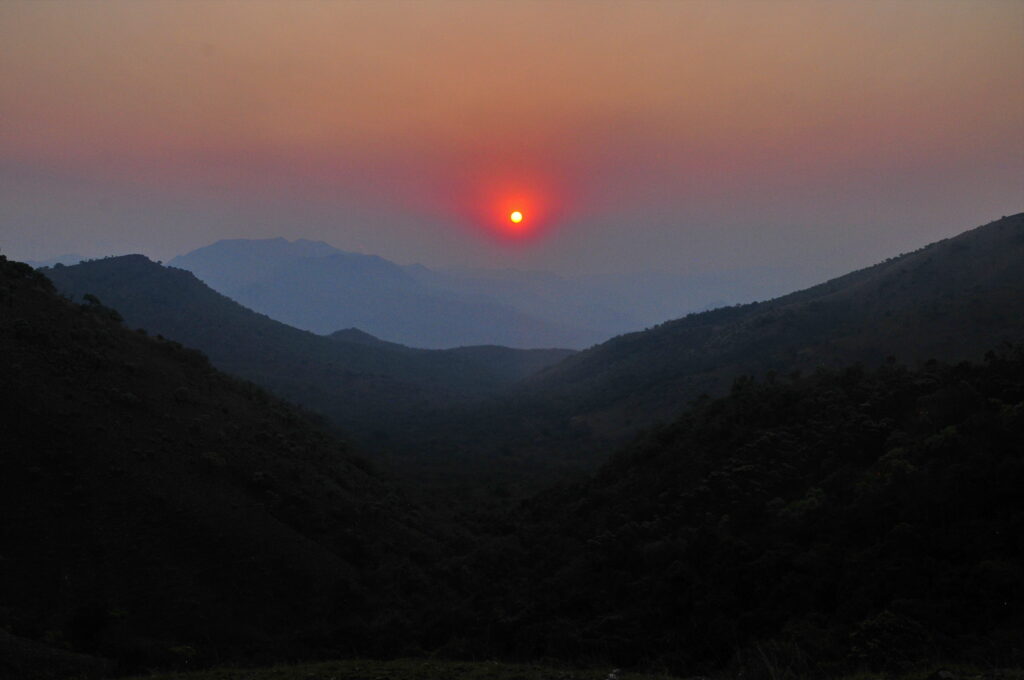
We rounded off a long day that started early that morning with a refreshing 8km hike in the Lekgalameetse Nature Reserve, watching the sun, transformed into a spectacular orange ball in the early evening, calmly set behind the towering Wolkberg mountains in the west.
It hung gloriously over the mountains, painting the open plains atop the hills in soft orange light – a landscape photographer’s dream and a soothing welcome to a weary soul. To reach this table with wide open spaces atop the hills, where zebra and other antelope graze on the luscious grass that’s fed by the mist that often covers these parts in the early morning, you meander over 1000m above sea level via the Orrie Baragwanath Pass.
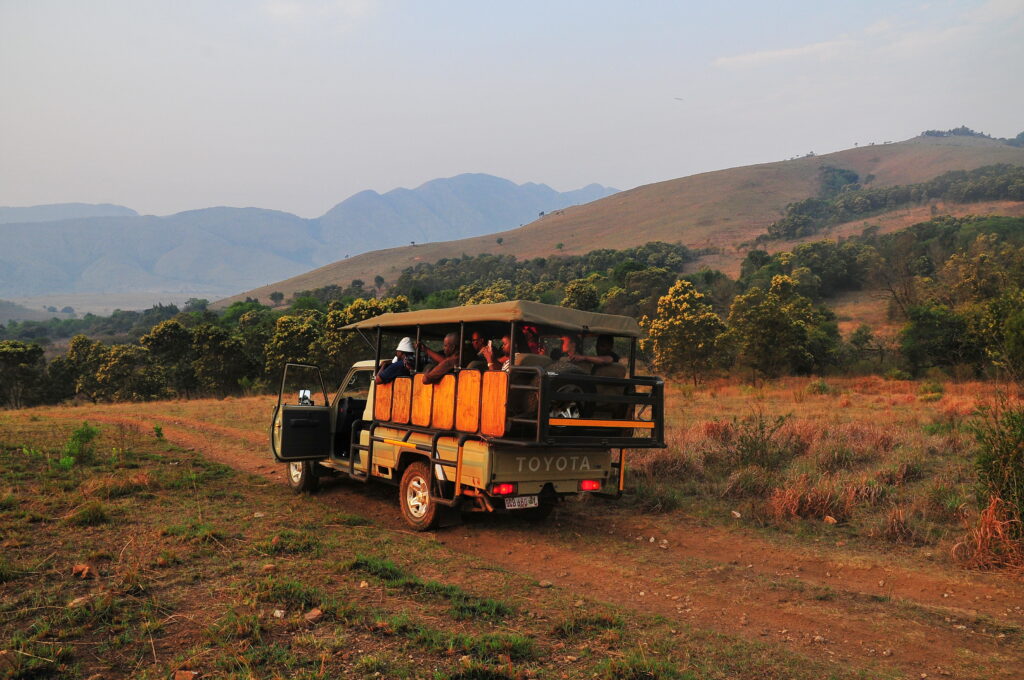
The pass which connects the villages on either side of the mountains cuts through Lekgalameetse in winding, gentle curves. In some parts, the road narrows down dangerously where Mother Nature has reclaimed its space through fallen rocks and sand. While the pass is tarred from the eastern, main entrance to the reserve, at the hilltop it transforms into a rugged gravel road that can be negotiated only by 4×4 or for the serious adventurer, on horseback.
But once you reach the top the panoramic view is spectacular, allowing the eye, and the camera to roam and wonder as far into the distance as possible. It is a site so serene, that it may well have been the place where the gods gathered to admire their artistic work at the end of a long day carving out this piece of heaven that makes up part of the 18 000ha nature reserve.
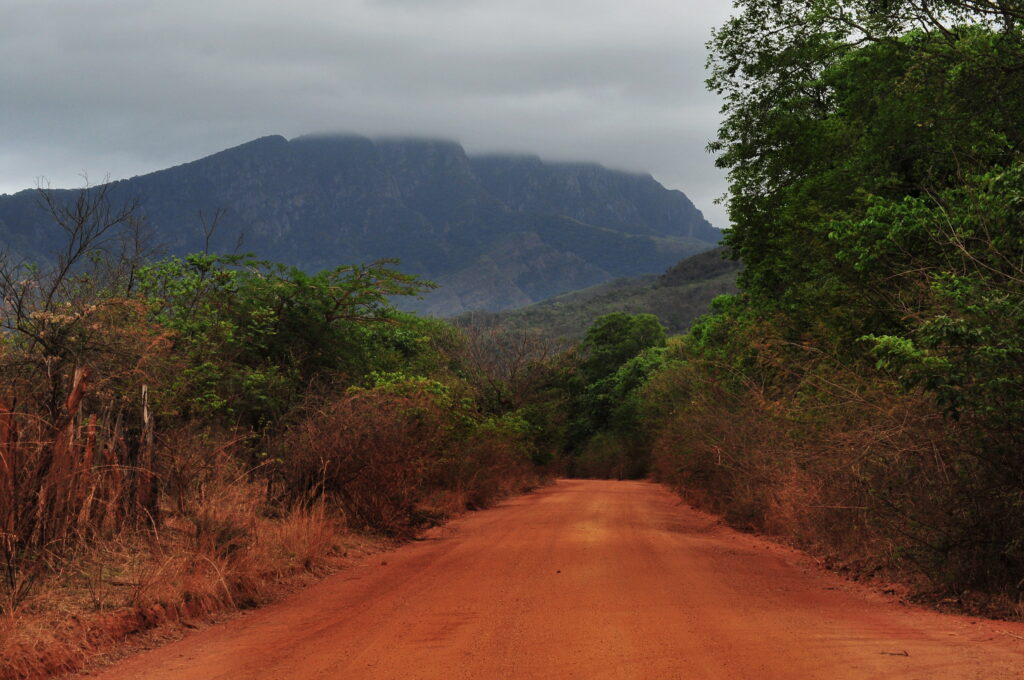
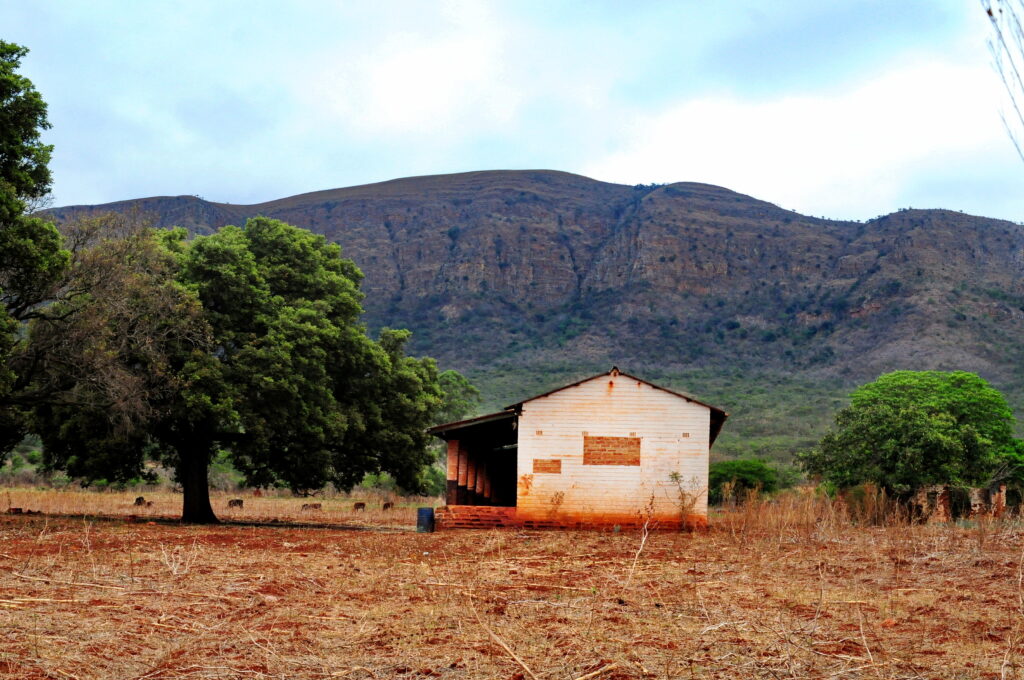
Lekgalameetse, located about 80km east of the tropical town of Tzaneen is reachable via the R36 road and a short drive along a lonely farm road that also offers spectacular views of quaint pieces of land where locals cultivate crops from maize, banana to pawpaw.
In the distance, the grey Wolkberg mountains, a part of the Unesco World Heritage site 1200km Drakensberg mountain range known in these parts as Mohololo or Lebopo, tower above the landscape, like a giant jealously guarding over his lands as you approach the reserve.
The reserve is the source of many rivers, streams and ravines which include the Selati River which flows into the mighty Olifants on its journey from the highveld to the Indian Ocean via the Kruger National Park and Mozambique.
The reserve, which hardly has any Internet connectivity is just the ideal place for a quiet getaway, for rejuvenation and reflection. For the camper, the reserve offers a well-cut-out camping site not far from the main entrance, with braai facilities ideal for a night of chatting around a bushfire, and a swimming pool to cool off in the midday heat. While parts of the reserve, especially high up in the hills often experience a cool breeze, temperatures in some parts of the area could rise to ungodly levels hovering in the extreme 30s.
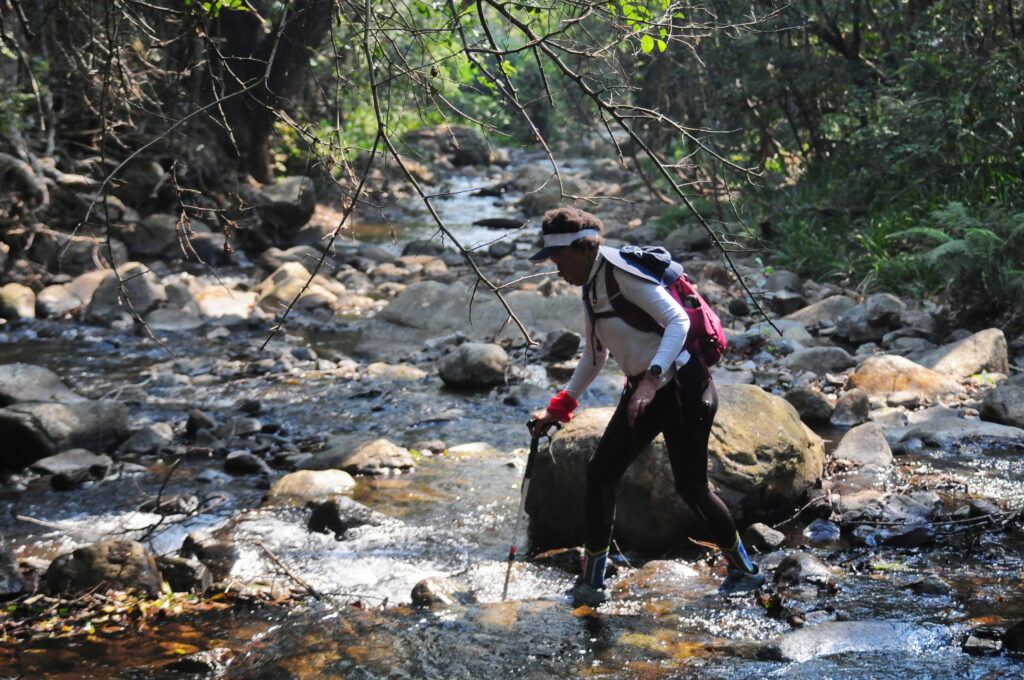
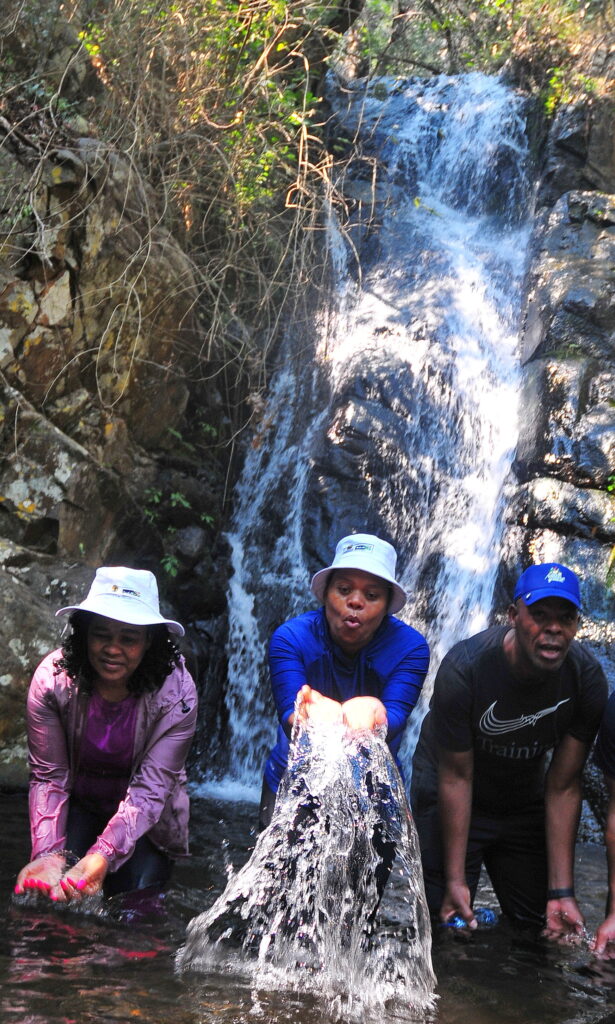
The reserve is covered largely in thick indigenous forests where waterfalls tumble down the rocks spectacularly. To the tourists’ eye these waterfalls may just be part of the beauty of the landscape, but to local people, they are sacred spaces where they come often to pray, perform spiritual rites and harvest the crisp, cold water which is believed to possess healing powers.
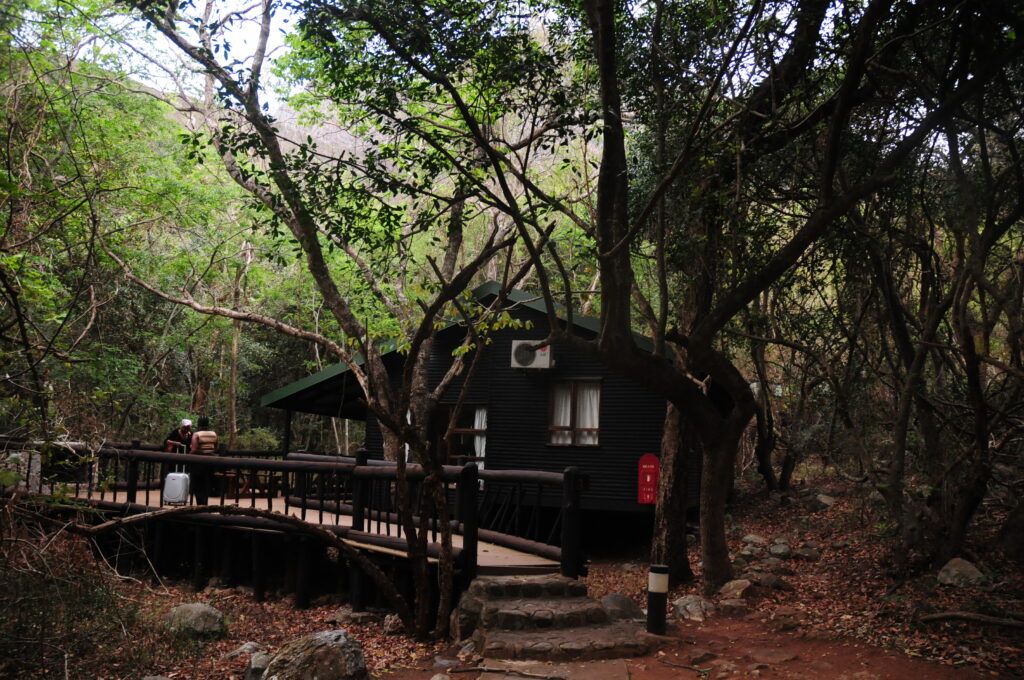
The self-catering, wooden cabins hidden further south of the hills are a holidaymakers’ paradise. They lie hidden among trees on the banks of a flowing stream which though cannot be seen from the balcony, announces its presence with the soothing sound of its waters crashing against the rocks.
Lekgalameetse, with all its exciting offerings, remains in my view a sleeping giant that could become an even more sought-after destination with some innovative ideas and a cash injection to develop and improve some of its amenities. It may also be helpful to open some space for the erection of a three-star lodge with some semi-luxury amenities, in the western part of the reserve, run along the lines of a public-private partnership basis.
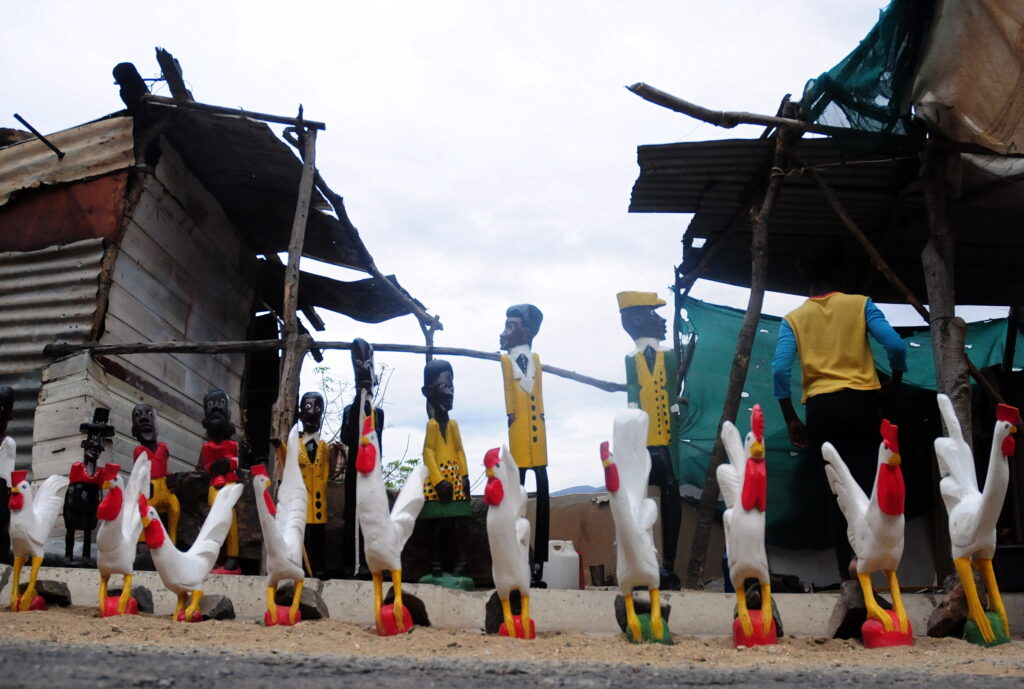
These could include the introduction of eco-tourism initiatives that allow neighbouring communities to feed off the traffic to the reserve, in the form of the sale of arts and crafts, organised trips to local villages, donkey cart rides and cultural activities. After all, isn’t tourism about experiencing a different way of life?
The United Tourism and the International Eco Tourism Society emphasise the principles of eco-tourism to include building environmental and cultural awareness and respect, providing positive experiences for both visitors and hosts and direct financial benefits for conservation and critically, generating financial benefits for both local people and private industry.
They also advocate for the recognition of the rights and spiritual beliefs of the Indigenous People in communities and work in partnership with them to create empowerment.
Although the staff is friendly and welcoming, a lot more needs to be done to improve their service. On the morning of our departure, an overcast, chilly morning, we woke up to our horror to find that there was no water in the bungalows. We couldn’t shower or use the toilet.
A quick enquiry revealed that someone had forgotten to pump water into the tanks that supply the bungalows. Oh, and there was a massive pothole on the floor of the shower in our bungalow. I’m not joking…
*Lucas Ledwaba was in Lekgalameetse Nature Reserve as part of the Limpopo provincial government’s Tourism Thursdays initiative aimed at promoting tourism in the province.
*https://www.southafrica.net/au/en/travel/article/lekgalameetse-nature-reserve

Be First to Comment