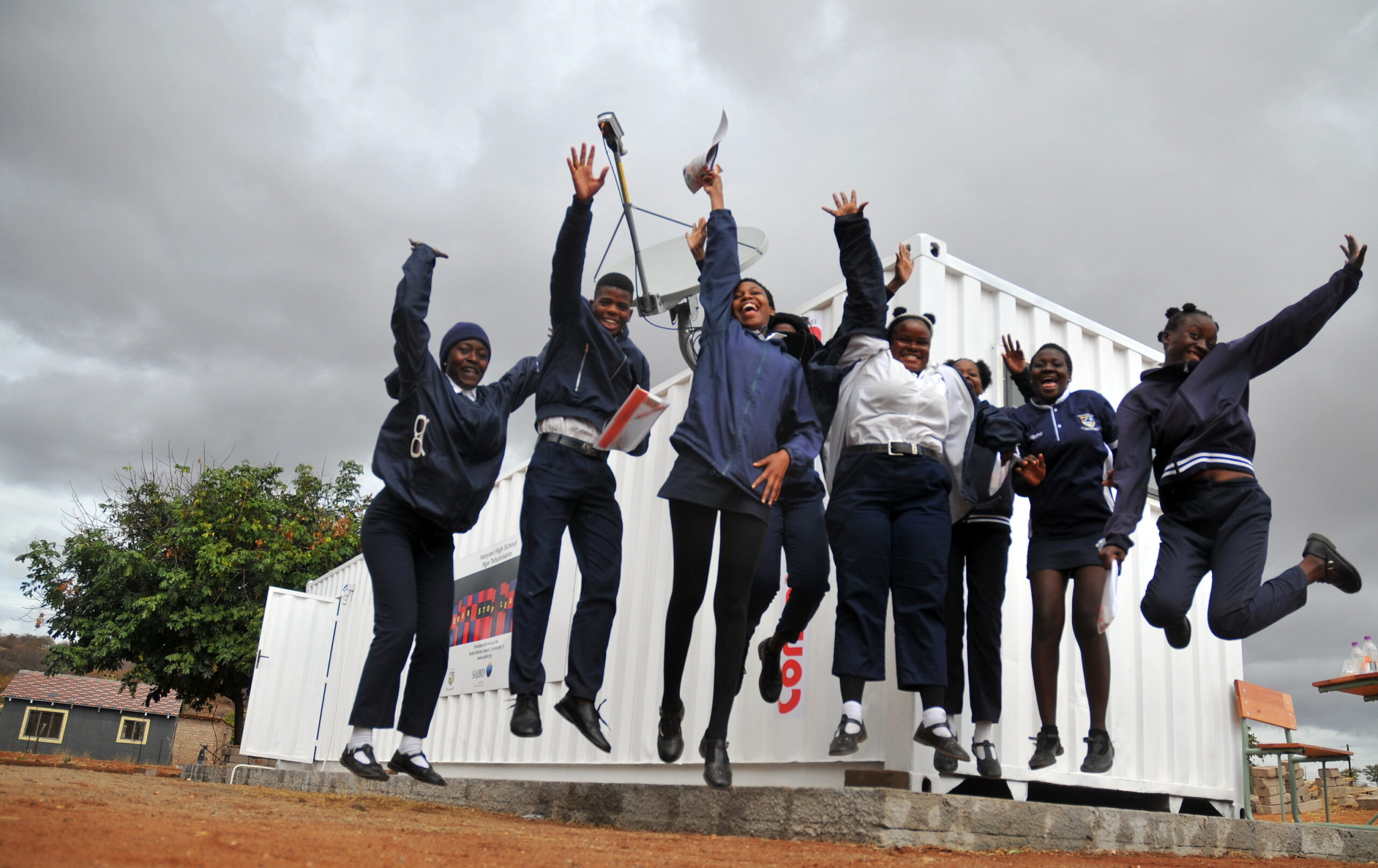
GRADE 12 learner Sidney Ramantshwana had never been in a library or an Internet cafe until just over a week ago.
Now he has a state of the art learning centre comprising computers, printers, uncapped wi-fi and books right on the doorstep of his classroom.
Ramantshwana is a learner at the Hanyani High School, located in remote rural village of Sagole Tshipise under the Thulamela Local Municipality in far north-eastern Limpopo.
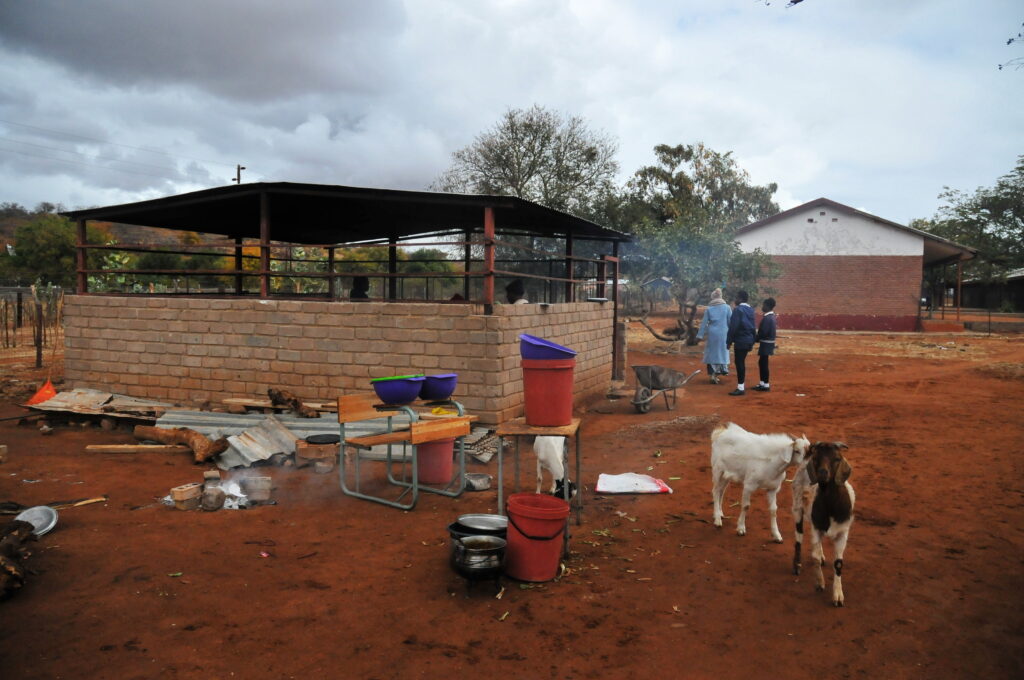
The area is far removed from amenities such as libraries, Internet cafes and most learners like Ramantshwana make a daily 28km walk to school.
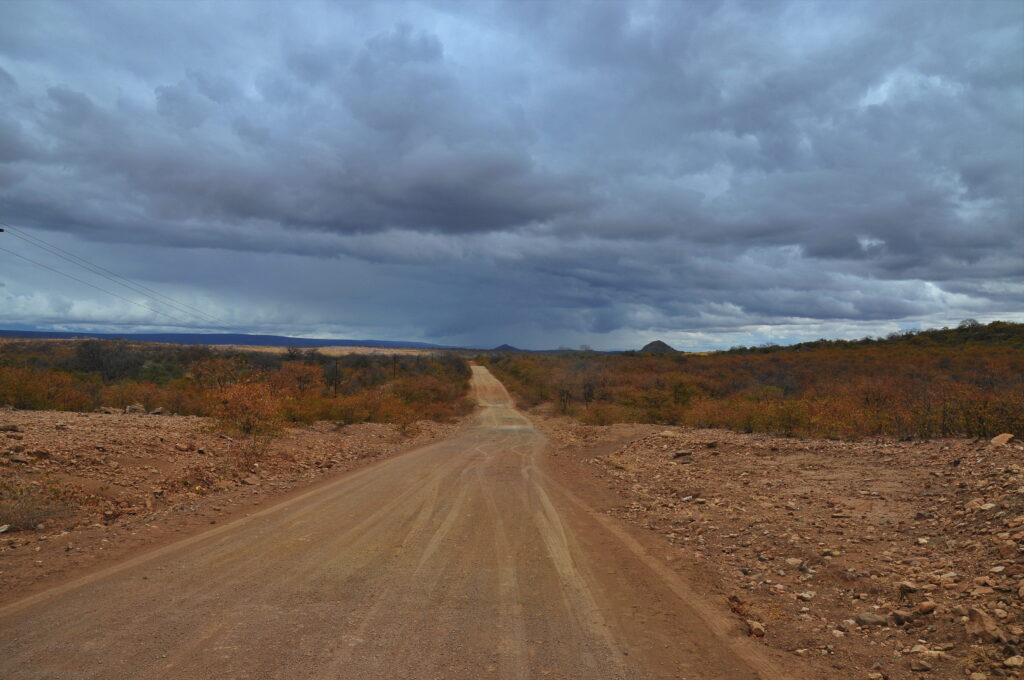
Thulamela, which had a dependency ratio of 62.5% in 2016, is a category B municipality bordering the Kruger National Park in the east.
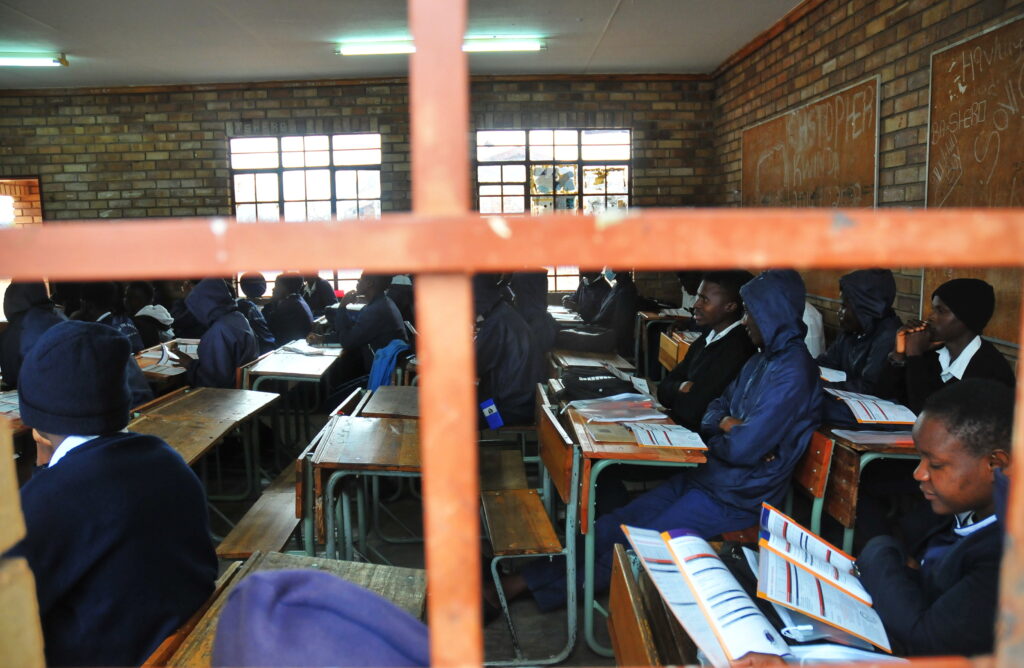
On a slightly overcast, cool morning on Friday 4 August, Ramantshwana and fellow learners stepped into a new, state of the art learning centre comprising computers and a variety of text books and encyclopedia.
The centre was courtesy of a donation from the SA Jewish Board of Directors (SAJBD) in collaboration with the University of Johannesburg (UJ).
“This is my first time in a library. I have no words,” said a beaming Ramantshwana, checking out the brand new computers and books.
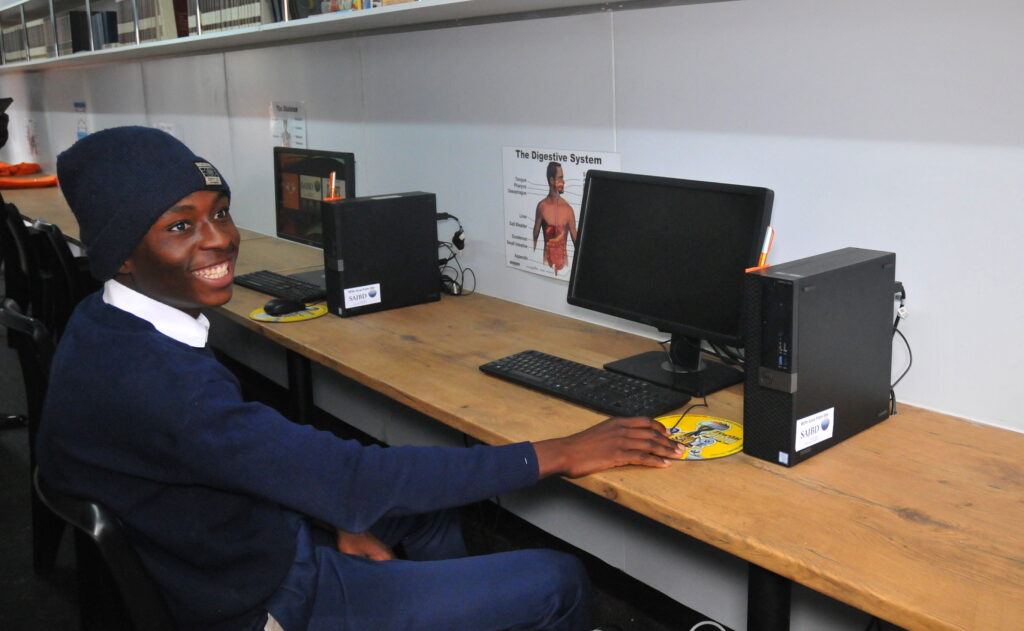
The new learning centre, named Nga Tshumisano (Working Together in TshiVenda) is equipped with uncapped Wi-Fi connectivity, computers, printers, educational software and other learning material.
Ramantshwana’s dream is to study law and he hopes the availability of books and access to the Internet will surely help him and fellow learners to achieve their goals.
“Sometimes we used our phones to access the Internet. But it was not easy because the network in our area is a problem and data is very expensive. Most of us can’t afford data or airtime,” he said.
The area is characterised by high levels of poverty and a lack of resources including transport facilities. A simple task such as photocopying a document entails an entire day’s travel to far off urban areas like Musina or Thohoyandou. While the centres are located just two hours away, getting there is a mission due to the erratic public transport system.
“Unemployment is the language of these rural areas. They just rely on child grants, feeding the whole family,” said school principal Thifhelimbilu Ndou about the prevailing conditions in the area.
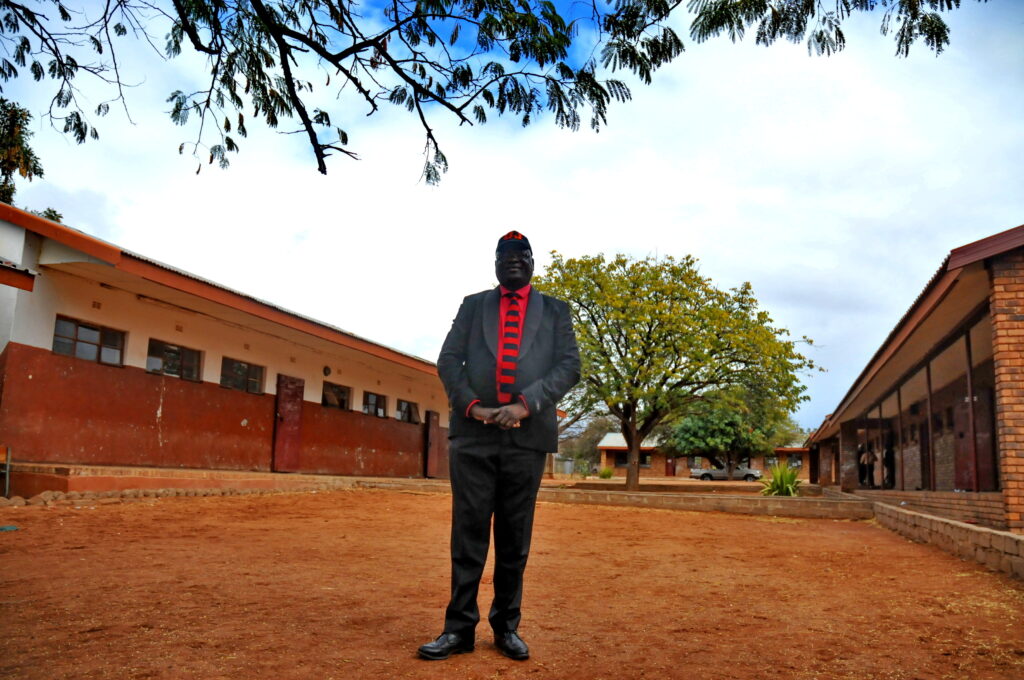
He knows the challenges too well, having grown up here, walking 14km in the morning to this very school, and then travel the same distance back in the afternoon.
“Most of the learners are from child headed families. They lack basic things like scientific calculators. Just imagine doing mathematics without a scientific calculator? They rely on food from the NSP (National School Nutrition Programme) food. For many of them that is the only meal they have in a day. They don’t have proper shoes,” Ndou said.
Zwovhonala Mabila, the musanda [traditional leader] of the village also experienced the same challenges while studying at Hanyani High School in 2006. He recalls that during one academic year, close to 30 learners dropped out of school because they couldn’t endure the tough conditions.
“The learners struggle to concentrate because they are always tired. It’s hard to learn in this kind of situation,” Mabila said.
“But I am so happy now that we have this library. It will help those in grade 12 to apply for bursaries to help them continue their studies. God bless the people who made this possible,” said Mabila.
UJ vice chancellor Professor Letlhokwa Mpedi said the association with Hanyani High School came quite by chance after some of the varsity’s students working on a project in nearby Gwakwani village came across exhausted learners walking home from school earlier this year.
“Our colleauges from engineering were working in the area and saw school children walking on a gravel road. They were tired and hungry. They asked them what are their needs. They mentioned access to the Internet, books,” Prof Mpedi said.
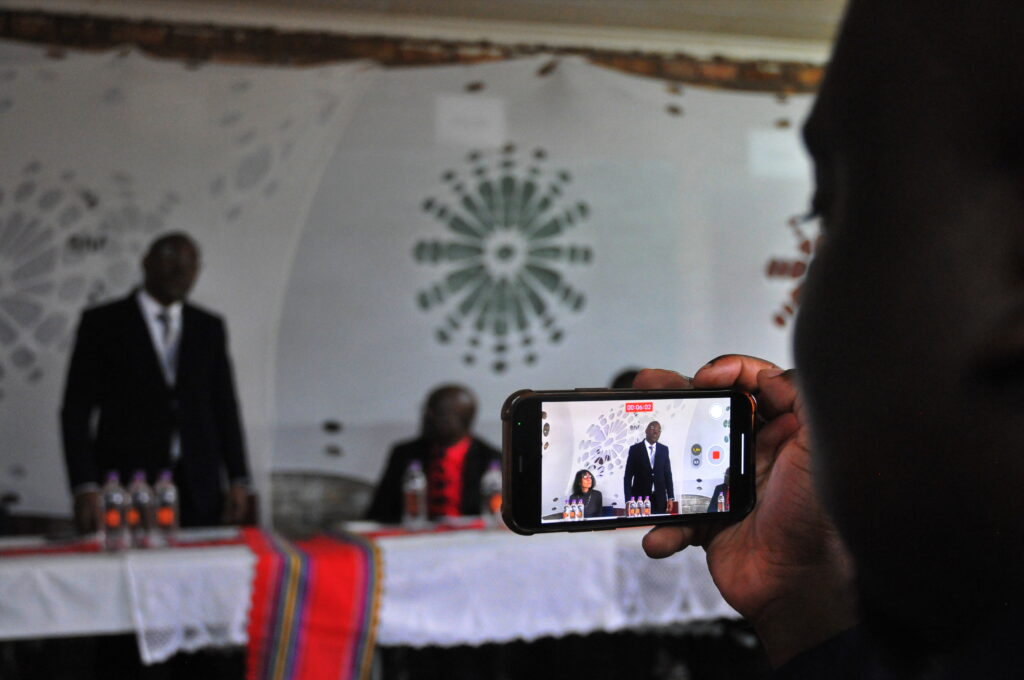
The UJ reached out to the SAJBD, an “umbrella representative spokesbody and civil rights lobby of the SA Jewish community,” to help with the Hanyani High School Project.
Charisse Zeifert, spokesperson at the SAJBD said they considered the remoteness of the village, and how easily areas like these can be neglected and overlooked.
“We particularly wanted to involve ourselves in a project on behalf of one such isolated community where we could make a meaningful impact,” said Zeifert.
“Secondly, we wanted to be part of something that has longevity and saw that the work that UJ is doing is holistic and sustainable. It has been a privilege for us to work with such remarkable academics who are applying their academic knowledge to benefit Gwakwani. The lessons learned here can be applied to so many villages like this,” she said.
“Thirdly, because we value the importance of education. Through donating computers and wifi, we would provide the Hanyani learners with the critical tools needed to access the multiple possibilities that exist,” she said.
The UJ project in Gwakwani includes the provision of solar power, boreholes and a creche.
“The need is so huge we can’t cover everyone. My wish if for us to be involved in as many projects of this nature as possible,” said Prof Letlhokwa Mpedi.
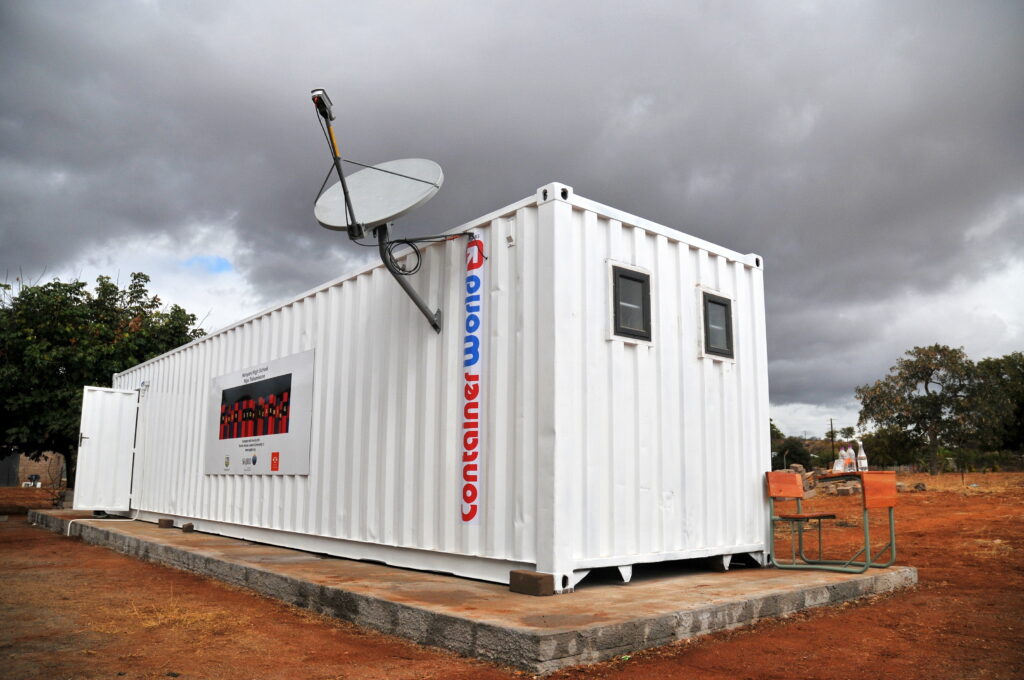
Ndou recalled that the first time he used a computer was at a tertiary institution when he was studying to be a teacher. Until the donation of the learning centre by the SAJBD and UJ last week, most of his learners faced a similar fate.
“It’s for the first time they see a library. They don’t even know how to use a computer. Teachers were trying to use their cellphones to help the learners access the Internet. But this was not always possible. I am so happy now that there has been this intervention,” he said. – news@mukurukuru.co.za

Be First to Comment