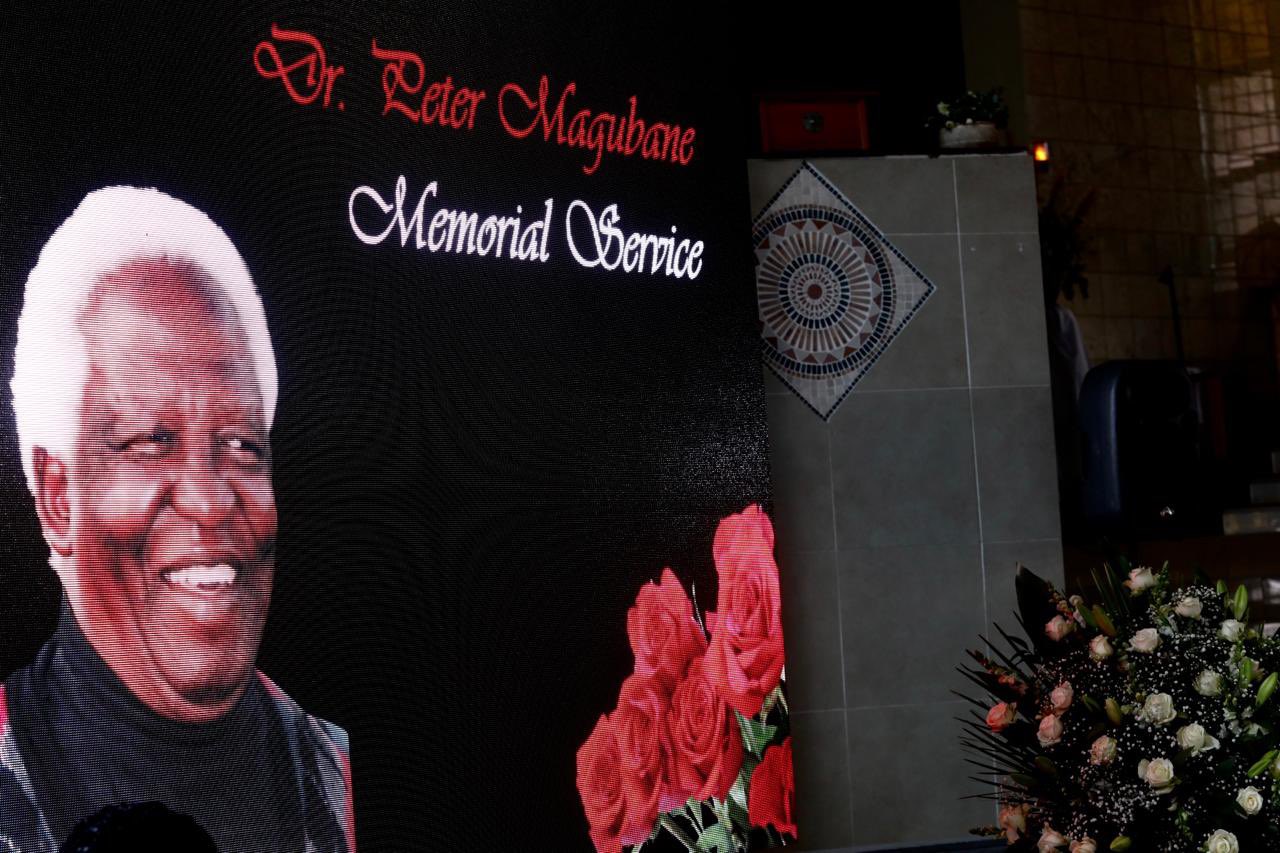
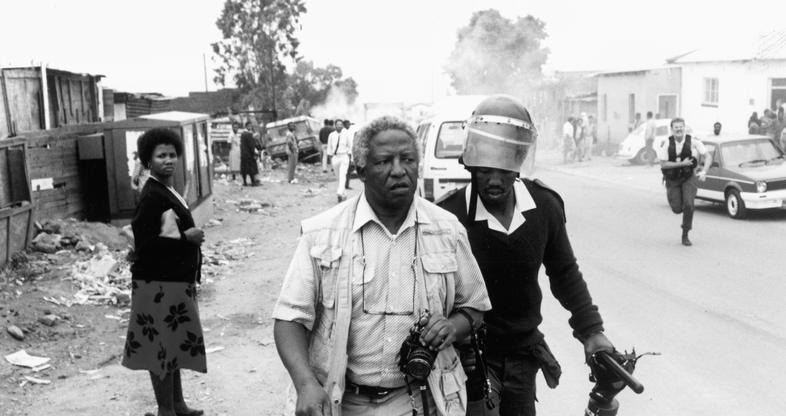
WHILE the Apartheid security forces unleashed a reign of terror against those in opposition to the evil system – Peter Magubane used his camera, often at great risk, to conscientise the world about what was happening in the streets of South Africa.
His body of work spanning over six decades has now become a key reference point in the archiving of Apartheid which was declared a crime against humanity by the United Nations.
Magubane, who was born in Sophiatown in 1932, passed away at his Johannesburg home on New Year’s Day 2024. He was 91 years old.
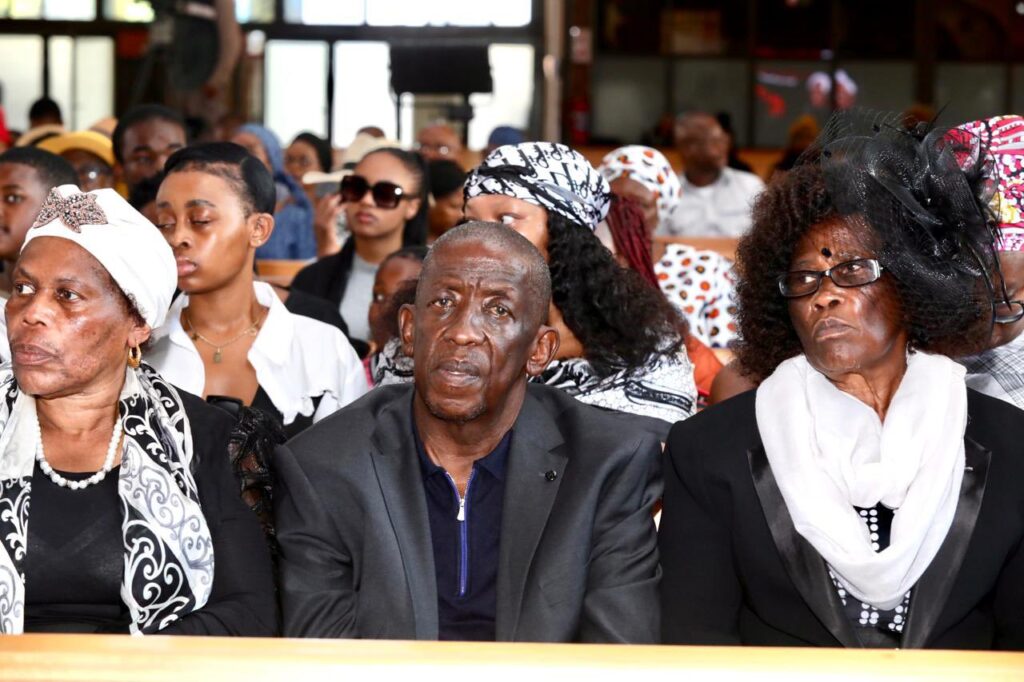
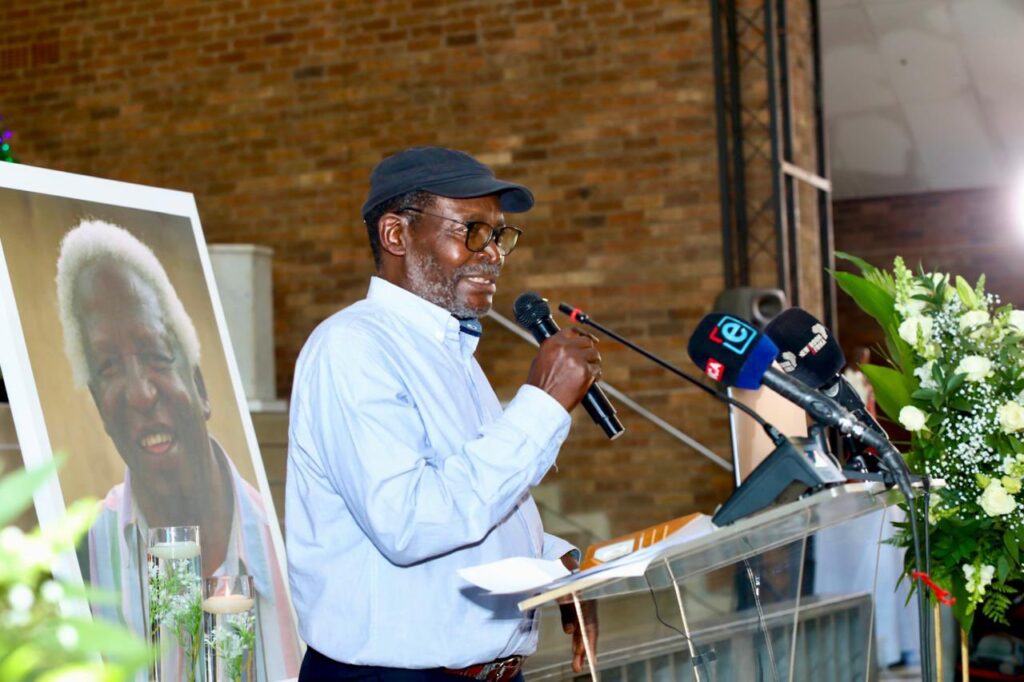
On Monday scores of people gathered at the Regina Mundi Church in Soweto to pay tribute to Magubane. The church was the site of many community meetings held to forge a way forward against the increasing violence of Apartheid. Even here at this place of worship, the Apartheid security forces never showed restraint, often using the might of their weapons against unarmed citizens.
The South African National Editors Forum (SANEF) has paid a glowing tribute to Magubane.
“Dr. Peter Magubane, a giant in the field of photojournalism and a multi-award winner including the Nat Nakasa Award for courageous Journalism, will forever be remembered as one of the courageous journalists who defiantly opposed the apartheid regime in South Africa. Throughout the oppressive years of apartheid, he faced harassment, beatings, buckshot wounds, and prolonged periods of interrogation and detention.
“Remarkably, he survived being shot seventeen times at a student’s funeral in Natalspruit, Gauteng Province and endured over 586 days in solitary confinement in 1969. Magubane’s resistance was not only evident in his actions but also in his creative methods of capturing the truth. He ingeniously hid his camera in a hollowed-out Bible, firing with a cable release from his pocket. On other occasions, he covertly took shots with his camera concealed beneath his jacket, inside a milk carton, or half a loaf of bread, pretending to eat while documenting crucial moments.”
SANEF noted that “internationally, Magubane showcased his photographic talent in London during the early 1960s and worked as a correspondent for Time magazine between 1978 and 1980. In 1980, he temporarily left South Africa for New York. His contributions extended to major publications such as National Geographic, Life, New York Times, Washington Post, Paris Match, and Sports Illustrated. Additionally, the United Nations benefitted from his lens through commissions from the United Nations High Commission for Refugees and UNICEF.
“Magubane’s legacy includes documenting the lives of influential figures such as Nelson Mandela. His association with Mandela and Winnie Mandela dates back to the 1950s, both as friends and in his professional capacity as a photographer. Magubane served as Madiba’s official photographer from his release until his early years in the Presidency.
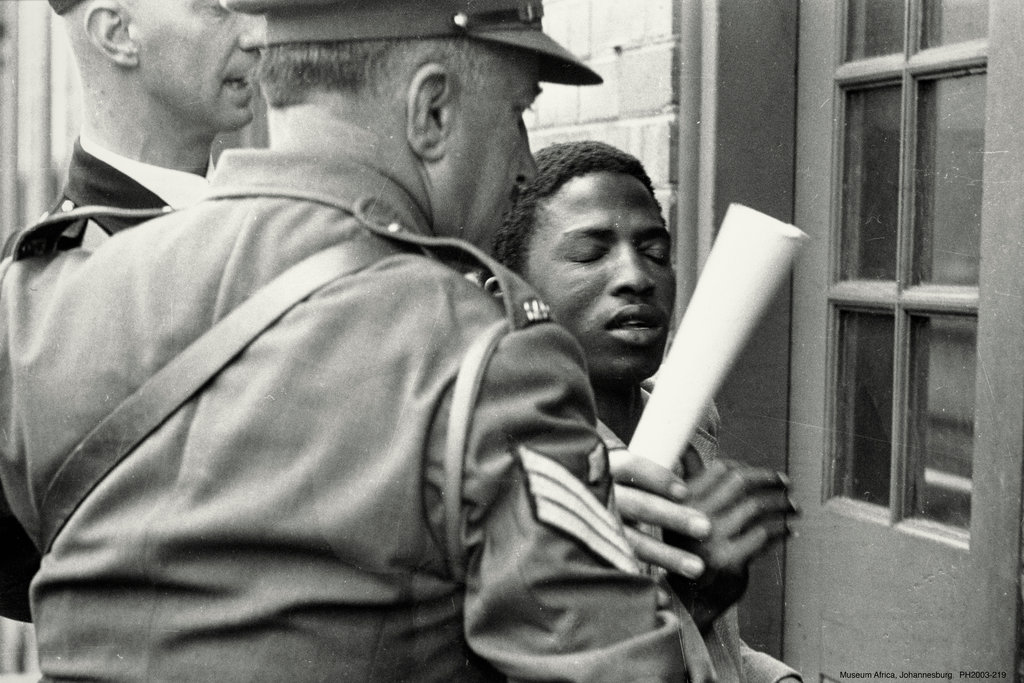
“Among his numerous honours, Magubane considered the South African Order of Meritorious Service Silver Class II, bestowed upon him by President Nelson Mandela, as his greatest. He received the American National Professional Photographers Association Humanistic Award for intervening to prevent violence and became the first black South African to win Press Photo of the Year in 1958.
“After the dawn of democracy in South Africa, Magubane redirected his lens towards capturing the complexities of tribal and territorial conflicts, as well as the cultural traditions of post-democratic South Africa. With nine honorary doctorates and accolades including the Cornel Cappa Lifetime Achievement Award, the Robert Capa Award, and the Martin Luther King Luthuli Award, Magubane’s impact on journalism and photography is unparalleled.
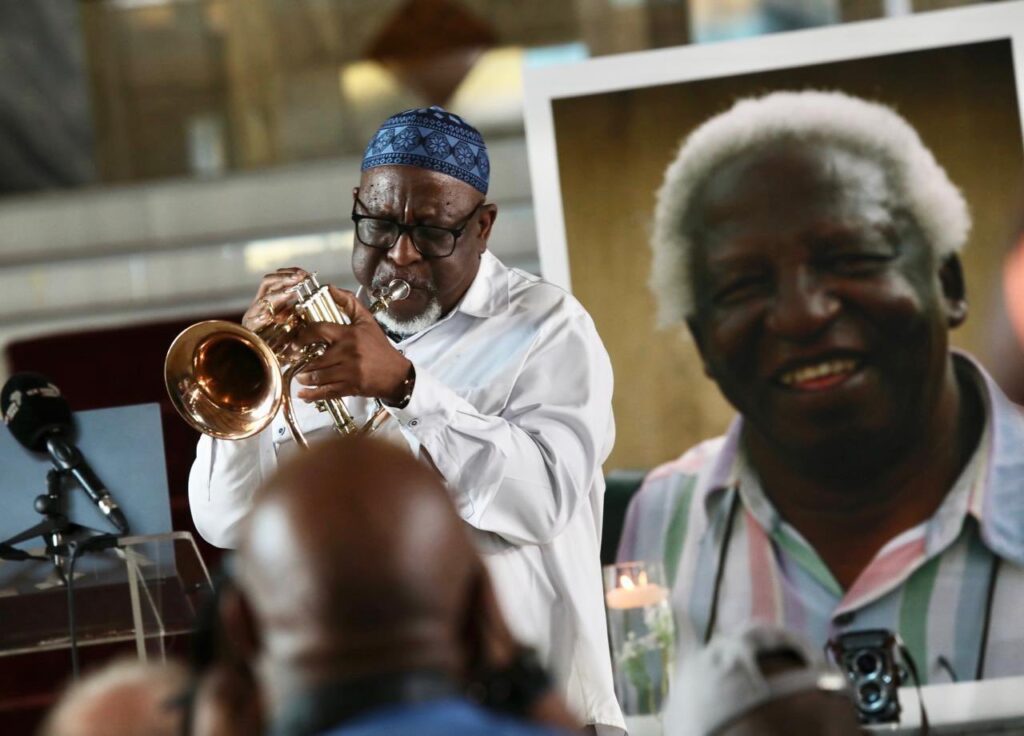
“He twice exhibited his most iconic images of Nelson Mandela, with the first held at a United Nations gathering in Poland, opened by former Polish President Lech Walesa. The second exhibition took place from 1 July to 30 September 2018 at the Nelson Mandela Gateway to Robben Island, where these images were gifted to the Nelson Mandela Foundation by Dr. Magubane.
“Dr. Peter Magubane’s indomitable spirit, courage, and exceptional contributions to journalism will be sorely missed. SANEF extends its heartfelt condolences to his family, friends, and the entire media fraternity during this time of profound loss.”
Magubane will be laid to rest on Wednesday 10 January in Johannesburg.

Be First to Comment