AS the world marks International Women’s Day on 08 March the 2023 edition of the Inter Parliamentary Union – United Nations Women Map of Women in Politics reveals that more women than ever hold political decision-making posts worldwide. However the report warns that despite this, gender parity is still far off.
The map presents the latest rankings and regional distribution of women in executive positions and national parliaments as of 1 January 2023. The data shows that the number of women in political leadership roles, both in government and in parliament, has increased overall but some regions lag far behind. Women in power in 2023: New data shows progress but wide regional gaps.
“This data tells us that women are still the minority of Heads of State and Government. They are still deeply under-represented in government leadership, at less than one in four Cabinet Ministers, with men continuing to dominate critical portfolios such as the economy, defence, and energy. Full democracy needs the equal participation of women in all its processes. Yet, continued violence and threats—online and offline—against women leaders, candidates, and voters blight the potential for their voices and knowledge to bring the change that is so urgently needed for economic and social recovery. The world cannot afford to continue this injustice. We need a paradigm shift that brings true equality,” UN Women Executive Director Sima Bahous said.
Inter Parliamentary Union (IPU) Secretary General, Martin Chungong said: “We’re seeing ongoing progress in the number of women in politics this year, which is encouraging. However, we still have a long way to go to reach gender equality when we see the current rates of growth. With the interlinked crises of climate change, geopolitical tensions, economic instability, and social inequality, the world needs to better harness the talents of women and encourage them to enter politics sooner rather than later.”
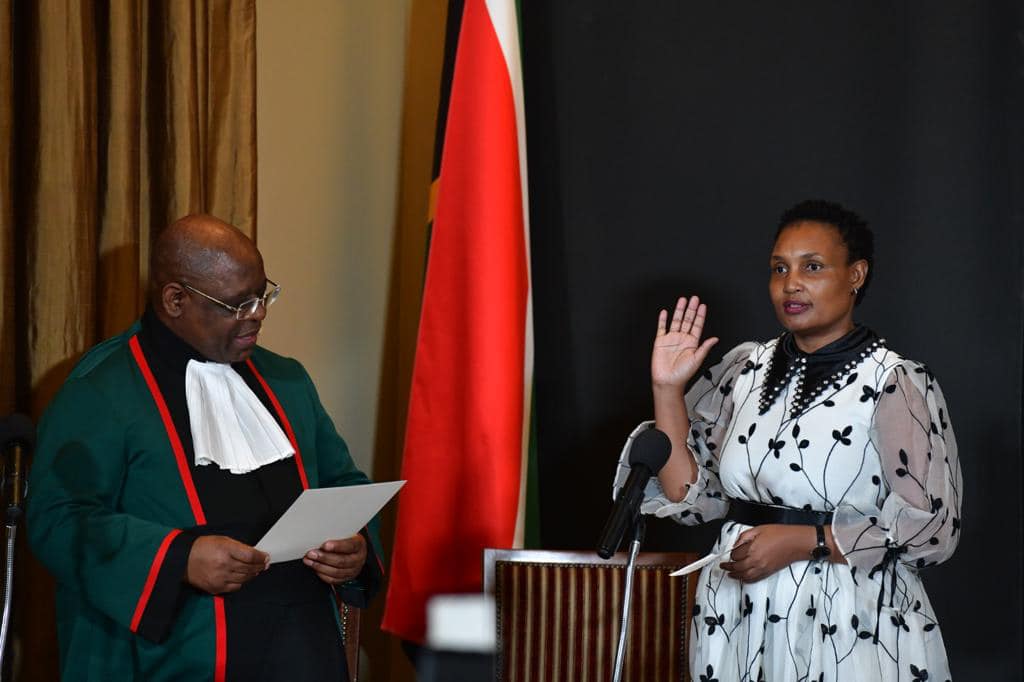
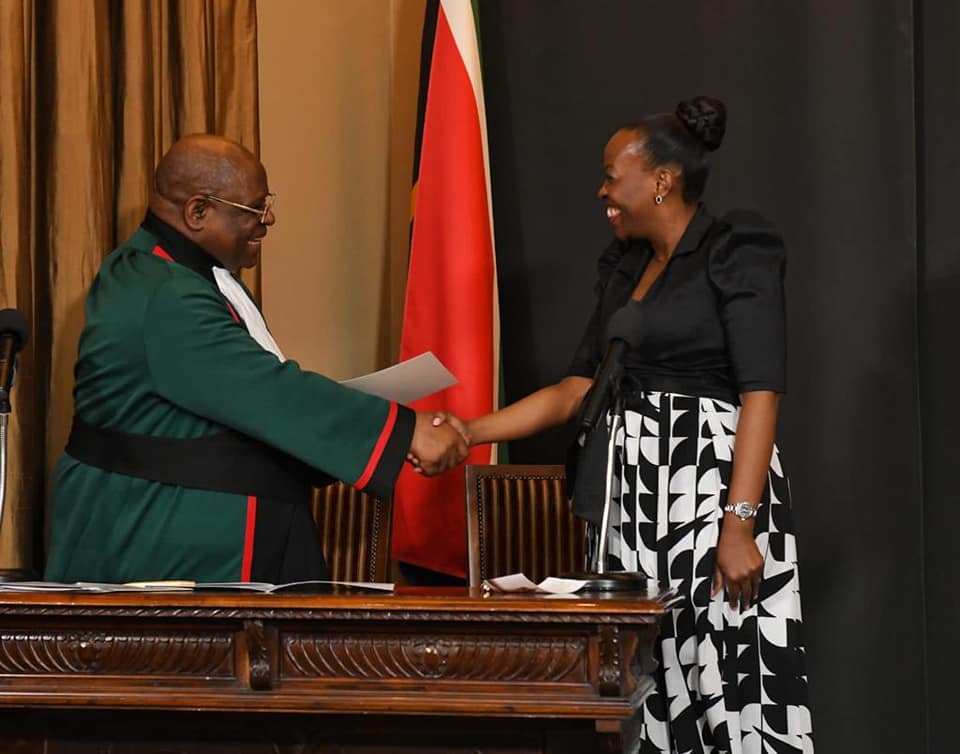
This week South Africa’s president Cyril Ramaphosa reshuffled his cabinet which now has 12 women. However the 26 member cabinet is still male dominated with 14 of the members being men. The country’s executive also has 12 member as deputy ministers, with the number split equally between both genders.
More women in highest positions of State
As of 1 January 2023, 11.3 per cent of countries have women Heads of State (17 out of 151 countries, monarchy-based systems excluded), and 9.8 per cent have women Heads of Government (19 out of 193). This is an increase compared to a decade ago when figures stood at 5.3 per cent and 7.3 per cent, respectively. Of all the regions, Europe continues to have the highest number of countries led by women (16).
Europe and the Americas have the most women Cabinet Ministers
Women represent 22.8 per cent of Cabinet Ministers as of 1 January 2023. Europe and North America (31.6 per cent), and Latin America and the Caribbean (30.1 per cent) are the regions with the highest share of women in cabinets.
However, in most other regions, women are severely under-represented dropping as low as 10.1 per cent in Central and Southern Asia and 8.1 per cent in the Pacific Islands (Oceania excluding Australia and New Zealand). Only 13 countries, mostly in Europe, have gender-equal cabinets, with 50 per cent or more of women cabinet members as heads of ministries.
This year’s International Women’s Day is celebrated under the theme DigitALL: Innovation and technology for gender equality.
Sima Bahous, UN Under-Secretary-General and Executive Director of UN Women noted in a statement marking the day that “by current estimates, just under half (53.6 per cent) of the global population is online, but the share of that access and its benefits is unequal.”
Bahous said last year there were 259 million more men than women using the Internet—and it was not a safe space.
The UN Women also noted that women make up only 22 per cent of artificial intelligence workers globally.
“We have both to end the gaps and detoxify the online world for those entering it. With the right decisions by government and industry and the collaborative efforts of civil society, closing the gender digital divide could become the fast lane to progress as technology accelerates.
“This will also take a sharp rise in accountability for technology outcomes and a strong and effective approach to online violence, including safeguards and expanded legal frameworks to address unregulated behaviours and standards in ICTs. And it will take determined measures to provide the necessary skills and learning, especially in the STEM subjects, that will pave the way to the leadership of women and girls as technology creators, promoters and decision-makers,” said Bahous. – www.unwomen.org – news@mukurukuru.co.za

Be First to Comment