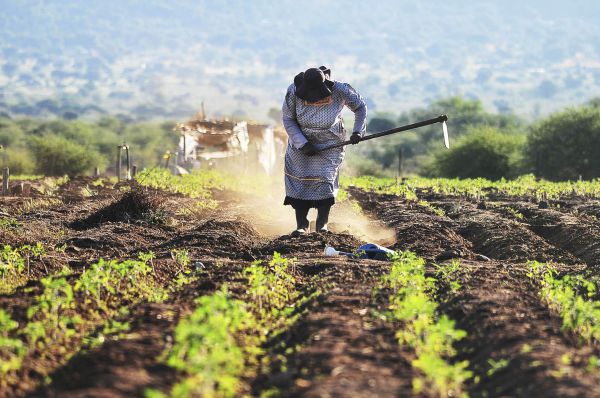
South African farmworkers continue to face unsafe working conditions, exploitation and a lack of protection despite several labour laws meant to protect them, writes Edward Masenamela and Tiyisela Vukeya
Every year on May Day, workers across the world gather to celebrate hard-won victories and renew the call for dignity in the workplace – yet for South Africa’s farm workers, it is not a day of celebration.
It is a reminder of how far we still have to go. On the very same May Day, there will be farm workers who will not be celebrating but will be forced to work.
Their contribution to food security is immense, but their rights are routinely neglected. The rights of farm workers are human rights, and their struggle is our collective struggle.
This calls for solidarity and support of the farm workers, as they are one of the marginalised groups of workers in the country.
The struggles of farm workers are not isolated-they are part of the broader workers’ movement.
This year, May Day must be a rallying cry. Therefore, be reclaimed as a day of solidarity, where the plight of farm workers is placed at the centre of our national conscience. Their demands are simple yet urgent: safe workplaces, fair wages, secure tenure, and inclusion in decisions that affect their lives.
May Day has been observed as International Workers’ Day since 1889, following years of socialists and activists mobilising and organising workers to campaign against long working hours.
Since then, employers started to adopt new working arrangements for their workers to work eight-hour shifts. Working beyond these working arrangements constitutes overtime.
South African legislation, such as the Labour Relations Act (LRA) 66 of 1995 and the Conditions of Employment Act (CEA) 75 of 1997, was enacted to give effect to section 23(1) of the Constitution, which guarantees the right to fair labour practices.
Another complementary piece of legislation, the Compensation for Occupational Injuries and Diseases Act (COIDA)130 of 1993 enacted with the intention to deal with issues that affect workers while on duty.
The National Minimum Wage Act 9 of 2018, provides that the minimum wage for farm workers should be at R30.23c per hour, excluding overtime and holiday compensation.
A farm worker is supposed to be paid R5, 894.85 monthly for ordinary working hours.
But for farmworkers in South Africa, this day carries even deeper meaning, considering their struggles are often invisible.
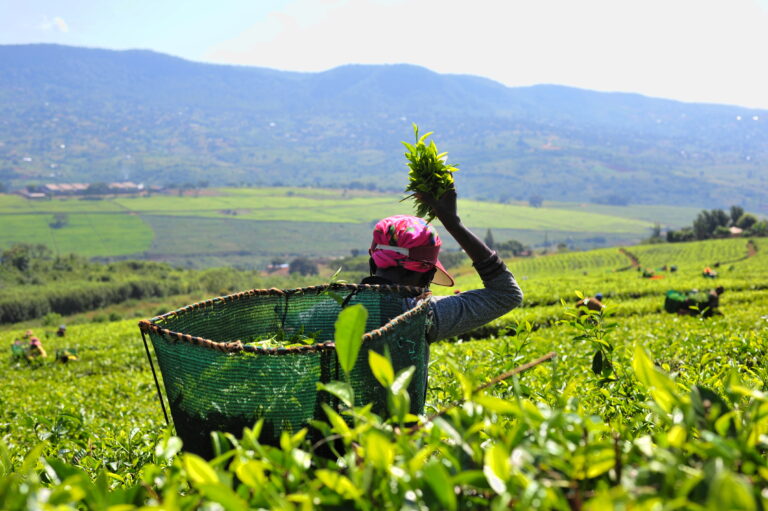
These struggles are rooted in insecure land tenure, unsafe working conditions, denial of access to health services, low wages, lack of personal protective equipment (PPE), rental, imposed subscriptions (funeral schemes, loans, etc), corruption and exploitation.
This is observed in most farms in Mopani, Waterberg, Vhembe and Capricorn districts of Limpopo.
From the lens of a farm worker, May Day cannot be just a hollow celebration – but it should be a platform to consolidate and amplify farm workers’ voices and resolve on the latter’s disheartening day-to-day struggles.
Instead of celebrating or commemorating this important day, many farmworkers are still trapped in the working conditions that contravene progressive legislation that is supposed to protect them.
The SA Human Rights Commission notes that farm workers are predominantly of low income, low skills, and low educational levels; and in some instances may comprise of immigrants without the necessary authorisation to reside or work in SA.
The true celebration of May Day lies not in speeches or parades, but in action. The government must enforce labour protection, and municipalities must engage farm workers in planning and implementation.
Society must recognise and support efforts to restore the dignity of those who feed the nation. Until farm workers enjoy the same rights as other workers, May Day remains unfinished business.
Edward Masenamela and Tiyisela Vukeya are Programme Officers at Nkuzi Development Association, a land rights support non-profit organisation based in Limpopo province. The authors’ views do not necessarily represent the organisation they are associated with. They can be contacted at edward@nkuzi.org.zaand tiyisela@nkuzi.org.za

Be First to Comment