‘I am just preparing to go to the maternity waiting home this time and I do not want to make mistakes. I need to be there early so that the doctors monitor me and check if all is well,” a 23-year-old married youth – a survivor of the condition obstetric fistula (OF) told an interviewer in a study looking into the condition.
She previously miscarried due to OF complications. The condition afflicts over two million women globally, many of them in sub-Saharan Africa and Asia. In Malawi, the prevalence rate of obstetric fistula is 1 per 1000 women. Recent studies have shed light on the multiple barriers that obstruct timely treatment for obstetric fistula patients, leaving them with limited access to the care they desperately need.
Socio-cultural factors prompting the reintegration survivors in Malawi was the centre of a study which earned Dr Mwawi Gondwe a PhD in Population Studies from the University of Kwa Zulu Natal. Having witnessed first-hand the tragic deaths of women giving birth without access to skilled medical assistance in rural areas, Gondwe held a deep-rooted desire to research and advocate for the well-being of obstetric fistula women.
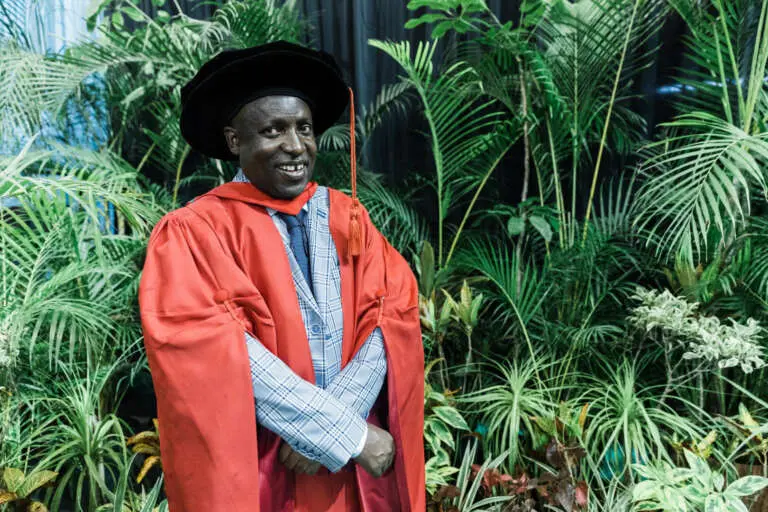
“…in the African culture, issues that border on sexuality are often shrewd in secrecy. Hence, I thought of bringing to surface such kind of issues so that people know the real causes of the condition and how they can prevent and treat the condition.
Such an endeavour would bring these marginalized women with wretched bodies from the margins of society and place them at the centre so that policymakers and decision makers can consider their plight,” said Gondwe.
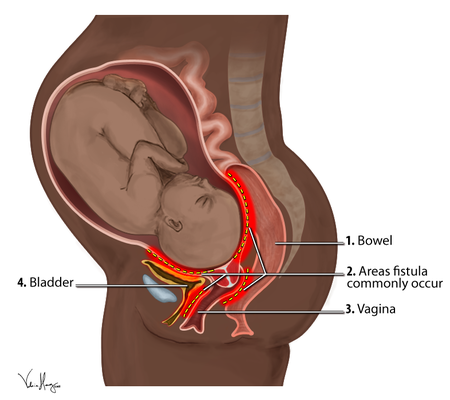
Obstetric Fistula (OF) is caused by prolonged and obstructed labour without timely medical intervention, resulting in uncontrollable leakage of urine or faeces due to a hole formed between the birth canal and urinary tract or rectum.
In order to raise awareness about the prevention and treatment of obstetric fistula and similar issues, the United Nations leads the observance of the International Day to End Obstetric Fistula annually on May 23.
This global initiative aims to shed light on the importance of addressing obstetric fistula, advocating for accessible healthcare services, and supporting affected women to lead healthier and dignified lives.
“The challenge is that some leaders in the affected sub-Saharan Africa region do not demonstrate real political will to eliminate this debilitating condition. The fight against OF in most of these countries is not prioritized as can be showcased in the allocation of resources,” Gondwe said.
Malawi’s National Health Strategy states that there are still many challenges that plague the health sector of the country including mortality and morbidity which remains “unacceptably high” among mothers and children.
“About 3 million Malawians are estimated to be living outside an 8km radius of a public or [Christian Health Association of Malawi] CHAM health facility; per capita health sector expenditure was at US$ 39.2 in 2015 which was less than half of what the WHO recommends for countries like Malawi.”
One of the reasons for inadequate coordination of health policies in the country is the existence of separate policy frameworks and plans within different sectors, resulting in disjointed and inconsistent approaches to addressing healthcare challenges and their underlying causes.
The Strategy’s goal by 2030 is to have “maternal mortality reduced to 70 per 100,000 live births and neonatal mortality reduced to 12 deaths per 1000 live births”.
Gondwe conducted research on 18 treated patients, 15 obstetric fistula healthcare providers, and 15 spouses of sufferers and family members who live with survivors.
He found that women who present with fistulas are young and get pregnant at a young age, are divorced and have very little education. Through the Freedom from Fistula Foundation and Baylor College of Medicine some survivors are supported to generate an income.
A 34-year-old divorced survivor said of her little business: “I keep myself busy by running this grocery shop. The funds were given to me by the FFF. This business is my child and I survive on it and it is my only hope.”
Other efforts by organisations such as Fistula Surgery Training Initiative (FIGO), AMREF Health Africa, and the Spotlight Initiative continue providing surgeries and training fistula surgeons with the necessary skills and knowledge to effectively address obstetric fistula. Speaking at one of the high-level dialogue series during the 76th World Health Assembly in Geneva, Switzerland on 24 May, acting UNICEF CEO Steven Lauwerier said current statistics are enough to shock policymakers into action.
“Currently, only 12 of the 106 countries reported that their plans are fully financed…we stand to lose 13 million more babies by 2030, more than half of them in sub-Saharan Africa,” he said.
Lauwerier urged for the health of women and children to be at the top of the agenda for every country as letting women, children and adolescents die would be unconscionable. “…It is the smartest investment a country can make for inclusivity, prosperity and resilience to whatever may come next be it the impact of climate change, the upheaval of conflict or the next pandemic,” Lauwerier concluded. – news@mukurukuru.co.za

Be First to Comment