Plans to establish Limpopo Liberation Route underway as fierce Struggle battle remembered
ON 25 March 1988 a nine man unit of uMkhonto we Sizwe guerrillas crossed the Limpopo river from Zimbabwe into South Africa to carry out missions by the ANC’s military wing.
Three days later, on 28 March, as they sat resting on an island on the Mutale river after their guide Wellington Mabaso disappeared, they were spotted by soldiers from the Venda Defence Force (VDF). A fierce battle which lasted the entire day ensued.
The VDF troops called for reinforcements from the South African Defence Force (SADF) which had a base along the international border.
The SADF deployed a helicopter gunship in response. The MK stood their ground against the joint VDF and SADF forces. But in the end, superior firepower saw five MK freedom fighters killed in combat.
Incidentally on the same night, the SADF raided a house in Botswana, killing three women and MK’s regional commander Solomon Molefi.
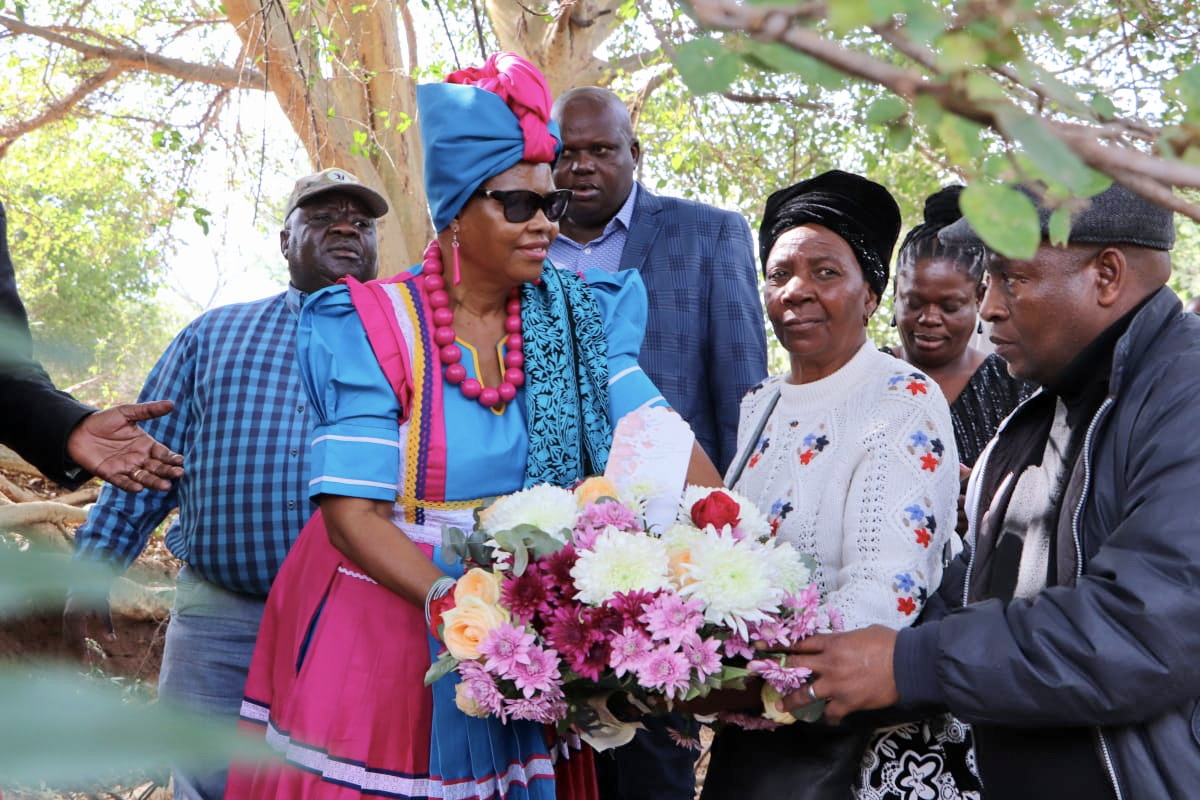
This week some of the men who survived the battle joined by family members of some of those who were killed, attended a commemoration of the battle.
Together with government officials and Military Veterans they laid fresh flowers at the battle site, paying tribute to their five comrades who paid with their lives.
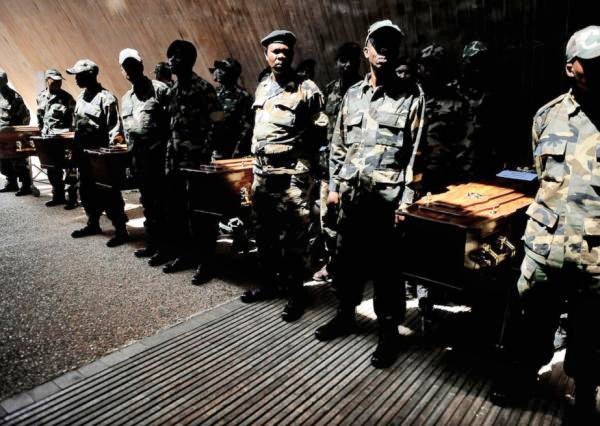
The deceased guerrillas were later identified as Oupa Lukhele, Sipho Nkosi, Daniel Nkabinde, Mlungiseleli Velaphi and Kunyamane Ranyaoa. Their remains which had been buried in unmarked graves which were hidden from their families were exhumed by the Missing Person’s Task Team in 2013 and later reburied by their families.
One of the surviving men from the MK unit, Emmanuel Musawenkosi Mlambo who operated under the num de guerre Duma Dlamini, recalled the battle which buoyed morale in the ranks of the liberation army.
Mlambo was part of a delegation that travelled to the battle site to commemorate the battle. Two other survivors include James Sekgale and Thabo Dube.
“It is still emotional because the scars are still there. We are healing, but it’s difficult,” Mlambo said at the site of the battle this week.
Mlambo suggested the MK men may have inflicted more casualties on the joint VDF and SADF units, but such information was strictly withheld by the Apartheid authorities to uphold their aura of invincibility.
Sebelina Lukhele, whose brother Oupa Lukhele was one of the five who were killed in battle expressed pain about memories of the battle.
“We feel pain. Going back to the site brought back a lot of painful memories,” she said after visiting the site.
The event was part of the Limpopo Department of Sport, Arts and Culture’s efforts to establish a Limpopo Liberation War Route alongside the National Heritage Council. Limpopo province, previously called Northern Transvaal shares a border with Botswana, Mozambique and Zimbabwe.
During the liberation struggle, this border was a preferred route by guerrillas seeking to infiltrate the country to carry out missions further afield. However it was a highly militarised zone patrolled by the SADF who were working with local farmers organised into commando units.
The Limpopo Liberation War route is set to extend from Tjate, the battle site erected in honour of revered Bapedi warrior King Sekhukhune I to the University of Limpopo, to Mutale and Limpopo river basin.
“Our freedoms were not as free as some of us think. Sweat and blood, torture and incarceration were the order of the day. The Department of Military veterans has to move with speed with the incentives that are owed to these heroes,” Limpopo MEC for arts and culture Nakedi Kekana told the gathering.
“We also wish to thank the families who lost many of their children to the war against apartheid. Some families here are still waiting for their sons and daughters who will never come back,” she said. – news@mukurukuru.co.za

Be First to Comment