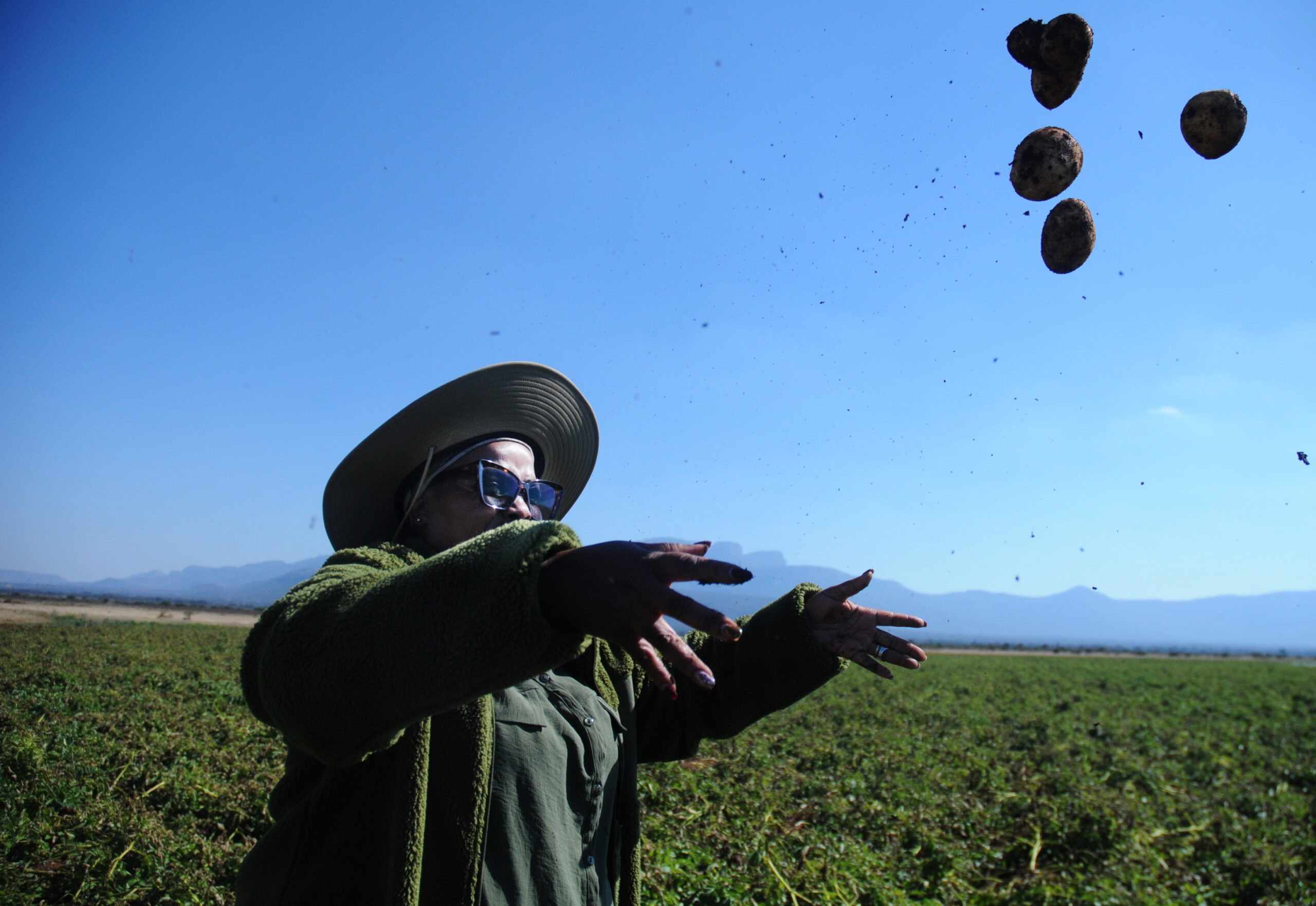
In the shadow of Limpopo’s Blouberg mountains, a quiet agricultural revolution is taking root. Through a partnership between the Kgodiso Development Fund and PepsiCo, black farmers are rebuilding a commercial farming tradition once disrupted by decades of dispossession, writes LUCAS LEDWABA
Lehlowedi Farm rises from the dry, open plains beneath the towering Blouberg mountains in north-western Limpopo, a landscape where history and hope stand side by side.
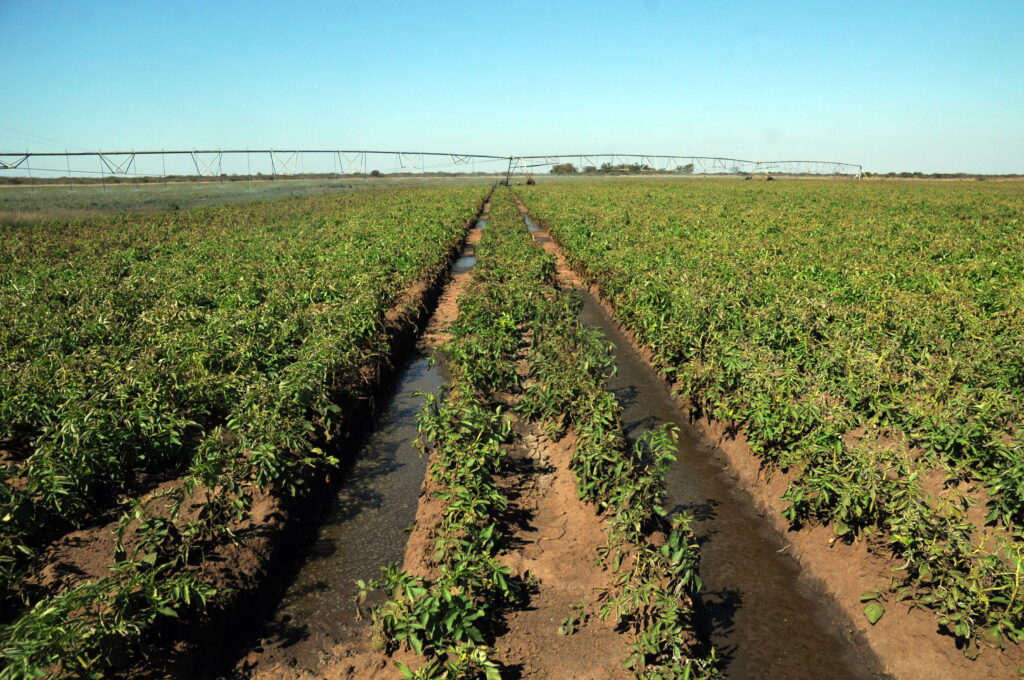
Rows upon rows of ripening potatoes stretch across the fields, broken only by the towering pivot irrigation systems that sweep methodically over the crop. Sixty hectares of potatoes thrive on the farm’s 200 hectares on the outskirts of Marobjane village, about 20 kilometres from Senwabarwana.
For generations, such a scene would have been almost unimaginable in these parts.
The legacy of colonialism and apartheid stripped black farmers of land, capital and access to markets, reducing many to subsistence maize farming and livestock production while forcing countless others to leave their communities in search of work as migrant labourers on mines, factories and commercial farms hundreds of kilometres away. In the process, once-thriving black farming enterprises were systematically dismantled.
Today, Lehlowedi Farm represents a determined effort to reverse that history.
Owned and managed by 35-year-old Ngwako Martin Masipa, the farm is among a growing number of black commercial farming enterprises supported through the Kgodiso Development Fund. The land was allocated to him by the local traditional authority, and today he cultivates potatoes destined for one of the world’s largest food and beverage companies.
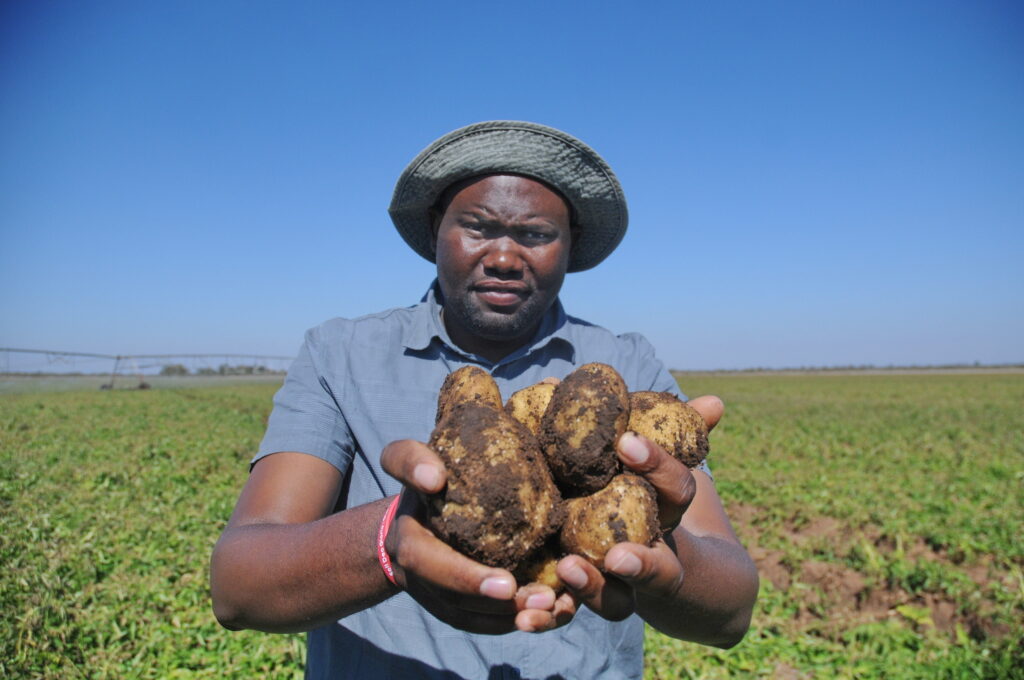
Masipa supplies PepsiCo as part of a partnership between the multinational company and the Kgodiso Development Fund, an initiative established to nurture a new generation of sustainable black commercial farmers.
The Fund says it seeks to transform South Africa’s agricultural landscape by providing black farmers with access to affordable finance, technical expertise, business development support and reliable markets.
Established by PepsiCo with an initial investment of R600 million, the fund aims to help black-owned farming enterprises expand production, improve productivity and build sustainable businesses capable of competing in the commercial agricultural sector.
South Africa is rated among the top five potato producers in Africa. According to industry reports, the South African potato industry accounts for about 45% of all vegetable crops produced locally. It is driven by roughly 500 commercial farmers yielding approximately 2.5 million tonnes annually across 51,000 hectares. Most importantly, these farmers, like Masipa, support the 60,000 jobs that help sustain rural communities like Marobjane.
A few kilometres away from Masipa’s farm, another success story is unfolding.
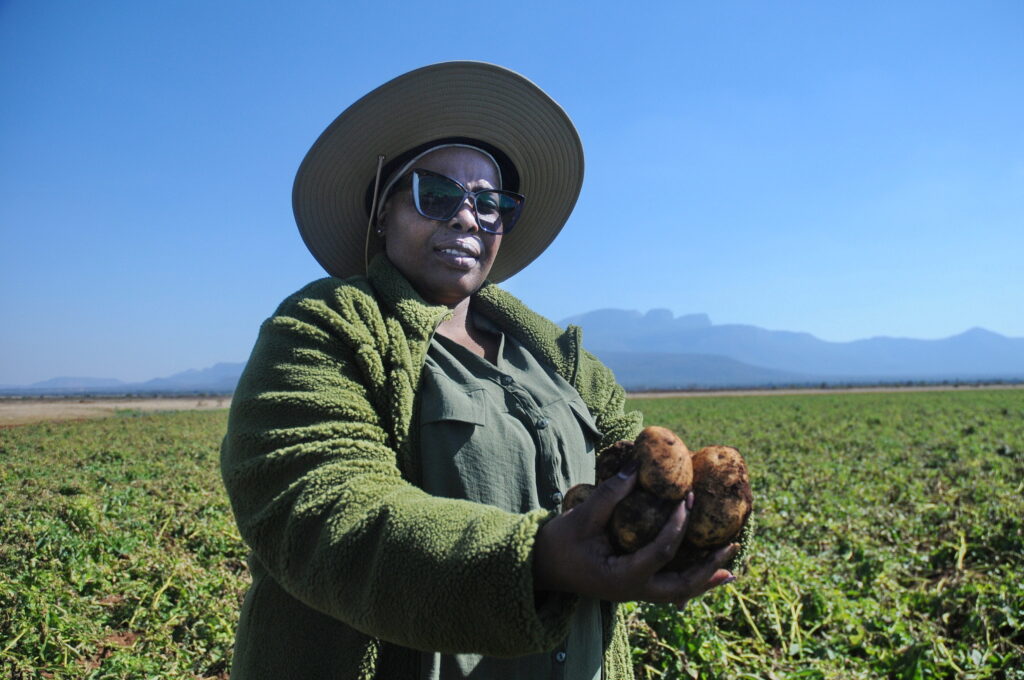
Mazeli Farm, owned by Zelda Tsakane Masoga and her family, lies on the vast plains below the imposing Blouberg mountains, whose dramatic silhouette dominates the horizon like an ancient guardian watching over the land.
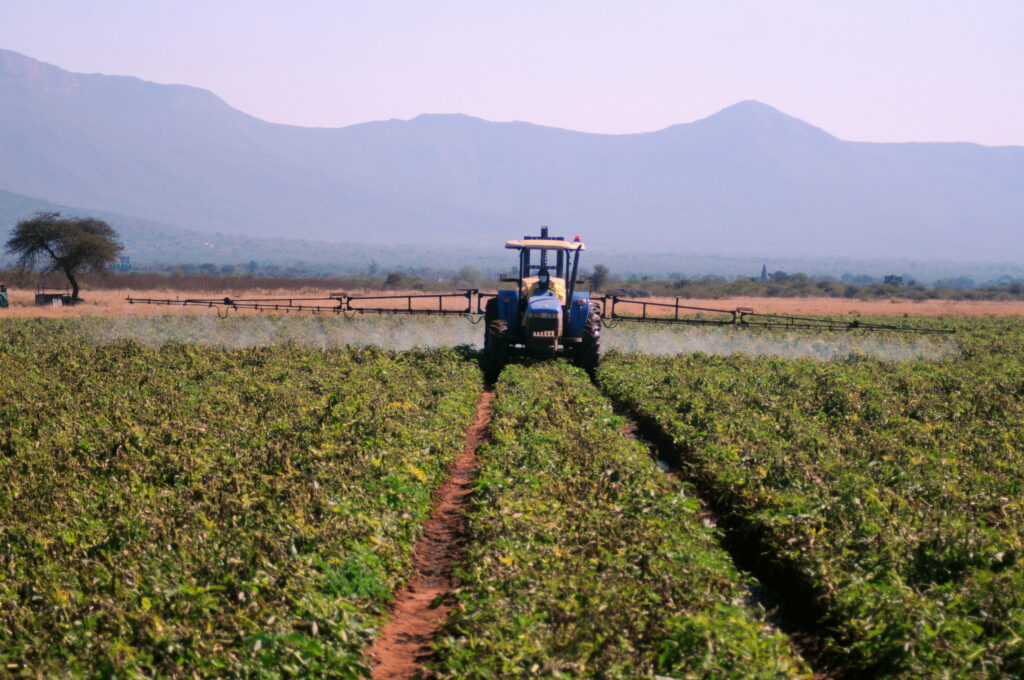
On a warm winter morning, a tractor slowly makes its way between neatly planted potato rows, spraying crops in preparation for the coming harvest. It is an ordinary farming activity, yet one that symbolises an extraordinary transformation.
Not long ago, black farmers in communities such as Marobjane had little access to machinery, finance or modern farming infrastructure. Most relied on rudimentary hand tools and inherited farming methods, constrained by generations of exclusion from commercial agriculture.
Masoga remembers those days well.
Before receiving support from the Kgodiso Development Fund, Mazeli Farm operated with virtually no infrastructure. The family’s office was nothing more than the shade of a large marula tree standing on the property.
Today, the farm has a modern storage shed, chemical store, office facilities and a packhouse used during harvesting.
“Kgodiso assisted us a lot,” Masoga says.
“They came when we had nothing. They provided seed, funding and continuous support. They are doing everything possible to help us succeed.”
Like Masipa, Mazeli Farm now supplies potatoes to PepsiCo.
Yet commercial farming remains an unforgiving business.
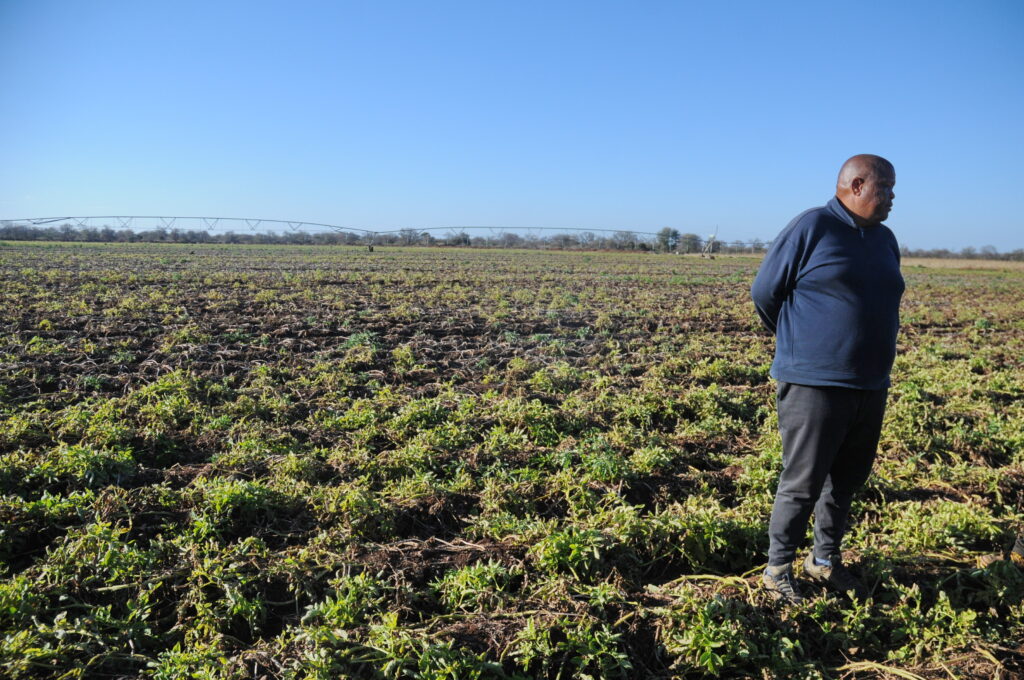
“Farming commercially is not an easy thing,” Masipa reflected during a recent visit by members of the Kgodiso Development Fund board and PepsiCo executives.
An unexpected frost recently damaged part of his crop — a reminder that even with modern technology, farming remains vulnerable to increasingly unpredictable weather, from frost and hailstorms to floods and prolonged drought.
Masipa’s journey into commercial agriculture began not as a farm owner, but as a labourer.
He worked at Torofina Trading Post, the successful potato farming enterprise established by Phophi Raletjena in nearby De Vrede village, about 22 kilometres from Marobjane.
With guidance from agricultural economists and industry specialists, Masipa eventually established his own farming operation before joining other emerging farmers in cooperative initiatives designed to strengthen production and improve market access.
Raletjena’s own story mirrors the resilience shared by many of the region’s new commercial farmers.
Established in 2005 as a vegetable enterprise, Torofina Farm experimented with different crops and even poultry production before discovering its niche in potato farming.
Its growth has been supported over the years by institutions including Potatoes South Africa, the Limpopo Department of Agriculture, PepsiCo and the Kgodiso Development Fund.
Standing among warehouses, modern grading equipment, potato washing machinery and an impressive fleet of tractors, Raletjena remains conscious of the many hands that helped build his business.
“Let me remind you what we are trying to do,” he says.
“We are products of the efforts of many institutions and stakeholders who invested in us to be where we are today.”
For him, success carries responsibility.
“We want to honour that vision by doing even better. Our role is not only to produce thousands of tonnes of potatoes, but also to become enablers who help others succeed. That is why we have established a new company to begin producing seed potatoes.”
His advice to aspiring entrepreneurs is grounded in practical business fundamentals rather than sentiment.
“The foundation of any business is understanding who wants your product, how much they need, and what they are prepared to pay for it.”
Despite Torofina’s remarkable growth, he acknowledges that expanding access to larger domestic and international markets remains one of the biggest challenges facing South Africa’s emerging commercial farmers.
Across the foothills of Blouberg, the transformation unfolding on farms such as Lehlowedi, Mazeli and Torofina tells a larger story.
It is a story of communities reclaiming a place in commercial agriculture after generations of exclusion. It is a story of partnerships that combine finance, technical support and market access with the determination of farmers willing to build businesses from almost nothing.
Most importantly, it is a reminder that restoring black participation in commercial agriculture is not simply about producing bigger harvests. It is about rebuilding livelihoods, creating rural employment and restoring a legacy that history once tried to erase.
Kgodiso Fund board chairman Setlakalane Molepo acknowledged the progress made by Torofina and other farmers supported through the initiative.
“Half the time when you arrive, people tell you there is a project here, and you never see a sign of where the money was invested. So this is a great achievement and milestone, but equally we want to say thank you to PepsiCo, who have committed to this journey to see to it that black farmers that are so-called start-ups can graduate to become commercial farmers to a level at which they can produce for the nation,” Molepo said. – news@mukurukuru.co.za

Be First to Comment