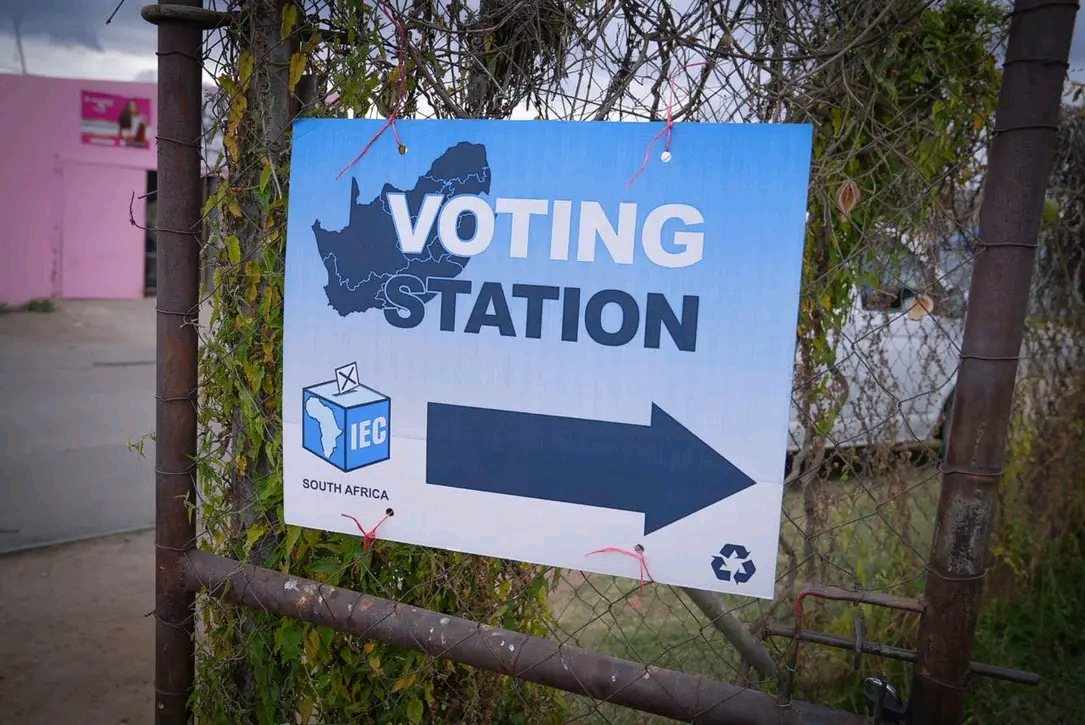
Outside a primary school in Soshanguve, north of Pretoria, the winter frost still clung to the dry grass as IEC volunteers in high-visibility vests set up plastic folding tables. Long before the doors opened at 8 am, a line of citizens, huddled in thick jackets and beanies, had already begun to snake around the chain-link fence.
They had come on this cold morning with a singular purpose: to secure their place on the voters’ roll ahead of South Africa’s highly anticipated 2026 local government elections in November.
The Electoral Commission’s first voter registration weekend, held on 20 and 21 June 2026 , marked the opening salvo in preparing for a ballot that will determine the leadership of municipalities across the country. In South Africa, local government is the sphere of the state that touches everyday life most intimately. It is the tier responsible for water Flowing from taps, the patching of potholed roads, the collection of refuse, and the maintenance of the electrical grid.
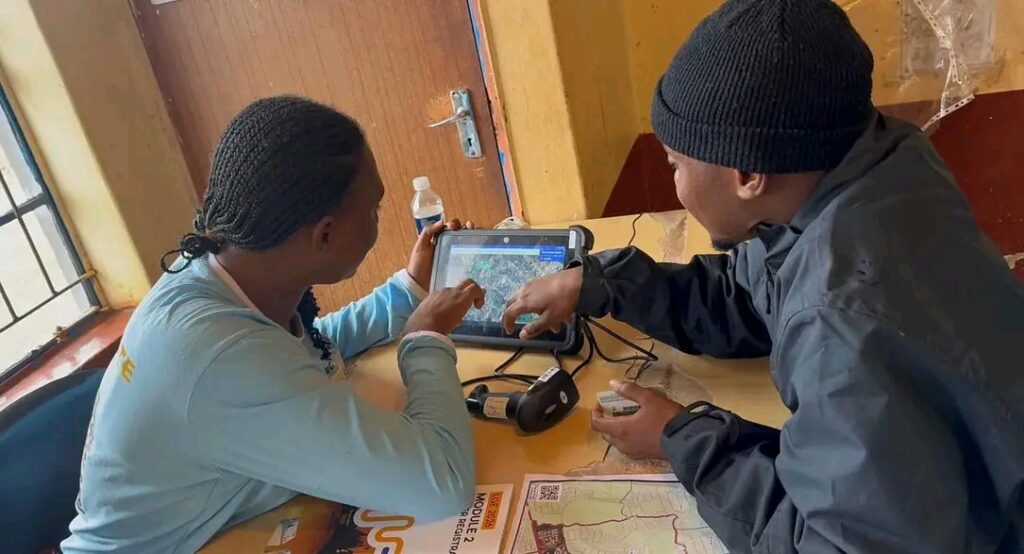
Across the country’s metropolitan hubs and rural outposts, voting stations operated from 8 am to 5 pm on both days. Election officials worked tirelessly, urging citizens to ensure their residential addresses were correctly captured to guarantee accurate ward allocation.
By midday on Saturday, the logistical machinery of the IEC was in full swing. According to the Commission, more than 330,000 voter registration applications had already been processed.
Deputy Chief Electoral Officer Masego Sheburi, overseeing the mammoth task of coordinating the nation’s districts reported that the weekend had commenced on a remarkably strong note.
“By 8 o’clock this morning, close to 100% of our stations were confirmed open and operational,” Sheburi said.
“We appreciate the 48,000 electoral officials for ensuring that registration operations commenced as planned and that voters get a good experience when they visit their voting stations.”
While the vast majority of applications were processed smoothly at physical stations, the IEC’s digital infrastructure also saw significant traffic.
Sheburi noted that early trends pointed to a robust turnout among the youth, with young people forming the majority of early applicants. The online system remained largely stable, though he conceded that a surge in traffic caused minor headaches, with some voters experiencing delayed receipts of their One-Time Pins (OTPs) due to network congestion.
Yet, despite the overall success of the weekend, the logistical updates provided by the IEC offered a sobering glimpse into the volatile reality of South African municipalities.
Sheburi confirmed that just under 16 voting stations were temporarily prevented from opening. The reason was not a lack of ballot scanners or absent staff, but community protests that blockaded access. IEC officials were forced to rely on local leadership and the South African Police Service to clear barricades and restore access.
These disruptions highlight a profound and tragic paradox at the heart of South Africa’s democratic process. The protests that blocked the voting stations were driven by the very service delivery failures that the upcoming elections are meant to resolve. For many marginalized communities, trust in the ballot box has eroded so deeply that burning tires and barricaded roads are viewed as the only language politicians truly understand.
Beyond the statistics, the registration weekend laid bare this lived frustration. For millions of ordinary South Africans, deciding to register is no longer just a routine democratic exercise; it is an urgent, desperate response to the collapse of local infrastructure.
For 42-year-old Shink Mothoa, a resident waiting in line to verify his address, the decision to participate in the upcoming election was born out of sheer exhaustion. Frequent power cuts, dry taps, and overflowing sewage in his community have made daily survival a grueling task.
“We are registering because we want change in our ward. The municipality is completely failing us when it comes to service delivery,” Mothoa said, rubbing his hands together to ward off the morning chill.
As a small business owner, Mothoa has felt the sting of municipal decay firsthand.
“The constant power cuts are frustrating and affect everything we do. You can’t run a business, children can’t study, and food rots in our fridges. We just want basic things to work. Electricity, roads, water these are not luxuries. We are tired of complaining without seeing change.”
His sentiments echo across a fractured nation where many residents feel entirely invisible to their elected councillors until election season rolls around.
Yet, interspersed among the weary and the frustrated were flashes of fierce, defiant optimism, particularly from the country’s youth.
For 19-year-old first-time voter Lerato Mokoena, stepping up to the registration desk carried a heavy mix of excitement and civic responsibility. Aware of the pervasive apathy among her peers, she views her registration as a refusal to surrender to cynicism.
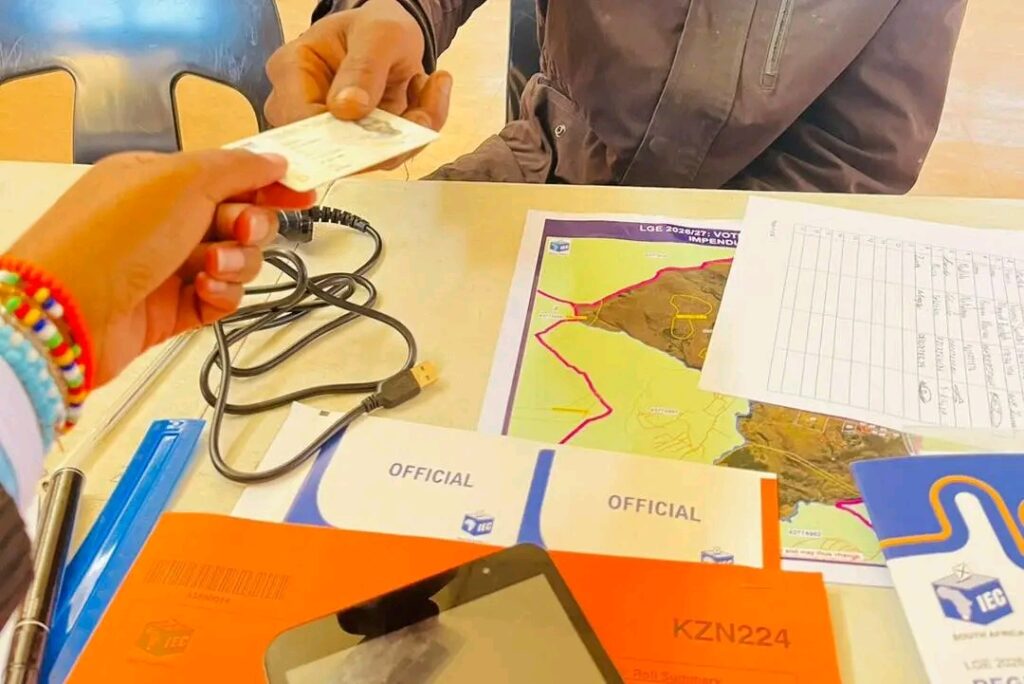
“I’ve always heard older people complain about politicians, but now I want to see for myself if my vote can actually make a difference,” Mokoena said, proudly holding up her ID card.
She acknowledged the heavy disillusionment weighing on the youth, many of whom are burdened by sky-high unemployment rates and failing local economies.
“A lot of my friends say voting doesn’t change anything. They say the system is broken. But I don’t agree. If we don’t try, then we can’t expect things to get better. I want to be part of the people who actually try.”
For Mokoena, adding her name to the voters’ roll forced her to think critically about the future of her neighborhood.
“I want leaders who listen, especially when it comes to jobs, safety, and how our areas are maintained,” she explained.
“We see the problems every single day, so it’s vital that we also take part in choosing the solutions. If young people stay away, then decisions will always be made without us. I don’t want that. Even if it’s just one vote, it still counts.”
As the Electoral Commission prepares to release the final registration figures later in the week and deliberate on the necessity of a second registration weekend, the prevailing mood on the ground is clear.
South Africa is moving toward the 2026 local government elections with a populace that is deeply dissatisfied but not entirely defeated. The registration weekend highlighted a familiar tension register on: while citizens remain fiercely protective of their right to vote, their motivation is increasingly shaped by anger over broken municipal promises. – news@mukurukuru.co.za

Be First to Comment