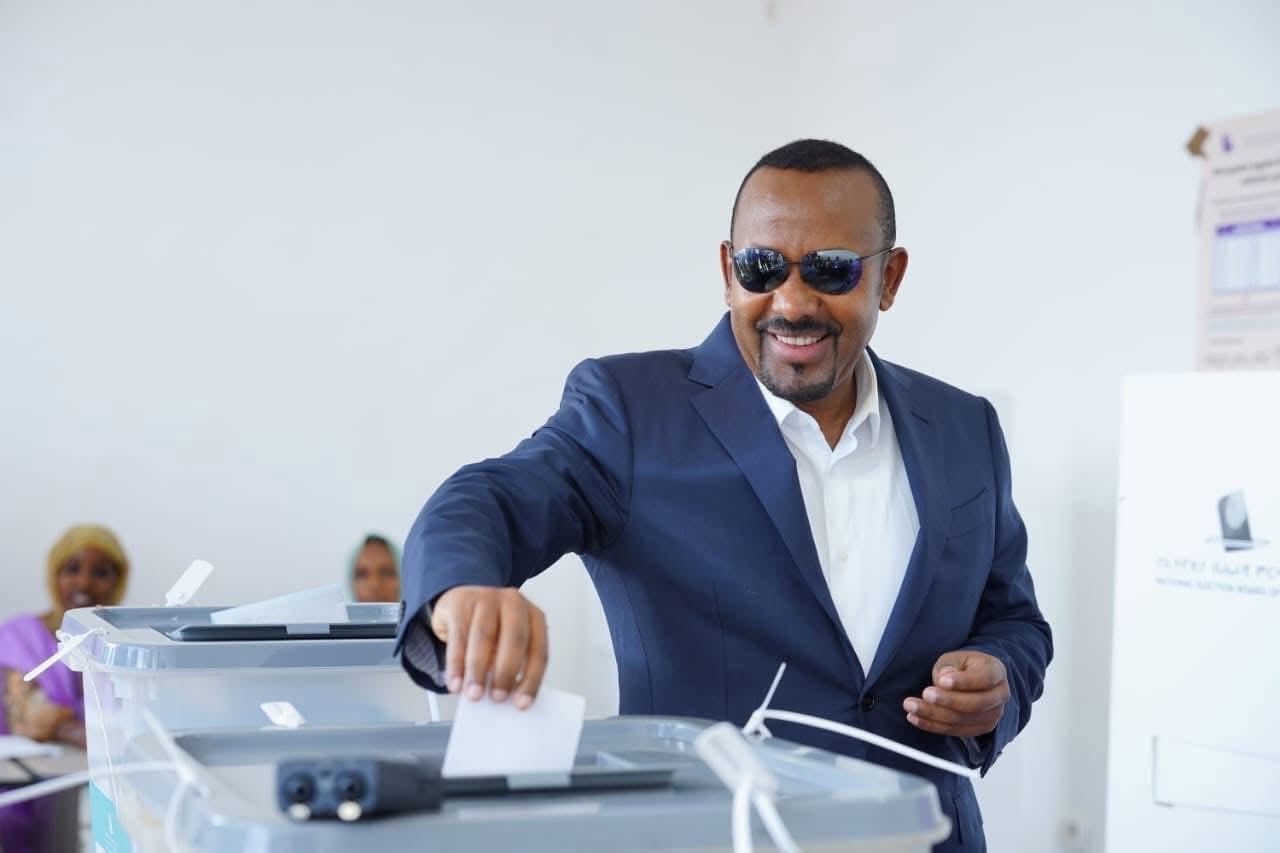
Ethiopia’s 7th general election, held on 1 June 2026, against a backdrop of seven years of economic growth and reform, has been hailed as a significant milestone in Ethiopia’s democratic development, writes Dessie Alebachew Maru .
The election unfolded peacefully and democratically, underscoring the country’s determination to anchor political life in dialogue rather than conflict.
The National Electoral Board of Ethiopia (NEBE), an independent institution established under the Constitution and the 2019 Establishment Proclamation, administered the election. The Board holds sole authority to oversee national polls at federal, regional, and local levels, and its management of the process has been widely commended.
Building trust through transparency
Observers emphasised that the strength of an election lies not only in its outcome but in the integrity of its process. NEBE’s preparations were extensive: registering political parties, training officials, delimiting constituencies, engaging the media, educating voters, and establishing polling stations.
These efforts earned public trust and drove record-breaking voter registration, with 54 million citizens signing up — the highest figure since Ethiopia’s first relatively democratic election three decades ago.
More than 40 political parties and independent candidates contested seats. Following the vote, most acknowledged the fairness of the process, while continental and regional organisations, including the African Union (AU) and IGAD, issued preliminary reports praising Ethiopia’s conduct.
Continental recognition
Former Kenyan President Uhuru Kenyatta, head of the AU Election Observer Mission, lauded Ethiopia’s achievement: “Today is a day the people of Ethiopia should be proud of. A nation that stood against colonialism, united and never colonised. A nation that stood for Africa’s independence and rights to self-governance, and as a result became the capital of Africa.”
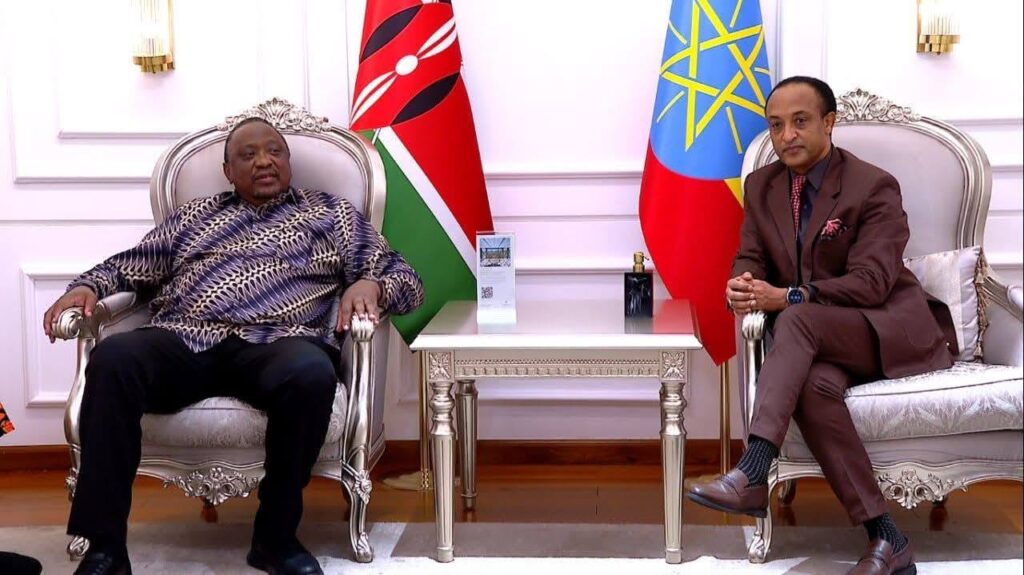
IGAD’s mission similarly commended the peaceful conduct of the polls, describing them as a notable milestone in Ethiopia’s democratic journey. Domestic observers, including the Ethiopian Human Rights Commission, media organisations, and civil society groups, also authenticated the election as peaceful, fair, and democratic.
Technology and inclusivity
NEBE introduced digital technology to complement manual voter registration, a move that boosted participation among younger citizens. Inclusivity was further strengthened by high levels of women’s participation, both in voter registration and candidate representation.
Despite predictions of boycotts and low turnout, Ethiopians defied expectations. Voters queued from early morning until late evening, prompting NEBE to extend polling hours to accommodate demand.
Challenges and limitations
It is regrettable that some communities, particularly in Tigray and parts of Amhara, were unable to exercise their constitutional right to vote. Nonetheless, turnout across the country sent a clear message in favour of dialogue and peaceful resolution over violence.
The election also served as a referendum of sorts, pitting peaceful political engagement against violent alternatives. Most parties endorsed the democratic nature of the process, while those attempting to undermine it were met with a strong public rebuke.
Beyond the ballot
Ethiopia recognises that elections alone cannot resolve deep-rooted political challenges. In December 2021, the Ethiopian National Dialogue Commission (ENDC) was established to facilitate inclusive dialogue. The Commission is now finalising agendas collected nationwide, with recommendations and implementation plans expected soon. Economically, Ethiopia has registered notable progress in energy, agriculture, industry, mining, exports, tourism, and services, reinforcing public trust in governance.
Ultimately, the 7th general election reaffirmed Ethiopians’ belief that democracy is the only path to peace and prosperity. Sovereignty rests with the people and their elected government, and the vote validated Ethiopia’s reform process while underscoring its commitment to peaceful political development.
The overwhelming turnout, inclusivity, and transparency of the process demonstrated that Ethiopians are determined to resolve outstanding issues institutionally and peacefully. The burden now lies with the parties that secured seats to honour this commitment and carry forward the nation’s democratic journey.
*Dessie Alebachew Maru is the charge d’affaires at the Embassy of The Federal Democratic Republic of Ethiopia in Pretoria.She holds the status of Minister Plenipotentiary.

Well said and notes basic facts. Thanks