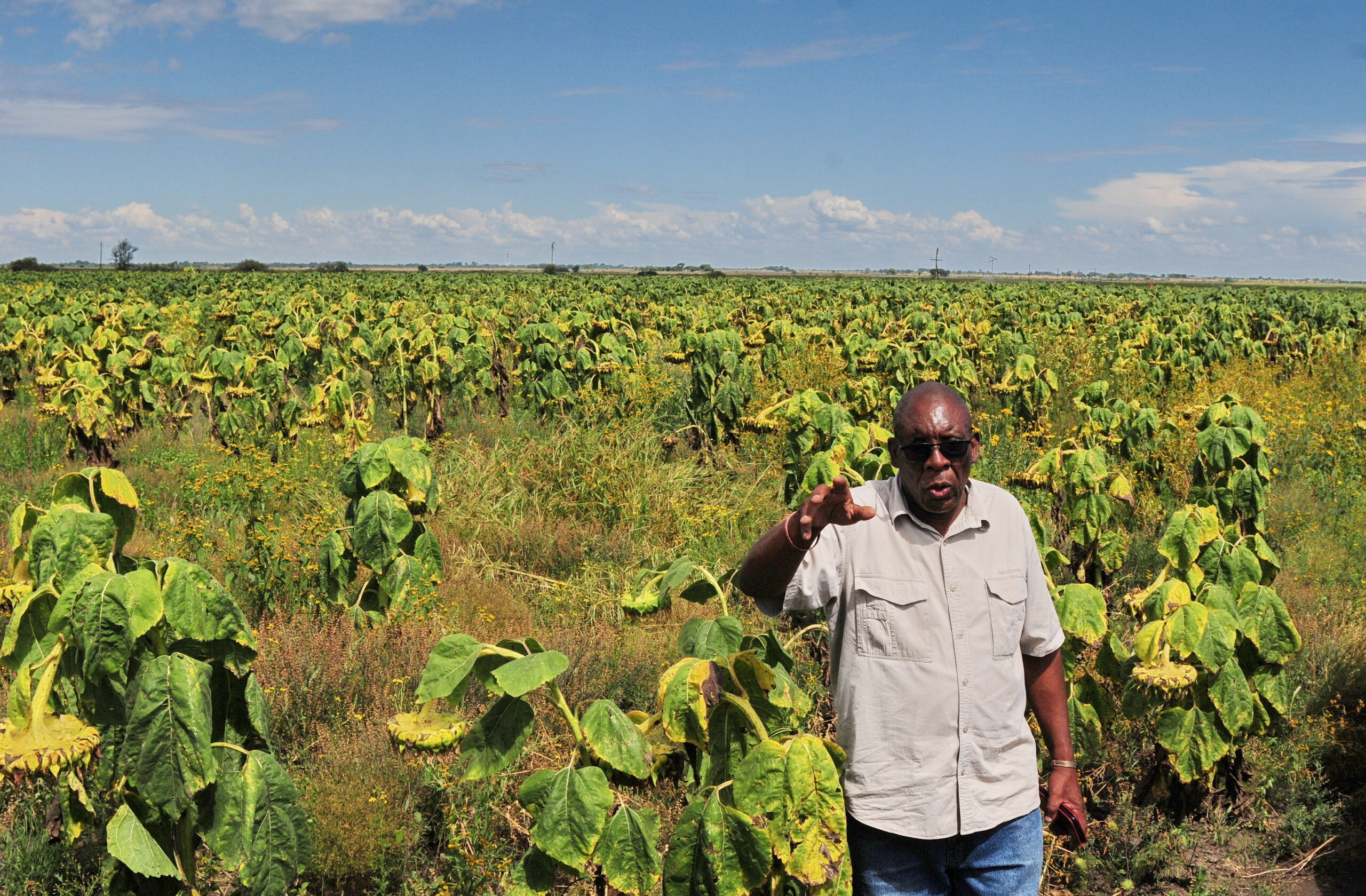
“Farming is all about three things, passion, land, finance,” farmer Frank Makgopela Monaheng responds when asked why many land reform farming projects seem to end up in failure.
“If you have these three things, then you are going to succeed. But you can have land and finance and no passion, and you are not going to succeed. Without passion, you are going nowhere,” says Monaheng who runs the 1060 hectare Mora Farming Project near Bela in Limpopo province.
Monaheng is a beneficiary of the Department of Agriculture, Land Reform and Rural Development’s Pro-Active Land Acquisition Strategy (PLAS) which seeks to redress the injustices and imbalances in land ownership and the commercial agriculture sector caused by past racial based policies.
In a 2021 paper titled Addressing Constraints to South Africa’s Agriculture Inclusiveness, the authors Wandile Sihlobo and Mzukisi Qobo allude to the fact that “the South African democratic government inherited a dual agricultural sector in 1994.
“On the one hand, there were well-resourced and predominantly white-owned commercial farms. On the other hand, there were poorly resourced small-scale and subsistence black-owned farms. The disparities in fortune between these groupings of farmers were caused by the enduring effects of segregation policies and systems from the previous colonial and apartheid governments,” Sihlobo and Qobo say in the paper published by the University of the Witwatersrand.
Last year DA MP Noko Masipa raised concern that “after spending over R12 billion since 2006 acquiring farms for land reform purposes, under the Proactive Land Reform Strategy (PLAS), the ANC government’s poor implementation of post settlement support has resulted in a 75% failure rate on PLAS farms.”
Masipa said “of the 529 PLAS farms that were handpicked for R3,4 billion post settlement support through the Recapitalisation and Development Programme (RADP), 397 are either operating at subsistence level or are not productive at all.”
Land reform and redistribution beneficiaries and commentators in the sector have highlighted among the reasons for the failure of land reform projects, wrong selection of beneficiaries, a lack of post settlement support, a lack of skills and failure to access markets among some of the contributing factors to the collapse of some projects.
However, Mohaneng who runs Mora Farming with his wife Linah Mmakopodi Monaheng and their four children who work part time on the farm when not studying is showing the way.
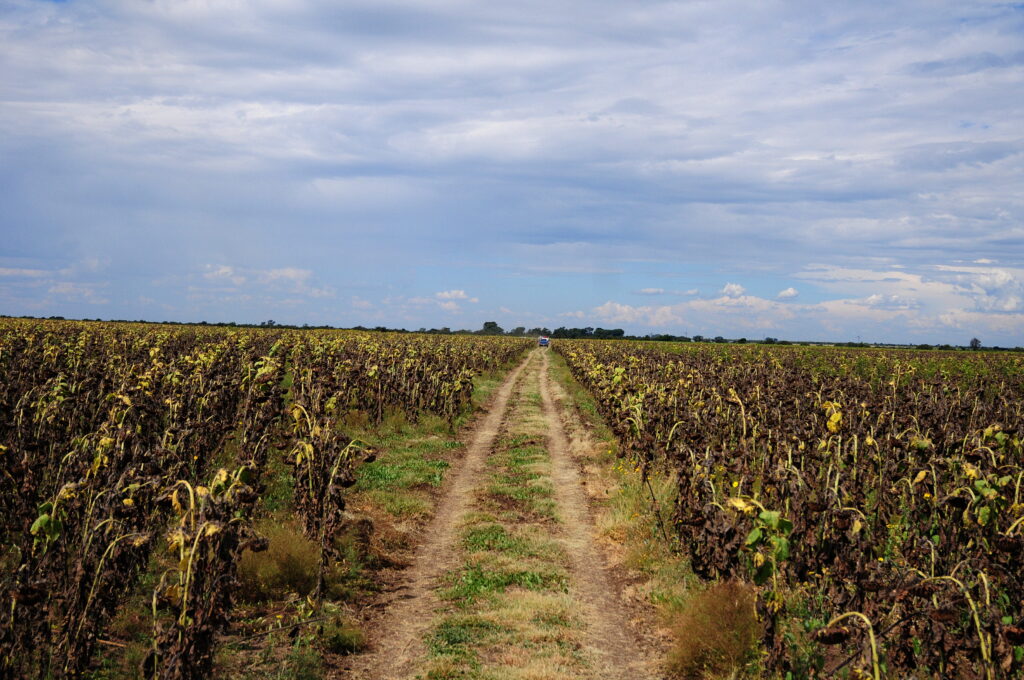
He started farming more than 30 years ago dealing mainly in cattle and goats. A hustler who has ever only worked for someone for just 18 months, Monaheng grew from owning one taxi to a generous fleet of four. But his passion for working the land saw him quit the taxi business and focus full time on farming.
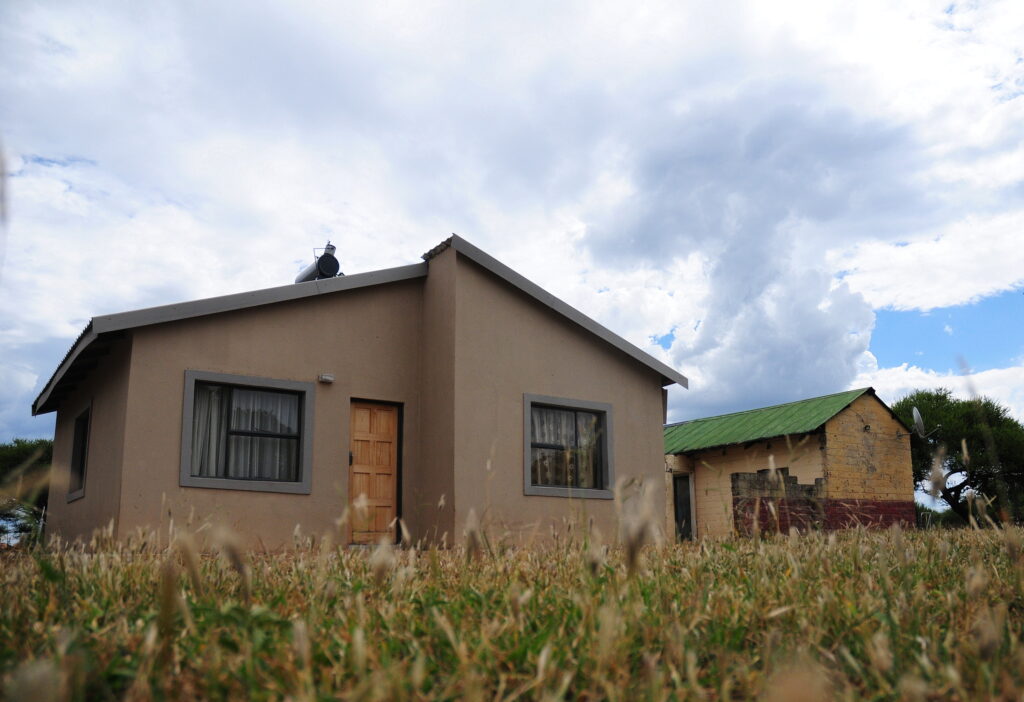
The department bought the farm for R14,8 million in 2016 as part of the land distribution program. Monaheng received a further R9 million support in the form machinery, infrastructure and production inputs. These included two tractors, bulk trailer, chemical pump, a diesel trailer, and two houses for farm workers, water tanks, fencing and business management training.
Monaheng farms bonsmara cattle and sunflower. He has built up the farm into a thriving commercial enterprise by reinvesting his profits into the business, using the funds to buy machinery to improve production.
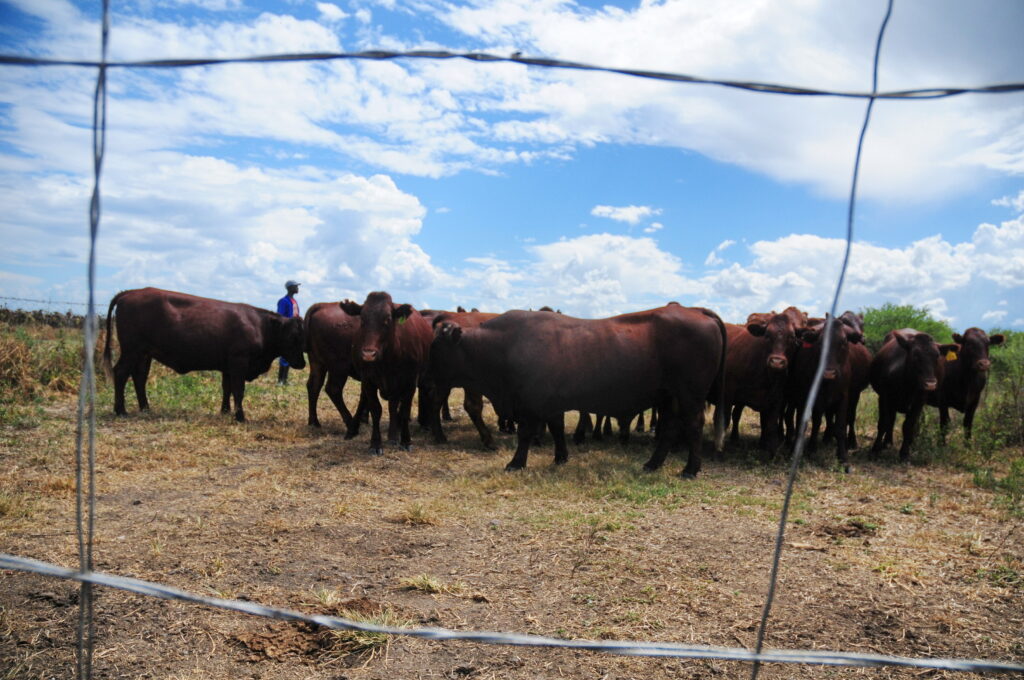
While the trend among land reform beneficiaries is to venture into vegetable farming, Monaheng decided to buck the trend after getting valuable tips from his mentor “Oom” Louis Van Wyk.
Monaheng says Oom Louis gave him valuable advice on sunflower farming and more especially, on the commercial side of things.
During her 2022 budget vote speech Minister of Agriculture, Rural Development and Land Reform Thoko Didiza said the programme of commercialisation of black farmers is taking shape and “some green shoots of this programme are showing in Land Development Support of farmers on farms acquired through Pro-Active Land Acquisition Strategy (PLAS).”
She mentioned among some successful farmers Dan Mosia, who farms sunflower on 600 hectares of land in the Free State. Mosia started with only 300 hectares in 2020 with a yield of 1.33 tons per hectare. The following year he expanded his operation to 600 hectares and increased his yield to 1.5 tons per hectare, creating 40 jobs in the process.
Didiza also made a notable mention of Limpopo farmer Rudzani Sadiki who farms sunflower and livestock on 1 285 hectares.
In 2021, Sadiki planted 774 hectares of sunflower and has now increased land under sunflower production to 974 ha in 2022. Sadiki has five permanent employees and further employs 75 seasonal staff during peak periods.
Didiza said “these two examples show that commercialisation is possible but we have also realised that we need to make all PLAS farms farmable.”
Monaheng also helps to mentor and offer support to other farmers, like a trio of siblings from the Maluleka family who have now planted 30 000 cabbages through his patient expert advice and material support.
“Farming is not about competition. It’s about helping each other, supporting one another. If I call a farmer and ask, where one can buy cattle or material, they have a responsibility to share that information and not hide things. That is how we support one another and help each other to grow as farmers,” he says.
He advises farmers to first secure a market before spending their money and resources to plant.
“We always ensure that by the time we plant our crops, we have already secured a buyer. I often advice farmers that this should be the strategy because they spend their hard earned money and resources to plant, but in the end, they struggle to sell their produce because they cannot secure a market. That destroys many farming businesses,” he says. – news@mukurukuru.co.za

A good story to tell. Fantastic work brotherman
While journalists use their eyes and ears to write a story, columnists use their minds. You Mr Styles, you used both your eyes, ears and mind in this story. As thus, the article is not just informative, it is educational. This is rich.