Last updated on 3 August 2022
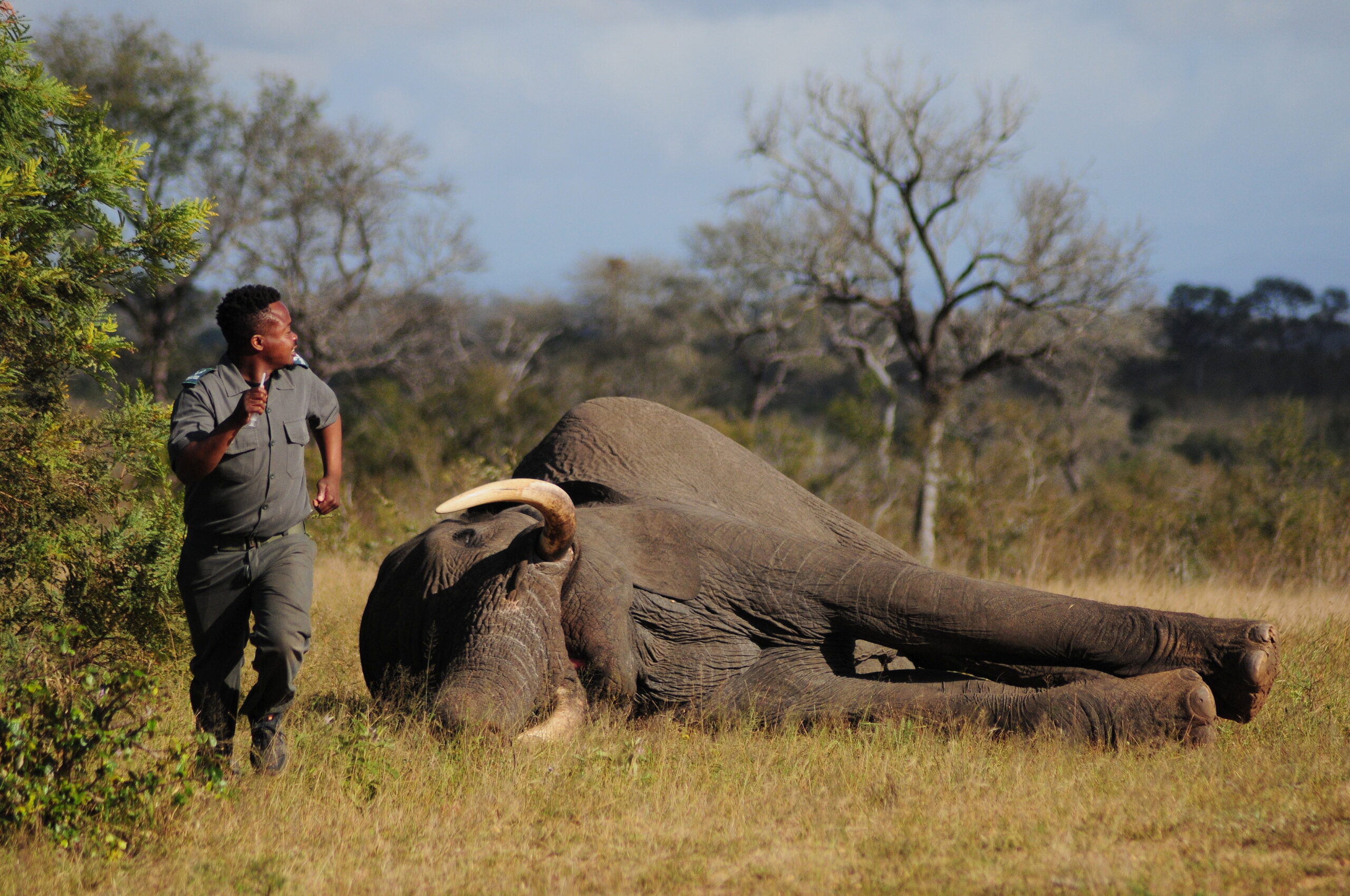
IN 2016 veterinary staff in the Kruger National Park discovered human Tuberculosis (Mycobacterium tuberculosis) in a single bull elephant that had died of the disease north of Tshokwane in the Kruger National Park.
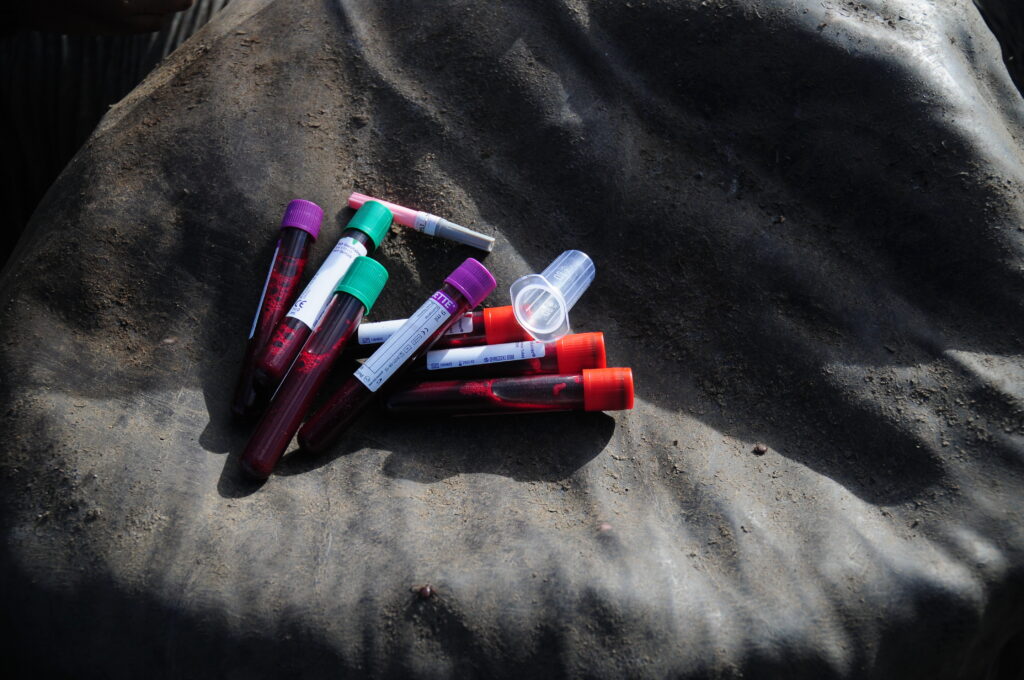
This set in motion a process to test the giant mammals for the human strain of TB in the park in a quest to determine whether this was a widespread problem.
The South African National Parks (SANParks) has been conducting random tests on the animals as part of the ongoing project to test for is considering implementing targeted testing of elephants
in KNP for human tuberculosis to determine if the diseased elephant of 2016 was an isolated case or
other elephants have been infected and subsequently developed tuberculosis.
There have been no further cases of the disease confirmed in the animals since the initial discovery six years ago. The SA National Parks has also not reported any other cases of the presence of the human strain of TB in other species.
However bovine tuberculosis (Mycobacterium bovis) has been confirmed in multiple species including among African buffalo, lion, leopard, kudu, warthog, banded mongoose and baboons.
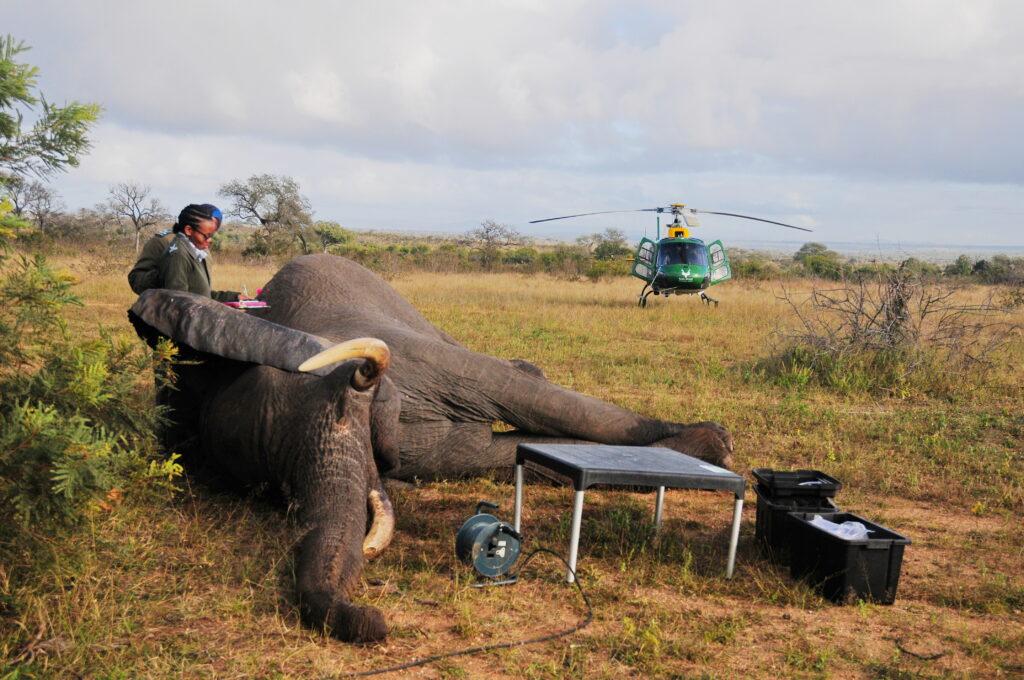
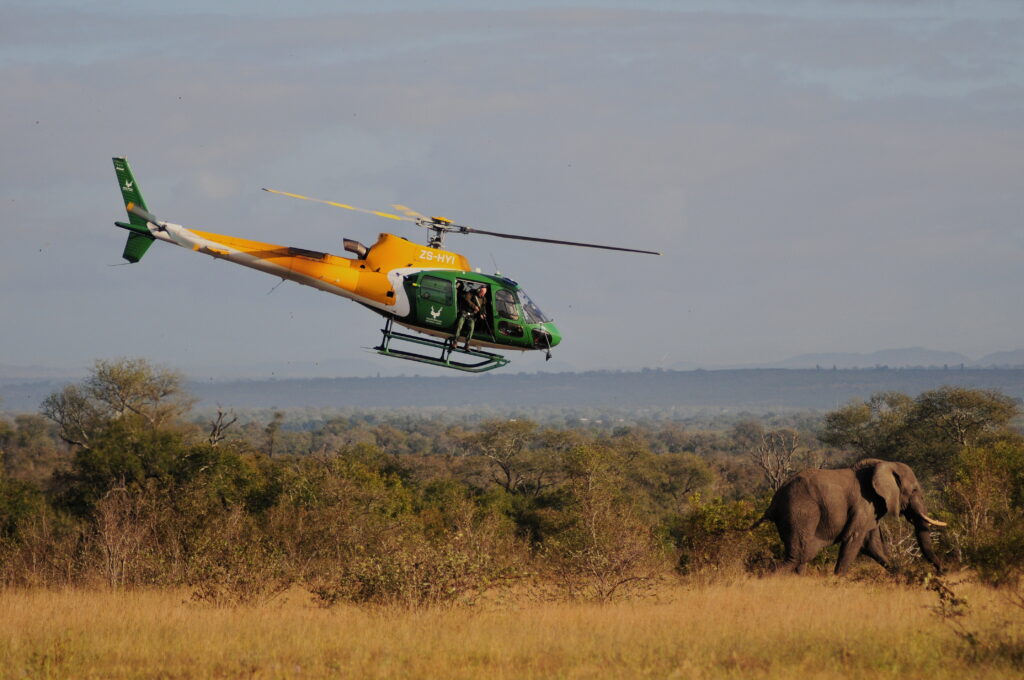
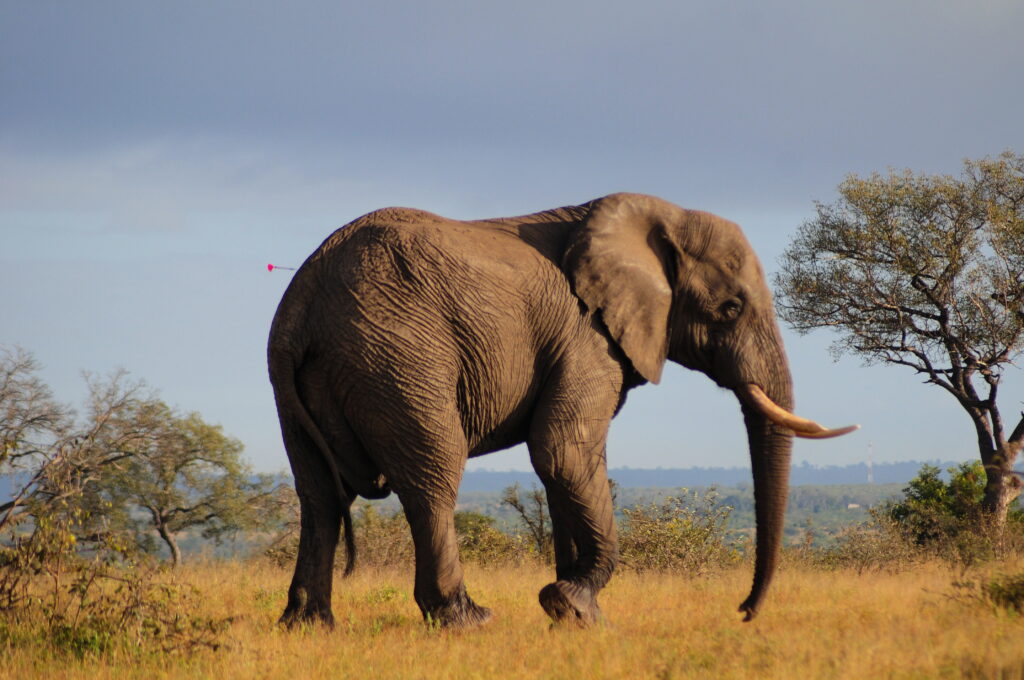
The SA National Parks veterinary services says about the darting of elephants: “Elephants will be darted from a helicopter whenever possible. Be aware that darting on foot or from a vehicle is potentially more dangerous, especially if working with family groups, as it affords less control over darted animals during the induction phase. Dart the animals in the large muscle groups of the hindquarters, back or shoulders. Avoid areas in the region of the ears. Due to the thickness of the skin a dart must be placed at right angles to the body surface to ensure a deep intramuscular injection.”
“Large bulls may take a longer time to become recumbent. The signs of induction in a darted animal include a slowing of pace, dropping of the head, relaxation of the penis and flaccidity of the trunk.”
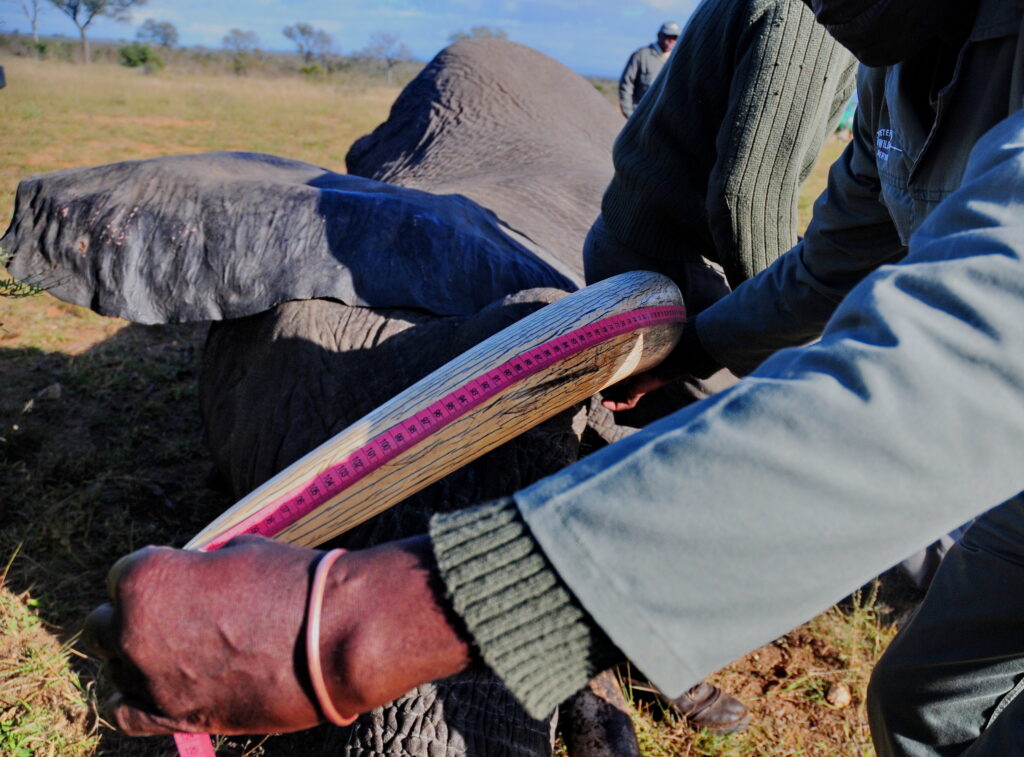
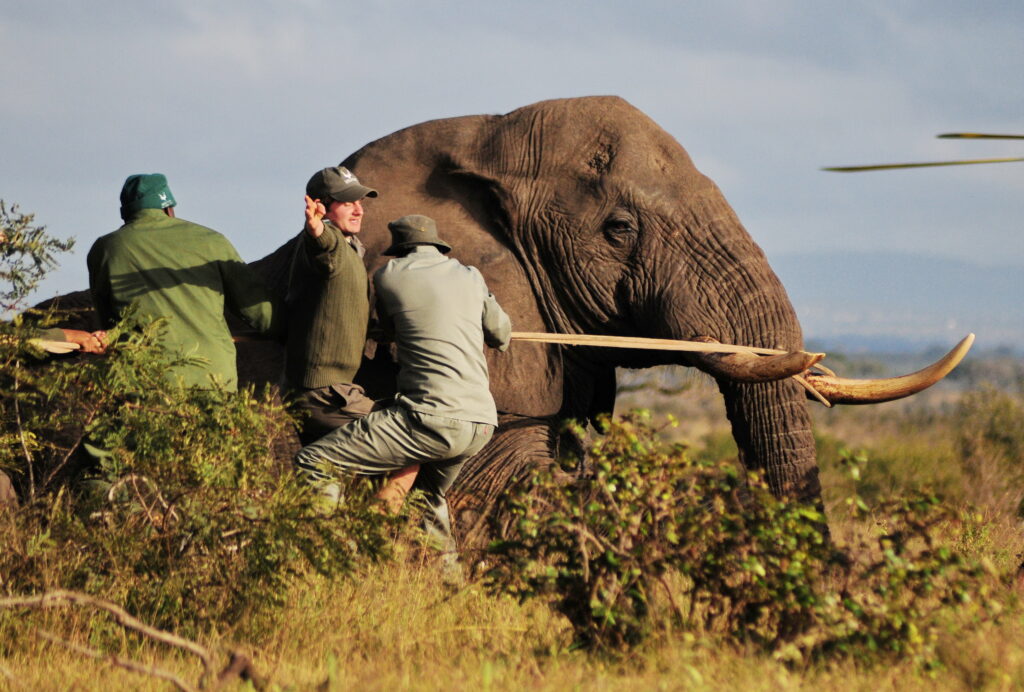
Sedated animals require careful handling. The veterinary services advises that” elephants are obligate nasal breathers and it is essential that the trunk does not become obstructed or blocked, this is ensured by inserting a twig into the external opening of the trunk and maintaining the trunk in a straight position.”
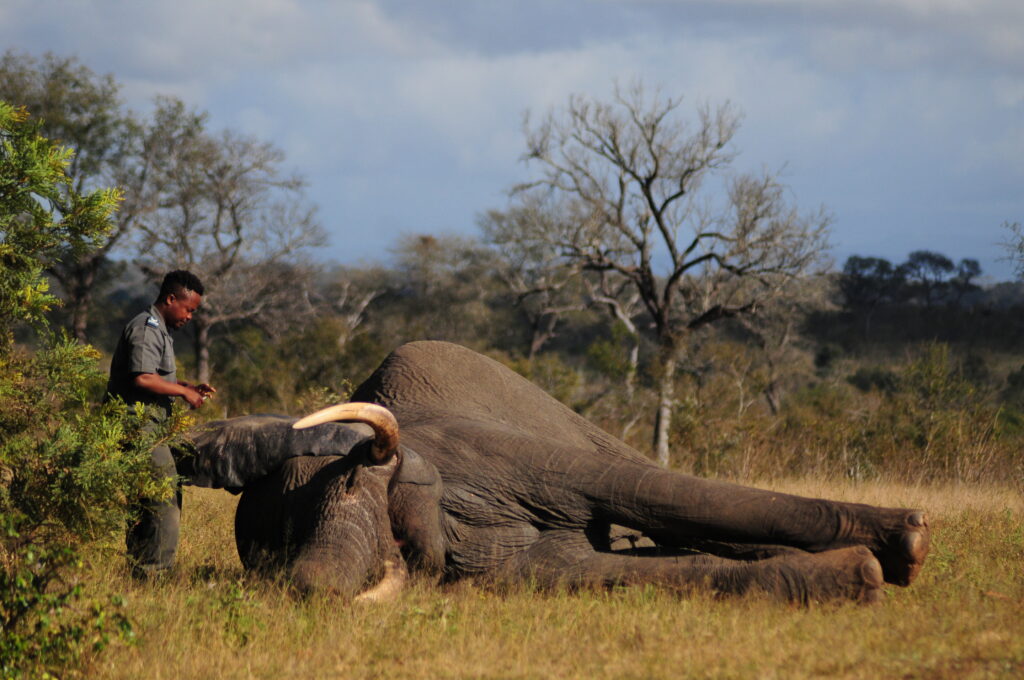
“An immobilised animal with its head lying downhill will experience respiratory distress. In the laterally recumbent animal the top ear is folded over the eye to protect it from damage due to sunlight, dust and trauma. Elephants usually maintain effective cardiovascular and respiratory function when immobilised.”

Be First to Comment