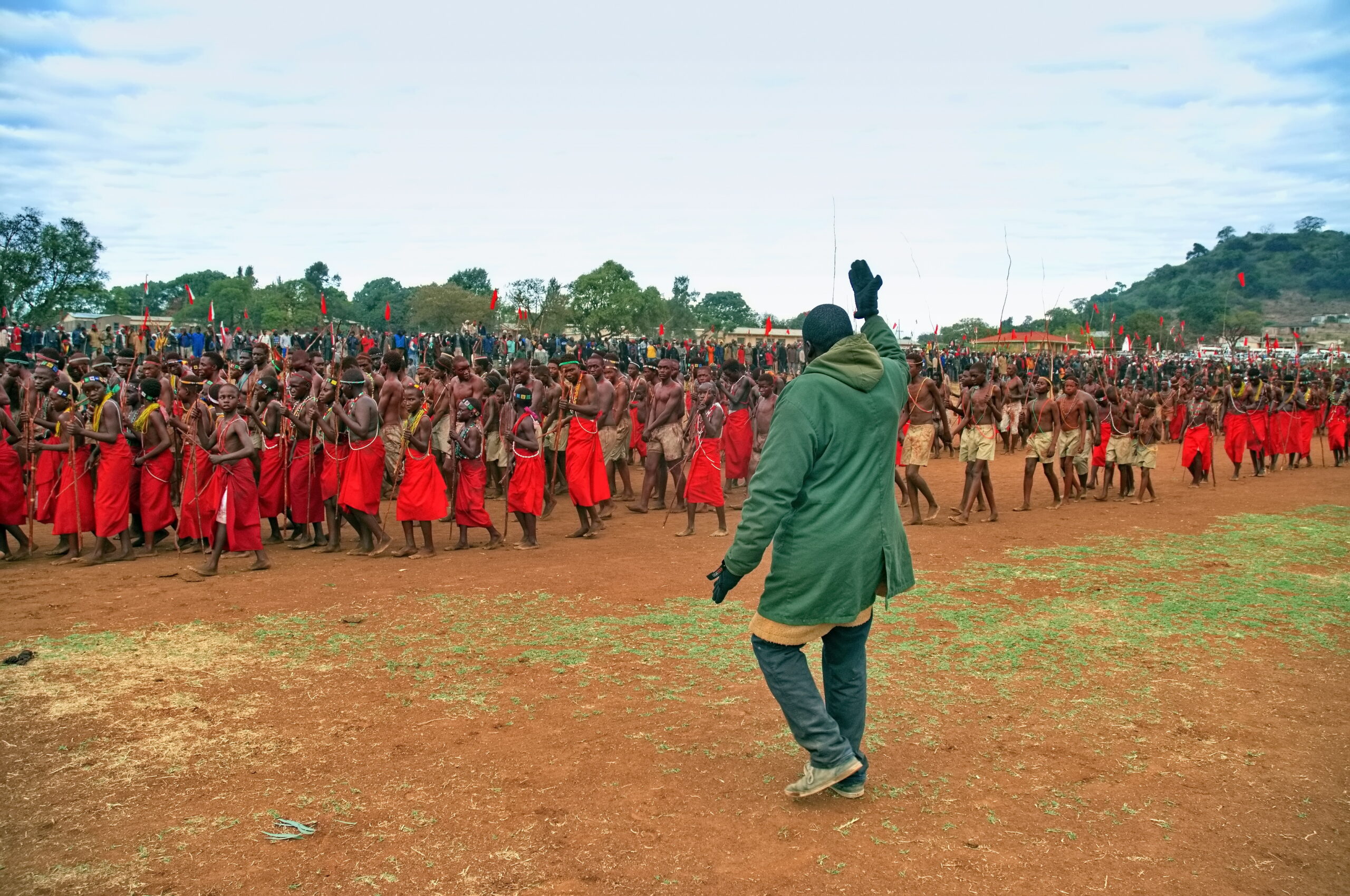
More than 68 000 young men and women underwent the rite of passage into manhood in Limpopo this winter. Lucas Ledwaba reports on a man who carries the lives of young initiates in his hands and his quest to protect the sacred rite
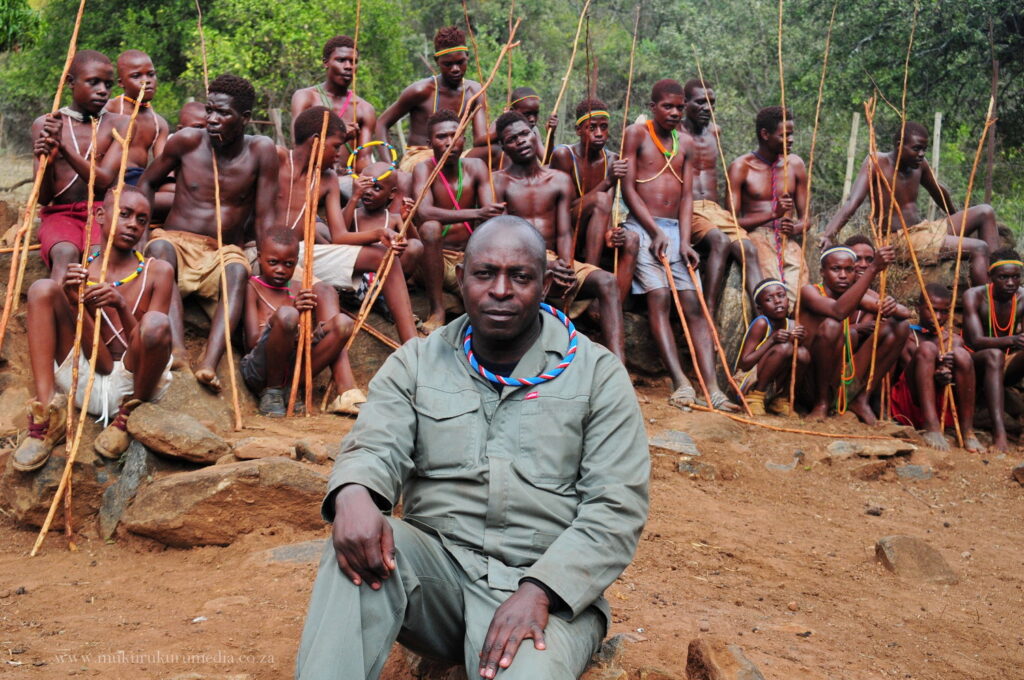
Traditional surgeon Mushoni Tshifhango smiled with satisfaction watching a group of some of the 1 500 initiates who had passed through his hands to undergo their rite of passage into adulthood this winter.
Since he started practising as a maine (traditional surgeon) 25 years ago, Tshifhango estimates he has circumcised around 10 000 initiates. Local royal elders who have followed his work back up his claim of a 100 percent success record.
“They all came back alive and healthy,” said Tshifhango, casting his eyes towards the group of topless young men resting on a hillock in the grounds of the Mashamba Traditional Authority in Limpopo.
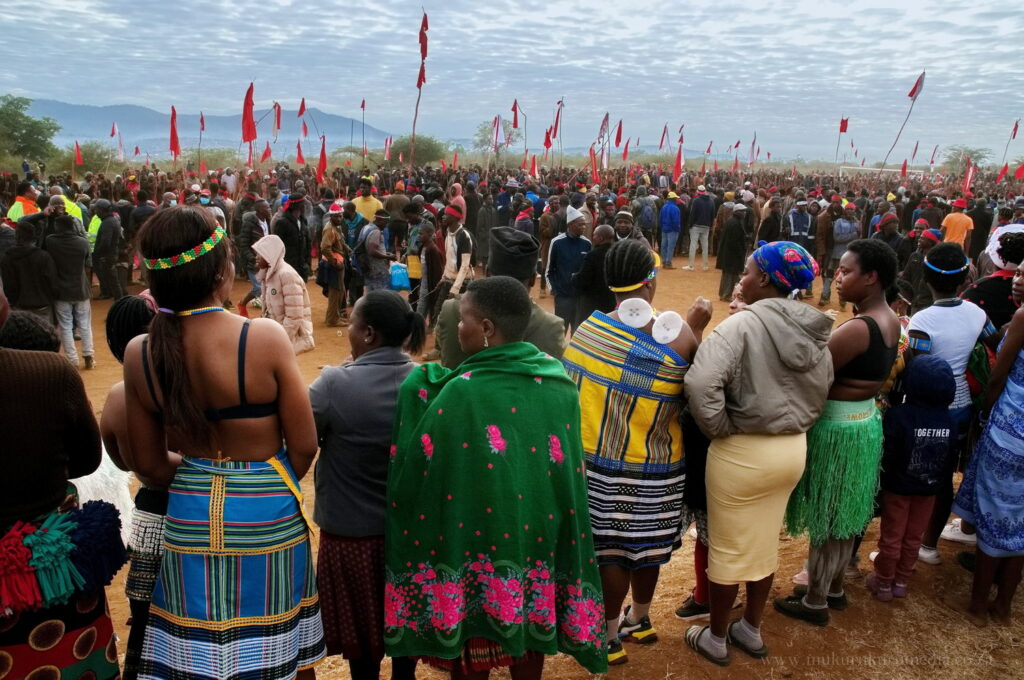
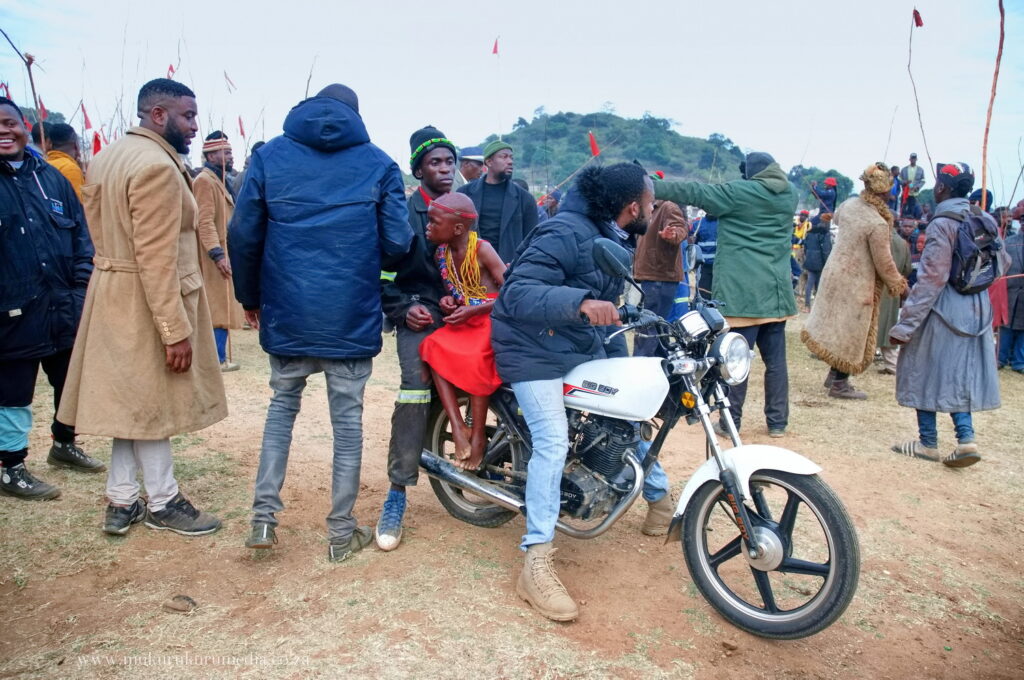
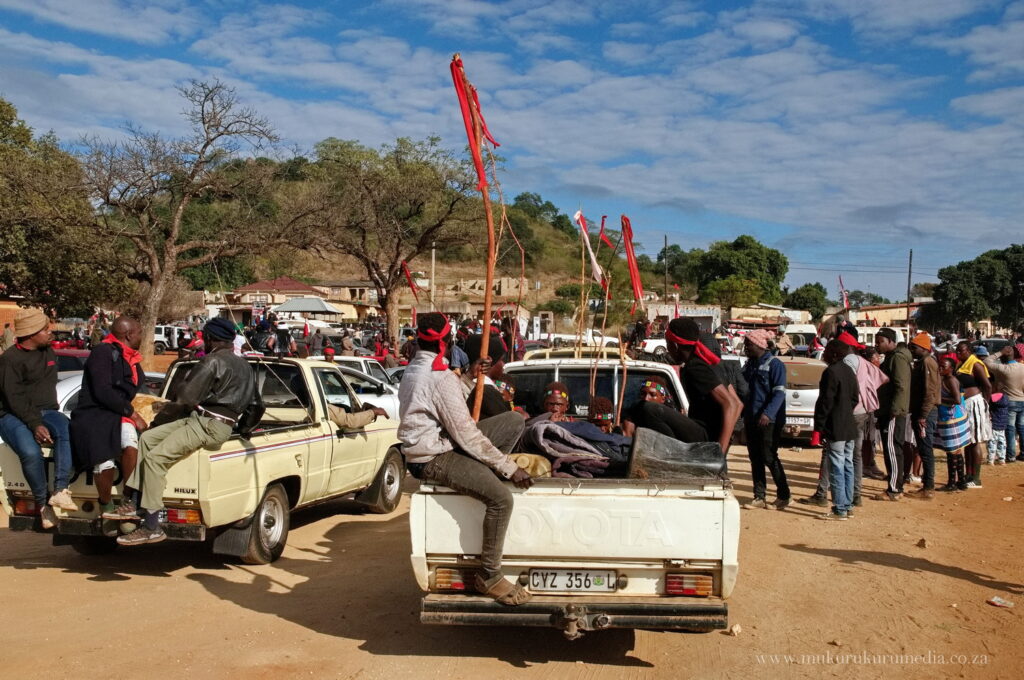
Earlier that morning Ha-Mashamba village near Elim in Limpopo province, vibrated in song and dance as scores of residents poured into the streets to welcome the initiates.
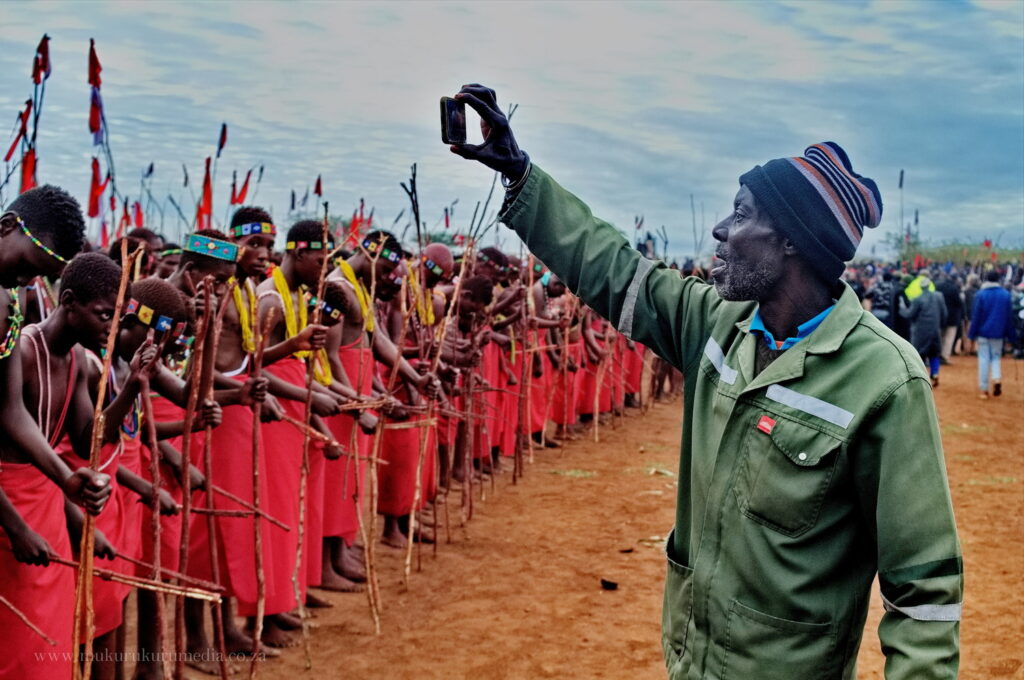
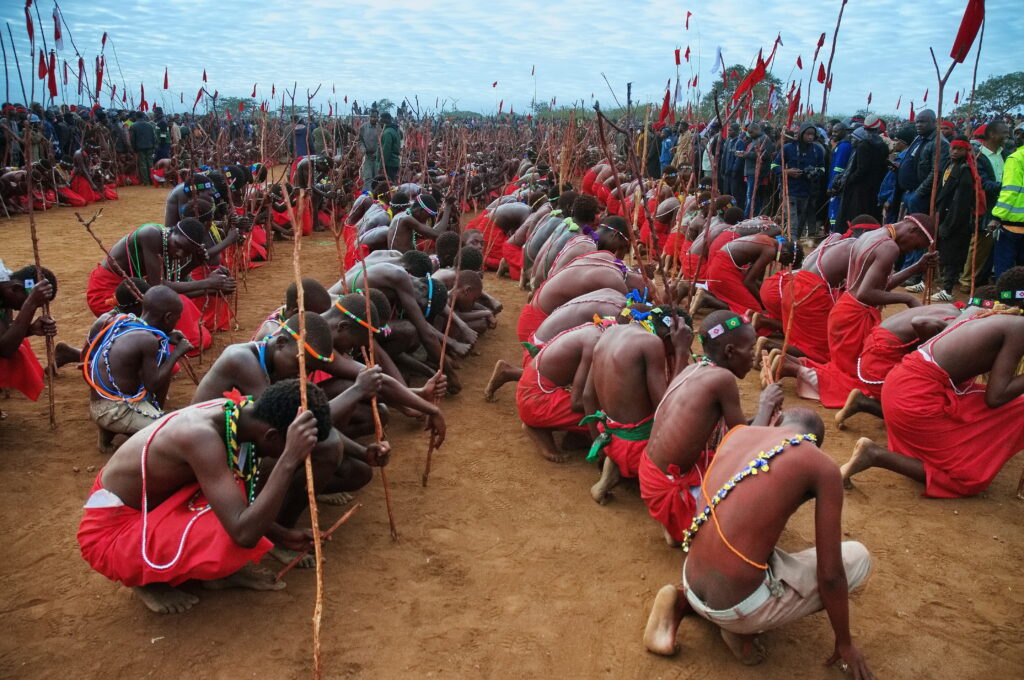
The sight of the young men of varying ages, their bodies glistening with red ochre whilst hoisting ceremonial sticks and singing as they marched down from the mountains, eased the tension of a month’s long wait for their return.
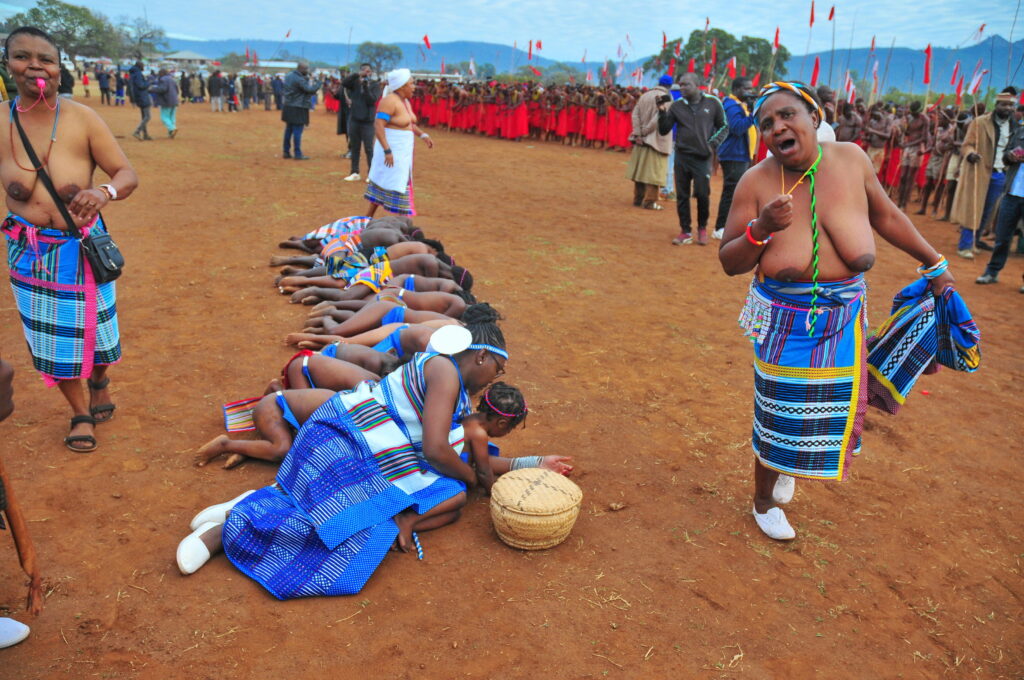
Bare breasted women of all ages, some with bodies painted in white paint, young and old men and children sang their clan praises and ululated in celebration.
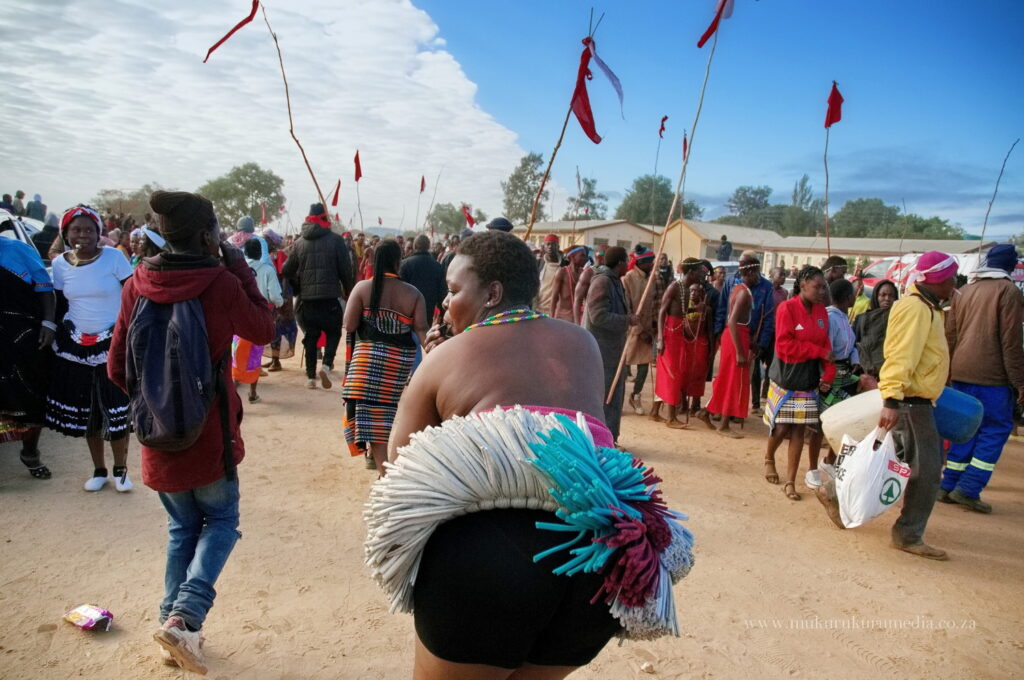
An uneasy tension overwhelms rural communities when the young men leave their homes to spend a month undergoing their rite of passage in the mountains. But when they eventually return home, communities explode in wild celebration.
As the maine, Tshifhango carried out the task of circumcising the 1500 initiates, an integral and sacred part of the rite of passage into manhood.
“You literally have someone’s life in your hands,” says Tshifhango who inherited the gift from his father.
Tshifhango is also a ward councillor and former mayor of the Thulamela Local Municipality in the far north eastern Limpopo.
While the act of circumcision is a physical one, the ritual itself is regarded as a sacred, spiritual process that requires purity of both the maine and the initiate.
“I come from a family of healers. My father also got it (the gift) from his father. So it means we got this gift from our forefathers. We call them our ancestors,” says Tshifhango.
In the weeks leading up to the young men ascending the hills to undergo the rite of passage, Tshifhango, as the maine, goes into seclusion for a period of abstinence to ensure spiritual purity.
“It is not easy. I communicate with my ancestors to guide me and protect the initiates. This is very important because the lives of these young men rest on my shoulders,” he says.
According to the World Health Organization (WHO), “male circumcision is one of the most commonly performed procedures in Africa, with a wide variation between the different regions on the practice. This is because circumcision is often done for religious and cultural or traditional reasons, which includes being part of rituals or rite of passage to adulthood.”
Tshifhango started his journey as a maine in 1998 when he was in his late 20s. He was apprehensive at first, but coming from a family of spiritual healers he had little choice because an ancestral calling can’t be spurned.
“I was worried. But my father wanted me to do it because that is the message he got from the elders. He chose me to be his successor. I didn’t want to do it but my father said it had been decided by the ancestors,” he said.
In recent times the practice has been dogged by controversy, especially in the Eastern Cape where dozens of initiates die each year while undergoing the rite.
A 2021 study into the causes of deaths in Eastern Cape found that “there has been a mushrooming of initiation schools that are neither approved nor monitored. The vast majority of these are found in the townships, and according to many of the submissions they do not adhere to the cultural codes or the cultural practice of establishing schools in secluded areas, a long way from communities.”
The study by the University of Limpopo titled An investigation into the commercialisation of initiation schools: A case of Eastern Cape, South Africa, highlighted that “one of the communities’ essential concerns, which is likewise associated with the reason for the significant number of deaths in the schools, is the large-scale commercialisation of the initiation schools.”
However, Limpopo province continues to boast a high success rate which is attributed to stringent measures put down by government to root out illegal initiation schools.
These include the certification and verification of traditional surgeons by government and traditional leaders, strict enforcement of operating permits for initiation schools and collaboration between police, health authorities and traditional leaders.
Out of 68 000 who underwent the rite in the province this year, only three initiates didn’t make it. Limpopo MEC for Cooperative Governance, Human Settlements and Traditional Affairs, Basikopo Makamu said two of the deaths resulted from underlying medical conditions. The cause of another death of a 44 year-old man, is still being probed.
Makamu said the province enrolled 68 329 initiates at 587 initiation schools for both men and women between 16 June and 15 July. However despite the crackdown on illegal initiation schools, there were 44 found to be operating without permits. Four of them were shut down and 14 cases opened with the police.
Tshifhango attributes the high success rate to adhering to strict discipline and thorough examination of the initiates’ health and physical condition before they undergo the rite.
In his in-take this year Tshifhango had initiates who were on chronic medication. He indicates that while in the past the taking of medication during the initiation period was frowned upon, this has changed. Initiates are monitored regularly and helped to take their medication.
Health care practitioners working with traditional nurses conduct regular check ups on initiates during their healing process. Some staunch traditionalists frowned upon and tried to resist this in the past. But this seems to have changed.
“You know people sometimes think when there is change, they think this thing is going to give them problems. But those people (health care workers) are assisting us a lot. They are not there to give us problems. They are not there to fight with us. They are there to assist us and I think I appreciate their work,” Tshifhango said.
Tshifhango is now preparing to hand over the reigns to his son to continue the family tradition.
“Sometimes young people decide this is not for me. But if the ancestors choose you, you have to. There is no other way,” he says. – news@mukurukuru.co.za

Beautifully written piece as always Lucas, balanced and tells a story an engrossing manner. Imagine the pleasant surprise that former Mayor Cllr Tshifhango has upheld such age-old tradition by actively leading it. Awesome!