It is important that history is not manipulated to waterdown the working class context of March 8. The day and the month should be observed appropriately, commemorating the sacrifices made by working class women across generations whilst at the same time celebrating achievements continuously being made by women across all spheres of life.
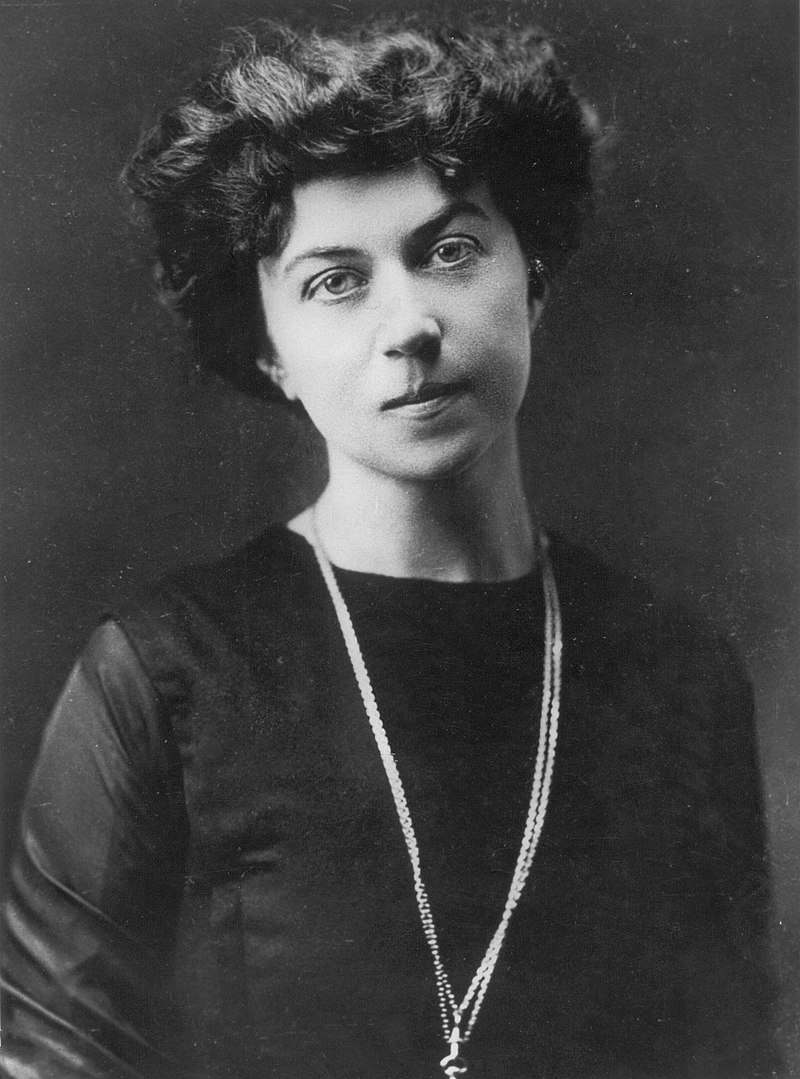
Charley Nkadimeng pays tribute to Alexandra Kollontai who was born 151 years ago on March 31
March 31 marks the anniversary of the birth of Alexandra Kollontai –the first woman in the world to be appointed to a Ministerial position. She would have turned 151 this year. A member of the Central Committee of the Russian Social Democratic and Labour Party, popularly known as the Bolshevik, she was appointed a Minister in charge of the People’s Commissariat for State Welfare.
The appointment was one of the greatest political developments of the time, consciously engineered to set a progressive agenda for the entire male dominated world. It was a deliberate decision of the Party to undermine the inherently sexist nature of capitalism, patriarchy and other manifestations of feudalism.
For her part, Kollontai didn’t disappoint. She remains one of the founding pioneers of state intervention on policies and programmes for welfare and social development for the poor, the marginalised and the working class.
The day comes 23 days after the International Working Women’s day which is celebrated every year on March 8. For the purpose of this piece, it should be considered both convenient and befitting that March should be observed by the global community as an International Working Women’s month instead of being narrowed merely to a one day so called ‘International Women’s Day’, conveniently devoid of historical significance, meaning and class content and context.
The global community which commemorates this day comprises, on one hand, those who are conscious of the historical significance of 8 March and the month itself, and on the other an overwhelming majority who unconsciously have no reason to either notice, celebrate or commemorate. To them the day is just another day, and the month just another month.
To those with an awakened ideological consciousness, March 8 is not just another women’s day devoid of class content. As the South African Communist Party reminded us recently, ‘the day has its roots in the mass action of the labour movements and socialist parties of the 20th century’.
It is important that history is not manipulated to wishy – washy the working class context of this day and month. The day and the month should be observed appropriately, commemorating the sacrifices made by working class women across generations whilst at the same time celebrating achievements continuously being made by women across all spheres of life.
Perhaps it’s a coincidence of history that Kollontai was born in March (31 March 1872), a year after the birth of Rosa Luxemburg on 5 March 1871. Rosa, a Polish and naturalised German revolutionary, co-founder of the Polish Social Democratic Party and a member of the German Communist Party, remains one of the most accomplished “Marxist philosophers”.
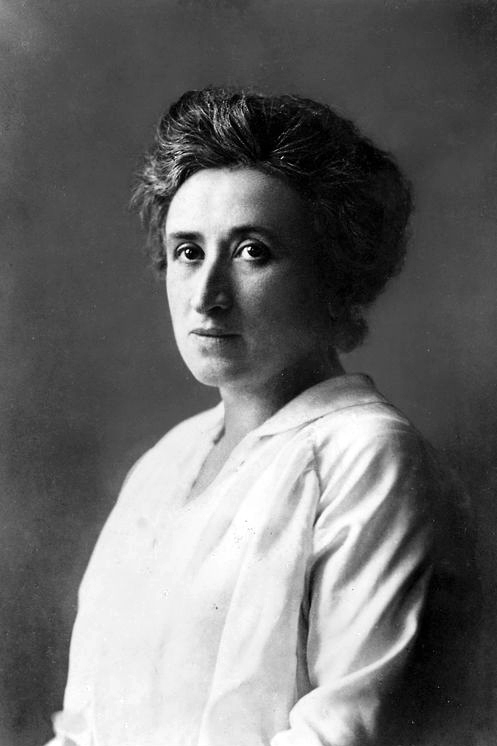
This of course doesn’t negate the fact that, in the realm of her radical socialist orientation from mainstream socialism, she believed in a spontaneous revolution and thus strategically differed with both Marx and Lenin in terms of the form and shape necessary for the overthrow of capitalism. Nonetheless, her contribution and critique to Marxist thought and radical socialist feminism remains interesting.
History should never forget the significance and meaning of the Luisa Amanda Espinoza Association of Nicaraguan Women which was established in honour of Luisa, the first Sandinista woman killed in armed battle with the brutal Somoza regime. Killed at the beginning of April 1970, Luisa is reported to have been ‘betrayed’ during the month of March whilst heightening her mobilisation and training of women combatants. ‘No revolution without women’s emancipation’ was the battle cry until and beyond the fall of Somoza in 1979. No doubt, quite relevant even to this day.
In regard to the Cuban revolution, celebration of women’ struggles in March and other months remains of great relevance, particularly considering the role the Cuban revolution played in ending decades of oppression, sexism and gender exploitation.
Remarkably, women constituted only 17 percent of the entire Cuban workforce prior to the triumph of the Castro led popular revolution. Since independence, it has been Fidel Castro’s determination to make Cuba an international model for gender equality. As a matter of national and global pride, Cuba was the first country in 1979 to sign and the second to ratify the UN Convention on the Elimination of All Forms of Discrimination Against Women (DEDAW).
Celebrating the month of March should mean paying homage to Celia Sanchez, the first female guerrilla who, besides her father’s influence and conscientisation, was agitated by a rampant child sex slave industry linked to gambling and other forms of social ills, to join and participate in the Cuban revolution.
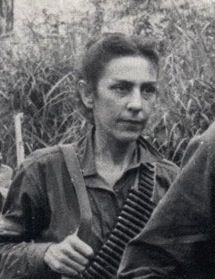
She became a founder and leader of the July 26 Movement in the then province of Oriente and became one of the key organisers of the peasant revolution against the tyrant Batista regime, even more so during Fidel Castro’s incarceration. It was around March 1958 that she succeeded in convincing Castro to agree to the establishment of Las Marianas as the first women combat unit to serve in the revolutionary war.
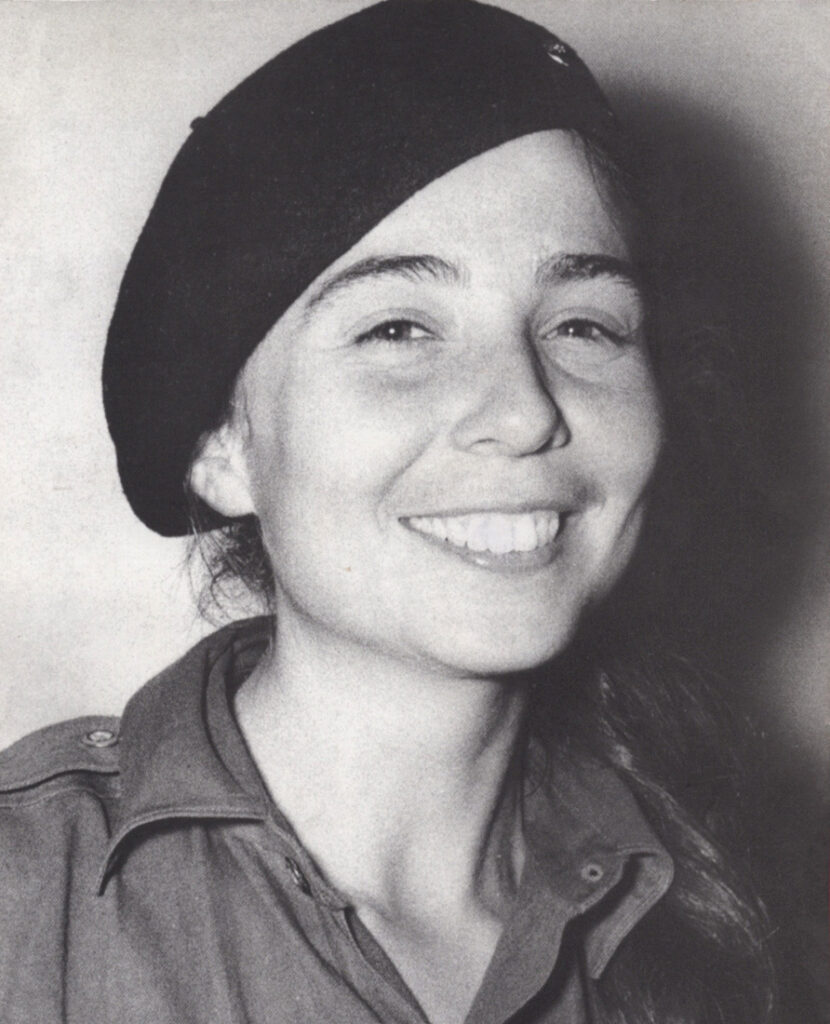
Celia is widely credit for having laid a foundation for women and gender transformation in post independent Cuba. We celebrate Vilma Espin, one of the first women to study chemical engineering, a provincial organiser of the July 26 Movement and the founding President of the Federation of Cuban Women in 1960 after independence. We honour Haydee Santamaria, Melba Hernandez and many other women revolutionaries of Cuba.
Also imporatnt is a cursory look at the post independent Cuban revolution which reveals the period of March 1988 as the defining moment for the Cuban forces in the overall victory against the SADF at the (in)famous battle of Cuito Cuanavale, Angola, paving way for the liberation of Namibia and subsequently South Africa. Hasta la Victoria siempre (ever onward to victory) !
The decorated accounts of these great women had a great bearing and remain relevant to other heroic struggles of women warriors throughout history. In ancient history, Queen Amina of Nigeria, (in)famous for her ruthlessness and iron rule, is reported to have commanded an army of 20 000 men during the 16th century. Other sources across the web illustrate such women warriors as Queen Nzinga Mpande of Angola, and Queen Nanny of Jamaica who fiercely led the struggle against British colonisation, to mention but a few.
The royal women of ancient Egypt are known to have wielded immense political and military powers. Nehanda Mbuya, the ‘grandmother’ of Zimbabwe is also credited for having led fierce military attacks against Cecil Rhodes and his English army until her eventual capture and execution.
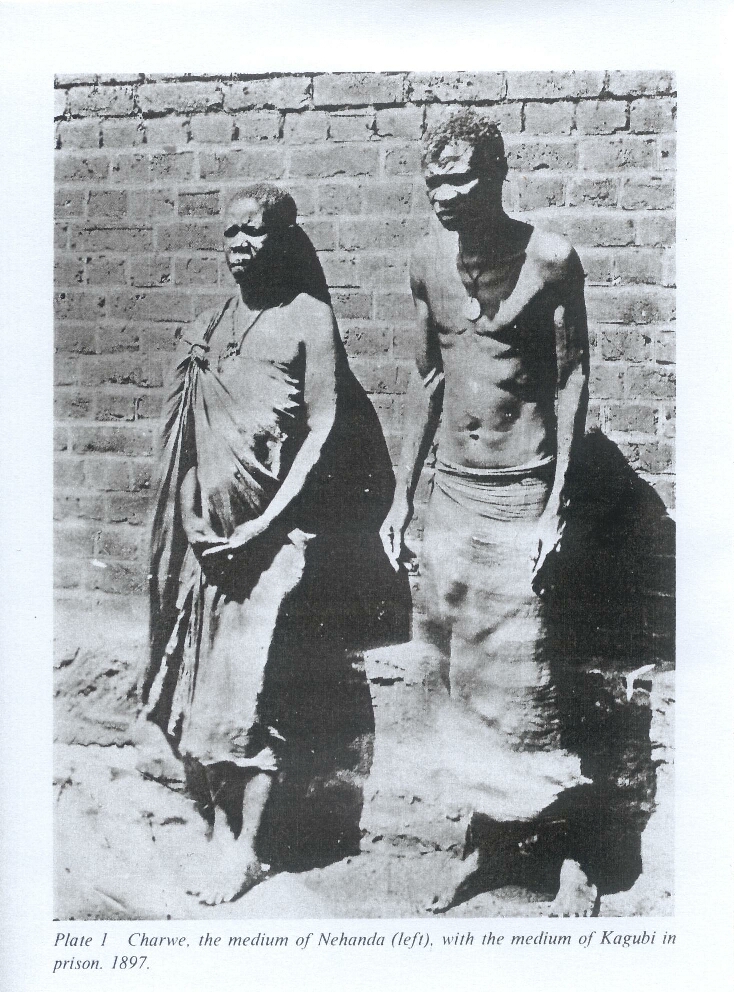
Queen Nandi, the mother of King Shaka, is famous for her uncompromising and fierce leadership, and for having trained his son Shaka. It was not surprising that Shaka prioritised the establishment of an all – female regiment when he became King. Queen Modjadji of the Balobedu people counts amongst the greatest leaders of all time, and so are scores of other unsung women warriors who led and fought battles in defence of their people.
Other examples of women leadership excellence and inspiration are in abundance. Hariet Tubman, otherwise known as the “Moses of her people’, was an American activist and ‘guerrilla soldier’ famous for her meticulous escape from slavery. After her daring escape, she is reported to have successfully undertaken about 13 missions under the most dangerous of conditions to rescue tens of family and friends using networks of anti slavery activists and safe houses (Wikipedia). She died in New York on the 10th of March.
Valentina Vladimirovna Tereshkova, a Russian engineer born in March 1937 and a member of the State Duma, became the first and youngest woman in space to fly a solo mission in 1963 (Wikipedia).
We also count Katherine Johnson for her outstanding brilliance in being the first (black American) woman mathematician to calculate the trajectory necessary for Apollo 11’s mission to the moon and back. An award winning trailblazer, she remained a shining example against racial discrimination in the USA.
Here at home, March 2023 heralds the 43rd anniversary of the death of mama Lillian Masediba Ngoyi who died on 13 March 1980. A daughter of the Matabane clan from Ga Mphahlele in Limpopo, she was the first woman to be elected in the National Executive Committee (NEC) of the ANC.
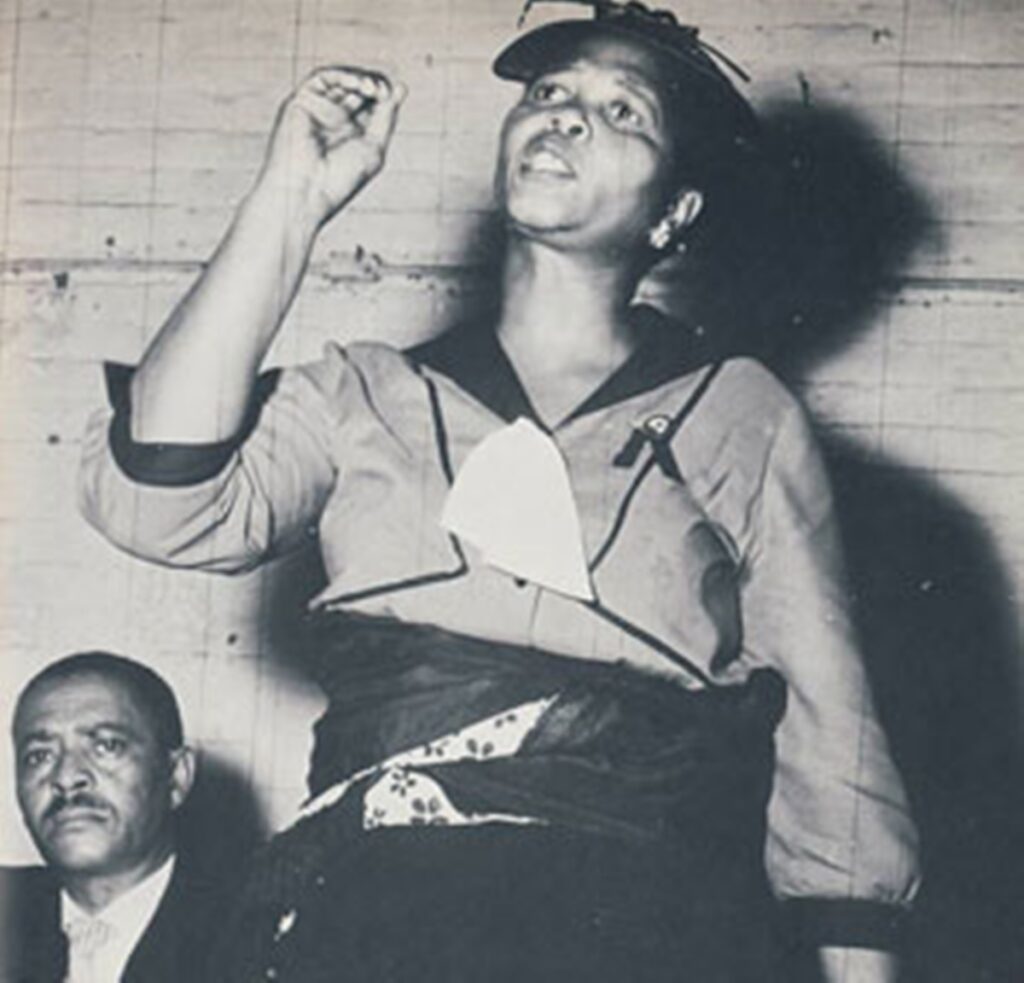
Even in the midst of sustained detentions and house banishment in Soweto, mama Ngoyi remained steadfast and relentless. By her revolutionary discipline and commitment, she represented everything positive that shaped the characters of heroines such as Albertina Sisulu, Francis Baard, Rahima Moosa, Amina Cachalia, Ruth Mompati, Josephine Moshobane, Phila Ndwandwe, Victoria Mxenge and many others.
This colourful history includes Charlotte Maxeke (nee Mannya) who became the first black woman to graduate with a university degree in South Africa, as well as the first black African woman to graduate from an American university.
Josi Mpama, born Josephine Palmer on 21 March 1903 in Potchefstroom, remains one of South African history’s leading revolutionary activists for women emancipation and gender equality. As a matter of fact, she became one of the few women ever to join the Communist Party of South Africa (CPSA) at the time and moved through the ranks to become part of the Political Bureau and Central Committee. She was amongst the first of women revolutionaries to attend the World Congress of the Communist International in the Soviet Union in 1935. Being amongst the founding members of the Federation of South African Women, Josi Mpama had a great influence on the political direction and ideological content of the Federation.
Frequently arrested and consistently banished from political activity, Josie Mpama sadly died in December 1979 after a car hit while waiting to collect her old age pension. We pay respect to this gallant heroine of the South African struggle against national, gender and class contradictions.
We celebrate Dora Tamana, the 1954 founding member of the Federation of South African Women (FEDSAW) and its first national secretary. Married with eight children, she refused to be confined to the kitchen. We salute Madinoge Kgoloko of the Sekhukhune hinterland, who led her people with diligence whilst remaining an activist of the Makhuduthamaga resistant movement.
There can be no better tribute to Alexandra Kolontai, Lillian Ngoyi and Ruth First, than calling on young women of our times to take their rightful place in history. Conscious of our painful past as an oppressed global community, specifically the miseries that define the history of our enslaved and slaughtered (great) grand parents, the current generation of young women in Africa, the Americas, Asia and elsewhere should vigorously enter the science, mathematics, engineering and technology space and compete with the best in the world.
They should consciously refuse to be in perpetual bondage and mercy of patriarchy, capitalist greed and ineptitude of state (s) bureaucracies. Collectively, and hand in hand with all of us as agents of revolutionary change, young women should be in the forefront of demanding free or affordable data as a basic human right. They should assume servant leadership in all spheres of life, primarily in the best interest of the oppressed poor and the working class.
Charley Nkadimeng is a member of Ike Maphoto branch of the ANC in Limpopo and a PEC member and Spokesperson of the South African Communist

Very informative, we do need this history to see that our mothers were hands on through out in our struggle.
Thanks
A brilliant exposition of women’s struggles throughout the world and here at home.
I am overwhelmed by the role women contributed to become their own liberators. Indeed the struggle for Gender transformation has a place in the history of working class and poor.