Mining affected communities are set to march on the Department of Mineral Resources and Energy this week to demand radical changes to the Mineral and Petroleum Resources Development Act 28 of 2002 as South Africa hosts the Investing in African Mining Indaba Conference.
The Investing in African Mining Indaba brings together heads of state, captains of the mining and related industries, and other stakeholders from across the continent and abroad.
Minister of Mineral Resources and Energy Gwede Mantashe announced some groundbreaking initiatives aimed at addressing some of the challenges plaguing the industry at the Indaba opening.
Mantashe said DMRE in collaboration with the Industrial Development Corporation (IDC) has established an exploration fund “to assist qualifying junior miners to conduct prospecting work and promote economic inclusion in the midst of high unemployment, extreme poverty, and inequality.”
Mantashe said the DMRE is also providing support to artisanal and small-scale miners through the artisanal and small-scale fund.
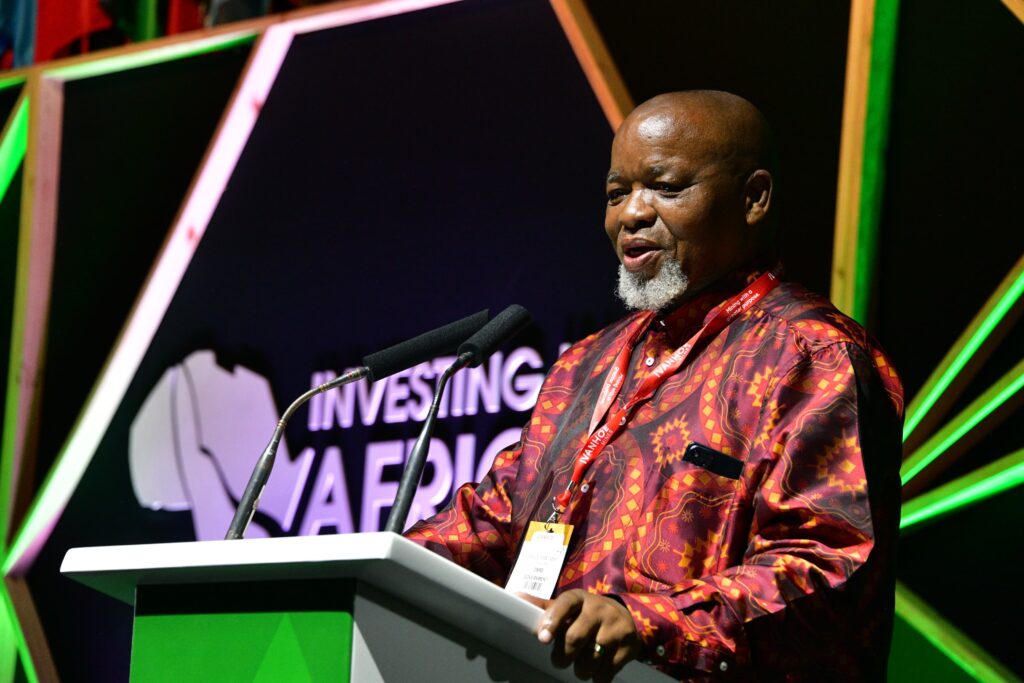
“Through this fund, we intend to assist small-scale miners with financial provision for capital equipment. To this end, we have published an invitation to qualifying small-scale miners to apply for the funding. Women will also benefit from this program,” Mantashe told the annual conference which is currently underway in Cape Town.
These measures could go some way in addressing the burning issue of the long struggle to get artisanal mining regulated.
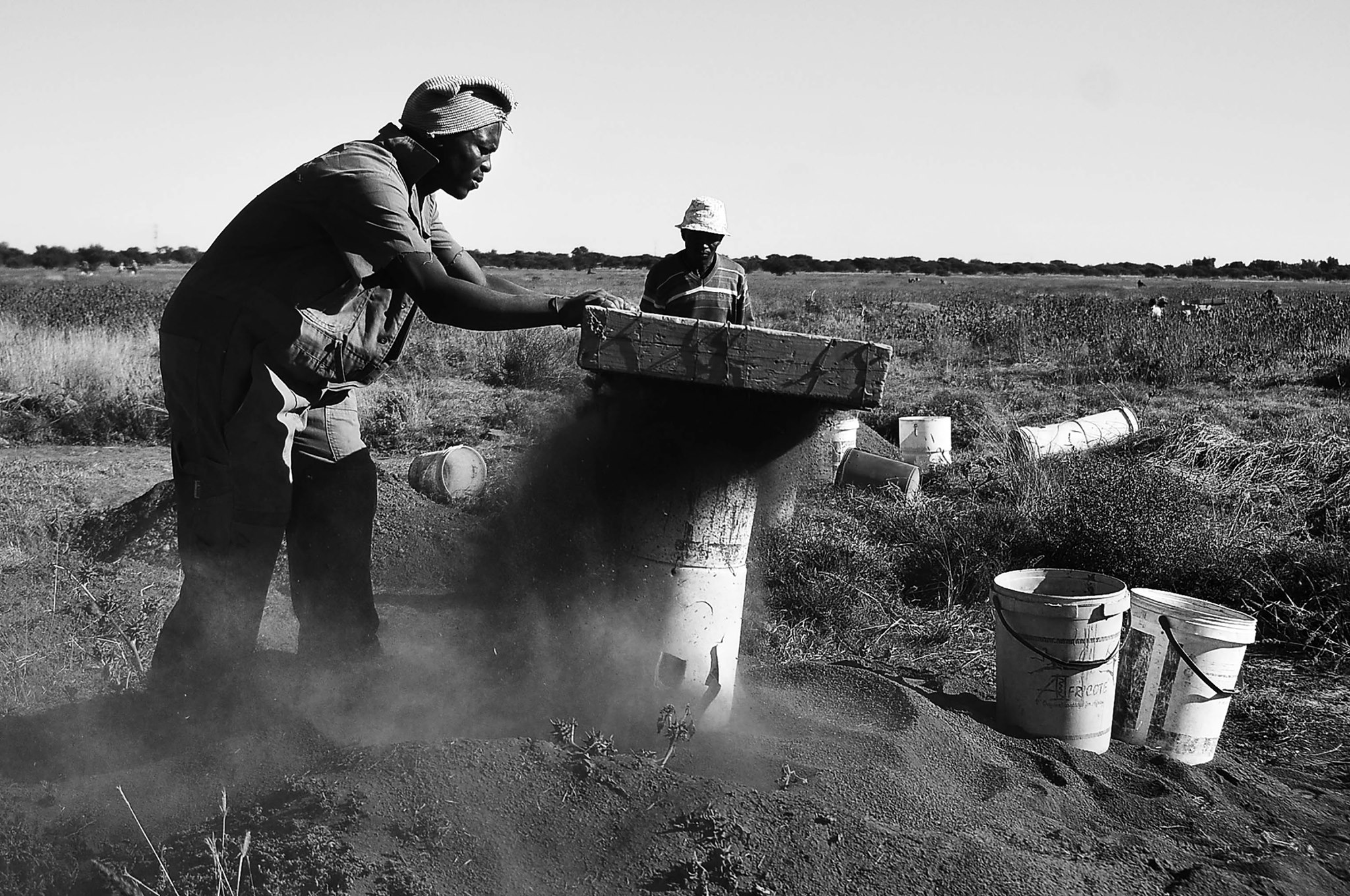
The government’s failure to issue permits to small-scale miners, particularly in rural areas such as the chrome rich Sekhukhune has criminalised artisanal miners who mine on a small scale on tribal trust lands.
The area is plagued by high levels of poverty and unemployment which has left desperate residents with little choice but to try making a living from digging and processing chrome deposits using unsophisticated machinery.
Rural communities continue to face challenges such as the destruction of grazing and agricultural lands, the destruction of water sources, and radical changes to their traditional way of life as a result of the scramble for minerals by mining companies.
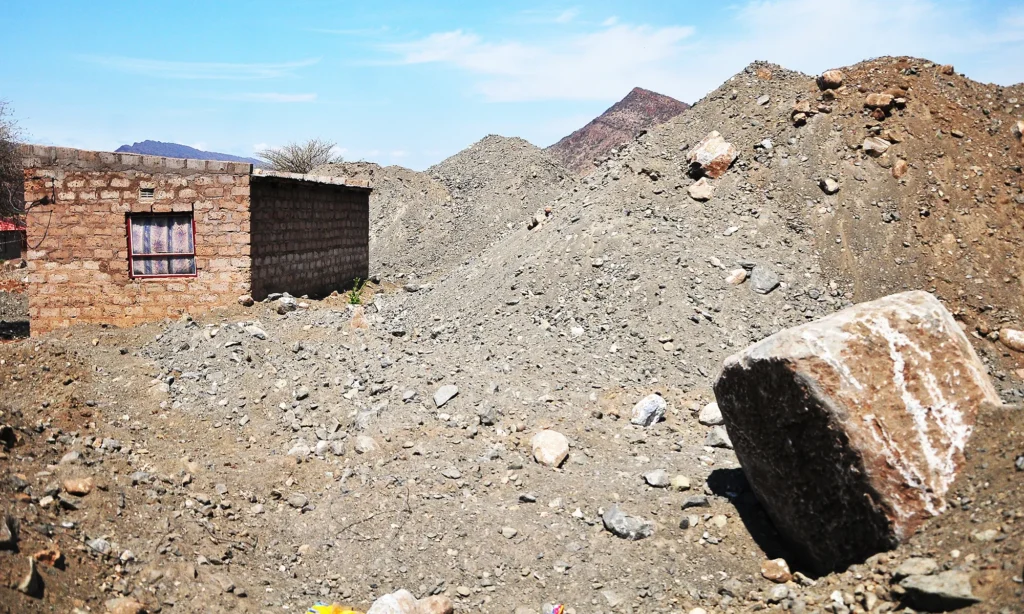
The failure to regulate the sector has also led to a free-for-all all scenario where armed organised groups operate with impunity, terrorising local communities. In Sekhukhune this has manifested in groups linked to syndicates using earth moving machines to mine for chrome dangerously close to residential areas.
President Cyril Ramaphosa told the Mining Indaba that government is taking measures to fight illegal mining but failed to outline how the state plans to address the plight of mining host communities.
Mining host communities especially those in rural areas continue to bear the negative environmental, economic, and social impact of mining.
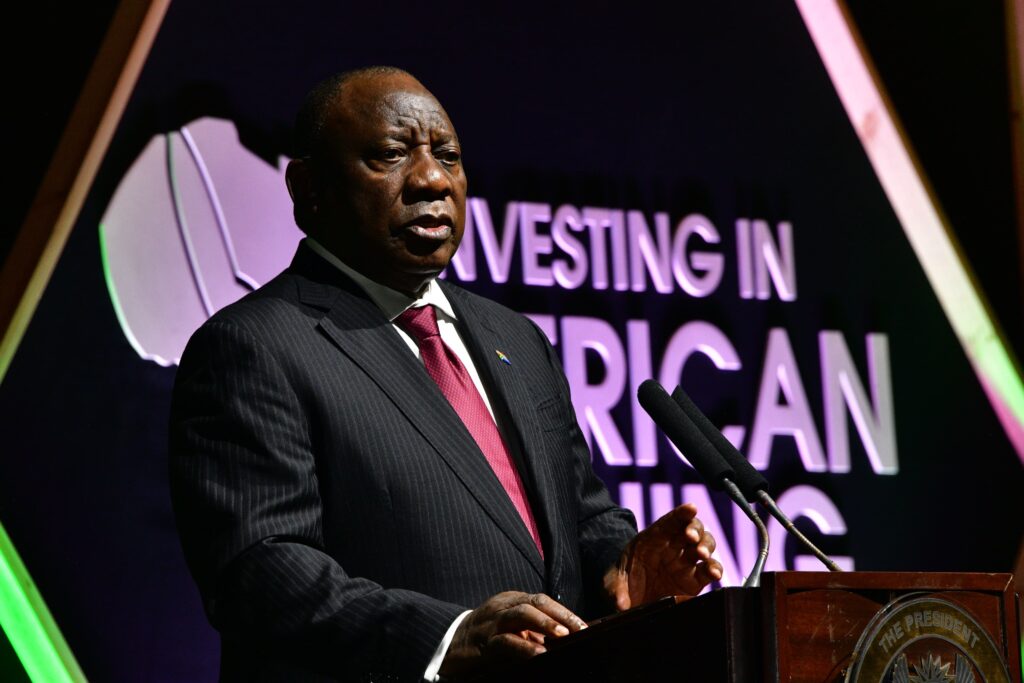
On Monday Ramaphosa told the gathering in Cape Town, which included as guests president of Zambia Hakaiende Hichilema and captains of the mining industry that the government had stepped up its efforts to tackle illegal mining.
“Since the establishment of a specialised police unit, working with the defence force, we have seen a number of arrests, prosecutions and convictions of the perpetrators of this crime [illegal mining],” Ramaphosa said.
He said the Department of Mineral Resources and Energy, through Mintek, continues to seal ownerless and derelict mines. “Since 2019, the department has closed and sealed 251 derelict holes and shaft. Over the next 3 years, the department intends to close a further 352 shafts,” Ramaphosa announced. Ramaphosa’s address came on the eve of a summit to be hosted by the Mining Affected Communities United in Action (Macua) which gets underway in Pretoria on Tuesday.
Macua, which represents a network of mining host communities and advocates for the upholding of their rights and development, said the summit will strongly call for a significant overhaul to the Mineral Resources Petroleum and Development Act (MPRDA) 28 of 2002.
The organisation argues that the act “currently concentrates excessive power in the grips of the Department of Mineral Resources and Energy (DMRE) and benefits mining corporations at the expense of communities and the environment.”
Macua said it “seeks a radical change in the sector which aims to reshape power dynamics, prioritising the agency and well-being of communities and the environment over the profit-driven interests of both government and corporations.”
The organisation’s spokesperson Gilbert Moela said they have also invited several political parties “to listen to what the people have to say and to commit amending the MPRDA in the new parliament they want our votes for.” The summit is expected to culminate in a march at the DMRE offices on Thursday.
In his address to the Indaba, however, Ramaphosa highlighted some of the progress made in the transformation of the mining industry in the last 30 years.
“During apartheid, the mining sector was notorious for labour exploitation, human rights violations, and poor health and safety standards. Today, miners employ approximately 476 000 people. Mineworkers can organise and rights are protected,” he said.
“Working with industry and labour, the democratic government has been able to effect wide-ranging and sustainable transformation of the sector over the past three decades. In 2004, the year the Mining Charter was first introduced, black ownership in the industry stood at some 2 percent. Today this stands at approximately 39 percent,” Ramaphosa said. – news@mukurukuru.co.za

[…] Mantashe says zama-zamas to benefit from state funding as activists call for overhaul of mining legi… […]