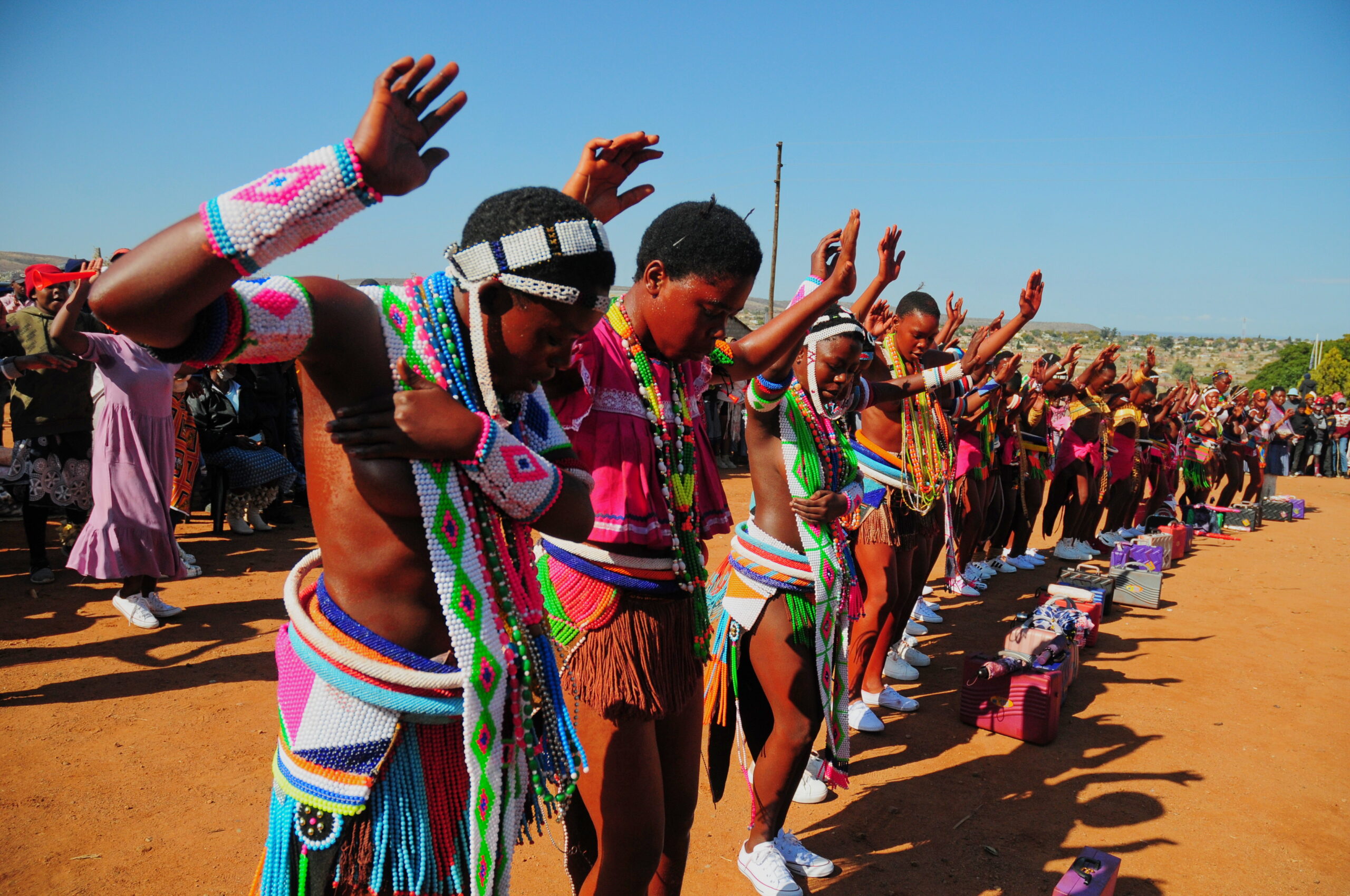
AN uneasy tension engulfs rural communities in Limpopo when young initiates are away undergoing their rite of passage in the mountains – but when they eventually return home after a month villages explode in wild celebration.
This weekend scores of people poured into the streets of Tafelkop, a sprawling semi-rural settlement near Groblersdal to celebrate the return of 1501 masogana (young men) and methepa (young women).
The provincial government approved 680 initiation schools this year where more than 100 000 initiates enlisted to undergo their rite of passage.
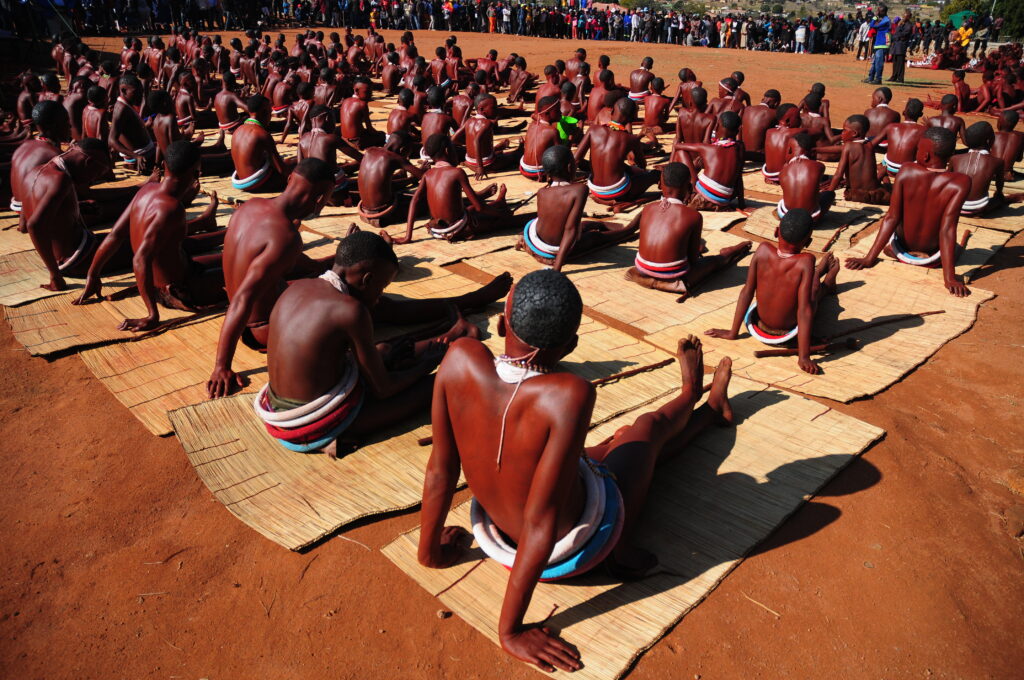
The high number of initiates has been attributed to the two year break enforced by the outbreak of the covid-19 pandemic in 2020.
The only blot on this year’s season in Limpopo was the death of eight year old Thabang Sedutla, who was undergoing the initiation in the Modjadji Traditional Community in the Mopani District.
According to the provincial department of health little Thabang who was epileptic, died after experiencing breathing problems. The initiation school was immediately shut down following his death last month and the matter referred to the police. Section 21 (1) of the Limpopo Initiation Schools Act of 2016 prohibits the enlisting of any one below the age of 12 in an initiation school.
In 2010 the Commission for the Promotion and Protection of the Rights of Cultural, Religious and Linguistic Communities (CRL) launched an investigation into problems afflicting initiation schools following the deaths of initiates in Eastern Cape, Gauteng and Mpumalanga.
The CRL notes in its report that “initiation often appears also as the ushering in of age-sets into adulthood and community responsibilities. In various cultures and societies, they come with different obligations and responsibilities. The rites and devotions which are attached to initiation symbolically lift the practice to sacredness. Ultimately, initiation and rites of passage are age-long institutions which make individuals more fully part of the community. With initiation individuals or groups graduate into seniority or some elevation in status within specific c communities. Initiation and the rites of passage that are attached bestow identity to individuals and groups.”
The CRL further states that initiation practices are universally common to many cultures and are historical indicators used by human communities to mark the transit from one stage of life to another.
“It is in fact a rite of passage acknowledging the induction of an individual or individuals into a group or society. In a sense it recognizes a social rebirth for the individual or individuals. The group into which the induction is made could be an open society or a secret society. Initiation rites are sometimes secret ceremonies with degrees of esotericism.”
Limpopo which boasts an impressive record with regards to the safety of initiates still adheres to strict measures which include the supervision of the initiation process by traditional leaders and surgeons working with department of health staff and police.
The build up to the initiation graduation ceremony starts a week leading up to the ceremony to welcome them back home. Families prepare gifts and animals to sacrifice for the celebration. Homesteads are given a sprucing up. Young and old who have already undergone the rite of passage make regular visits up the hills to check on their relatives and make final preparations for their return.
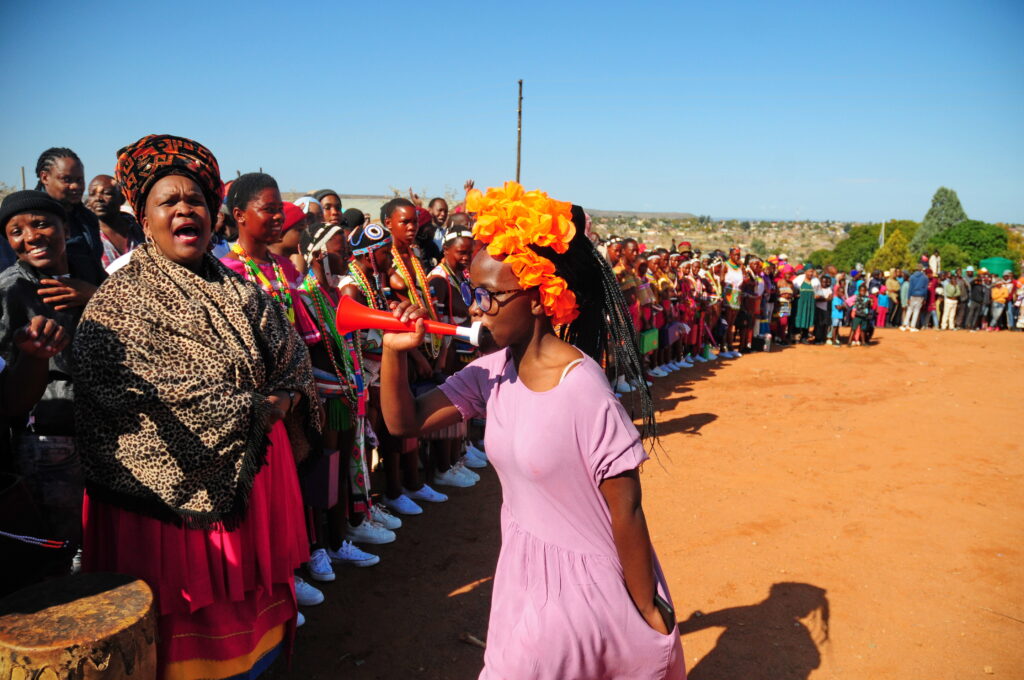
The glum and tension of the past month gives way to a festive mood. On the morning when the initiates walk down the mountains to the villages, crowds line up the streets to cheer. On the main roads vehicles hoot and passengers cheer in celebration.
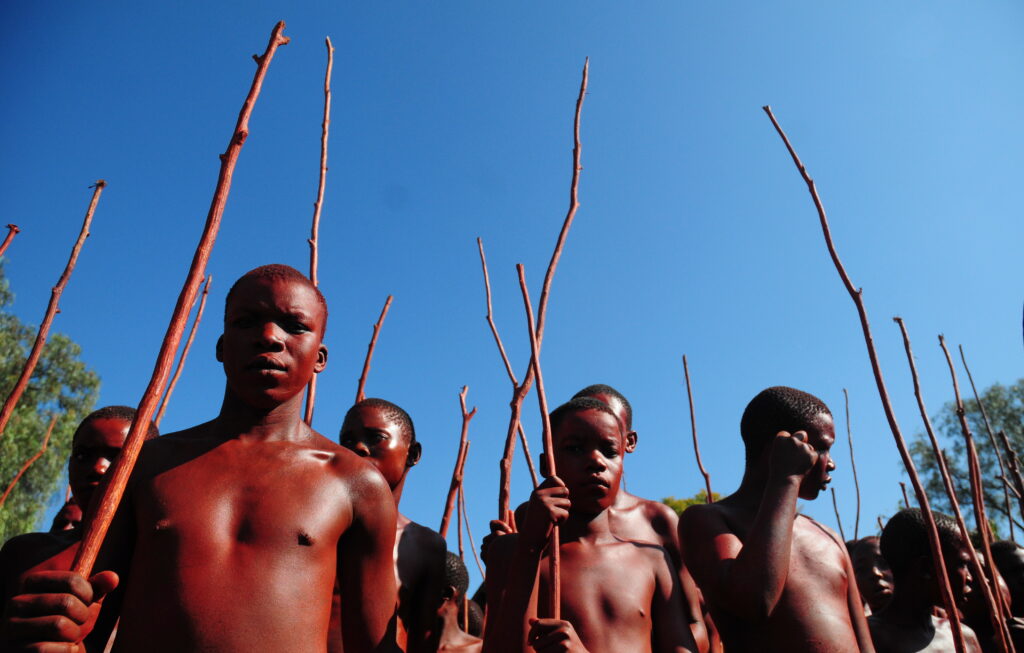
Men, reminded of their own days up the mountains way back in years past, jab the air with sticks reciting their praises. Women, dressed in colourful traditional dress, ululate and sweep the ground as a symbol of cleaning up for the returning initiates.
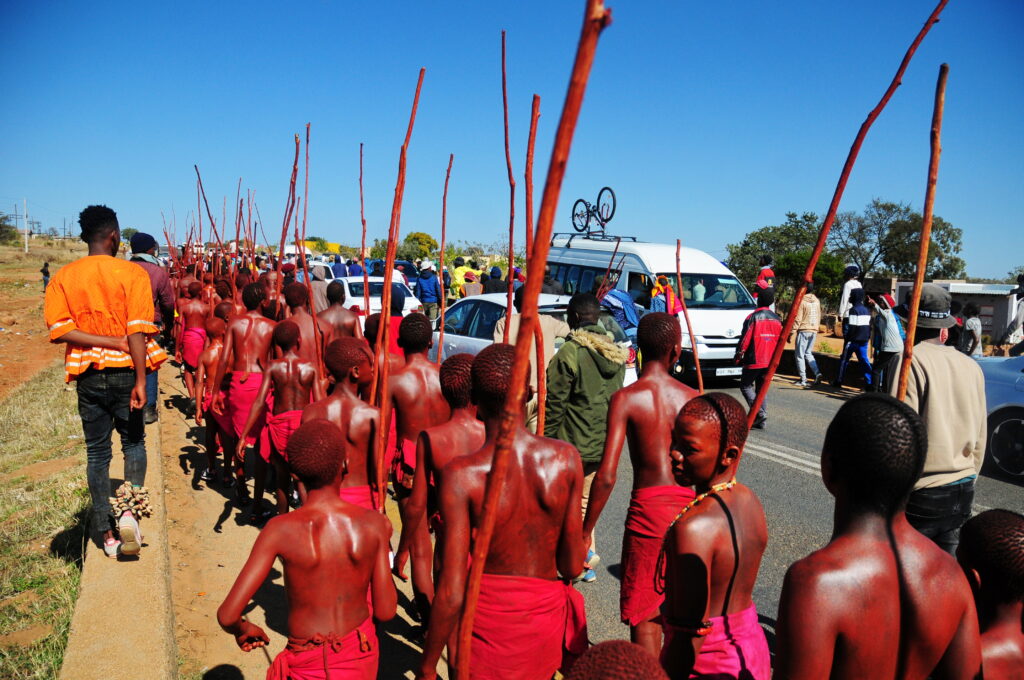
The young male initiates, masogana, their bodies shining from the red ochre, heads bowed as a sign of respect, march in formation, singing haunting songs learnt during their time under the tutelage of elders.
Young women initiates, methepa, their feet and bodies covered in colourful bangles and bracelets and skirts, fill the air with melodic tunes passed down by the elders.
Kgoši Boleu Rammpudu II of the Bakgaga Bakopa Traditional Authority welcomed back 1501 initiates at his royal homestead perched on a hill in Tafelkop last weekend.
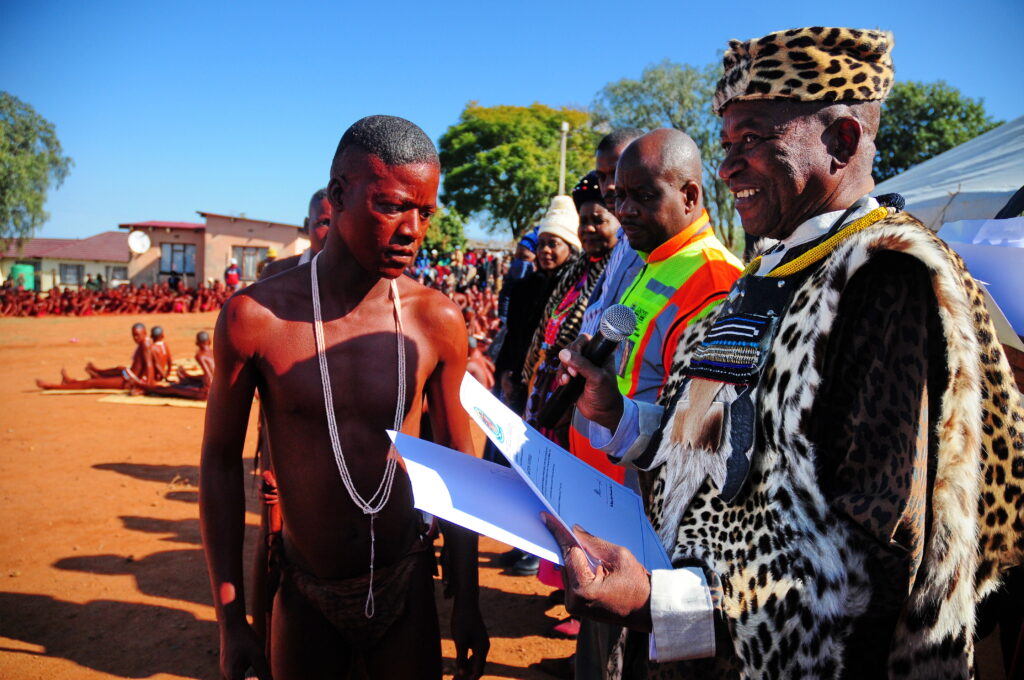
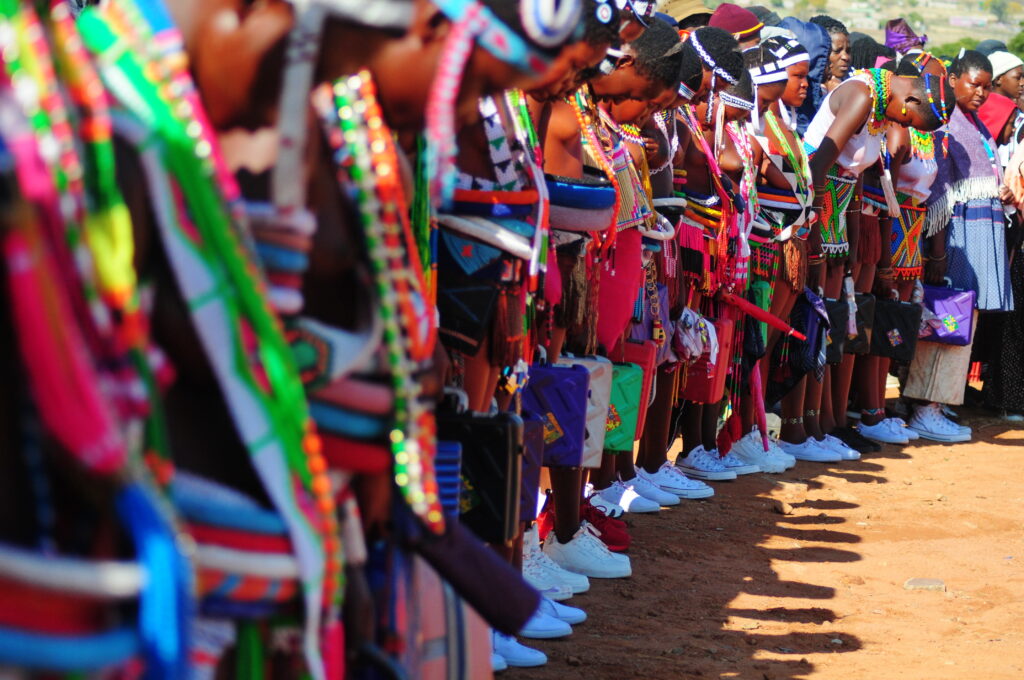
Kgoši Rammpudu expressed satisfaction at the condition of the initiates and commended their baditi (caregivers) for a job well done. Initiates received certificates confirming their completion of the traditional rite of passage from the beaming royal leader during the ceremony attended by a boisterous crowd of over 1000 people.
MEC for the department of cooperative governance and traditional affairs Basikopo Makamu who also attended the ceremony commended the manner in which role players looked after the initiates.
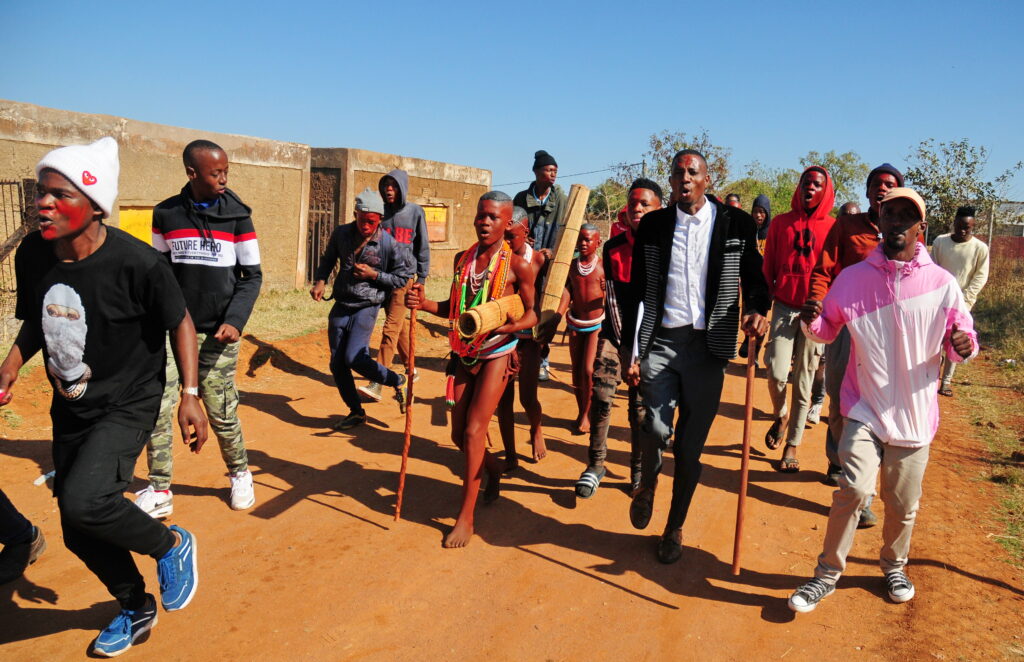
“When you look at the situation here, you can celebrate and be happy that our cultural practice gets to be preserved. I have seen how old people in this community were looking after these children. All of them are back home, they are healthy and happy,” said Makamu.
He commended the police for their role in ensuring compliance with the law governing initiation schools and healthworkers for working together with traditional surgeons.
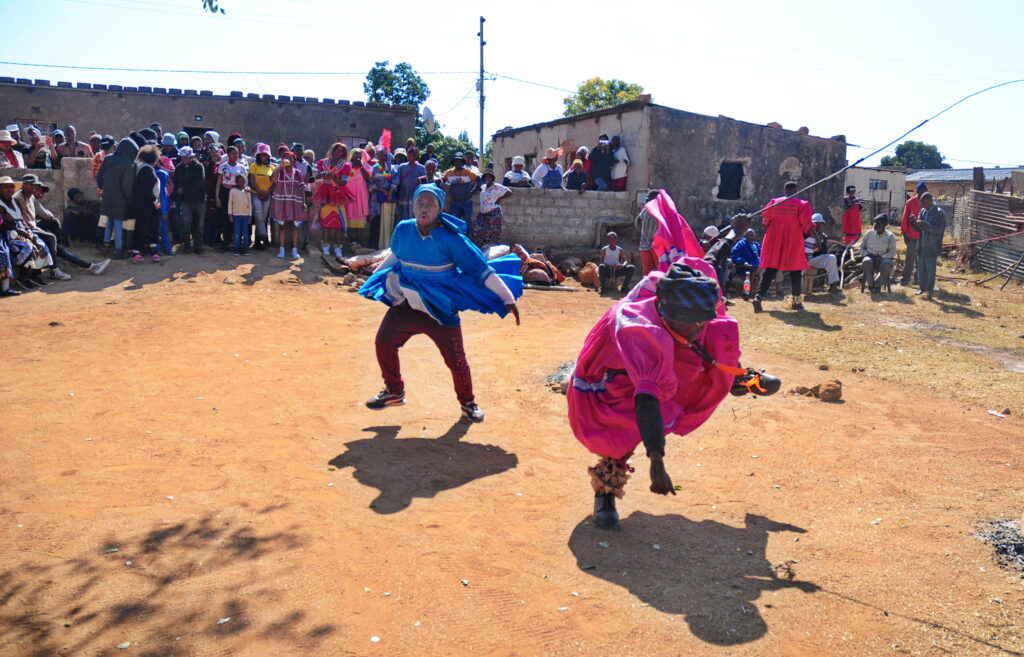
Makamu urged traditional leaders and surgeons to start making arrangements in preparation for next year’s initiation season. – Mukurukuru Media

Be First to Comment