Amidst the pomp and ceremony that accompanies the provincial State of the Province Address, EFF Member of the Limpopo Provincial Legislature Jacob Lebogo rose to bring home some of the grim daily realities that plague millions of residents of the province.
Lebogo, perhaps also seeking to score political points in the wake of the raging war in the Gulf, rose to declare that his party was in solidarity with the people of Iran.
But what perhaps hit home even to the jeering members of the ruling ANC was his declaration that the EFF stands in solidarity with Limpopo communities enduring the severe impacts of dirty and contaminated water supplies, a longstanding service delivery failure affecting multiple municipalities and posing serious health risks to residents.
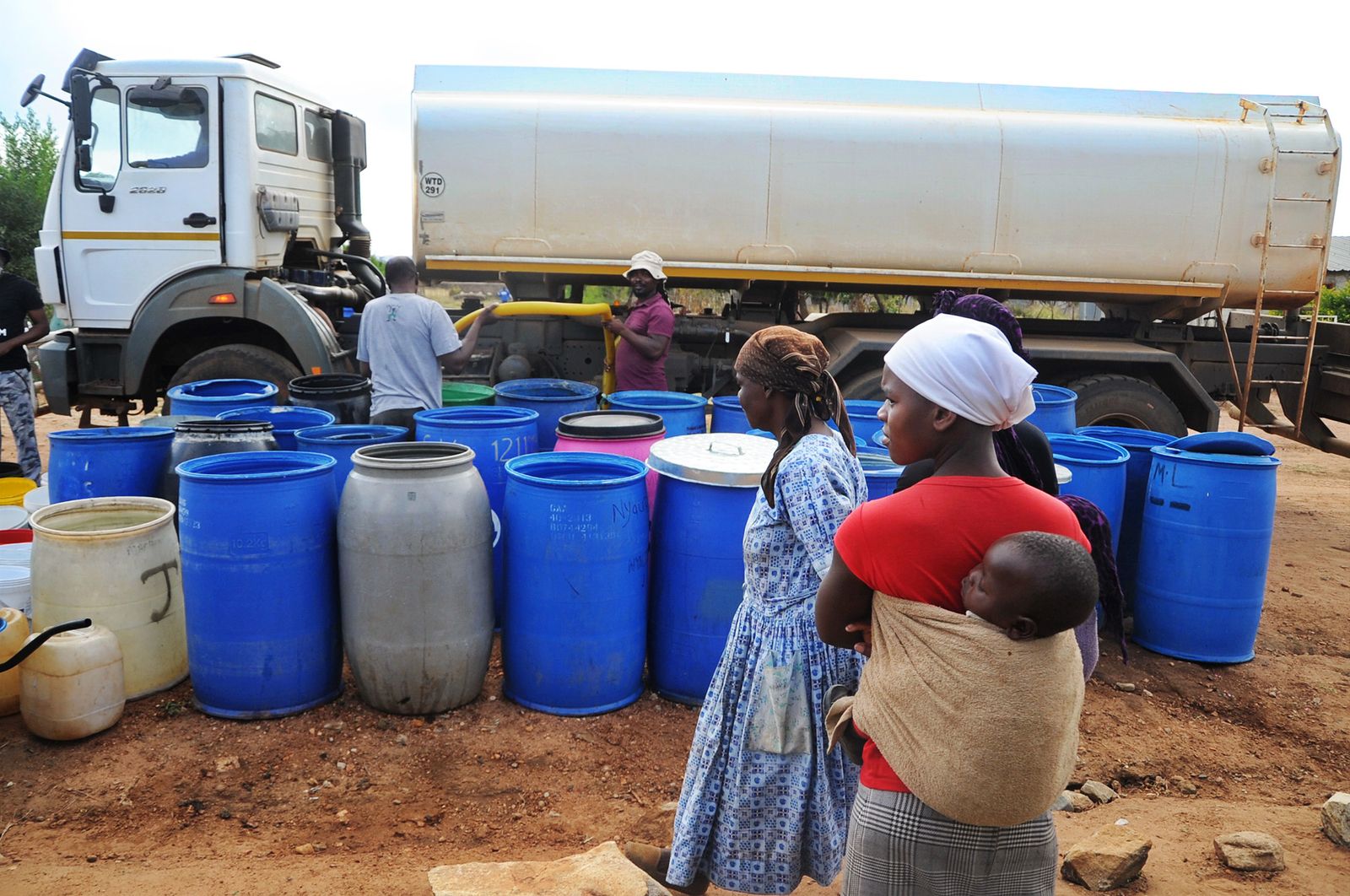
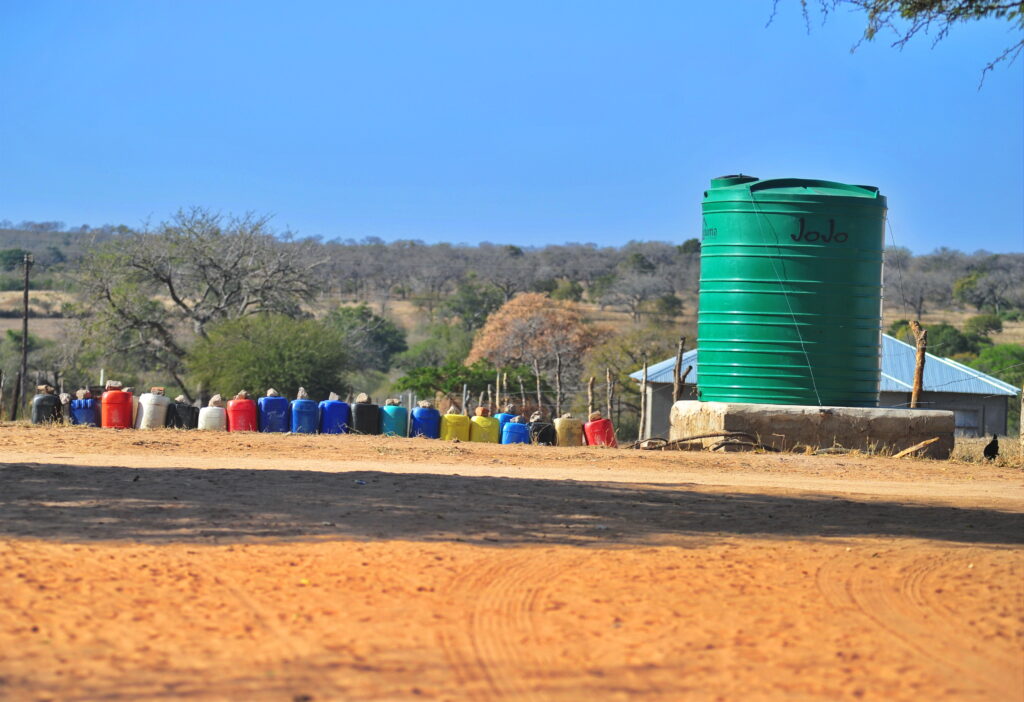
For many households in Limpopo, access to water is not a convenience but a daily battle. Families spend hours queuing at communal taps or walking long distances to collect water from boreholes and wells, where animals also drink.
Private water vendors have stepped in, taking advantage of the state’s failure to provide water to its citizens, charging residents exorbitant amounts, making access to clean water both expensive and unreliable.
Lebogo’s intervention underscored a stark reality that promises of investment and development are meaningless if communities cannot access clean water or travel safely along deteriorating roads.
Communities across Duiwelskloof, Giyani, and surrounding villages continue to face the daily indignity of insufficient water, unreliable electricity, and limited economic opportunities.
In Limpopo’s villages, life moves to the rhythm of broken infrastructure. Roads are barely passable, schools are miles away, clinics remain distant, and water taps cough up liquid only occasionally.
These are not minor inconveniences; they set the daily rhythm for residents. This persistent lack shapes life for every resident, from the youngest child walking to school to the elderly carrying heavy containers home.
Premier Dr Phophi Ramathuba acknowledged the water challenges in her address and hinted at moves towards a solution.
“Water is not only a service – it is a constitutional right and a foundation for dignity. It is also an economic enabler: without reliable water, agriculture, tourism, mining operations, construction and small businesses cannot thrive,” Ramathuba said.
“We have been honest with our people: despite significant investment over many years, the lived reality in some communities has not matched that investment,” she said.
Ramathuba said the province has developed the Differentiated Approach to Water and Sanitation Provisioning Strategy, which is aligned to the Water Master Plan and the Limpopo Development Plan.
She said this was “to identify where communities are unserved and underserved, why they remain so and what must change.”
She said, based on the lessons learnt, they will ensure the establishment of a Provincial Water War Room across all water services authorities, coordinated by the Office of the Premier and supported by CoGHSTA, to oversee and align the work of Water Services Authorities across the province.
“We will expand the war room model across all districts and WSAs, because war rooms must be placed where problems are fixed, not discussed endlessly,” Ramathuba said.
Despite the pronouncements, which critics argue have been made over and over down the years, access to clean drinking water remains a daily battle for many communities.
In October 2023, the SA Human Rights Commission (SAHRC) noted in a report on its investigation into water challenges in Limpopo that most of the Water Services Authorities were failing to comply with stipulated legislation relating to compulsory national standards and measures to conserve water which provides for the minimum standard for basic water supply.
The report further found that a lack of sufficient skills, planning, and proper execution of duties by water services authorities, as required by the Water Services Act were major contributor to the water challenges.
The report also exposed how Water Services Authorities failed to adequately spend grants allocated to them, and how oversight bodies such as the Departments of Water and the Department of Cooperative Governance, Human Settlements and Traditional Affairs displayed a lack of consequence management towards municipalities that were unable to provide water to vulnerable communities.
In villages across Limpopo, clean water remains a luxury. Communal taps sputter unpredictably. Boreholes are distant. Private vendors charge exorbitantly. Mothers, children, and elderly citizens endure hours under the sun to fill containers meant for basic survival.
Communities see budgets, allocations, and announcements. They see billions earmarked. Yet taps run dry. Trenches remain open for years.
Whether the undertakings made in the SOPA result in action soon remains to be seen. – news@mukurukuru.co.za

Be First to Comment