“Registering to vote was a big moment for me,” said Basetsana Mahapha, her eyes shining with excitement.
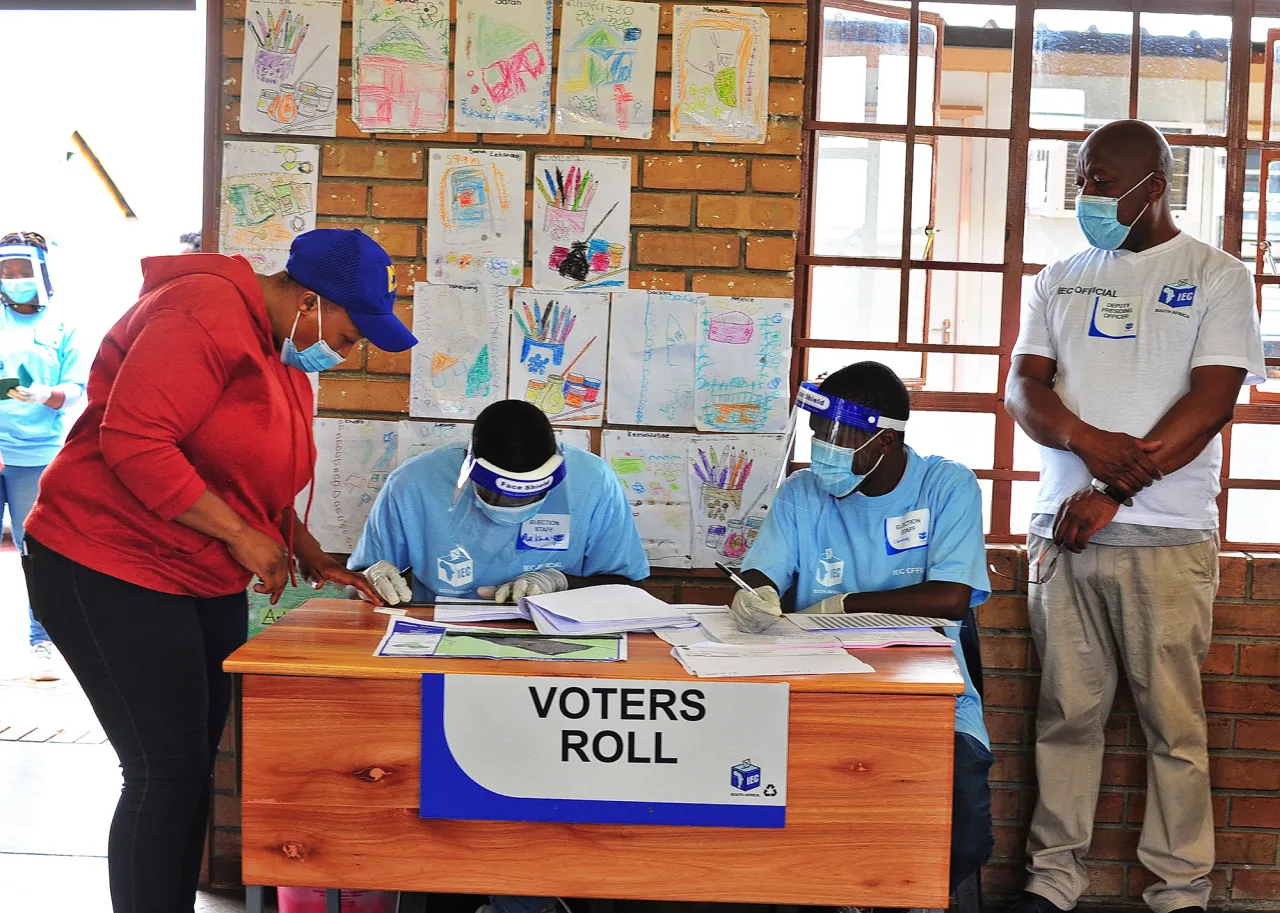
With just two days until South Africans cast their votes in the 2024 general elections on Wednesday, the North Campus of the Soshanguve Tshwane University of Technology is buzzing with excitement, uncertainty, and determination.

Students, especially first-time voters, are eagerly preparing to exercise their democratic right and shape the future of their nation.
“As a journalism student, I’ve learned the power of storytelling and the importance of amplifying voices. Voting is another way for me to contribute to the narrative of our democracy,” said Mahapha, a third-year journalism student.
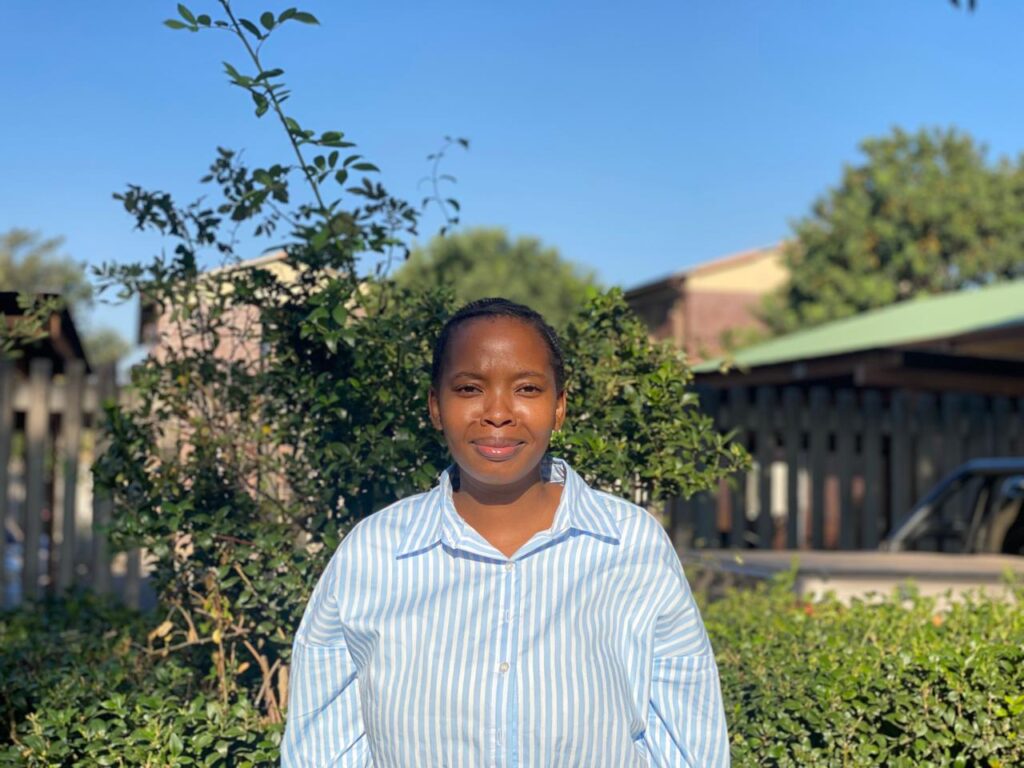
Keneilwe Matjeke, a 26-year-old BED student, shares Mahapha’s enthusiasm and believes it’s time for change.
“Our current leaders have had their chance,” Matjeke says boldly. “It’s time for the youth to take control and guide our nation towards a brighter future. We understand the challenges facing our generation, and it’s only right that we make decisions that will meet our needs,” she said.
Matjeke’s words are supported by statistics showing the importance of young voters in the upcoming election. With 1,981,465 males and 2,424,963 females between the ages of 20-29 registered to vote, young people have the power to influence the election’s outcome.
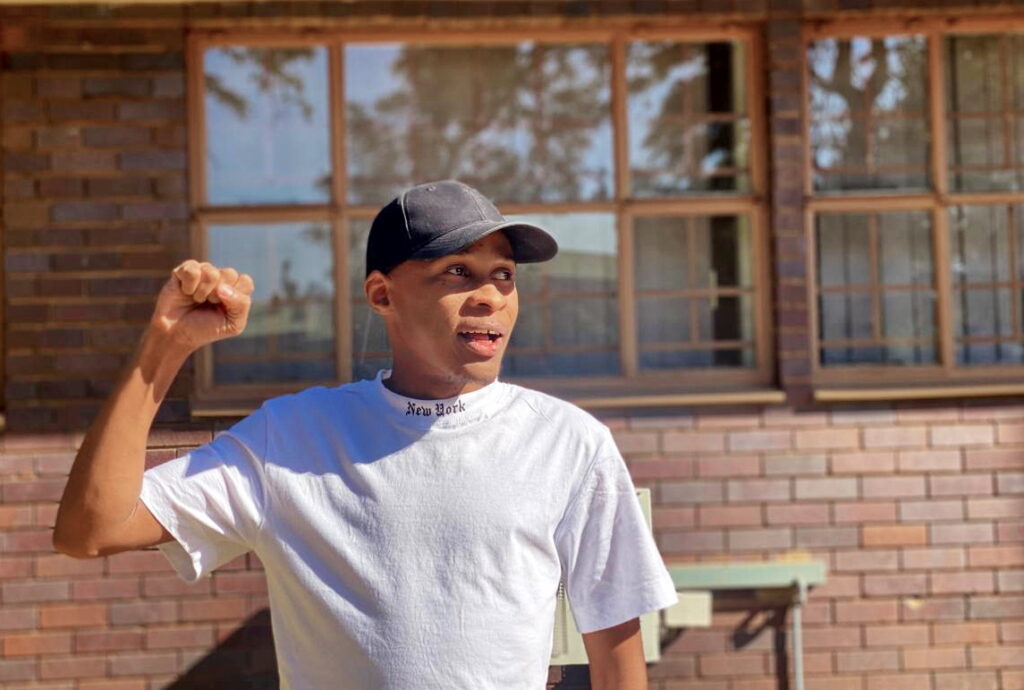
However, not all students are confident. Siphiwe Tshili, a first-year journalism student, feels nervous about the election.
“I’m worried,” Tshili admits, she says anxiously. “As a first-time voter, I don’t know what to expect. Will our voices really be heard? Will the outcome reflect the hopes of the youth?”
Tshili’s concerns highlight the need for a transparent and fair election process. Many of her peers agree, stressing the importance of real engagement and representation in politics.
Mandhlazi Nkosinathi, a second-year Integrated Communication student, is particularly concerned about the economic uncertainty in South Africa.
“Will the elections change our economic situation?” Nkosinathi reflects. “Financial stability is a big concern for me. I want to know if the new leaders will be able to improve our economy and create job opportunities.”

Similarly, Thandiwe Mokoena, a first-year IT student, is focused on education and job prospects.
“I’m voting because I want better opportunities for us,” Mokoena explains. “We need leaders who will invest in education and technology, ensuring we have the skills needed for the future job market.”
The demographic data highlights the importance of the youth vote. In the 18-19 age group, there are 555,837 registered voters, with more females than males. This trend continues in the 20-29 age group, where the number of registered voters totals 4,406,428, with females again outnumbering males. These numbers show that young people can make a big difference in the election.
As election day approaches, students are making plans. Mahapha excitedly shares her plan to vote early in the morning and spend the day documenting the stories of other voters.
“It’s about more than just voting,” Mahapa explains. “It’s about making sure the voices of the youth are heard and addressed,” she says.
Matjeke agrees.
“After voting, I plan to engage in community activities, raising awareness about the importance of civic participation and advocating for youth empowerment,” she says.

Be First to Comment