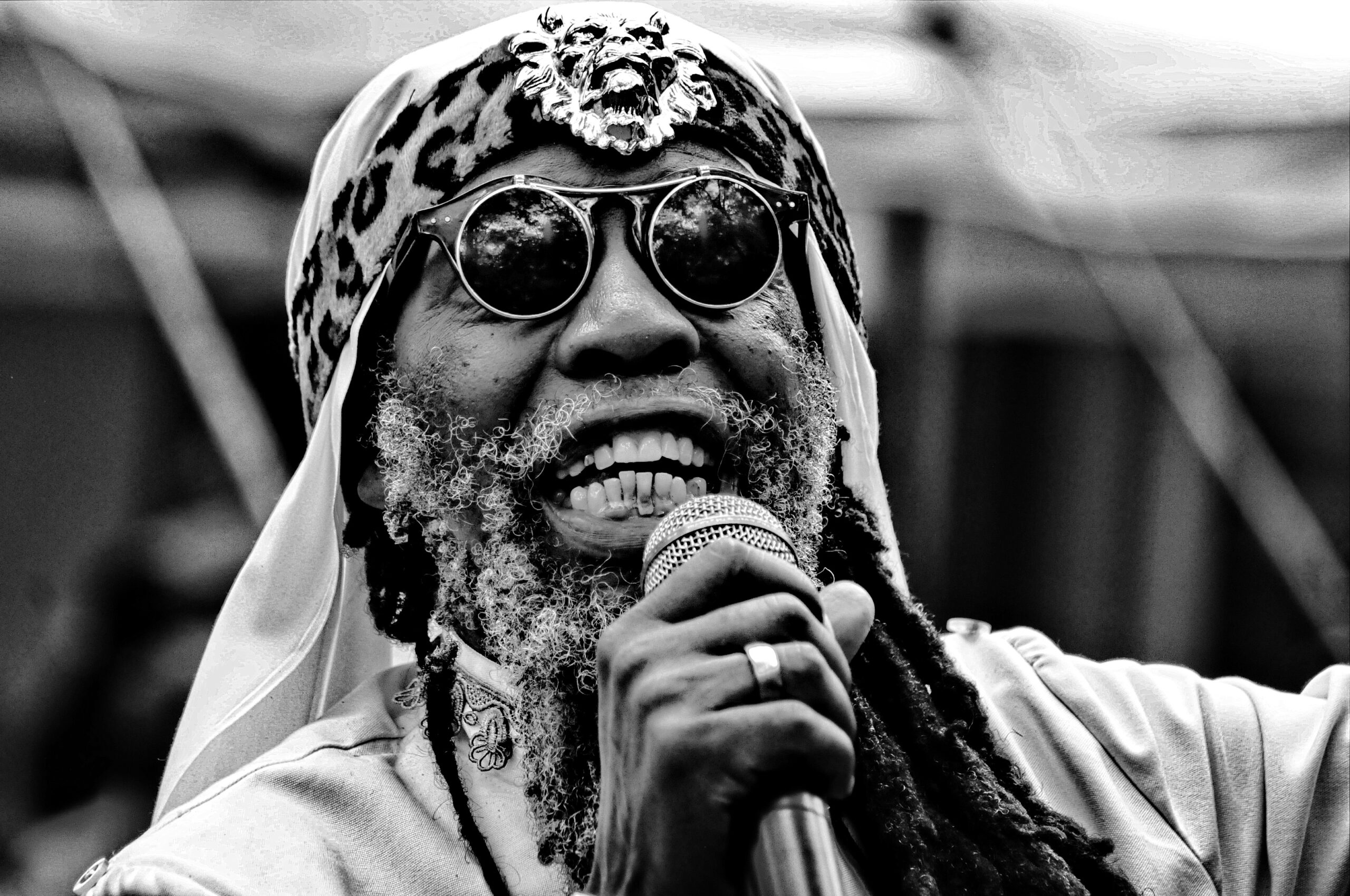
Carlos Djedje devoted his life to fighting for peace, freedom, and justice. The Tshwane born musician passed away recently from illness. Veteran journalist and friend BENSON NTLEMO pays tribute to the fallen legend
Although he did not receive any home honour for his lifelong dedication to fighting for peace, democracy, and freedom, Carlos Djedje could take solace in that the Jamaican government gave credit where it was due.
The Tshwane based musician and activist died on December 18 at Kalafong Hospital in Atteridgeville in Tshwane after a short illness.
His cousin Sydney Baloyi has told a memorial service gathering that the elder man underwent surgery as he had problems with diabetes and high blood pressure.
“His passing robbed the country of an elder who was continuing to be the guiding light in the country,” said Baloyi.
Born in Lady Selborne on 31 January 1950 as the first of six siblings, he started schooling at Wanenga Primary school.
But the music bug bit him early in his life and it was not long before he made guitars out of tin to launch his music career.
At the age of 18, he started his first band The Movers which changed names several times later on.
He soon became a serious musician and during the dark days of Apartheid in the 70s and 80s, he became the voice of the voiceless. His music which was played at political rallies became a vital cog during the struggle.
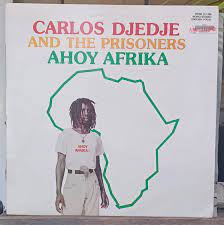
His songs such as No to Apartheid, Remember Them and Ahoy Africa, were hits with freedom-thirsty South Africans who were tied tight on their necks by the noose of Apartheid.
The SABC reacted by banning his songs and he also faced continual arrests by the security police. But this did not deter him as he fought for the idea until his last breath.
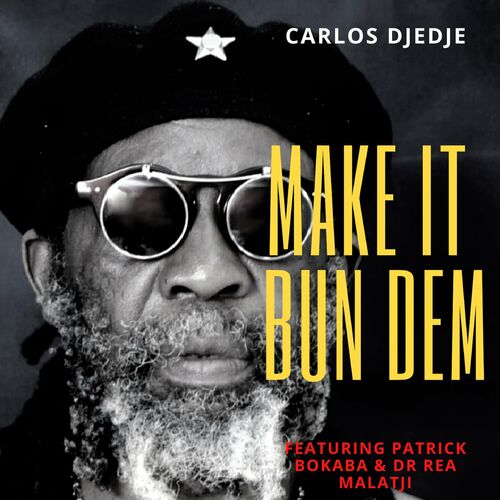
Despite his music gaining infamy with the Apartheid regime, it received huge acclaim internationally. In his life, Djedje performed at important venues around the world in countries such as Spain, Japan, Sweden, Mozambique amongst many others.
He has also shared the stage with the great Peter Tosh in Swaziland in 1982.
Maybe the highlight of his career or his life was in 2017 when he was invited by the Jamaican government to the celebration of the life of the legendary Jamaican freedom fighter Marcus Garvey who died in 1940.
The legendary Djedje was honoured by the Jamaican government for his fight for the promotion of reggae in the world. He was given red carpet treatment.
With an army and a police guard of honour he was led to lay a wreath to the grave of the legendary Garvey. Djedje also laid a wreath at the grave of the legendary Bob Marley.
“This seemed like a dream, and it is something I will not forget in my life,” he said at the time.
They say gold is yellow and does not change colour no matter what, this seems to be the case with our legendary reggae fighter.
With his advanced age, he adapted to new conditions and recorded his new works with international digital platforms.
During the height of the COVID -19 pandemic, he recorded two tracks COVID -19 and Universal Peace Keeper.
As someone who had been fighting for peace, he said COVID-19 was causing havoc in the world.
In The Universal Peacekeeper he said as peace lovers, we must always call out the world’s superpowers who are war mongering and bringing guns to Africa that see people killing one another.
“We must be universal peacekeepers,” he said.
Despite his legendary status, he was humble and soft-spoken.
At the advanced age that he was, he contributed to performing to the public.
That means he was spreading the message of peace, justice, and democracy until his last breath.
He is survived by his wife and two children.
Famba kahle makwerhu.

Be First to Comment