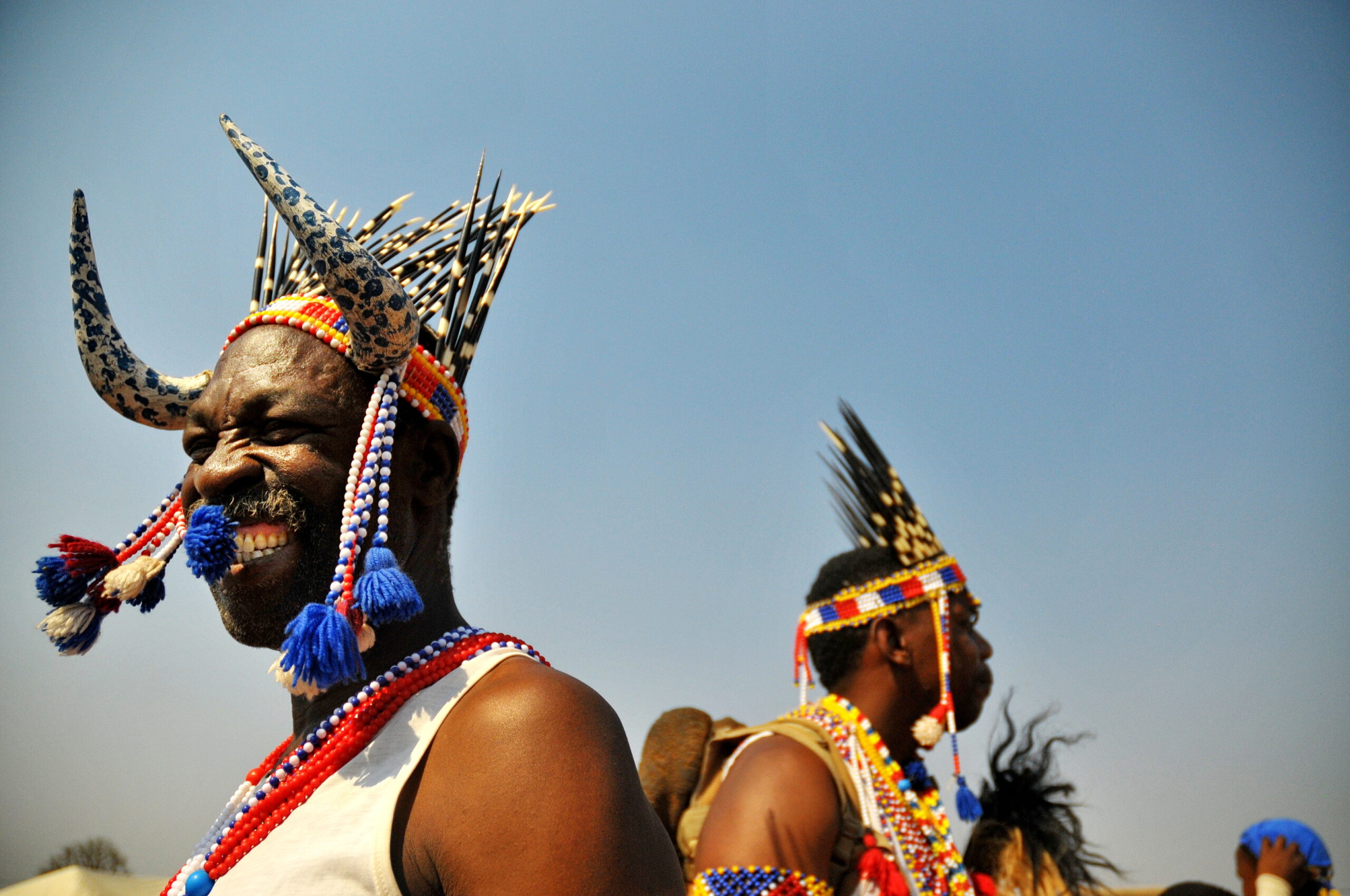
Puuuulaaa! Puuuuulaaaa! Puuuulaaaa!
With this chant the Moletši Traditional Council declared proceedings for the Mokgoši wa Pula traditional ceremony officially open.
The ceremony which is celebrated annually during the month of Lewedi [September] marks the beginning of the New Year among most Bantu cultures who count on the solstice and position of the moon to mark the beginning of different seasons.
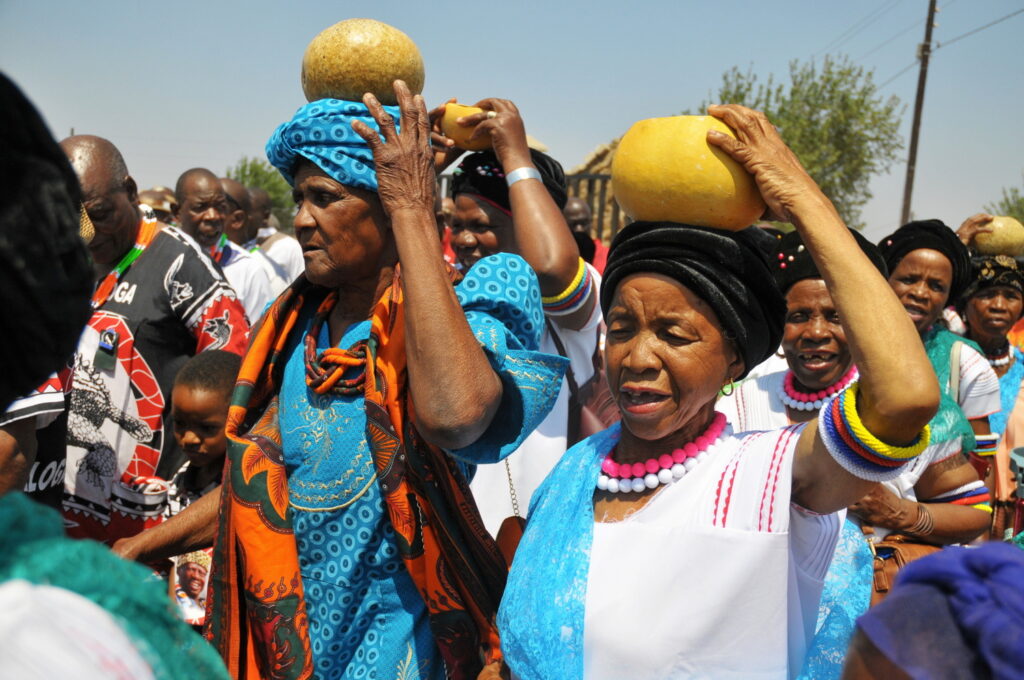
Lewedi or September in Northern Sotho is considered a time of renewal because even nature itself undergoes a renewal of sort with trees and flora blooming and animals giving birth. In southern Africa, it also marks the beginning of the rainy season and the ploughing season.
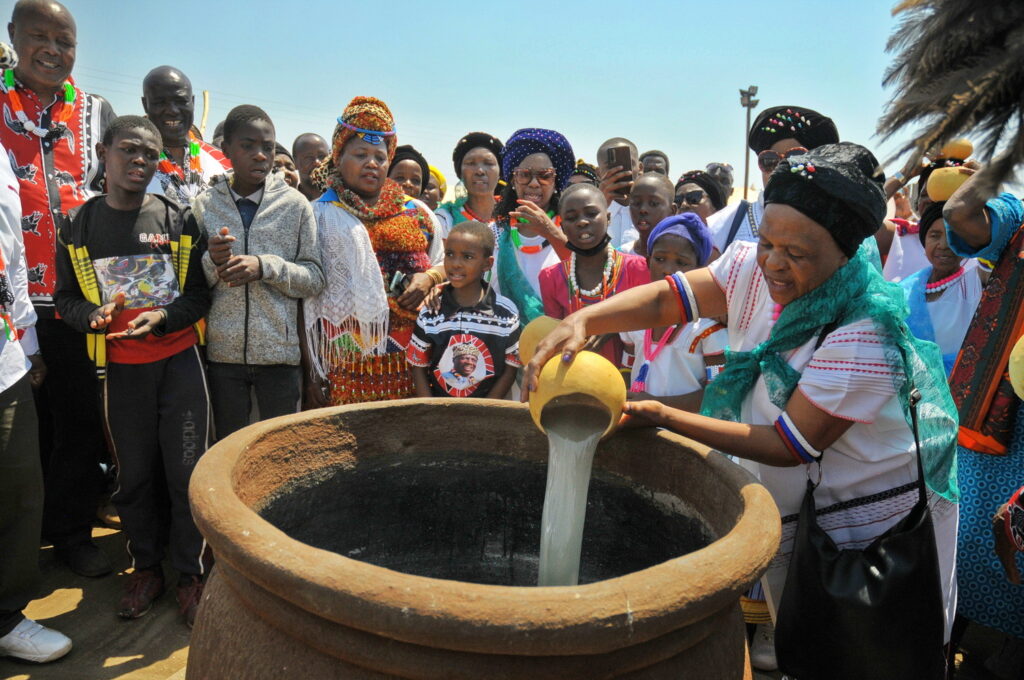
In line with the ages old tradition, on a windy day when South Africa celebrates Heritage Day, scores of people gathered to celebrate the annual ceremony to summon the rain and celebrate culture and heritage in Ga-Matamanyane, about 30km north west of Polokwane in Limpopo.
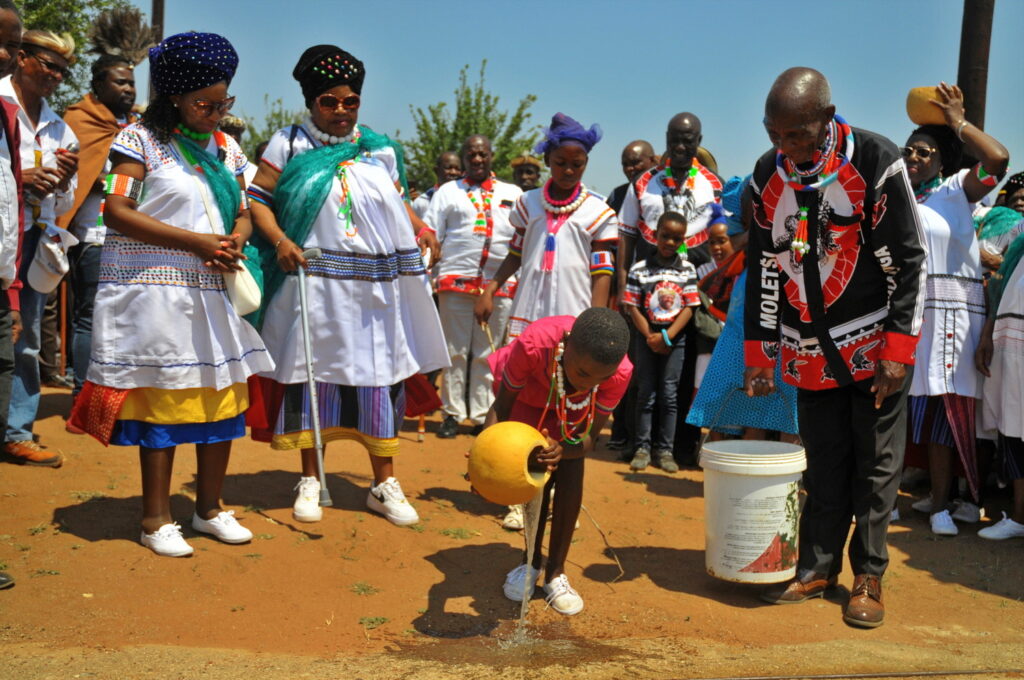
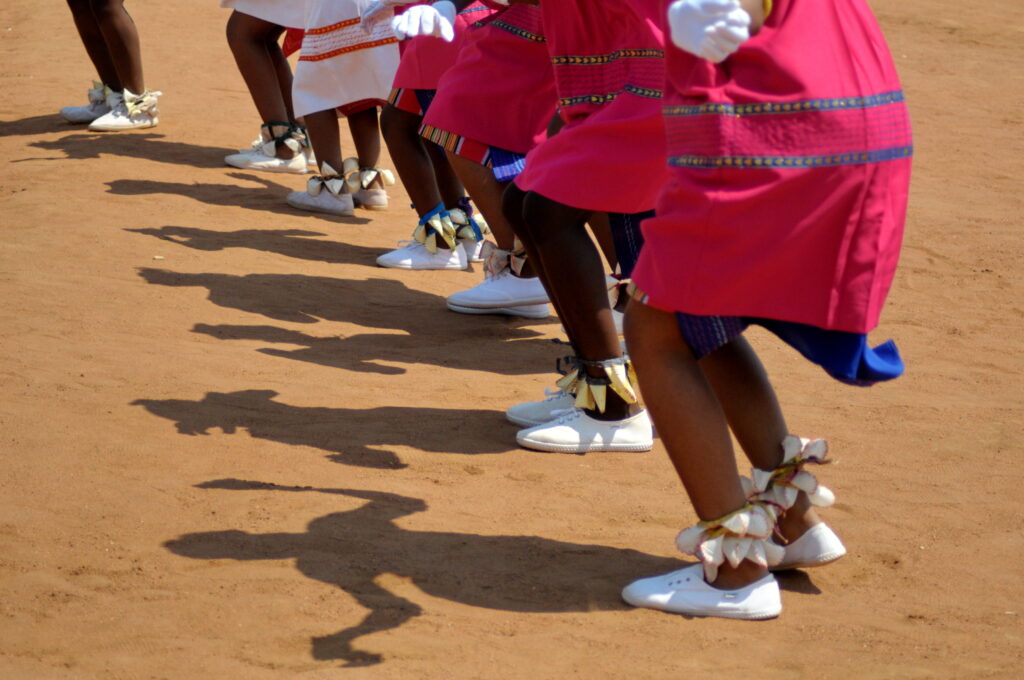
The annual ceremony hosted by Kgoši Kgabo Moloto of the Moletši Traditional Authority draws dance groups including kiba, mampadi and dinaka from different villages who come to show off their dance moves.
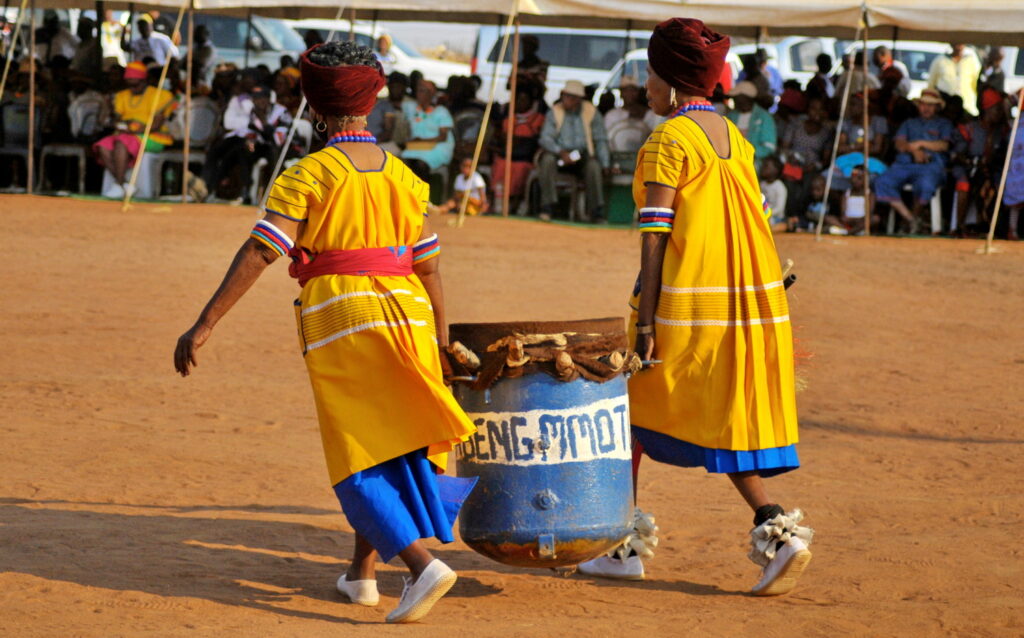
The ceremony involves the performance of sacred rites at a shrine at the Mokgalong royal residence in the village. These include the reciting of praises of the Moloto ancestral spirits and songs to summon the rains, while emptying calabashes of beer and herbal mixtures into a giant, earth built calabash as an offering to the gods.
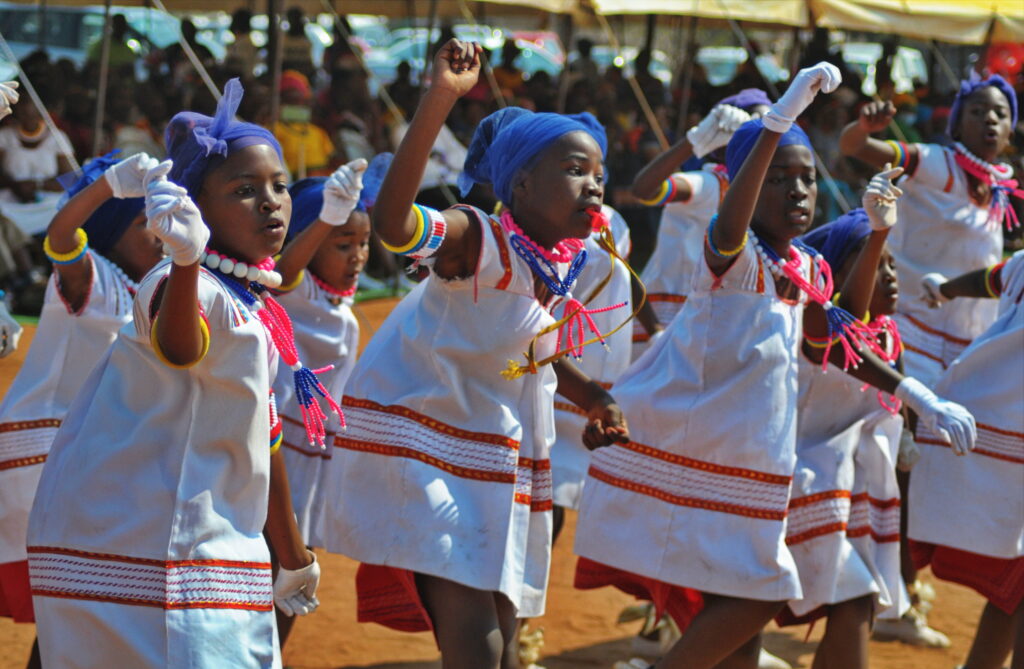
Nigerian historian and academic Olubayo writes in an article titled Rain Makers in Africa: The Art and Practice of Controlling the Elements: “Many African communities view the elements and the spirits that govern them as a vital part of their world, and rainmaking is seen as a way to honor and appease these spirits. The rituals and ceremonies associated with rainmaking are often accompanied by music, dance, and other forms of celebration, which serve to strengthen the community’s social bonds and cultural traditions.”
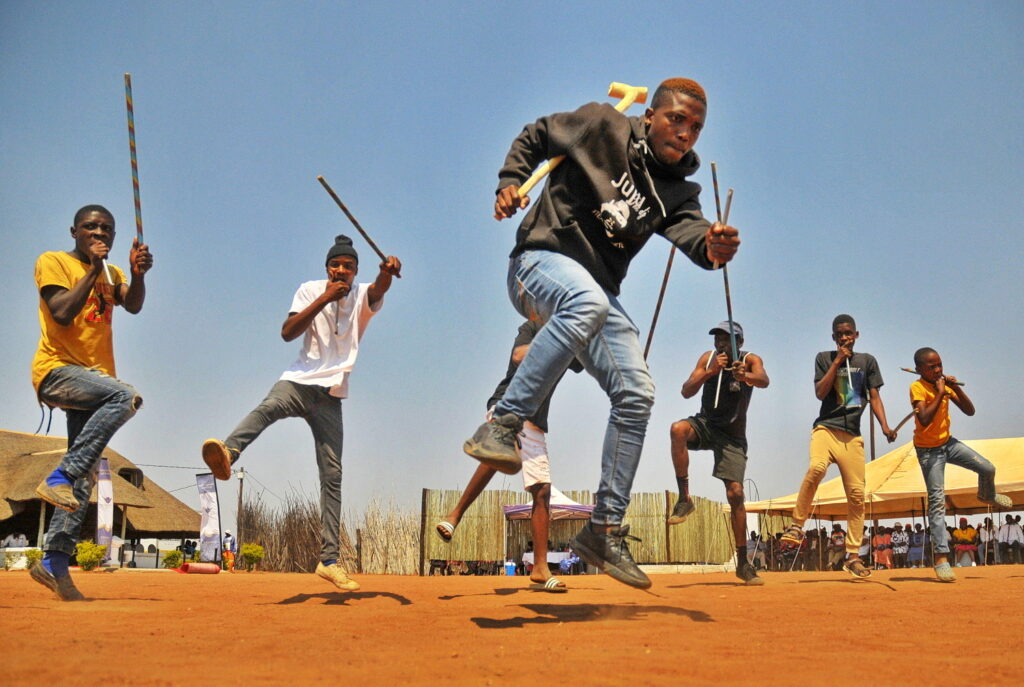
In line with the true spirit of the celebrations, after the formal spiritual rites are completed guests and dance groups take their place in marquees erected on the grounds of the royal homestead to watch performances by various dinaka groups.
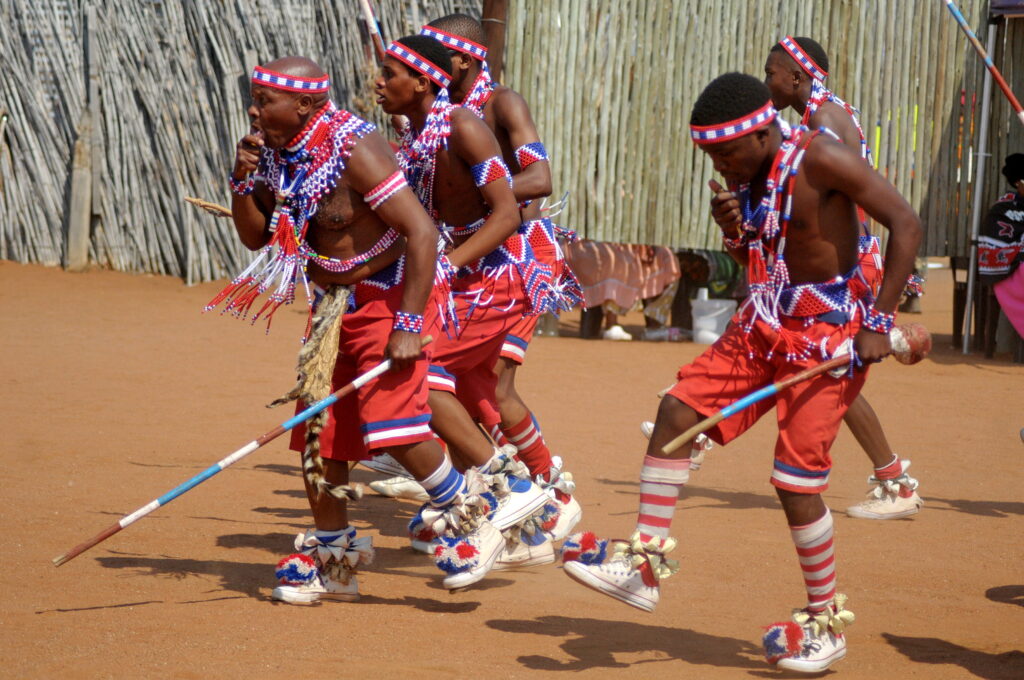
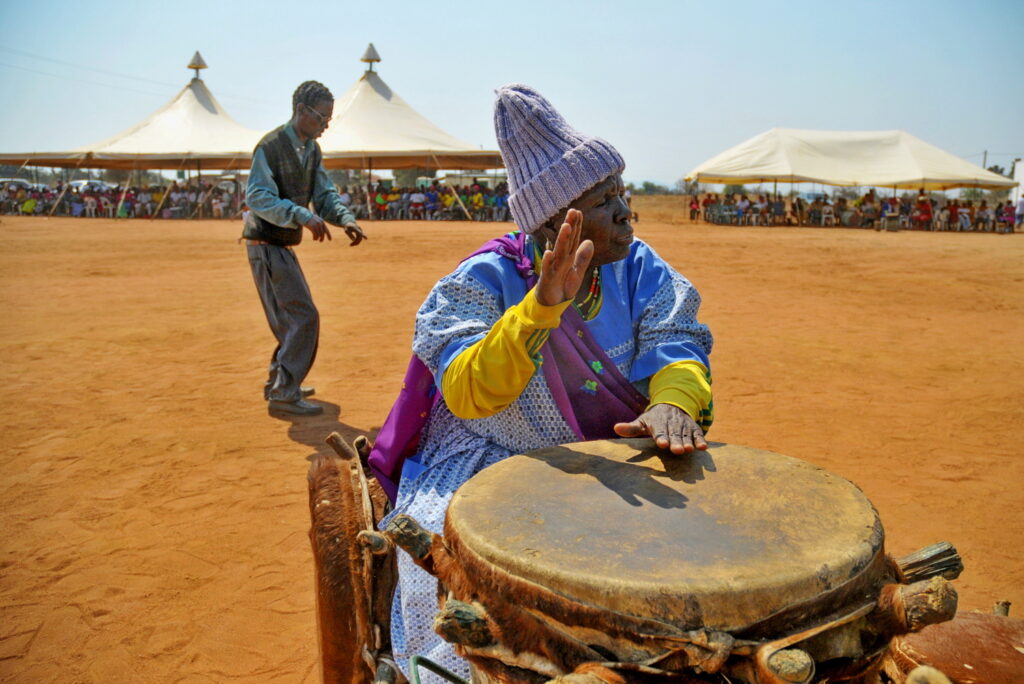
For the rest of the afternoon the village erupts into a frenzy of whirring dinaka [wind pipes], the perpetual beating of cowhide drums and stomping of feet in celebration of Heritage Day and welcoming the African New Year.

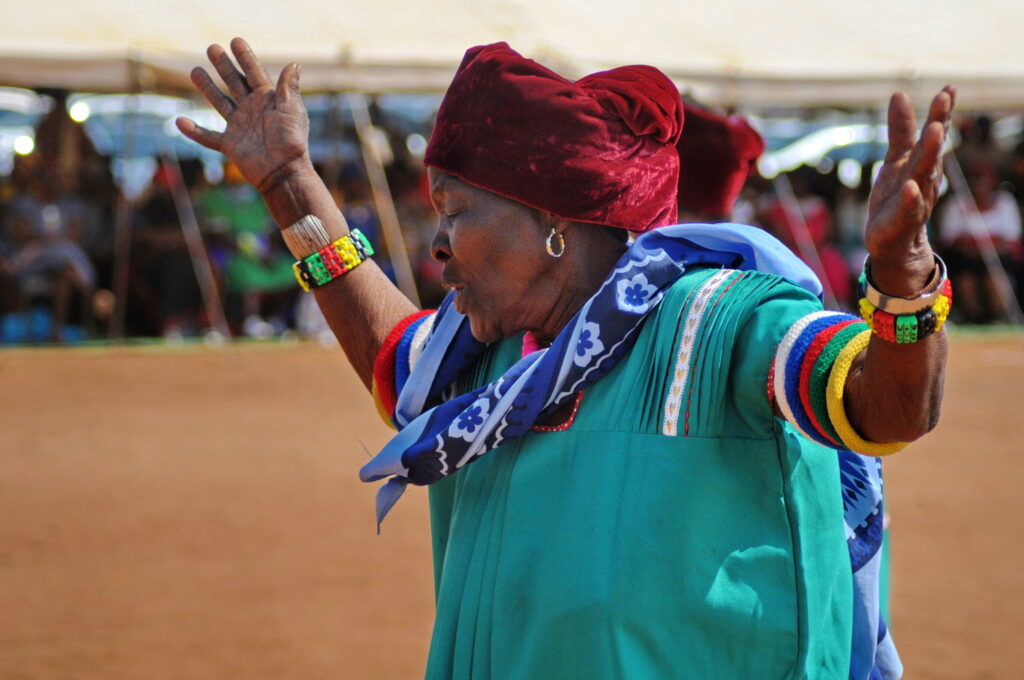
As the village vibrates in song young and old take to the open field to show off their moves, to ululate and sing. Some just stand and there and watch in awe, unable to say a thing, the song and drumming transporting them to a space only they know.
Some elders move gracefully with distant expressions in their eyes, their minds going back to a time way back in the past, a past that continues to live in their minds and hearts.
It’s part of the rich African cultural heritage which no one for sure how far back it goes, the wonders of what Europeans refer to as African Traditional Religion which Nigerian scholar Joseph Olowalu describes as “the religion without a founder, as the founders cannot be found no matter how far we go back to history”.

Be First to Comment