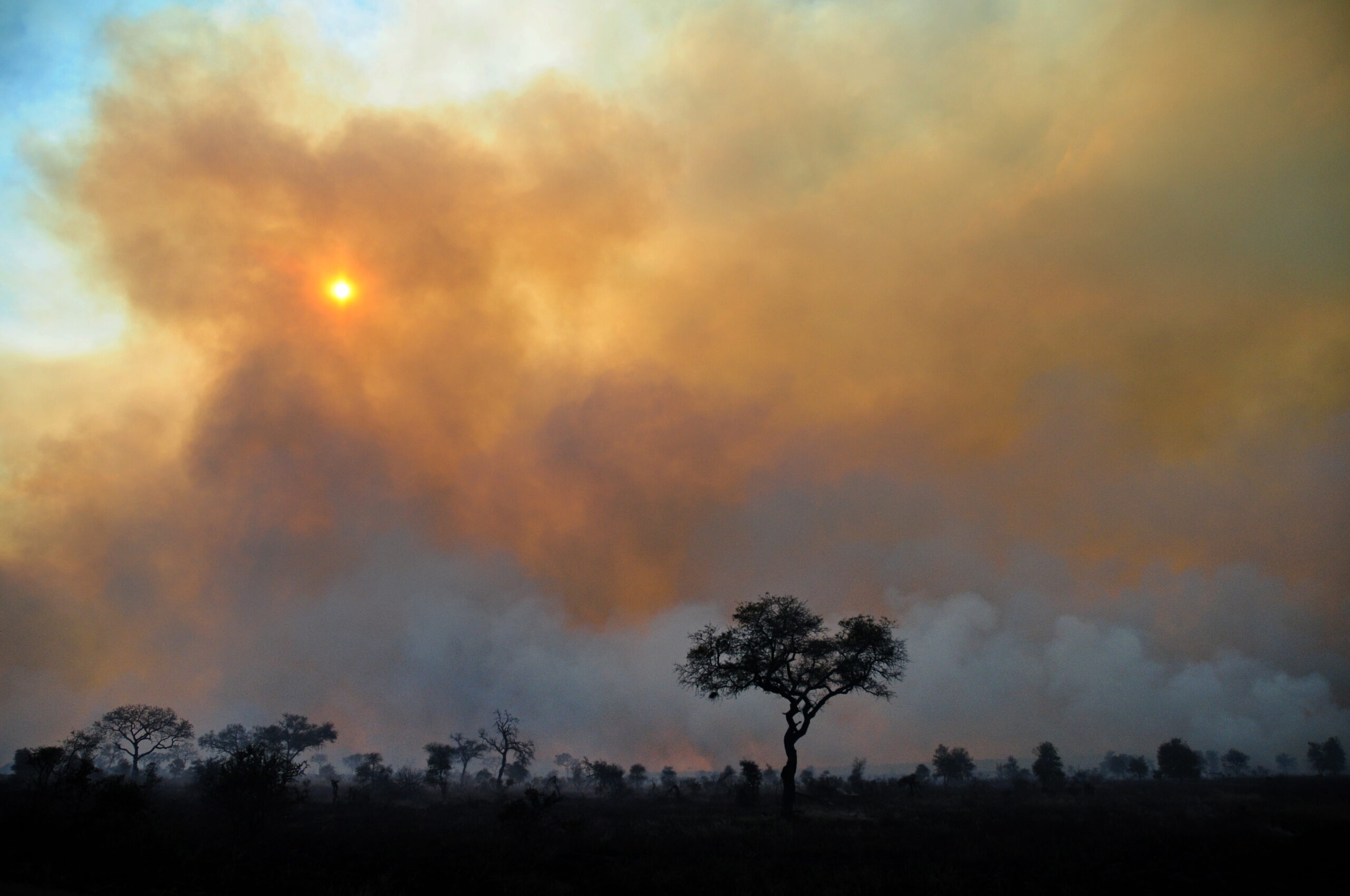
A few times during the year – a fire rages through the Kruger National Park sending billowing flames and dark clouds of smoke into the sky.
These are man made fires started by scientists as part of the park’s management plans for the fire season which usually takes place between June and October.
The Kruger National Park, which forms part of the Savanna biome, is dependent on fires to maintain a healthy ecosystem. While some of these fires a controlled as part of the management plan, others result from natural occurrences such as lightning.
In September 4, 2001, tragedy struck when a fire broke out in the south of the park killing 23 people and leaving 11 others injured. An investigation later found that the fire was started by an unknown person or persons.
The Ngobeni Commission tasked with probing the causes of the fire also found that “there was no consolidated fire security policy in existence at the time. The policy was still in the draft stage. The existing procedures that were previously employed for years at the Kruger National Park were used to address the situation. The policy only dealt with fire ignited by lighting or transmigrant or man-made fire as to its control.”
The Commission recommended that “it should be implanted within the Kruger National Park structures that all personnel have a legal duty to report uncontrolled fire until it is apparent that the Section Ranger and his staff are aware of the uncontrolled fire.”
It further recommended that the Kruger National Park must consider employing a Fire Manager or beef up the responsibility of Senior Rangers who are expected at all relevant times to study weather
conditions or weather patterns in general.”
Tercia Strydom, the Kruger National Park’s Abiotic Scientist said last year, nearly 20% of the park burnt due to very high amounts of grass which accumulated as a result of the high rainfall experienced during the 2020/21 summer months.
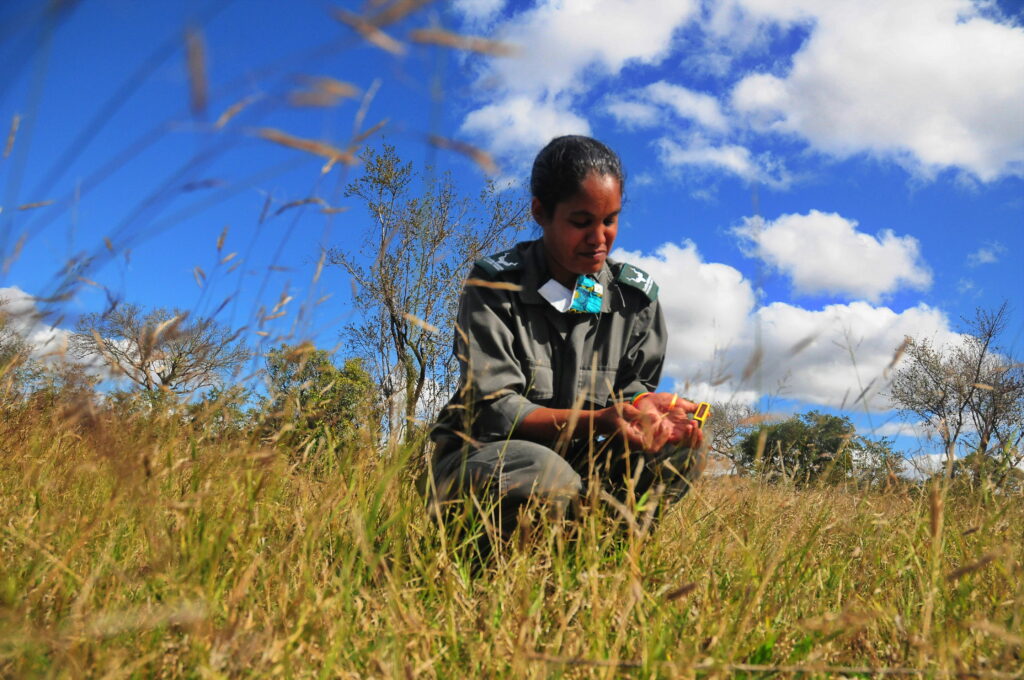
Strydom, who has contributed to scientific journals holds a MSc Hydrology from the University of KwaZulu-Natal, BSc Hons Environmental and Water Sciences from the University of the Western Cape and a BSc Environmental and Water Sciences from the University of the Western Cape.
“For the last few years, less than 10% of the park would burn on average. Following another year of substantial rainfall in KNP, we are anticipating another year where ~15% or 300 000 ha of the park may burn,” said Strydom.
She said the majority of these burns will be part of the controlled burning programme conducted by rangers for ecological reasons.
“However, we do also anticipate the likelihood of unplanned fires in the coming months but these will be managed as and when they occur by our trained and equipped personnel,” she said.
The SA National Parks notes that proactive use of fire in a fire-driven landscape such as the Kruger National Park is important in order to limit the risk of large, unwanted wildfires later in the dry season.
As such, Kruger has already begun burning early season fires to break up the grass layer as well as burning and grading firebreaks around key infrastructure such as camps, staff facilities and the Kruger National Park in order to reduce the risk of unwanted fires.
A report released by the United Nations Environment Programme in February, titled Spreading like Wildfire: The Rising Threat of Extraordinary Landscape Fires warned that climate change and land-use change are making wildfires worse and anticipates a global increase of extreme fires even in areas previously unaffected.
The report further advises that uncontrollable and extreme wildfires can be devastating to people, biodiversity and ecosystems; and exacerbate climate change, contributing significant greenhouse gasses to the atmosphere. The UNEP has issued an urgent call to governments to rethink their approach to extreme wildfires. – news@mukurukuru.co.za

Be First to Comment