
Last updated on 15 April 2026
The Sebilong community has for many decades carried the weight of a loss that shaped every generation since the forced removal from their ancestral land on farm Zwartkop 369 KQ near Thabazimbi in Limpopo decades ago, writes Zanele Songo
Between the 1930s and the early 1960s, the community was dispossessed through a series of forced removals driven by mining expansion, restrictive land and labour policies, and the declaration of the area as a “black spot”, a term used by the apartheid government to describe Black-owned land surrounded by areas designated for white occupation.
According to the SA History Online (SAHO), by 1982, under the Group Areas Act of 1950, over 3.5 million people were forcibly removed from their land and many more faced removals thereafter in South Africa. This excludes removals of hundreds of thousands of Africans across the country that took place before 1950.
https://sahistory.org.za/article/forced-removals-south-africa
Families were scattered across unfamiliar areas, stripped of their livelihoods and forced to rebuild from nothing. The land that had once sustained them, a source of food, income, spiritual identity and dignity, was gone.
“It affected all the families of Sebilong because now they started to be scattered around different areas,” said chairperson of the Sebilong Communal Property Association, Boitshoko Tisane.
“They lost their dignity, they lost their sense of belonging, they lost a lot,” Tisane said, just days after deputy president Paul Mashatile presided over a ceremony to hand over title deeds to the community as part of the land restitution process.

Mashatile described the process as a significant step in addressing the historical injustices of land dispossession. He said the restoration of land was not only about ownership, but about restoring dignity, identity, and economic opportunity for affected communities.
He said land restitution must go beyond symbolic return and contribute to sustainable livelihoods and noted that the government, through the Department of Agriculture, Land Reform and Rural Development, would provide post-settlement support, including funding assistance and guidance in developing business plans.
The aim, he said, is to ensure that restored land is used productively and contributes to local economic development.
Mashatile also highlighted the importance of strong governance within Communal Property Associations, adding that proper management and accountability are key to ensuring that restored land benefits both current and future generations.
“As a community, you have a huge responsibility to use this land productively. Let it be a source of food security, of jobs for the youth, of opportunities for your women and other vulnerable groups, and a source of wealth for your families,” he said.
“Let the mines, the cattle farms, and the poultry projects become engines of growth that uplift the entire community,” Mashatile said.
Decades of pain and the land claim
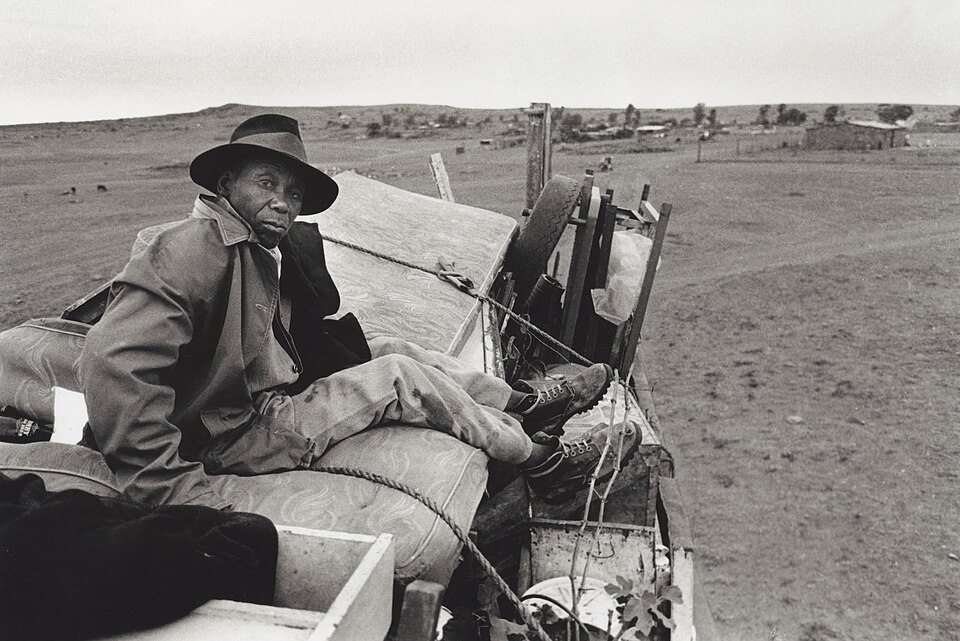
The event marked the beginning of healing for many families who not only endured losing their land, but also the distance that followed after the forced removals.
People were separated from one another. Family networks were stretched across different areas. The connection to place, the feeling of being rooted in a shared history, was broken.
Elders from the community still speak about it with heaviness, telling younger generations about where they came from, keeping the land present through memory.
After South Africa transitioned to democracy, the Sebilong community began reclaiming what was lost. Families came together and lodged a land claim in 1996, before the 1998 cut-off date under the Restitution of Land Rights Act 22 of 1994.
It was lodged on behalf of 89 originally dispossessed households, with the late Lazarus Nkale Tisane playing a key role in its submission. The claim brought renewed hope but also marked the start of a long journey requiring years of persistence.
But for a long time, there was little visible progress. The community waited while documents were processed, meetings were held, and engagements with officials continued.
Those years of delay had consequences. Many people felt they were stuck in a holding pattern, unable to fully plan for development because they did not yet have legal ownership, but still expected to remain united and patient.
It was only in 2015 that the first portions of the land, including portions 26, 27, and 28, were restored. Even then, the process did not end. The community continued waiting through further stages until the most recent handover of title deeds in 2026.
“The delay came at a cost,” Tisa said, reflecting on the years it took for the claim to reach this point. “Most of the people who started this journey are no longer with us today. It’s a shame because they believed in this process, but they did not get to witness this moment.”
Restoration brings renewed hope
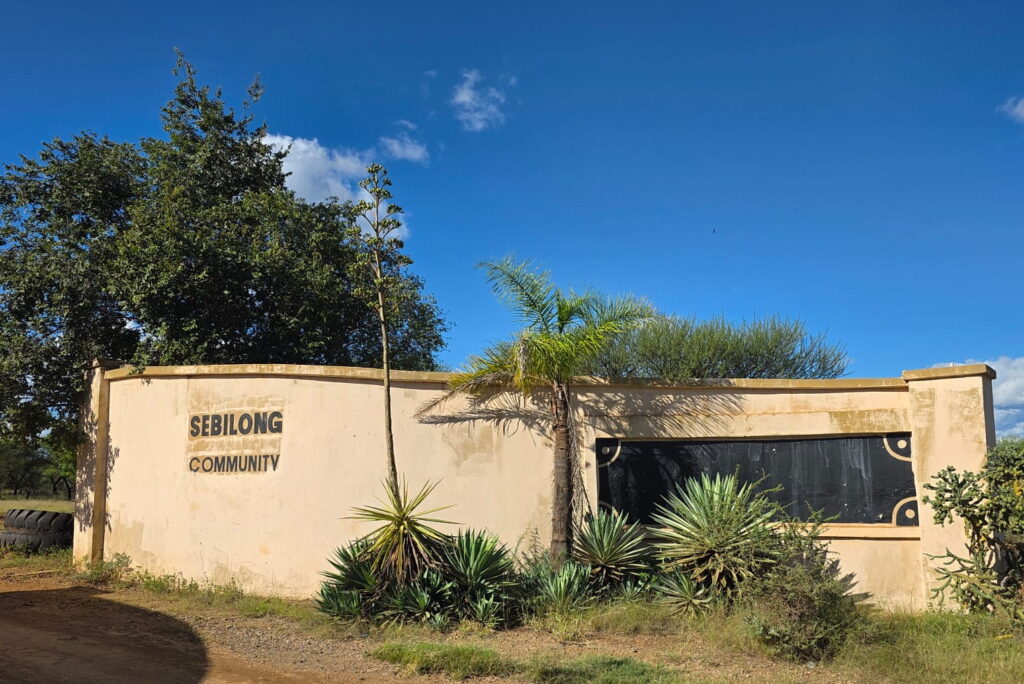
Despite the long wait, the return of the land has brought renewed hope. The handover of title deeds restored ownership to 1,071 verified beneficiaries from 89 originally dispossessed households, a major moment for a community that has carried this claim for decades.
“Honestly, this is very big for us as the community,” Tisa said. “Overall, the community is happy, the beneficiaries are happy with all those portions that have been restored.”
For many, the return represents far more than paperwork. It is tied to dignity, identity, and the emotional relief of being recognised officially as the rightful owners of land their families were once forced to leave.
“It brings that unity back, and it brings that sense of belonging back to them,” Tisa added.
That sense of belonging is not abstract. It is seen in the way people speak about home, and in the way families describe what it means to stand on land their parents and grandparents spoke about.
Community members describe the moment as emotional healing, a reconnection to a history that was interrupted.
With ownership restored, the community’s attention has shifted from winning back land to making the land work for the people. The Sebilong CPA is now focused on ensuring the land is used productively and that benefits reach the community in tangible ways.
Plans to work the land and create economic opportunities
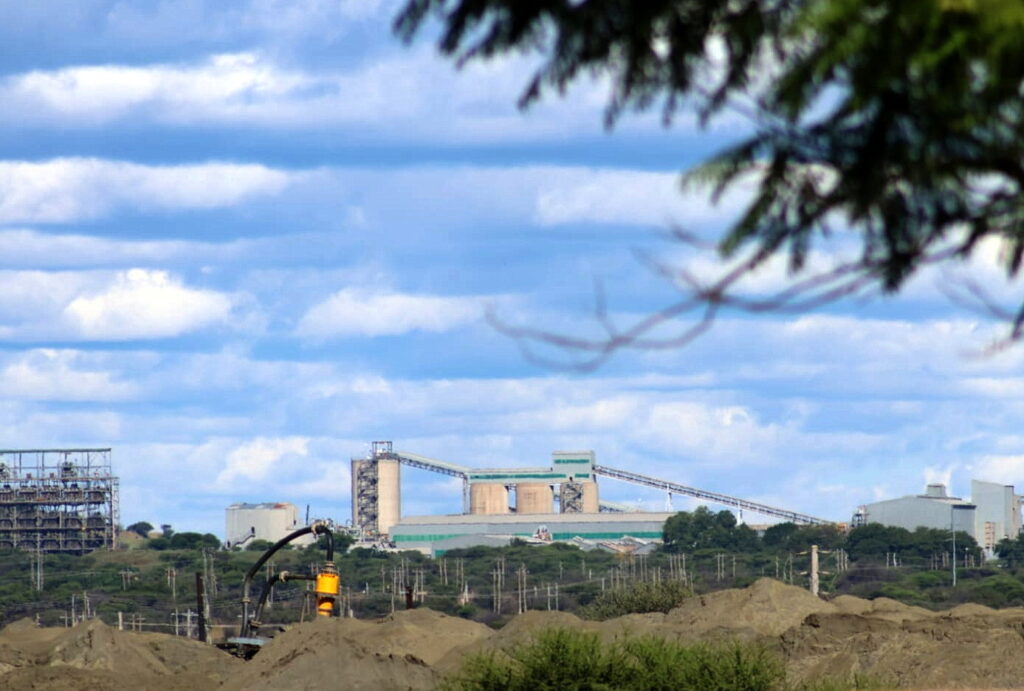
Mining remains part of the local economy, and the CPA has begun engaging with companies operating on the restored portions.
“We’ve got companies like Limbeck Mining who are mining on those portions,” Tisa said. “So it is our responsibility as leadership to negotiate with them and see how they assist our community in terms of business opportunities, employment opportunities, and also social responsibilities.”
But Sebilong’s plans are not limited to mining. The community is investing in agriculture and tourism as core areas for growth.
“We currently have a poultry project with around 5,000 chickens that produce eggs. We also have a moringa project, and a lot of agricultural initiatives that we want to develop,” Tisa said.
The projects are designed for both income generation and long-term sustainability. The poultry project is intended to create steady production cycles, while the moringa initiative is viewed as a potential high-value crop that could open up broader market opportunities over time.
Tourism is another pillar in the development strategy. Plans are underway to renovate a local lodge as part of building tourism capacity and creating additional income streams.
“In terms of tourism and agriculture, those are the core businesses that we want to focus on,” Tisa said.
With more than 1,071 beneficiaries, the question of equitable benefit-sharing is central. Managing expectations across a large group requires consistent communication, clear governance, and transparent decision-making, especially when development projects take time to generate returns.
To support vulnerable households in the meantime, the CPA has introduced quarterly assistance programmes.
“We introduced a programme whereby, quarterly, disadvantaged families receive food parcels,” Tisa said.
Support is also provided to families during times of loss, based on verified beneficiary status. These measures reflect a community trying to balance long-term development with immediate needs, ensuring that the most vulnerable are not left behind while larger plans are still being built.
Even with major progress, the community faces real challenges. One of the biggest concerns, according to Tisa, is the lack of government support at this stage.
“At the moment, we have not yet received support from the government. We are still engaging them in that particular process,” he said.
That means many development efforts depend heavily on partnerships with private sector stakeholders and the community’s own capacity to plan, manage, and fund initiatives. At the same time, the responsibility of governing land on behalf of more than a thousand beneficiaries is complex.
For Sebilong, the return to farm Zwartkop marks both an end and a beginning. It closes a painful chapter of dispossession while opening new possibilities for growth, development, and self-determination. – news@mukurukuru.co.za

Be First to Comment