Last updated on 23 April 2022
Mandisa Kweshube
THE Tshatshu Traditional Council in the Eastern Cape has urged the parliamentary portfolio committee on agriculture, rural development and land reform to consider a revision of the Restitution of Land Rights Act 22 of 1994’s cut off date of 1913 for land claims.
The Native Land Act became law on 19 June 1913 limiting African land ownership to only 7 percent and restricted them from from buying or occupying land. According to the Restitution of Land Rights Act 22 of 1994 people can only lodge claims for land that was dispossessed from 1913 to 1994.
However the 1913 cut off date has come under criticism from various quarters on the basis that land dispossession of African people was instituted hundreds of years before 1913.
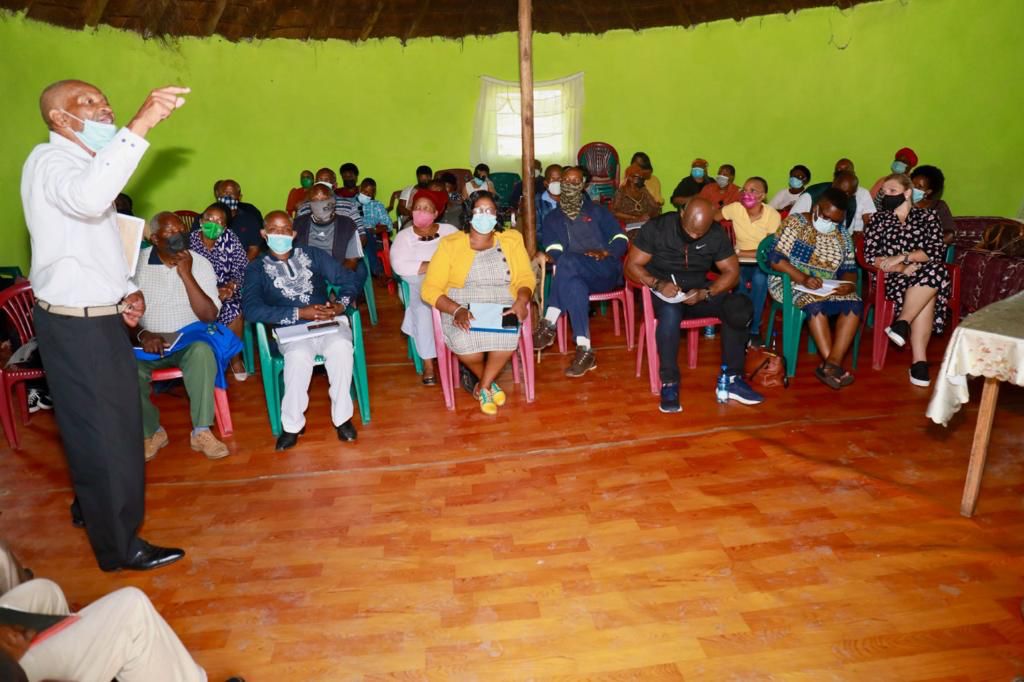
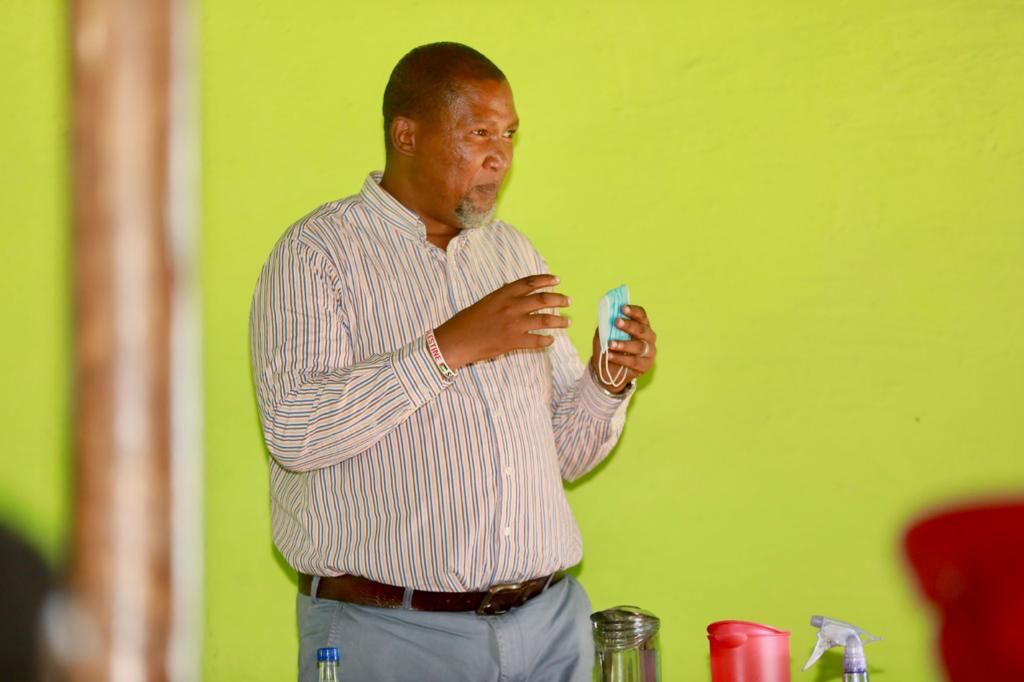
The Tshatshu Royal House has become the latest to add its voice to the dissatisfaction over the 1913 date during a visit by the parliamentary portfolio committee on agriculture, rural development and land reform led by Inkosi Zwelivelile Mandela.
The royal house told the committee during an oversight visit that they do not want government to issue individual title deeds, but the land should be held by the Trust under the supervision of the traditional council.
The portfolio committee visited the Gwatyu area following various challenges raised by the community.
The committee first met with the Matanzima royal family led by Inkosi Dalimvula Matanzima who is the senior traditional leader of the western Thembuland, to ensure that the king is aware of all the challenges of that Gwatyu community members are facing.
“There are different entities that are enjoying land rights in Gwatyu. AbaTshatshu Traditional Council was instituted and officially recognised as the traditional council of the Gwatyu area. The committee has also requested COGTA (the department of Cooperative Governance and Traditional Affairs) to ensure what are the areas the abaTshatshu traditional council oversee. It will assist through the process of who are the custodians of the land,” Inkosi Mandela told Mukurukuru after the oversight visit on Thursday.
He said the Gwatyu community has different farms of which some were annexed by white colonial settlers in the pre 1913 era.
“When they left some of the workers remained in those farms. There were also members that were leasing the farms and were paying the former Transkei government and to the new political dispensation until 1998. There were also members that were working previously in the farms but opted to go and stay in the nearby village but now they want to return to the farms as people who were working there,” Inkosi Mandela said.
He said there were also those who were born on the farms and their parents were born on the farms and they also want to be reinstated to the land. Inkosi Mandela also mentioned that they were able to engage with different stakeholders such as Gwatyu Farmers Association, businesses and other entity structures that were present.
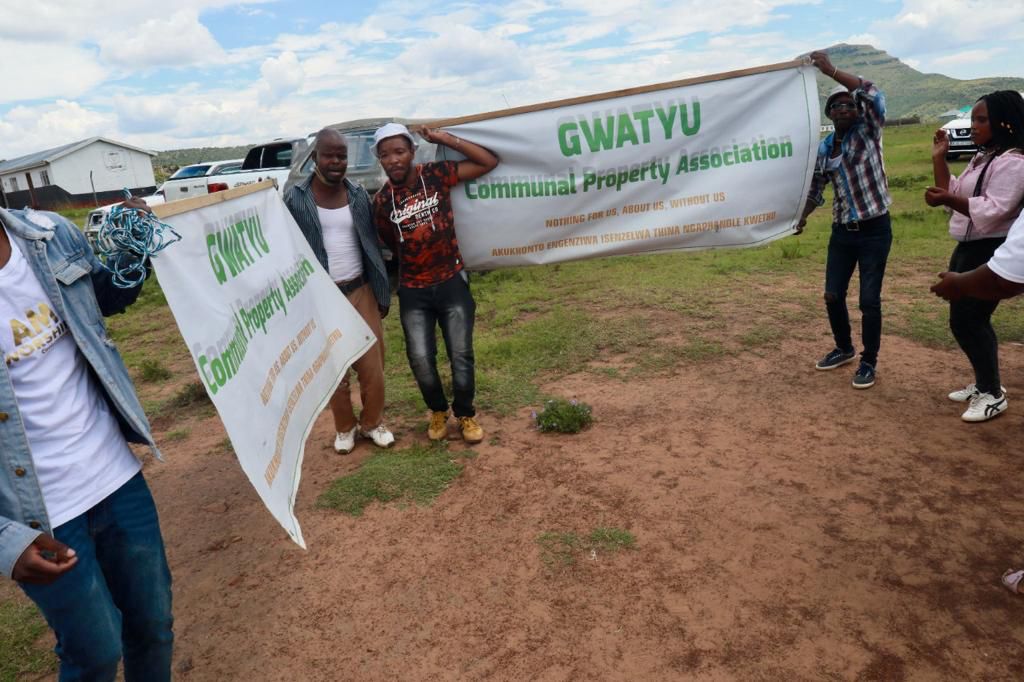
Bhekudumo Xobo representative of the Gwatyu Farmers Association requested the development of farming and told the committee that they require clean water, fencing and safety infrastructure around the area.
During the public hearings community members and different stakeholders highlighted that service delivery was the main issue, particularly with regards to access to clean drinkable water and electricity. They also highlighted that stock theft was a major problem in the area. Inkosi Mandela said the committee also met with the Department of Agriculture Land and Reform Rural Development led by deputy ministers Mcebisi Skwatsha and Zoleka Capa and Easter Cape MEC for Rural Development and Agrarian Reform Nonkqubela Pieters. The Legal Resources Centre which represents the Gwatyu community was also present. mandisa@mukurukuru.co.za

Be First to Comment