
Lawyer and human rights activist Shirami Shirinda who was born on the second anniversary of the Sharpeville massacre, asks whether it is enough to remember, to issue statements, and to reflect on the bloodshed once a year – or does the day demand something more from us?
I was born on 21 March — just two years after the Sharpeville Massacre.
For many, Human Rights Day is a date on the calendar, a public holiday, or a moment of reflection. For me, it has always been something deeper. It is personal. It is historical. It is a reminder that the rights we speak about so easily today were paid for in blood.
In 1960, my father and mother were still young — part of a generation whose innocence unfolded far from the centres of political activity. I am a product of that youthful innocence.
They grew up in a rural village, far removed even from Xitandani (Louis Trichardt), with little direct awareness of the political events shaping the country.
Yet the system of oppression still defined their lives.
My grandfather, a traditional leader, was among the few who travelled to town — a journey of about 45 kilometres on foot. He would walk roughly 30 kilometres, sleep halfway, and only reach his destination the following day. The return journey demanded the same endurance.
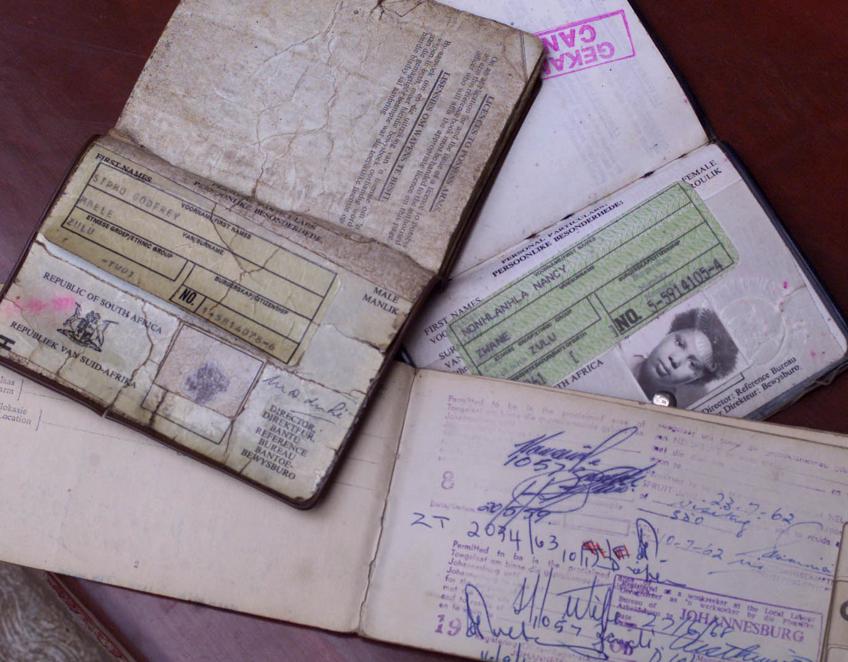
What my father knew — and what shaped their reality — was simple but powerful: a Black person could not just go to town. You needed a passbook that was properly endorsed. Without it, your movement, your dignity, and your very presence were controlled.
In rural areas, the response to these pass laws was very different from what later unfolded in urban centres. Settlements were scattered, families lived far apart, and communities were surrounded by dense bush. Young men and boys spent much of their time hiding in the forests, avoiding the authorities.
Those tasked with enforcing control were not only police, but also rangers — officials employed to protect the environment, yet who often played a role in policing the movement of Black people. Encounters with them were feared.
So the response in these areas was not confrontational. It was survival. It was evasion. It was a quiet resistance shaped by geography and vulnerability.
In urban areas, however, the system of control was direct and intrusive. Laws governed movement, presence, and conduct — in the streets, in workplaces, and even inside homes.
Even those who were employed could not move freely. Having a job and a passbook was not enough. Movement required specific permission, and many were effectively confined to their workplaces to avoid arrest.
At night, police conducted raids in homes. They checked who was present and whether each person’s name appeared on the house permit — commonly known as a phumant. If someone was found in a house where they were not authorised to be, they were arrested on the spot.
The owner of the house would also be charged for allowing an unauthorised person to be present. In this way, fear extended into the most private spaces of life.
Distance deepened the divide.
In many rural areas, a single police station served vast territories — areas that today would cover as many as three districts in Limpopo. To reach a police station, one had to walk for two or even three days. There were no vehicles, no buses — only long distances and endurance.
As a result, even ordinary justice was out of reach. Victims of common assault or minor theft often chose to do nothing, not because the harm was insignificant, but because the journey itself was too demanding. These conditions created a boiling point.
For many, the system had become unbearable. The pass laws were no longer just restrictive — they were dehumanising. People began to take a stand. Some marched to police stations, carrying their passbooks, demanding to be arrested as an act of defiance.
If the law is unjust, then arrest us. This form of confrontation stood in sharp contrast to rural resistance. There, running away into the bush was the only form of protest available — not cowardice, but survival in a landscape where open confrontation was nearly impossible.
In rural areas, resistance was quiet and evasive. In urban areas, it became visible and confrontational. It is within this shift that the events of Sharpeville must be understood.
On 21 March 1960, people gathered at the police station in Sharpeville without their passbooks, deliberately challenging the system. They were not armed. They were not violent. They were asserting their dignity.
The response was brutal.
Police opened fire on the crowd. Sixty-nine people were killed. Many were shot in the back as they fled.
Sharpeville was not just a tragedy – it was a turning point
It exposed the true nature of a system that governed through control and violence. It marked the moment when resistance could no longer remain hidden.
This brings us back to Human Rights Day.
What does it really mean to commemorate Sharpeville today?
Is it enough to remember, to issue statements, and to reflect once a year?
Or does the day demand something more from us?
Perhaps it demands honesty.
Honesty about where we have made progress — and where we have fallen short.
Honesty about the gap between what we say and what people actually experience.
Honesty about whether human rights still live beyond our institutions and documents.
Because the danger is not that we have no human rights framework.
The danger is that we may have normalised a gap between principle and practice.
Being born on this day has always reminded me that human rights are not a distant concept; they are a fundamental aspect of our existence. They are a living responsibility.
They are not only about the past — they are about the present, and the choices we make every day.
Today, the question is simple, but urgent:
Are we using our freedom to build dignity — or allowing new forms of inequality and injustice to take root?
The legacy of Sharpeville does not belong to history alone. It belongs to us.
And the real question is this:
Are we living human rights — or quietly betraying them?
* Author Bio
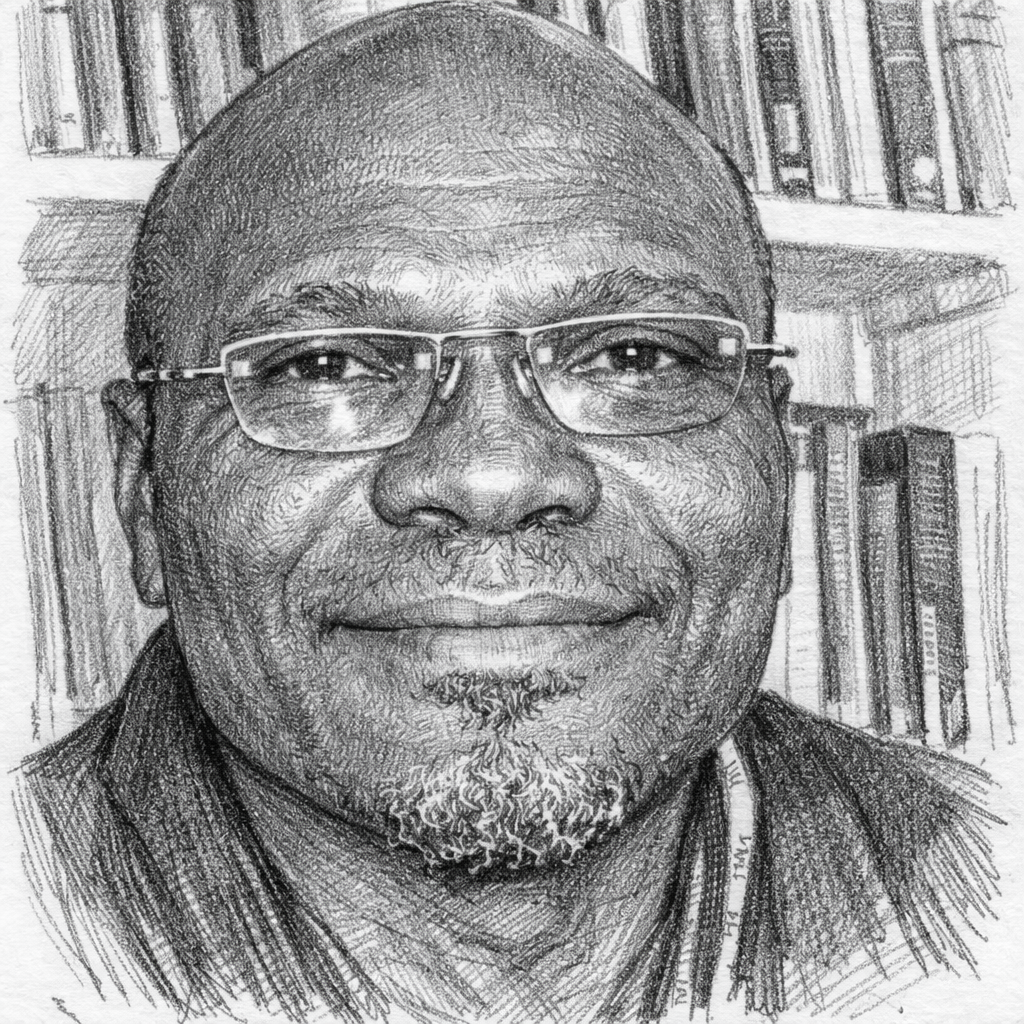
He co-founded Nkuzi Development Association, focusing on land reform, and has worked extensively in human rights, particularly in land and rural governance. He also served as a researcher at the University of the Western Cape and at the Legal Resources Centre.

Be First to Comment