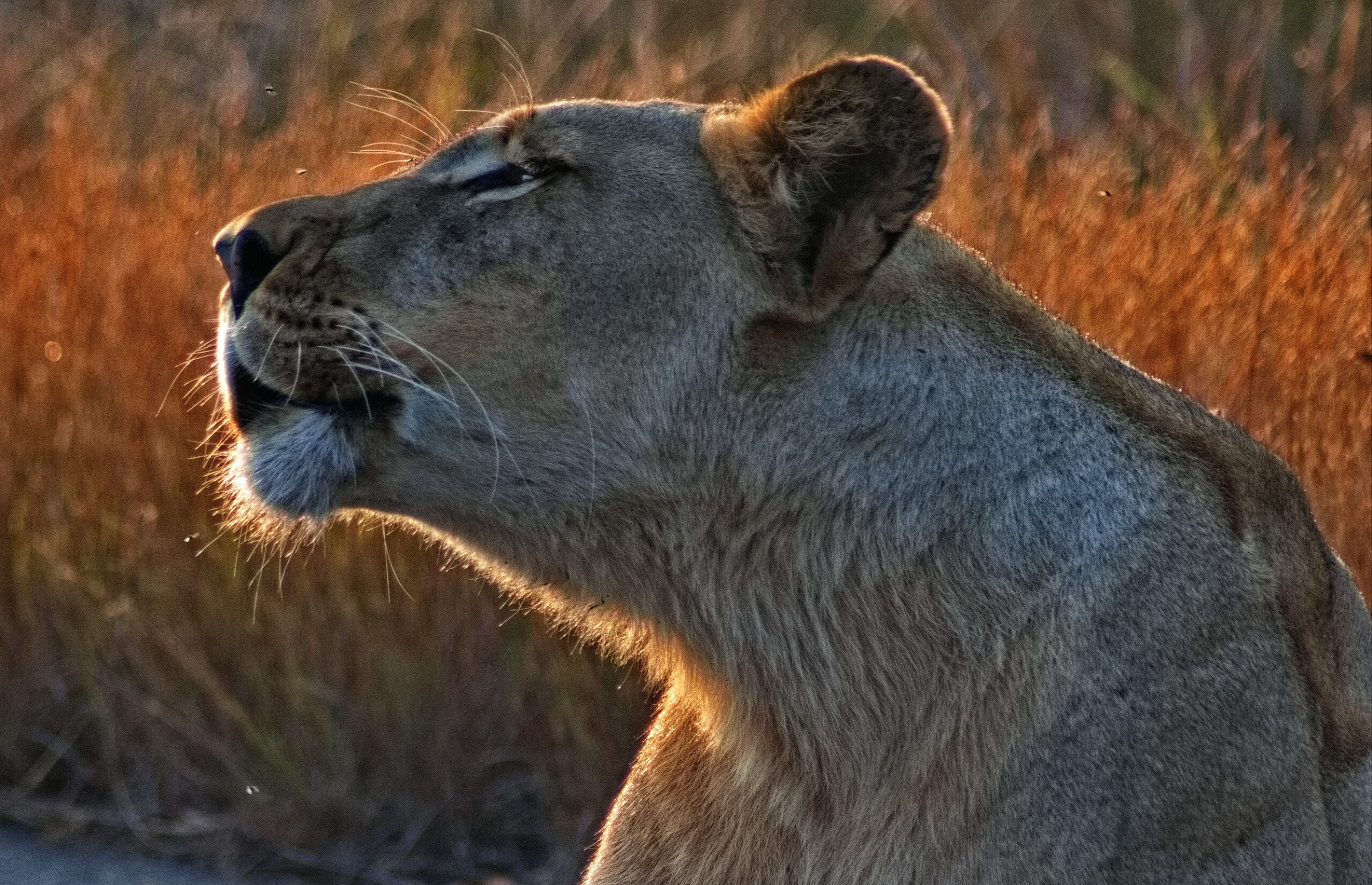
The sun beats down on the dusty tracks of northern Kruger National Park as the Endangered Wildlife Trust’s Carnivore Conservation team sets out on another patrol. Every bend in the trail could reveal a lion, a poacher’s trap, or the quiet signs of life in the bush.
The distant roar of a lion echoes across the savannah, underscoring the park’s urgent battle to protect its fragile kings. With camera traps loaded and notebooks in hand, the team is focused on counting and guarding these iconic predators against further loss.
The Greater Limpopo Transfrontier Conservation Area, spanning South Africa, Mozambique, and Zimbabwe, remains one of the last strongholds for African lions in southern Africa. At its centre is Kruger National Park, a key source of population for surrounding reserves.
The Endangered Wildlife Trust notes that the Kruger National Park is central to this cross-border conservation area, which serves as a key source population of lion for neighbouring reserves.
The Trust notes that in the past decade, however, lion poaching has started taking a toll on the species, from either bushmeat snaring or the deliberate poisoning of carnivores, in certain areas.
The numbers tell a worrying story. From 1,803 lions recorded in 2005, the population has declined significantly. In the northern Nxanatseni region, numbers dropped to just 105 by 2023. Southern Nxanatseni showed slightly stronger numbers, with 144 lions recorded in 2024, according to research conducted by the Endangered Wildlife Trust in partnership with South African National Parks and the Lion Recovery Fund.
These losses mirror a continent-wide crisis. With only 22,000 to 25,000 wild lions left, as reported by the International Union for Conservation of Nature, the species now clings to survival mainly within protected areas as a stark contrast to its historic status.
“Of all the large carnivores, the lion is one that has undergone one of the largest range of contractions, having been lost from about 94% of its historic range,” said Samantha Nicholson, Senior Carnivore Scientist at the Endangered Wildlife Trust.
She said the species’ decline is driven by a combination of threats, including habitat loss, loss of natural prey, human-wildlife conflict, poaching, and the targeted killing of lions for their body parts.
“As a result of these pressures, lions are now classified as vulnerable, meaning they face a real risk of extinction in the wild,” Nicholson said.
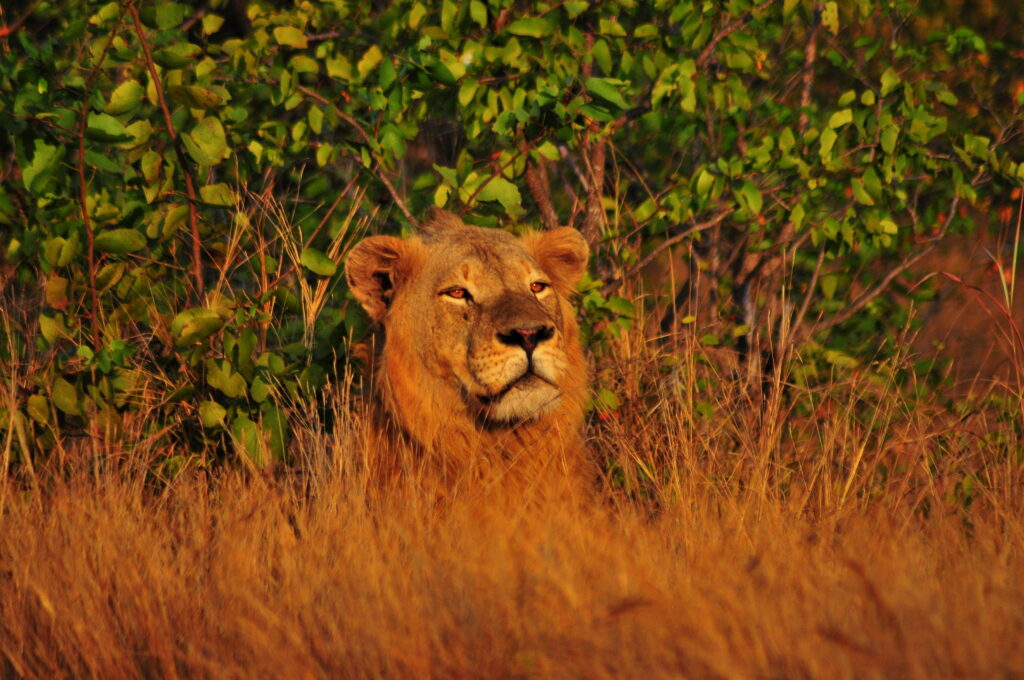
Over the course of three months, the EWT team drove thousands of kilometres, recording 182 lion sightings. Each animal was identified by its unique whisker pattern, helping researchers avoid double-counting.
The findings indicate that lions are most commonly found near water and in areas with abundant prey. In contrast, drier, hilly regions or areas closer to human activity support fewer lions.
Some parts of the park remain rich in wildlife, while others affected by poaching and proximity to communities struggle to sustain even a single pride. Poached lions were also found near the park’s western boundary, highlighting ongoing threats.
Nicholson said regular and reliable surveys are critical to understanding how lion populations are changing over time.
“When done consistently, these surveys allow us to identify populations that are declining so that conservationists can intervene and support recovery,” she said.
The survey also highlights the complex relationship between lions, their environment, and human activity. Fertile areas with large herbivore populations attract more lions, while poor soils, low rainfall, and rugged terrain limit their numbers.
Human activity along park boundaries further restricts lion movement and increases the risk of conflict, placing additional pressure on already vulnerable populations.
Conservation efforts are underway to address these challenges. The Endangered Wildlife Trust and South African National Parks are working with local communities, including traditional medicine users, to reduce poaching and promote coexistence.
There are also calls for stronger law enforcement, including giving rangers greater authority and introducing harsher penalties for wildlife crimes. Research into water management and human impact is ongoing to better guide conservation strategies.
“The fight to save lions is far from over,” Nicholson said. “We need to support science-based conservation and protect this iconic species for future generations.”
As the sun sets over the savannah, the sounds of wildlife fill the air. The survival of Africa’s lions depends on continued efforts to protect them, ensuring that these iconic animals remain part of the landscape for generations to come. – zanele@mukurukuru.co.za

Be First to Comment